

Planning Your NYC Portrait Session: Timing, Clothing & Mistakes to Avoid
Planning a NYC portrait session? Tell me what the photographs need to do, then we can choose the clothes, light and setting together. Explore NYC portrait sessions or ask about your portrait session.
A little preparation leaves more room to make photographs. Before the session, have these five things ready:
- Your main use for the pictures and any deadline.
- A few references, with a note about the light, mood, or framing you like.
- Complete outfit options tested while sitting and walking.
- A compact route, meeting point, and agreed weather alternative.
- Any access needs, changing arrangements, or limits on walking.
The guide below explains each decision. For the session process and current delivery details, see NYC portrait sessions.
Begin with the photographs you need
Decide what the portraits need to do before choosing outfits or locations. A website introduction, portfolio update, and personal print may need different framing and expressions. You can want several kinds of picture; identify the priority.
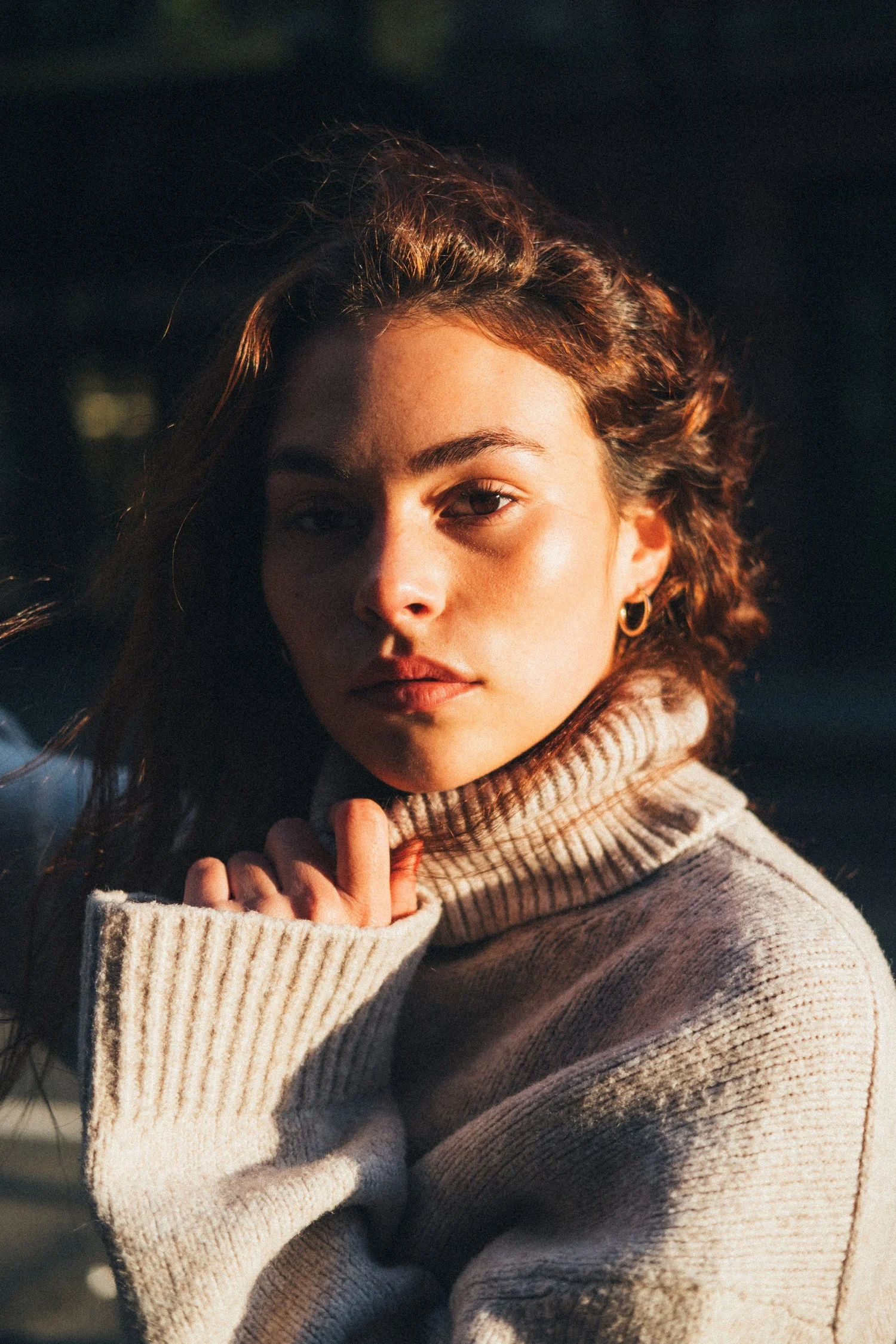
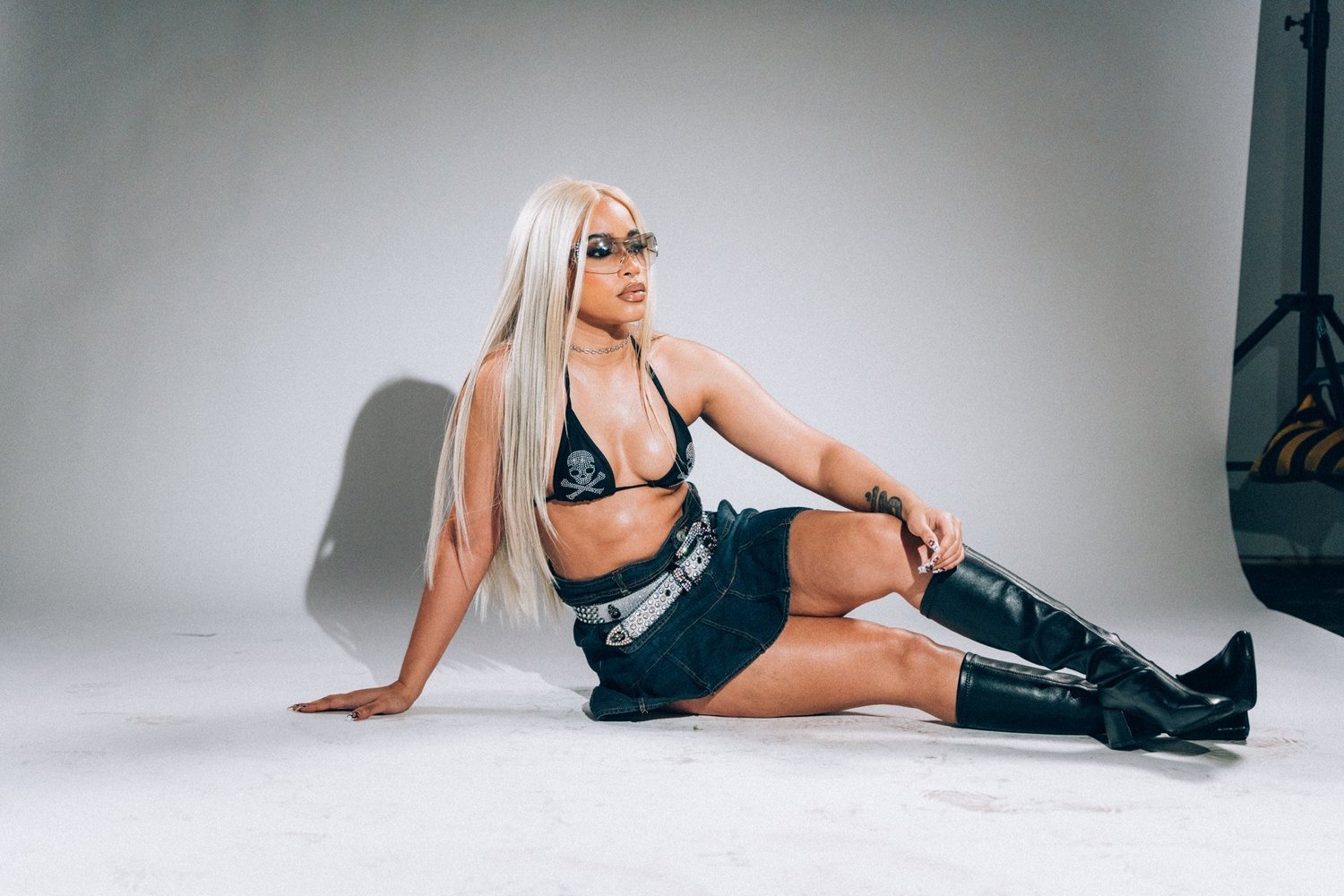
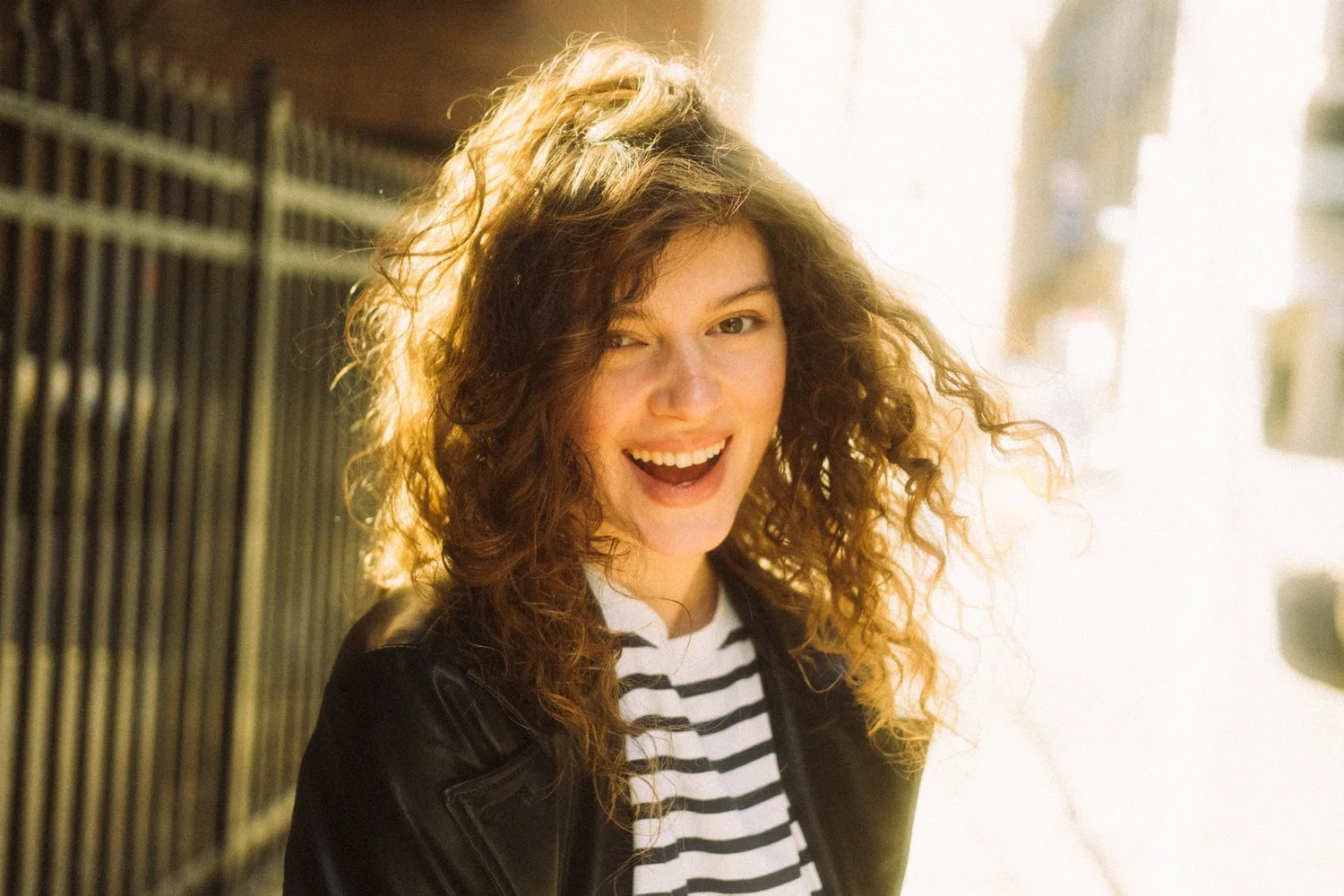
Marley’s close portrait emphasizes her face and light. Rose’s full-length studio photograph gives clothing and posture room. Explore my NYC portrait work and explain what interests you in a few examples. A specific preference is more useful than a large collection of unrelated references.
Choose a compact route with several possibilities
Choose one manageable area and ask what each stop adds. A wall, a street, and a place to sit can offer variety without spending the session traveling between distant landmarks.
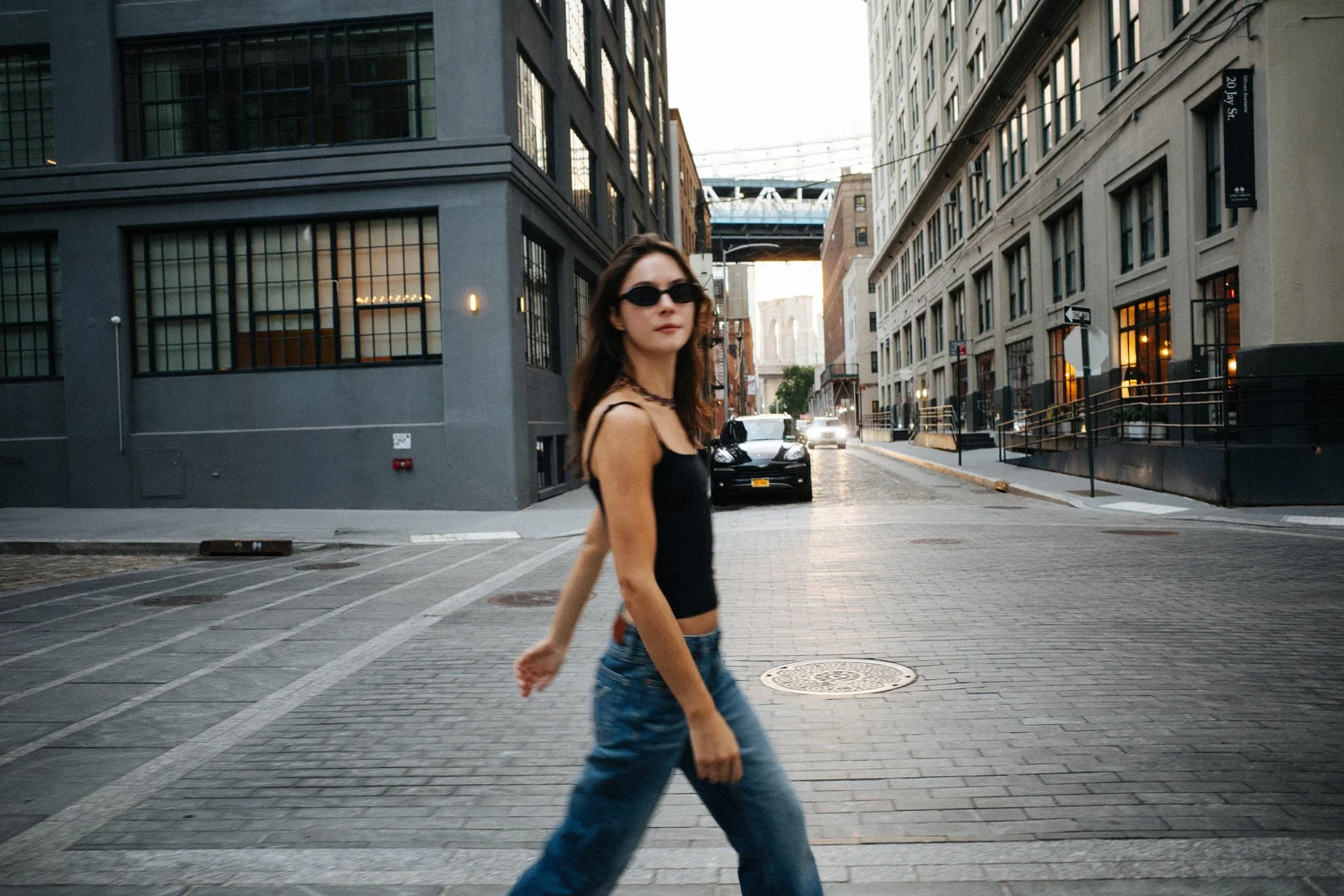
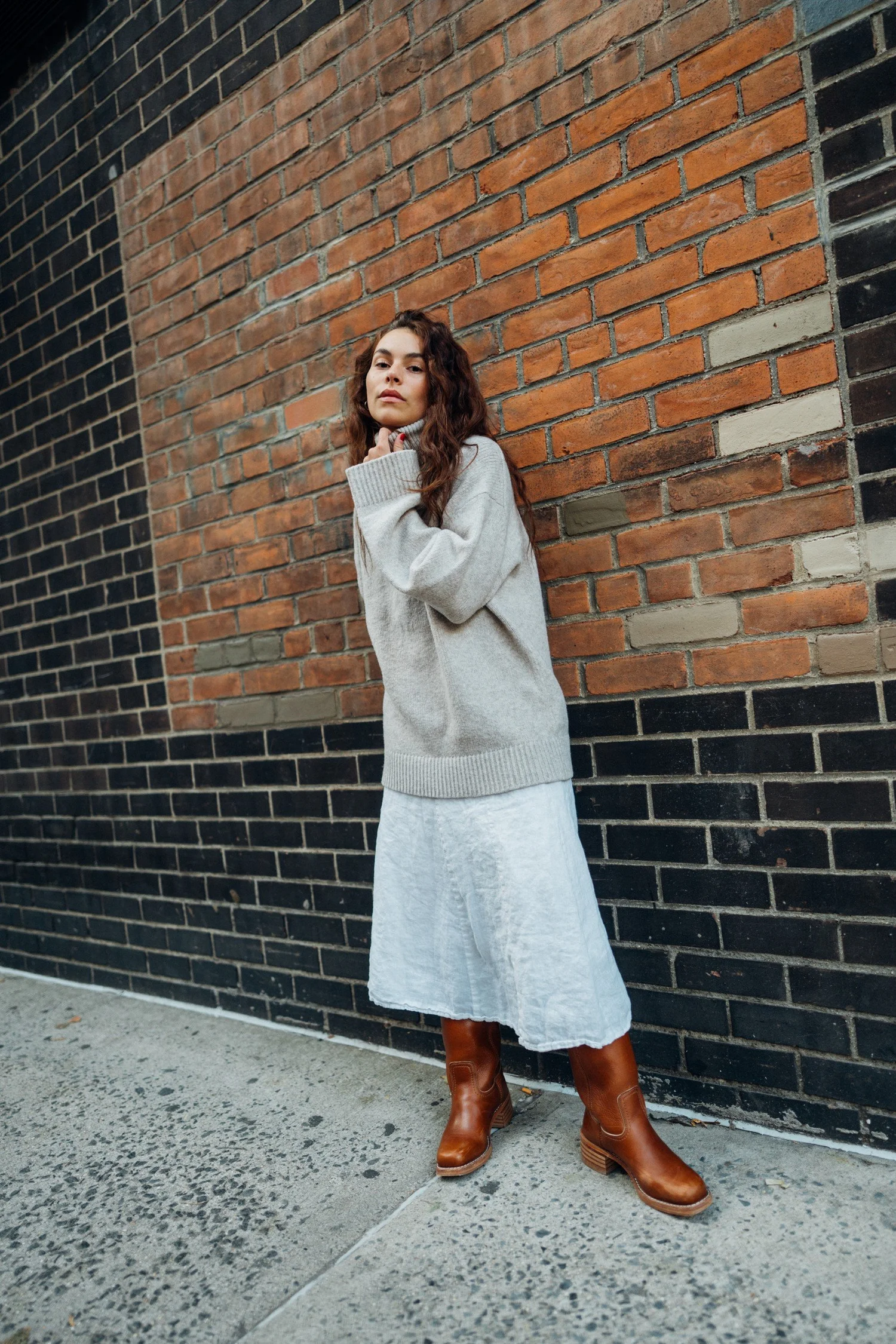
Amanda’s walking photograph needs space for movement as well as somewhere to pause. Consider walking preferences, accessibility, and belongings. Use the NYC location guide to compare settings. Confirm access and current photography requirements for managed spaces before relying on them. A reference photograph does not arrange entry.
Choose the time around the light and the day
Discuss the actual route and the mood you want before assuming sunset is the only useful time. Buildings and the sun’s direction affect which areas are bright or shaded.
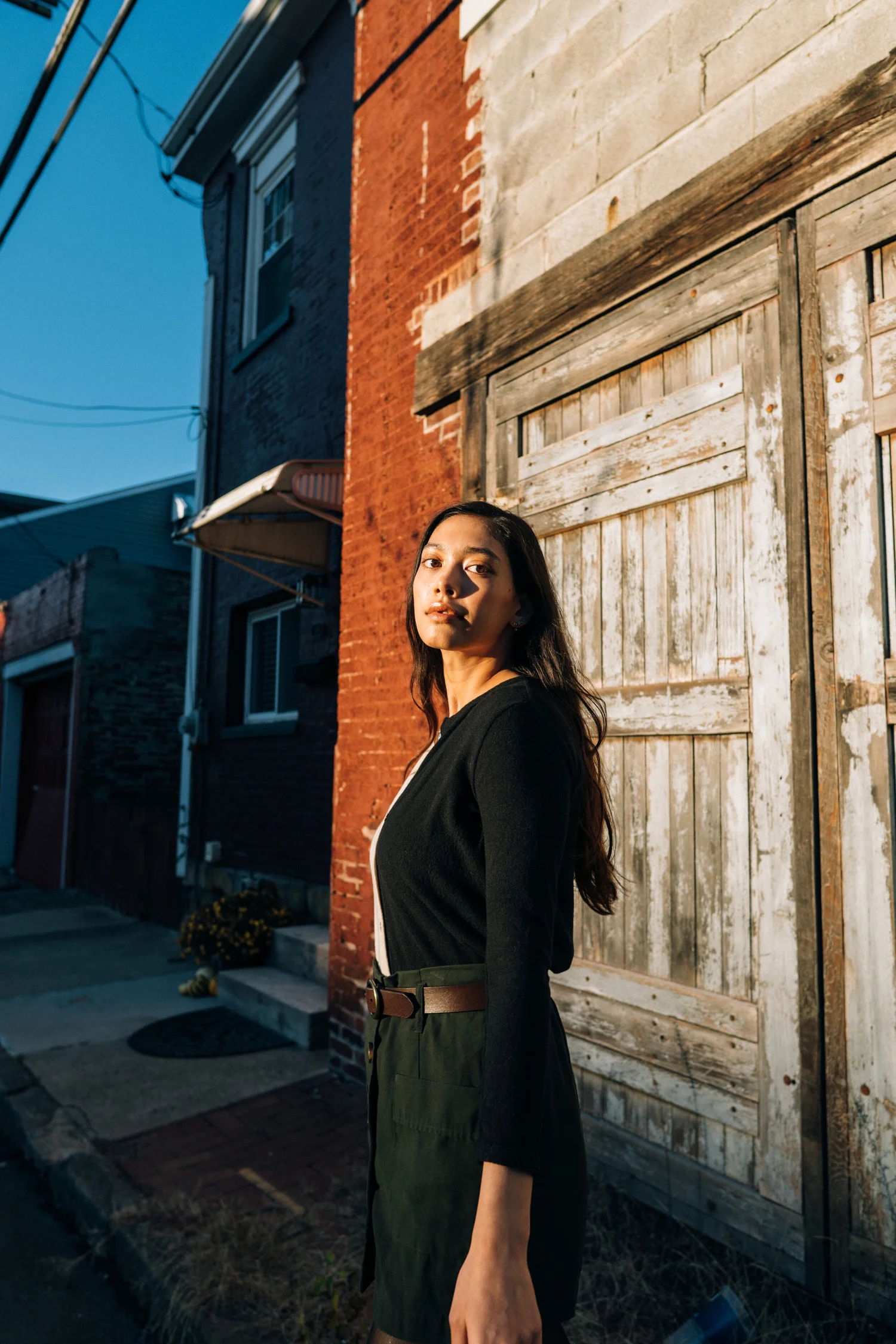
The doorway portrait uses directional light to define texture and shadow. Name that preference if it interests you; the outdoor timing guide explains the options. Share fixed commitments, and allow time for travel and grooming. Leave breathing room before a dinner or event rather than scheduling it against the final photograph.
Test complete outfits, then carry less
Test each complete outfit while sitting, walking, and raising your arms. Include shoes and outer layers. Anything that hurts or needs constant adjustment will keep asking for attention.
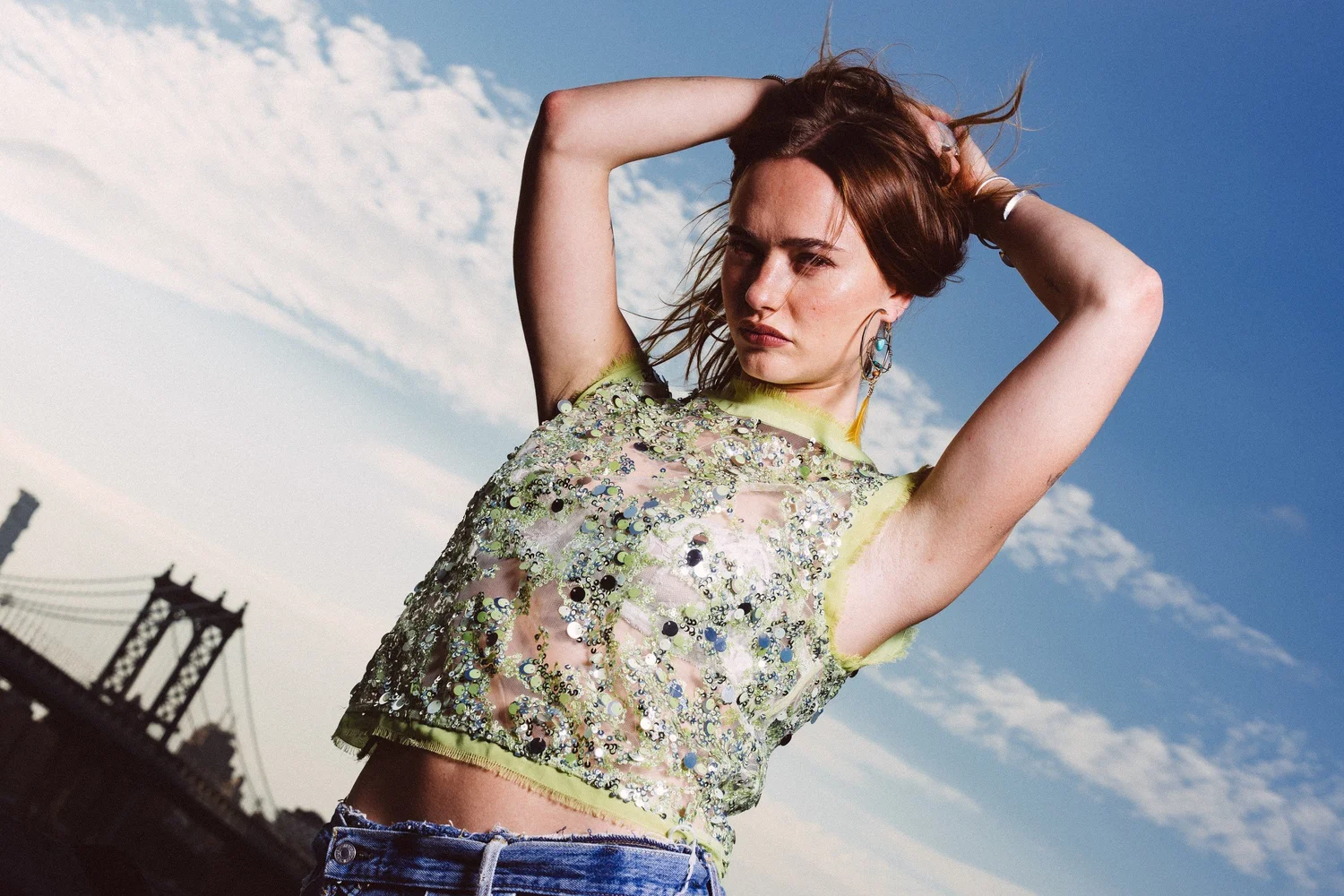
Johnny’s raised-arm portrait makes clothing part of the gesture. Prepare clothes that support the movement you want, including a familiar option if you are experimenting. A main look and a different layer may be enough. Discuss changing space beforehand; the portrait clothing guide helps narrow your choices.
Make a weather plan you can actually use
Name a real weather alternative: an approved interior, a shorter route, or another arrangement agreed for your session. Confirm booking terms directly rather than assuming a general guide describes them.
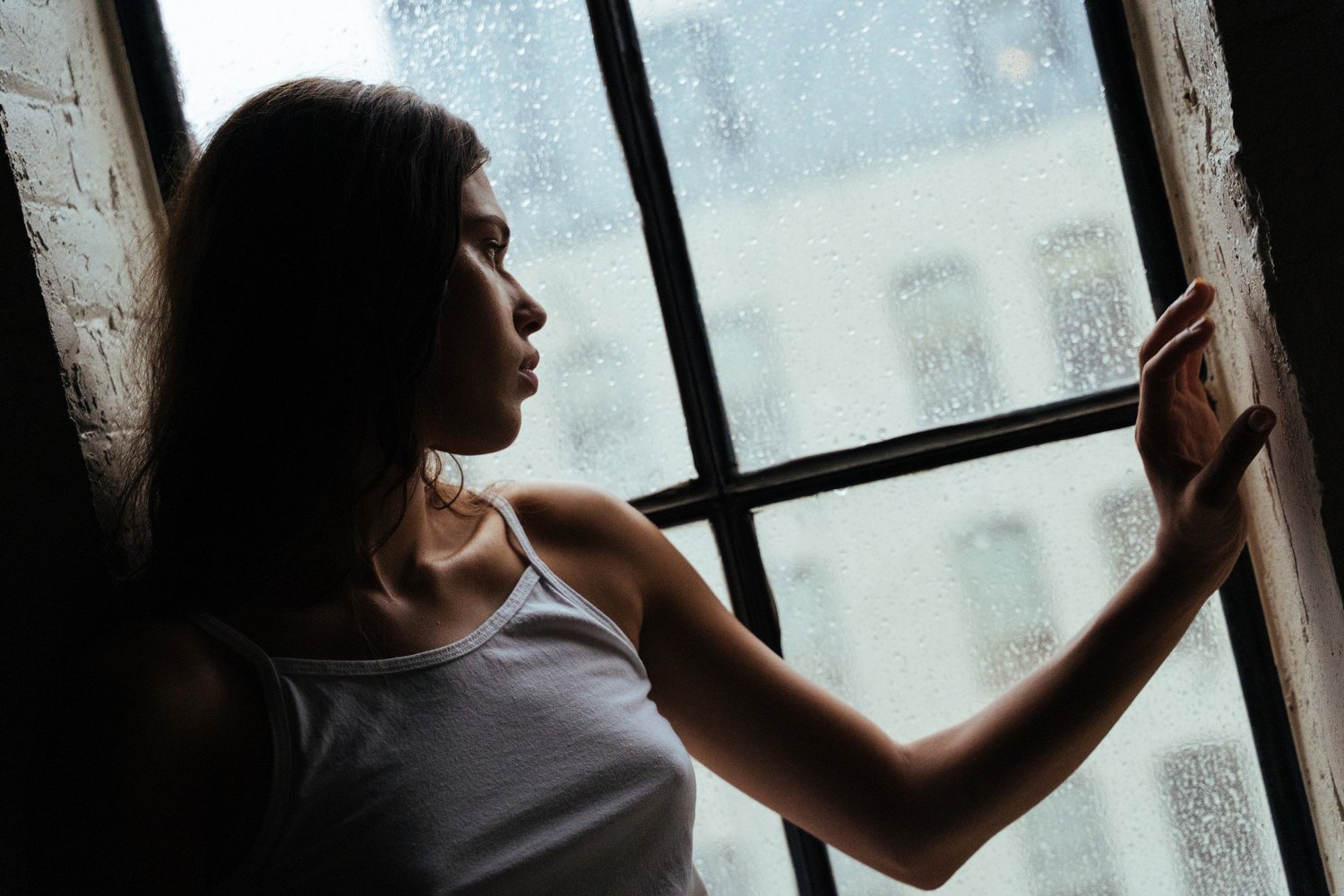
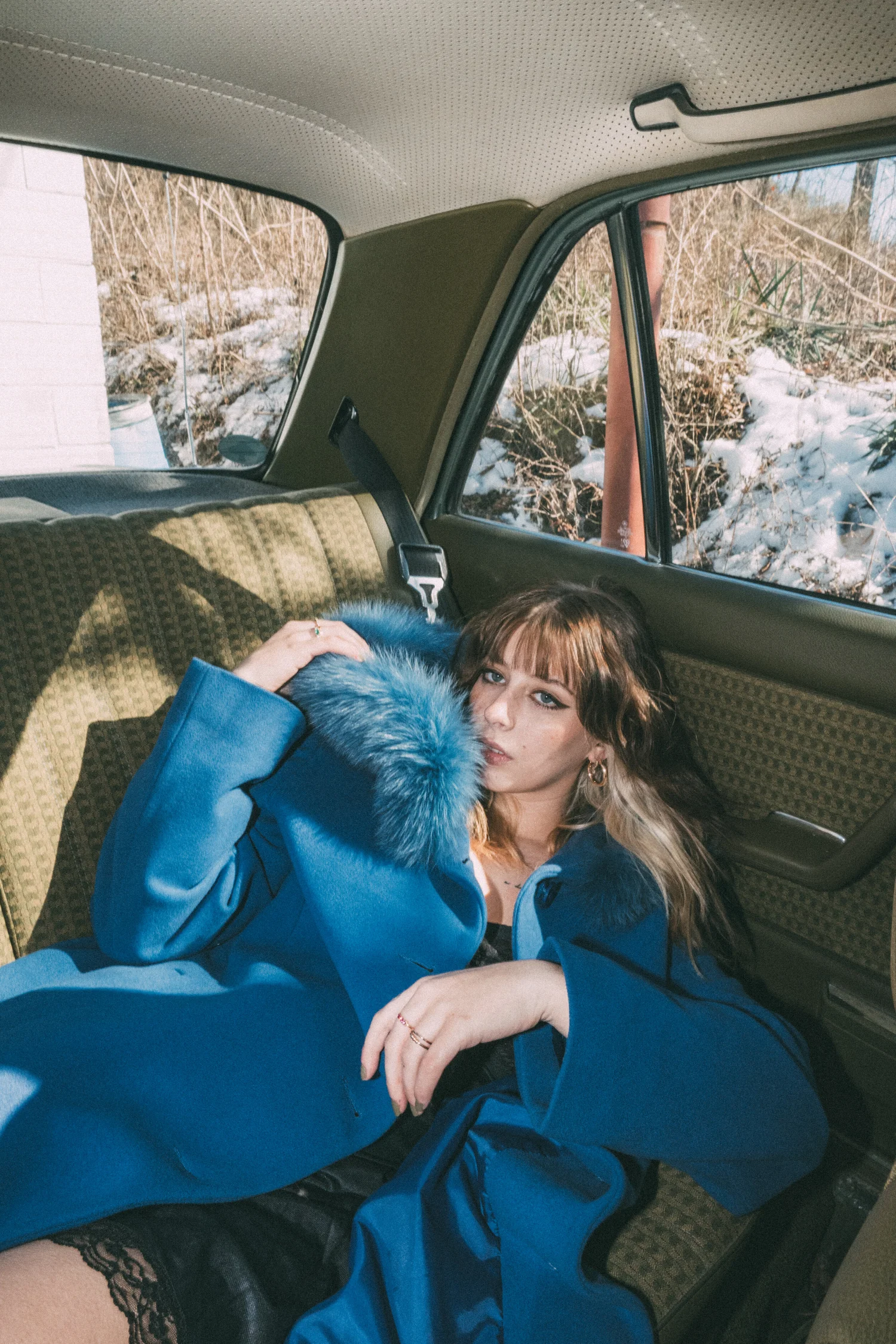
Tara’s window photograph shows an indoor option with its own visual purpose. Read the rain guide for planning questions. The summer guide covers heat and pacing; the winter guide covers layers and time outdoors. A coat can belong in the finished picture. Recheck the forecast and preparation near the date.
Resolve the small logistics before you arrive
Agree on a precise meeting point and keep contact details accessible. Check travel conditions before leaving and allow for transfers, stairs, or finding an entrance. Share mobility needs or limits on walking.
Carry belongings in a manageable bag and discuss where they will sit during photographs. Bring useful layers and water. Give grooming its own preparation time. You do not need to change your whole appearance at once; something familiar can provide an anchor while you try a new photographic direction.
Arrive ready to participate, not perform
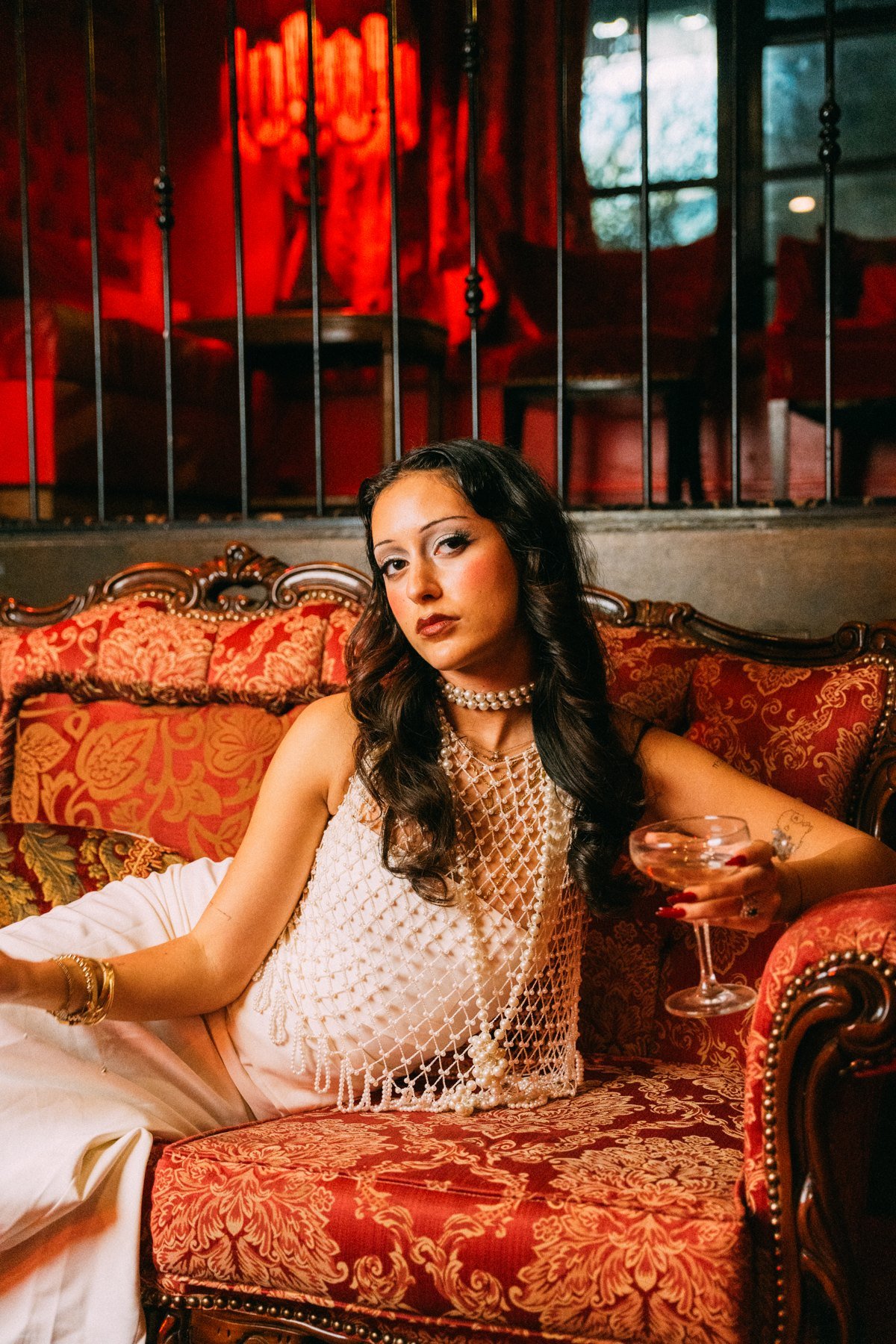
You do not need memorized poses. A seat, short walk, or small gesture gives us a starting point. Eden’s sofa portrait lets posture and the room give the composition structure.
Tell me when direction feels uncomfortable or you want a quieter expression. We can reset instead of holding a rigid pose. The comfortable portrait guide explains practical approaches. Keep room for the session to develop: references clarify your interests, while priorities and feedback help us respond to what is working.
Discuss delivery before it becomes urgent
Share deadlines early and discuss selection, editing, finished-image scope, expected delivery, and intended use before booking. Explain any required crops while we can plan for them.
Choose useful differences afterward. Marley’s full-length photograph and Olenka’s animated expression add different things to a set; several near-identical pictures may not. The final selection guide covers the review. For now, prepare your main purpose, a workable route and time, tested clothing, a weather decision, and a clear agreement about what follows.
Plan your NYC portrait session
Send your preferred date or range, intended image uses and two or three references. Include a deadline, location access or questions about clothing. You do not need a finished concept to begin a useful planning conversation.
Ask about your portrait session · Explore NYC portrait sessions
Continue planning with choosing outfits for your portrait session.