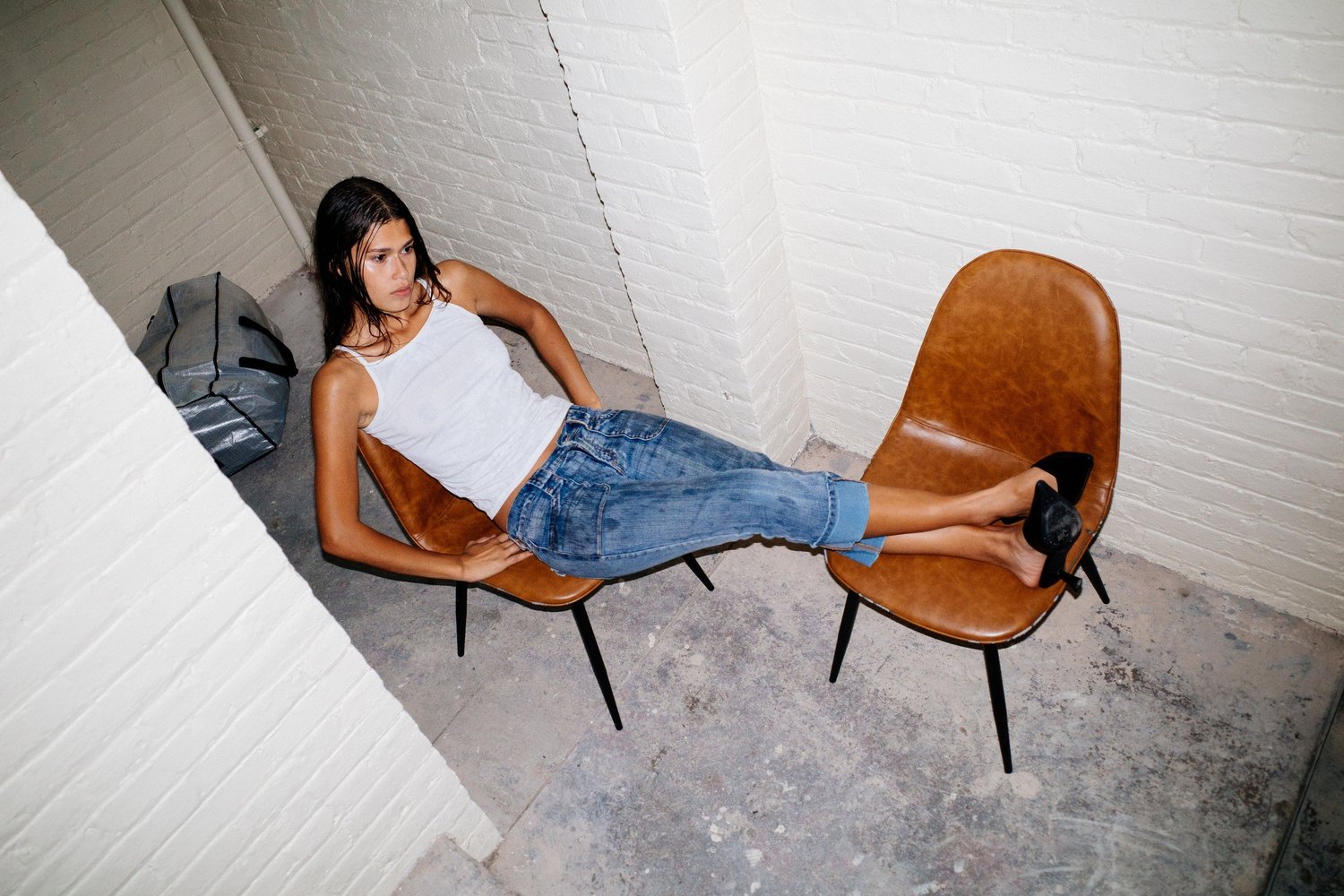
What Happens If It Rains on Your NYC Photoshoot Day?
A useful rain plan starts before the forecast. Decide what matters most: the outdoor setting, a dry session, or keeping the date.
Start with three questions:
- Is the outdoor setting essential? A window-lit portrait cannot replace a photograph of a particular skyline.
- Do we have a real indoor option? Confirm permission, access, and enough space before counting on it.
- How flexible is the date? Share travel plans and fixed deadlines before we agree on a backup.
A light shower and unsafe conditions call for different decisions. We will discuss the forecast against your actual plan.
Separate the mood you want from the location
Start by asking what is essential to your session. If you mainly want expressive portraits, a window-lit interior might preserve the idea. If the photograph must show a particular skyline or outdoor setting, an indoor substitute may not solve the same problem.
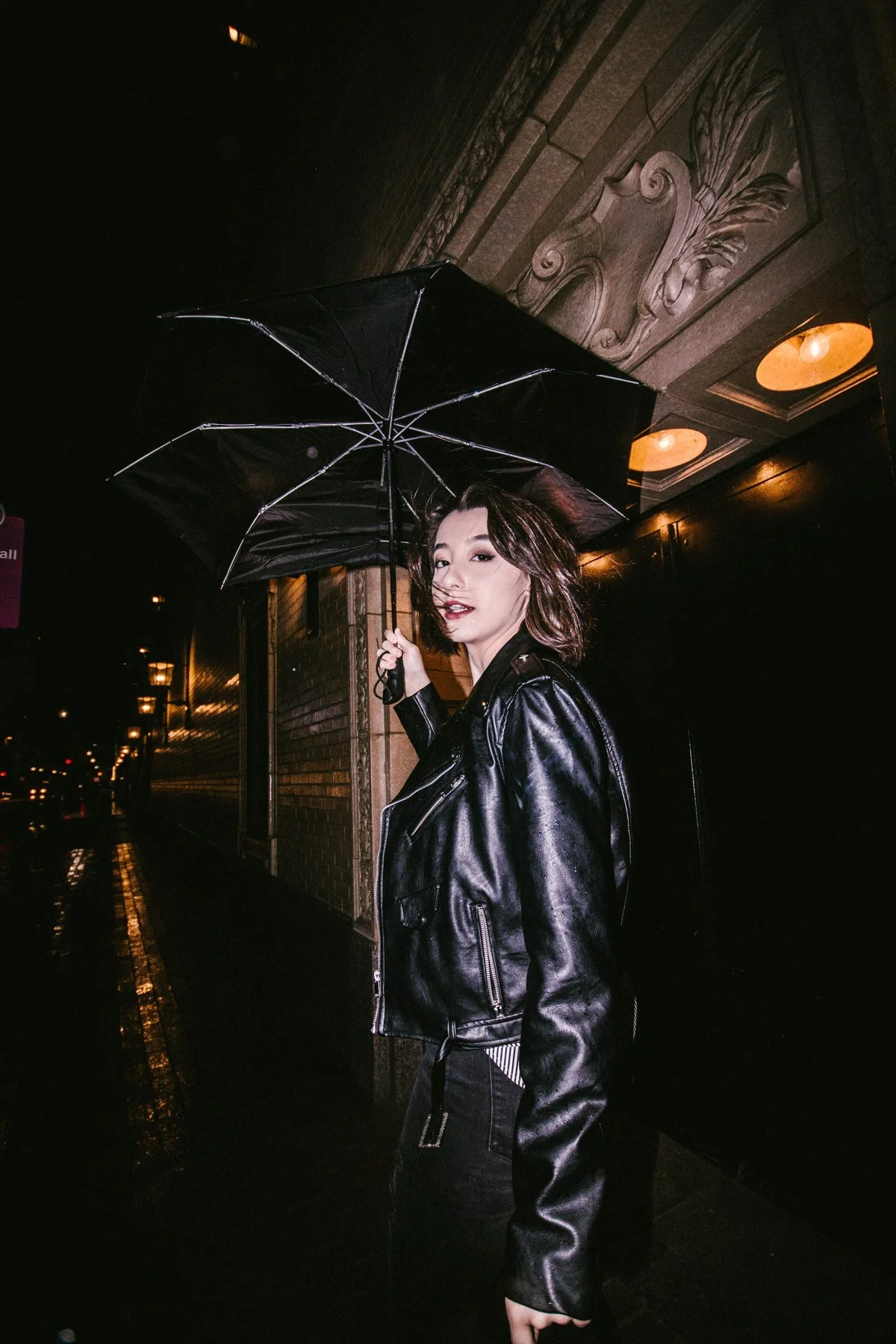
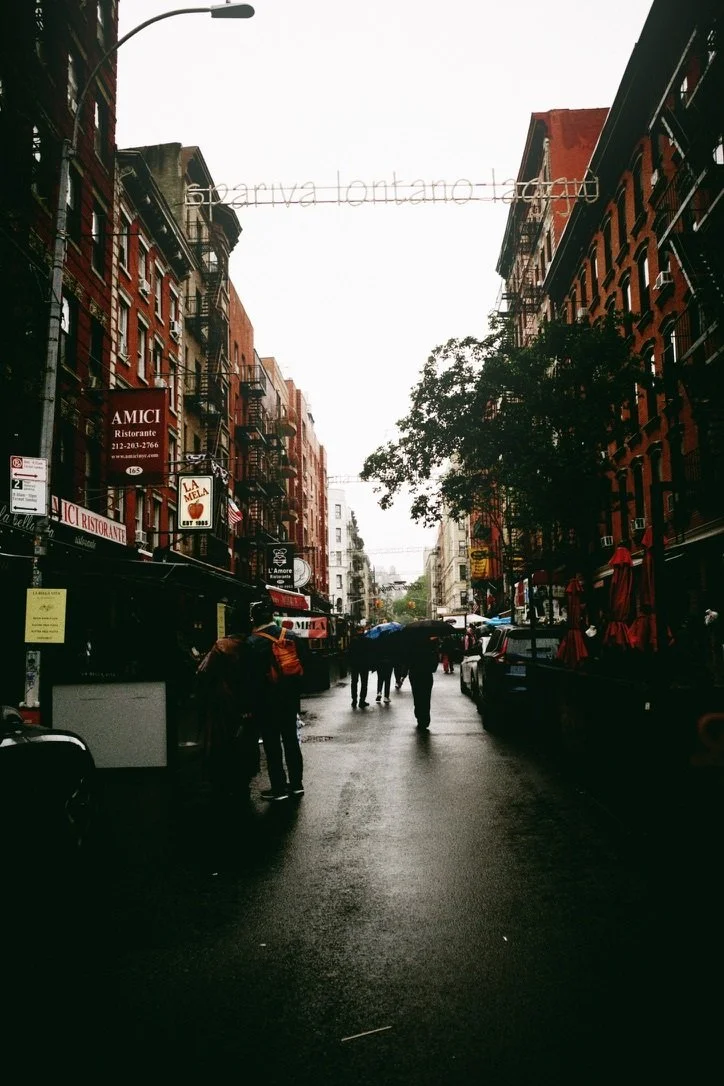
This distinction is worth discussing before booking. A person who loves wet pavement and umbrellas has a different brief from someone planning pristine formal clothing and a dry outdoor backdrop. Neither preference is wrong. Lauren’s umbrella portrait is useful for considering shape and wet surfaces. The portfolio examples here come from different sessions and places, illustrating rain, glass, and interior composition ideas; they do not establish that every session pictured was moved because of weather or made at the same location.
Agree on how weather decisions will be discussed
Ask when we will check in about the forecast and what information will guide the decision for your session. Share any fixed deadline, travel departure, venue reservation, or hair and makeup appointment that makes a change more complicated.
Check the rescheduling, cancellation, and payment terms in your booking agreement. If you are visiting NYC for a short stay, mention your departure date early so we can discuss realistic options.
Make the indoor alternative specific
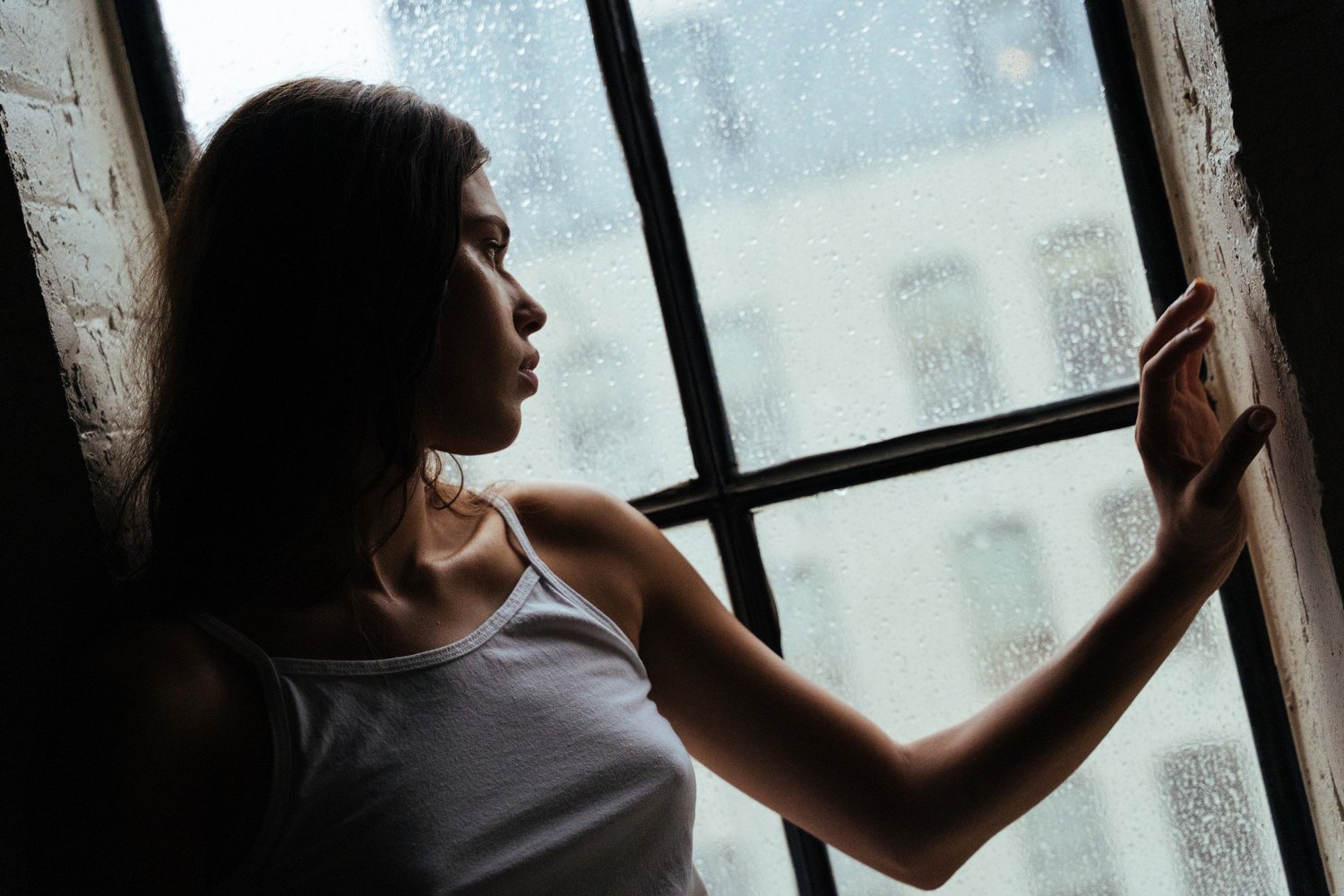
“We can go inside somewhere” is not yet a plan. Identify an interior where photography is allowed, who confirms access, and whether the space suits the number of people and the intended equipment. A café, lobby, shop, or residential common area may have its own expectations.
A good alternative should also support the visual idea. A bright window can produce a thoughtful portrait, but it will not look like a broad outdoor city scene. Send photographs of any private interior you can offer and explain the access arrangement. The studio versus location portrait guide can help you compare the degree of control each option provides.
Make the rainy window part of the portrait
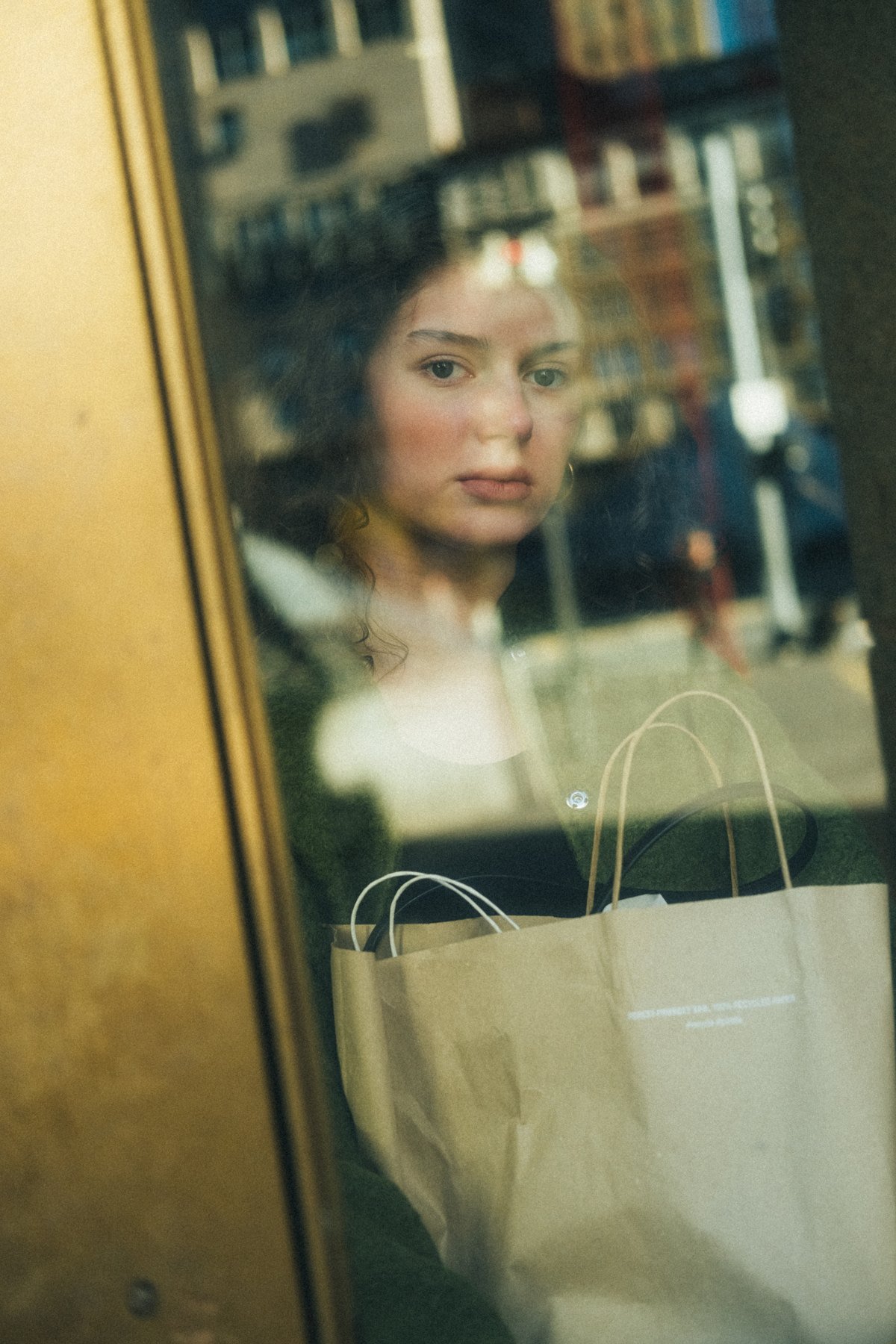
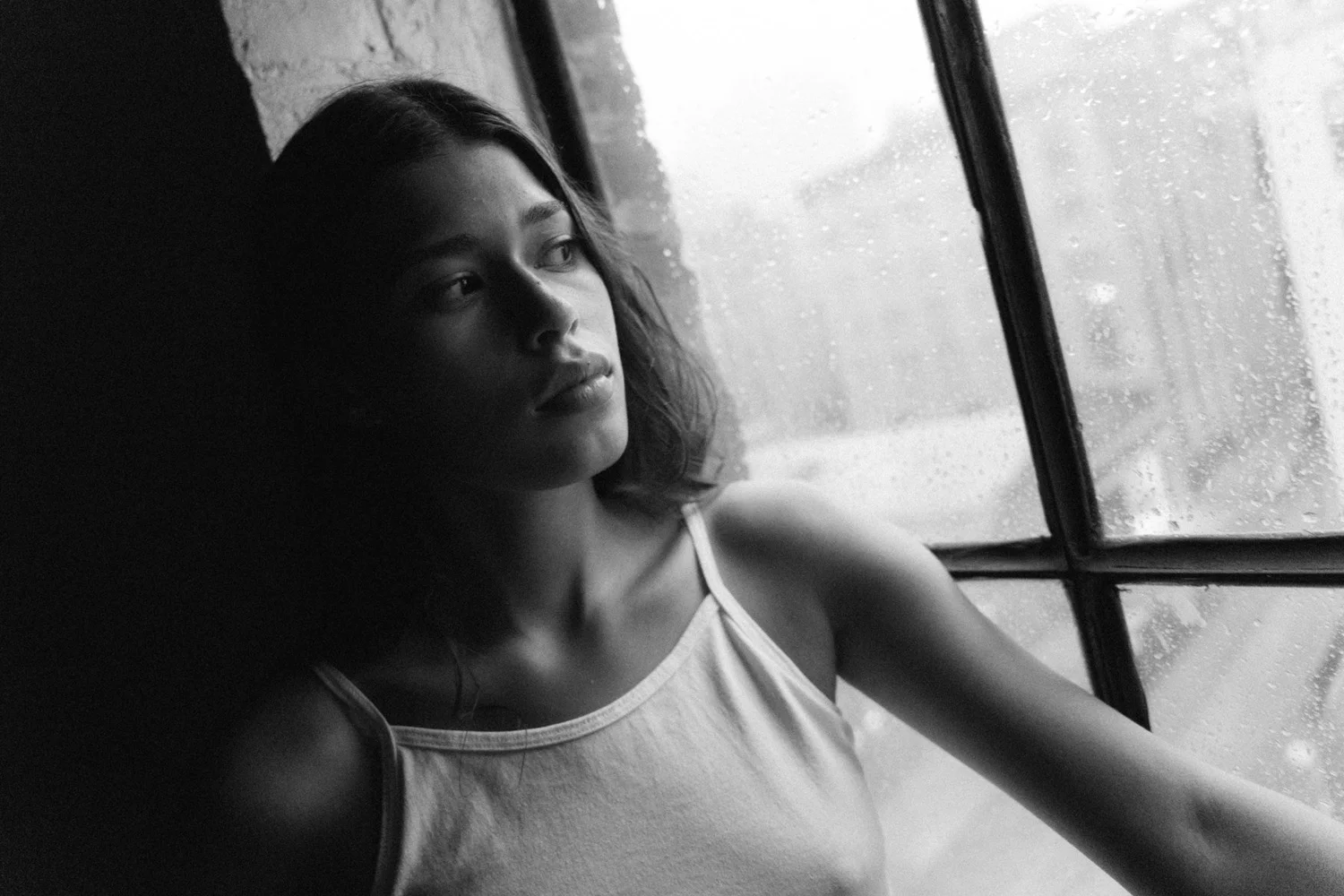
In this portrait of Tara, the droplets stay visible while the window lights one side of her face. The darker side keeps the picture quiet, and the glass gives the rain a place in the frame without obscuring her expression.
For a rainy-day session, we can look for a similar balance in a space where we have permission to photograph. A close portrait makes the face the priority; stepping back can include more of the window and the room. The useful choice is how much of the rainy atmosphere you want to keep.
Decide whether getting a little wet fits the brief
Some people like rain as part of the photographs; others would rather keep the session dry. Discuss that honestly. Clothing, hair, makeup, and footwear may all change once they are wet, and the effect should be something you want rather than a surprise you feel pressured to accept.
If a rain-oriented concept is appropriate, keep the route short and plan somewhere suitable to regroup. An umbrella changes the composition and may shade the face, so choose it as part of the picture rather than treating it as invisible. Bring a dry layer and practical shoes if useful. Any outdoor plan still depends on conditions being suitable on the day.
Use the light and reflections intentionally
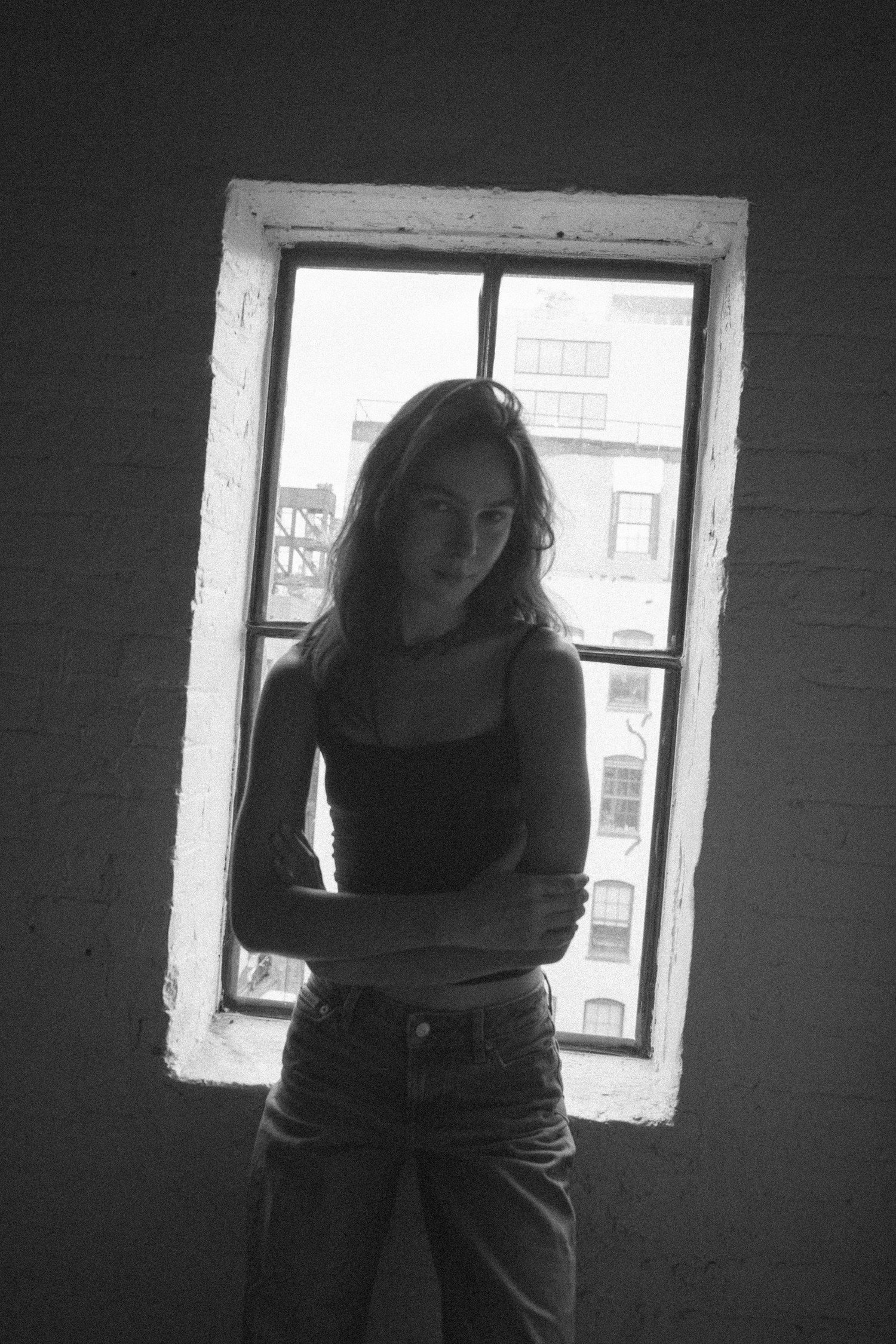
Overcast light can soften the contrast across a face, while wet surfaces can bring bright reflections into the background. Glass may add another layer of color or a partial view of the person. These effects can be expressive, but they do not automatically improve every portrait.
Tara's profile beside the wet window works because the face and hand remain easy to read. Olenka's reflection portrait asks the viewer to notice both the person and the surface. If you prefer a clear, uncluttered headshot, those visual layers may not fit your intended use. The editorial portrait ideas guide offers ways to decide how much atmosphere belongs in your photographs.


Pack for the chosen plan, not every possible scenario
Once the direction is agreed, keep preparation simple. Protect anything that must stay dry, avoid bringing more outfit options than you can manage, and leave extra travel time if the conditions affect your route. Share changes to access or timing promptly rather than waiting until everyone has arrived.
When you inquire, tell me whether the outdoor setting is essential, whether you have a usable interior, and how flexible your date is. We can then discuss a session plan that reflects those facts. Rain should not force a last-minute choice between pretending nothing changed and abandoning the visual idea; preparation gives us a more useful conversation.