At-Home Portrait Sessions in NYC: Making Your Space Work
You don’t need a perfect apartment to make personal photographs. See my portrait work and session options. When you inquire, tell me about your space, its light, and what you’d like the photographs to feel like.
An at-home portrait session can feel personal because the setting already belongs to your life. For a NYC apartment, the starting point is usually a few workable corners and good communication about light, space, and privacy—not a complete redesign of the room.
Show me the space as it actually is
Send a few phone photographs and a short note:
- A wide view of each room you are considering, including its windows.
- The floor space around the windows and the opposite side of the room.
- When direct sun reaches the space, if you know; photographs at two possible session times can help.
- Which furniture can move and which areas should stay private.
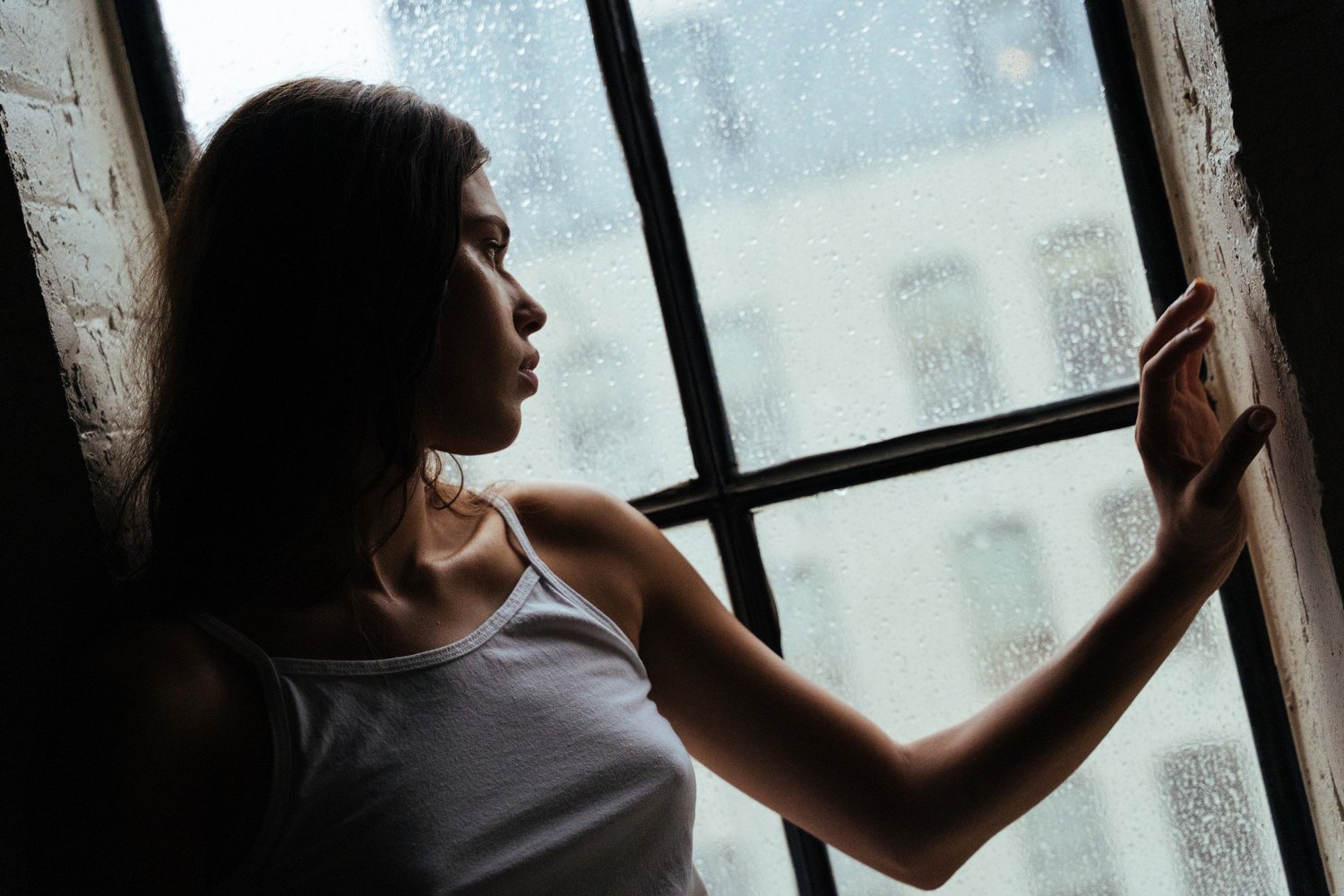
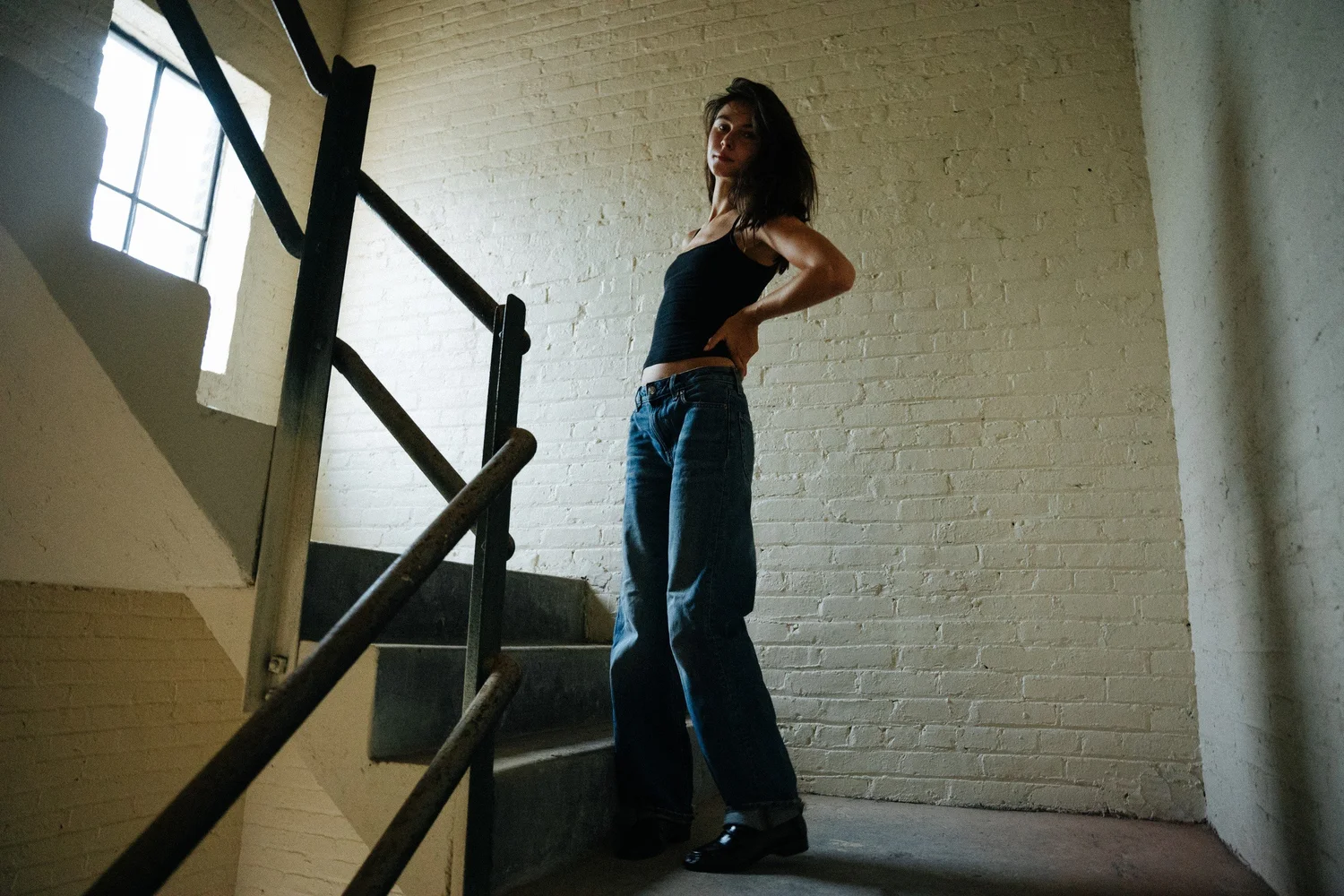
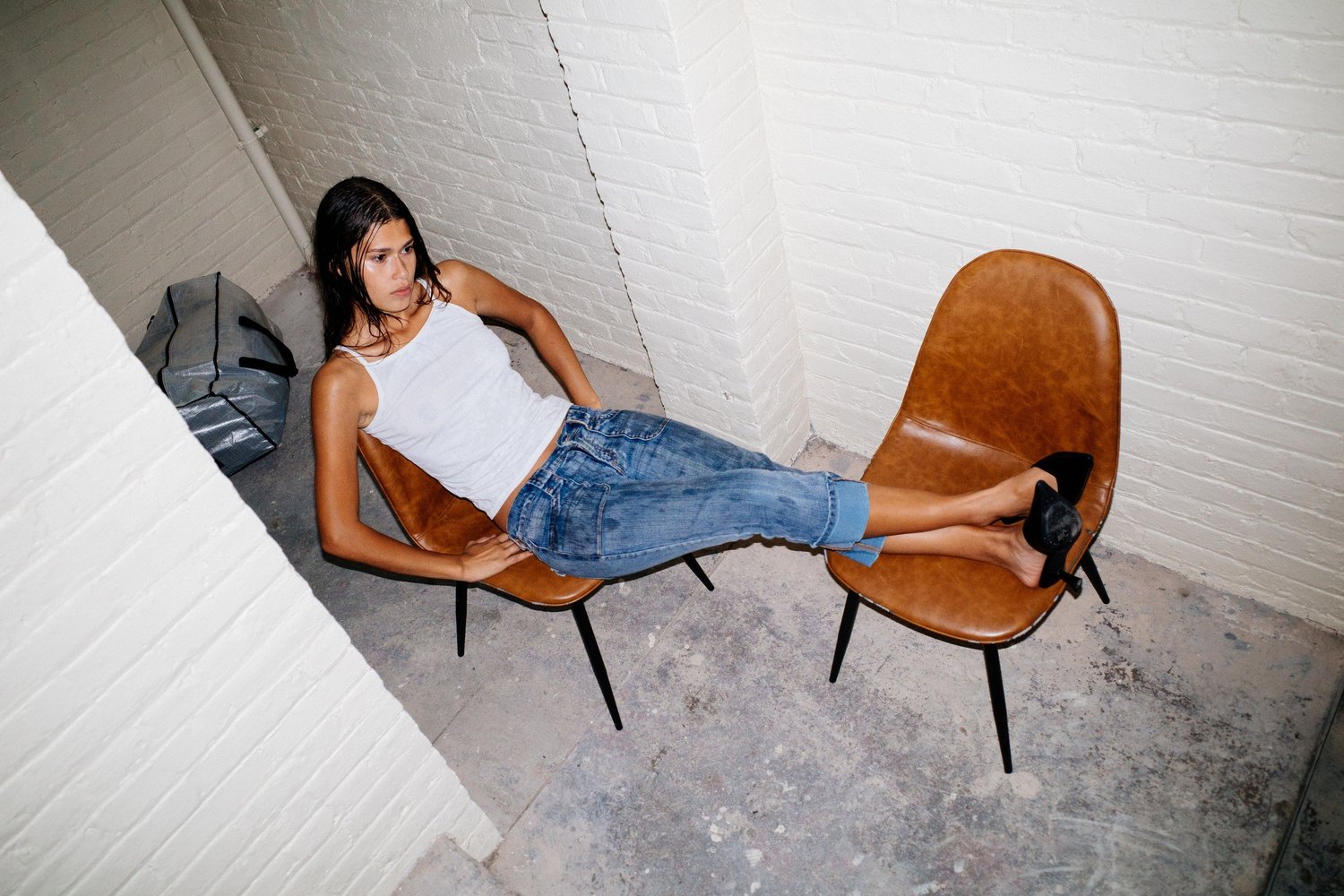
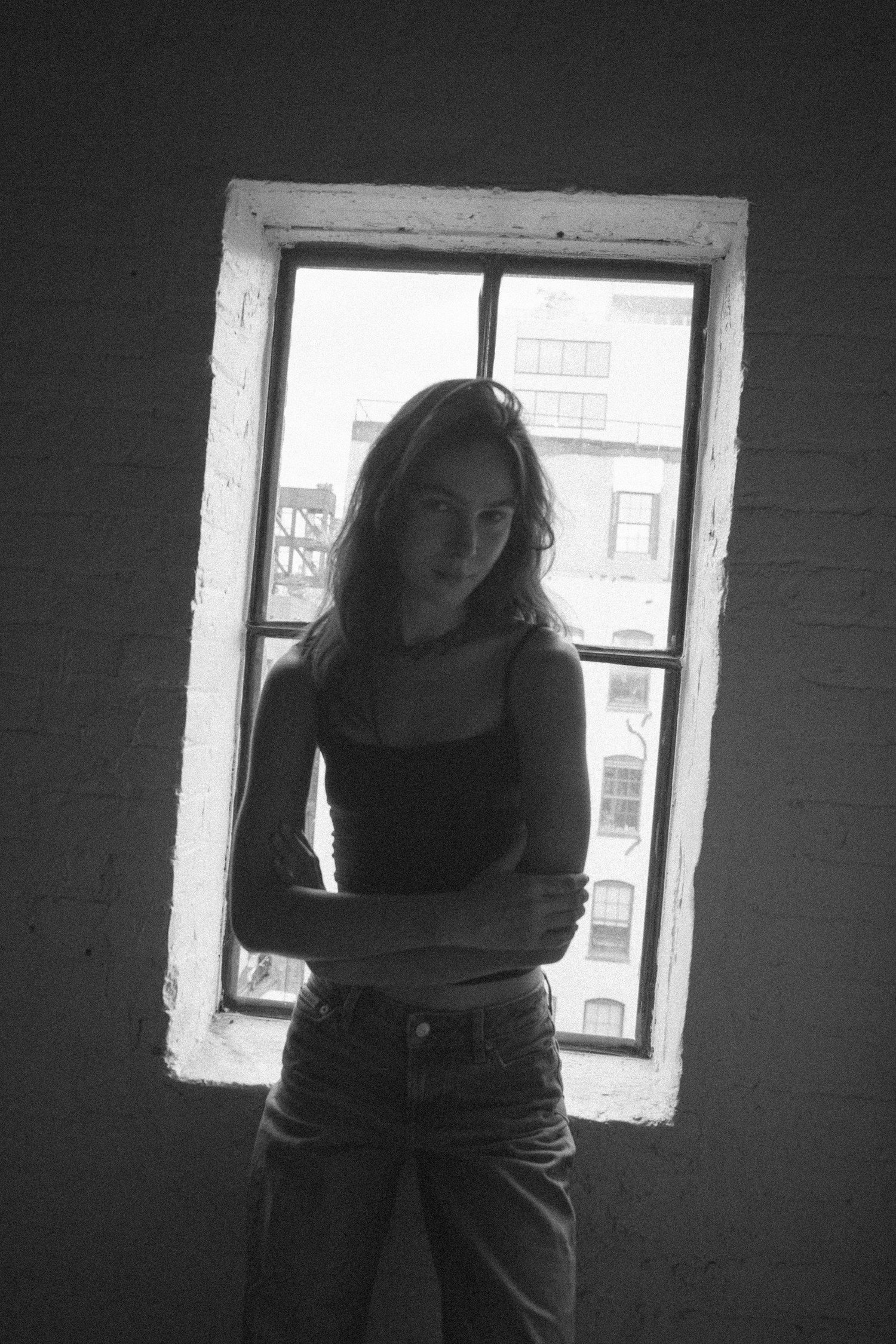
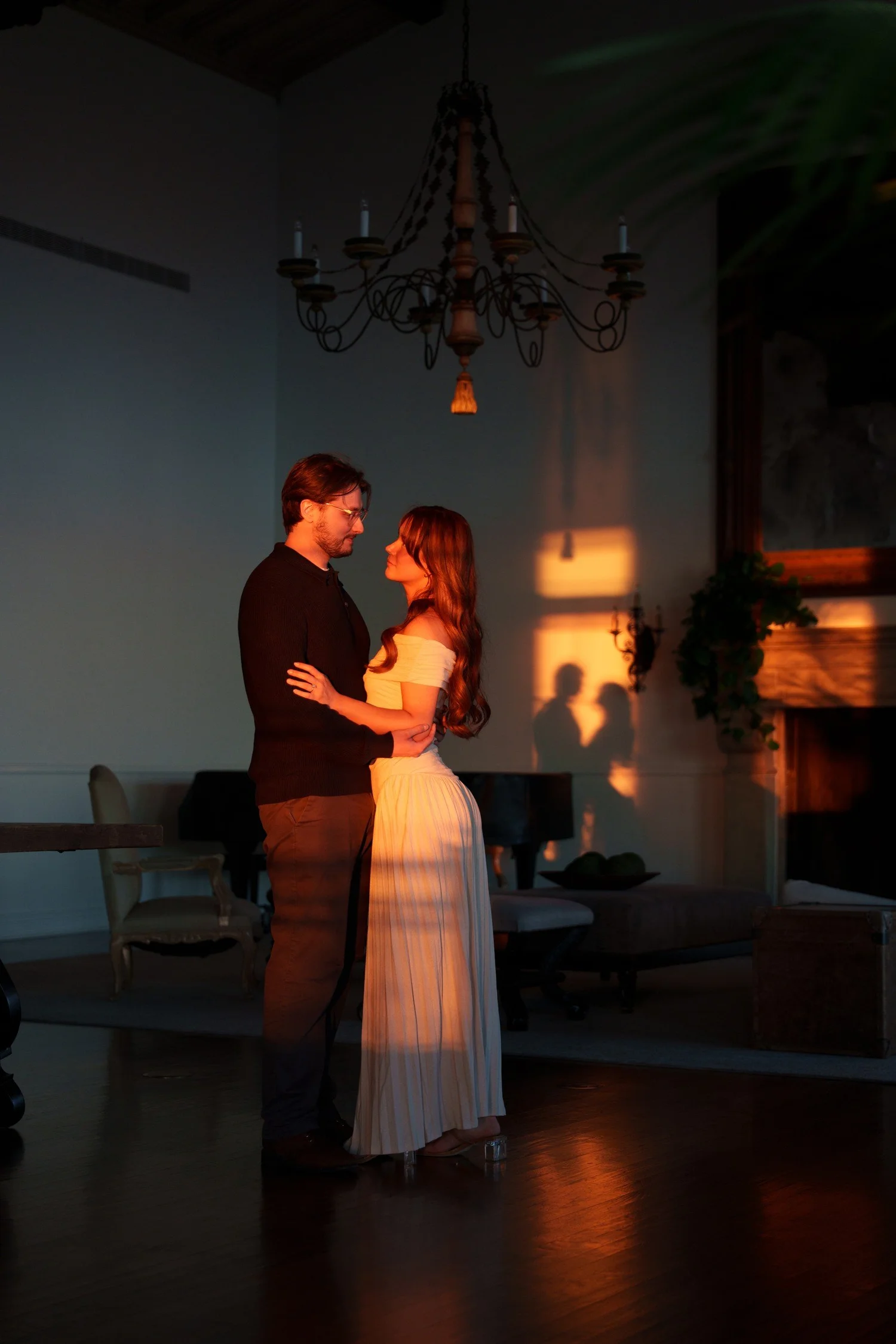
There is no need to apologize for a lived-in apartment. The photographs below are interior portfolio references showing how windows, chairs, and small areas support a portrait; they are not presented as clients’ homes.
Pick two or three usable areas
You do not need to make every room part of the session. A chair beside a window, a plain section of wall, and a more personal corner may give us enough variation. Choosing fewer areas also keeps cleaning and rearranging manageable.
Look at each corner from the direction a camera might face. A lamp cable, bright packaging, or a reflective screen can draw attention without adding meaning. Move the distracting things that are easy to move, and keep objects that belong to the story you want to tell. A favorite book, instrument, or familiar piece of furniture can feel more convincing than props bought only for the photographs.
Match the schedule to the light you want
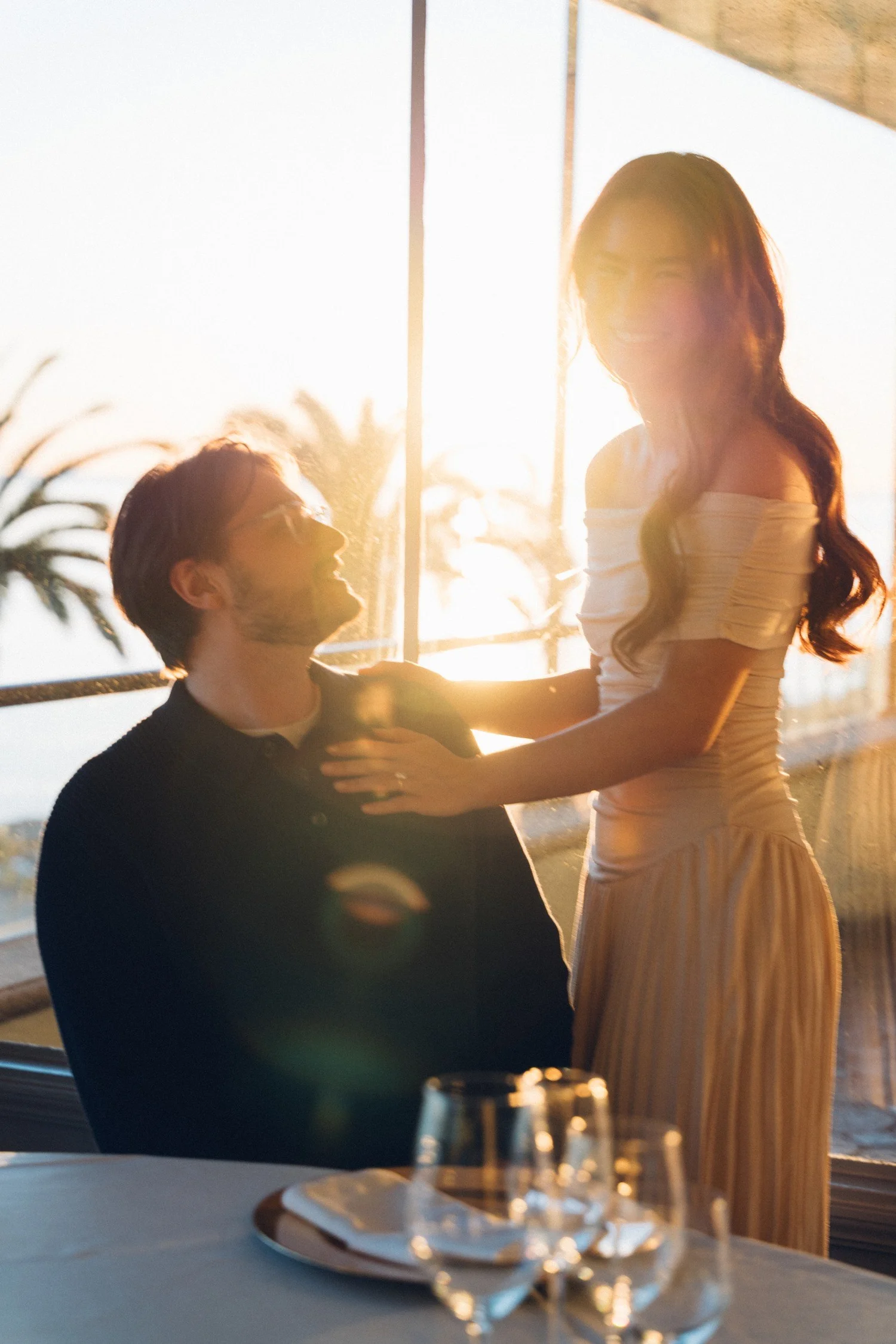
A room can look completely different in morning light and late afternoon. If you like soft window portraits, direct sun may need a different position or some diffusion. If you like strong shapes on the wall, the time when sunlight reaches that wall becomes important.
Photograph the same corner at a couple of possible times if scheduling allows. That is more useful than assuming any large window will work identically all day. The outdoor portrait timing guide explains changes in light direction; indoors, the windows and neighboring buildings determine which of those changes actually reach the room. We can use those observations to choose a sensible plan.
Decide what feels private before we start
An at-home session can include personal surroundings without revealing everything. Think about photographs of family members, paperwork, screens, views that identify the address, or objects you would rather keep out of frame. Let me know which rooms are off-limits and whether other people will be present.
If the apartment is shared, agree on the plan with the other residents. Arrange access and any building requirements ahead of time, including elevator use if relevant. Privacy decisions are easier before photography begins, when you have time to look around calmly. They also let us concentrate on expression rather than noticing something sensitive in the background afterward.
Choose clothes and activities that fit the setting
At home does not have to mean sleepwear or a deliberately casual mood. A dressed-up portrait can work beautifully in an everyday room. What matters is whether the contrast feels intentional and whether you can sit, stand, and move comfortably in the clothes.
An activity can be useful if it is genuinely yours: reading, working on music, arranging something you made, or sharing a quiet conversation. You do not need to manufacture a busy morning routine for the camera. The guide to looking natural in photographs explains why a small action or point of attention can help more than memorizing poses.
Plan variety through distance and gesture
A wider photograph can establish the room, a medium frame can show posture, and a close portrait can focus on expression. That sequence creates variety without changing the entire setup. The same window may support a standing frame, a seated frame, and a quieter profile.
When you inquire, share the intended use of the portraits, a few room photographs, your preferred level of formality, and anything that needs to stay private. If the space does not support the mood you want, we can discuss other options before committing to it. The studio versus location guide is useful for comparing that choice. A successful home session uses the space honestly and gives you room to feel at ease within it.