
What to wear for a portrait session—and what to leave at home

The short answer

Choose one look that already feels like you, add a little more color or texture than usual, and bring one backup option with a different silhouette.

Start with the feeling, not the outfit

Before choosing clothes, decide what the portraits should feel like. Relaxed and intimate calls for a different wardrobe than sharp and editorial. A clear mood makes every later choice—color, fabric, location, and styling—easier.

If you are collecting references, look for the quality you like rather than copying an outfit exactly. Notice whether you are responding to softness, contrast, movement, simplicity, or a particular color relationship.

Choose clothes you can move in

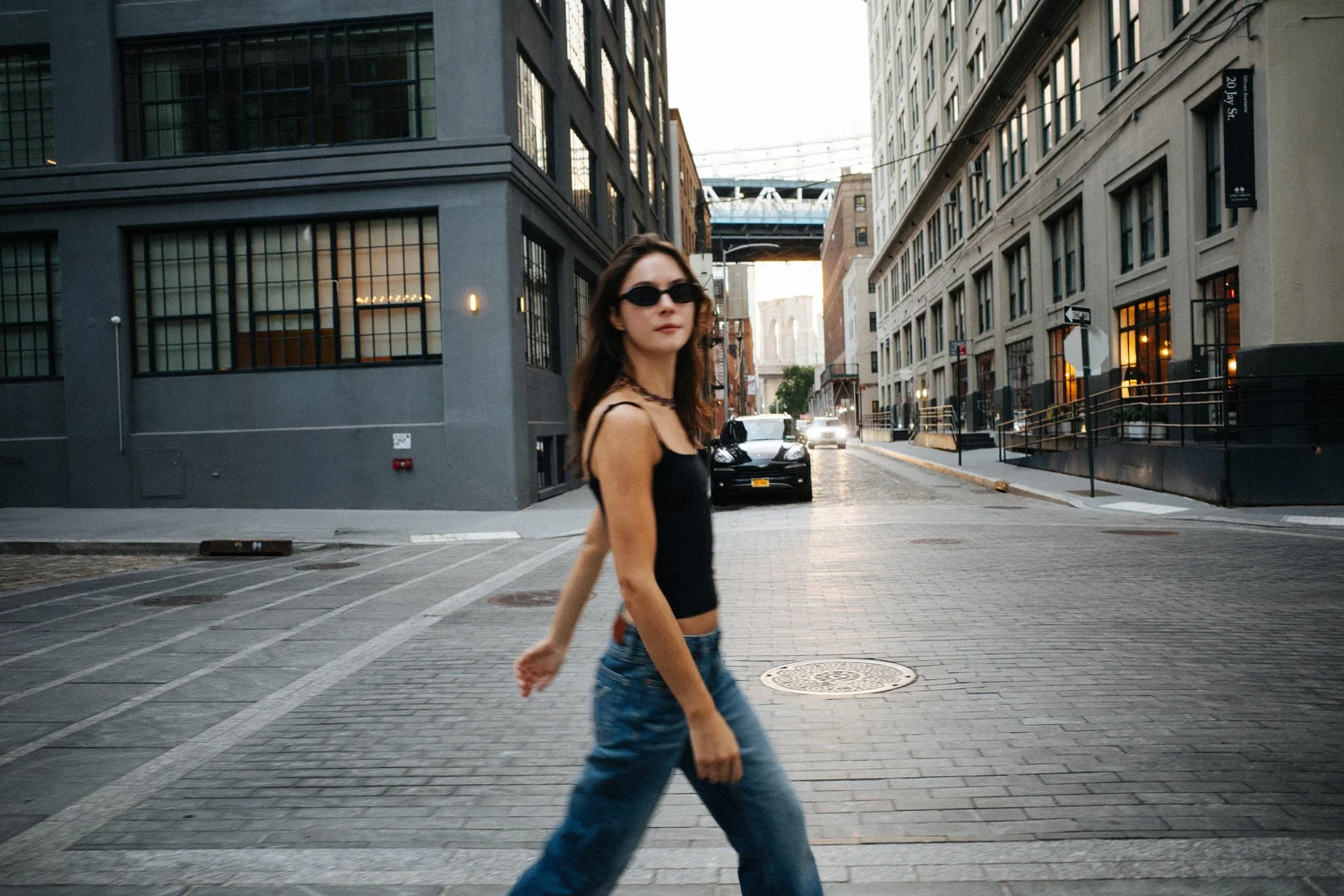
A portrait session rarely involves standing perfectly still. You may sit, walk, lean, turn, or change posture quickly. Clothing that only works from one angle can make you self-conscious, while clothing you trust gives the photographs more room to breathe.

  • Try the outfit while sitting as well as standing.
  • Check that layers stay where you want them.
  • Wear shoes you can comfortably move in, or bring a second pair.

Use color and texture intentionally

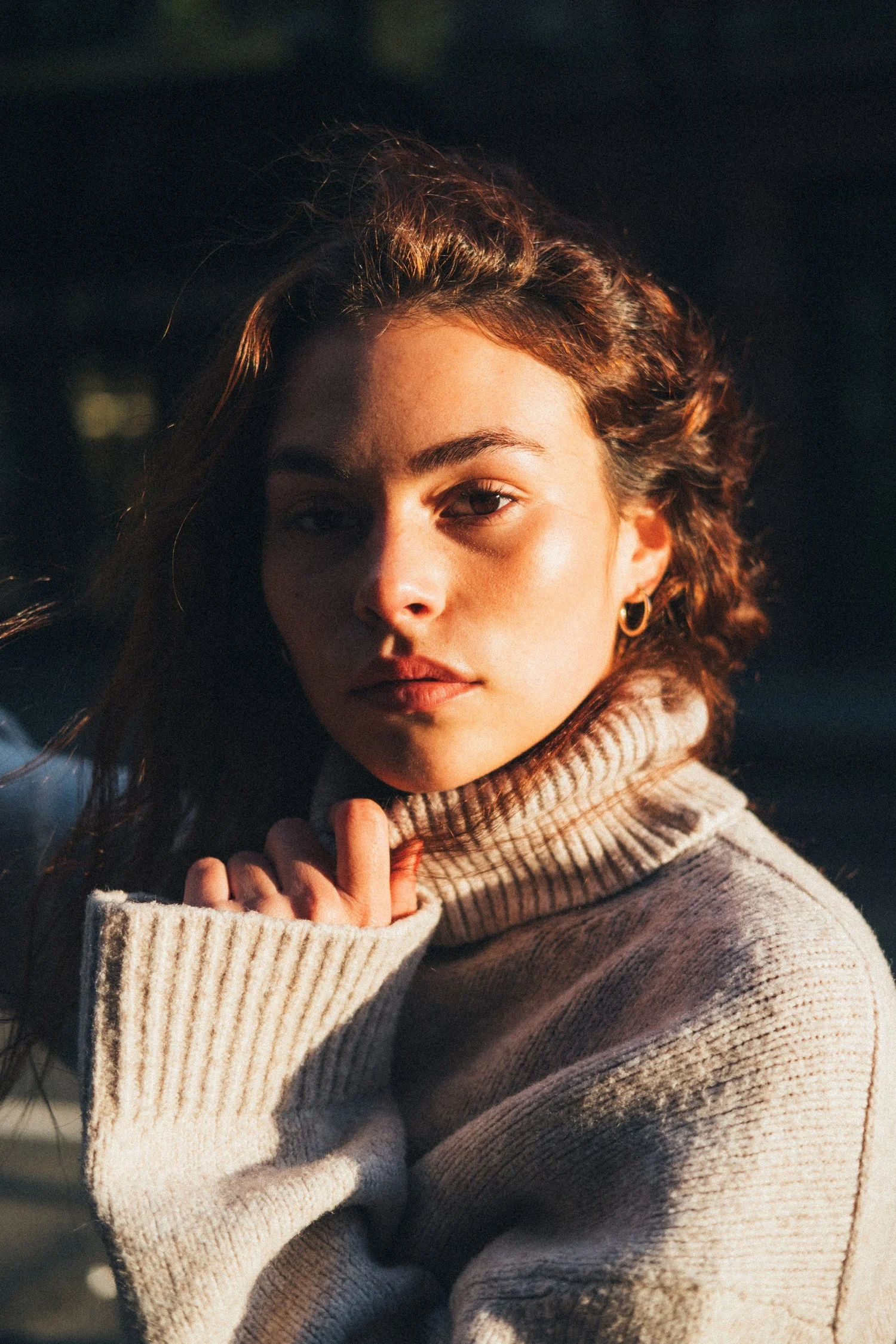
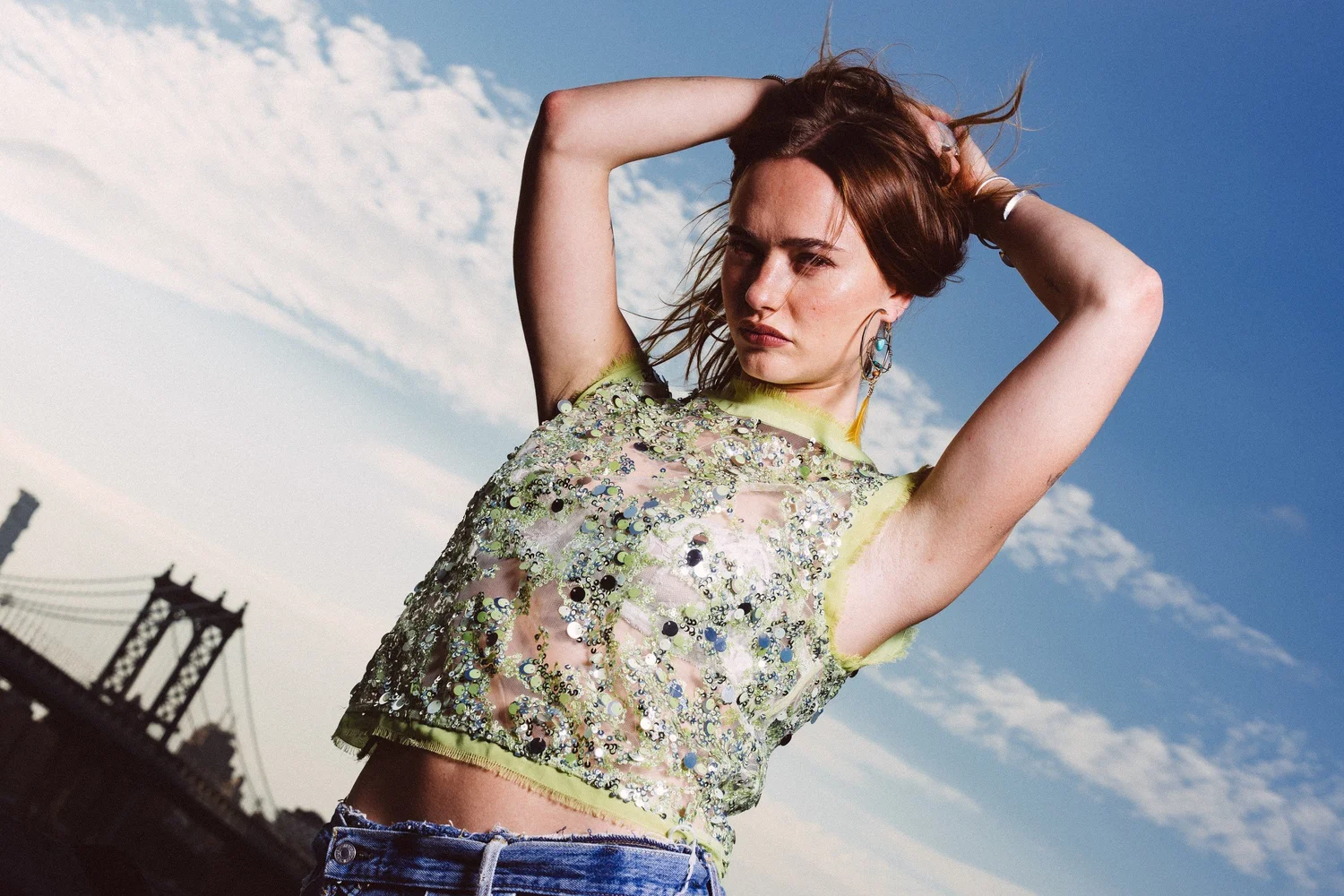
Solid colors are dependable, but they are not the only option. Knitwear, denim, leather, sheer layers, structured jackets, and subtle patterns can all add depth. Tiny high-contrast patterns sometimes create visual noise on camera, so bring an alternative if a pattern is central to the look.

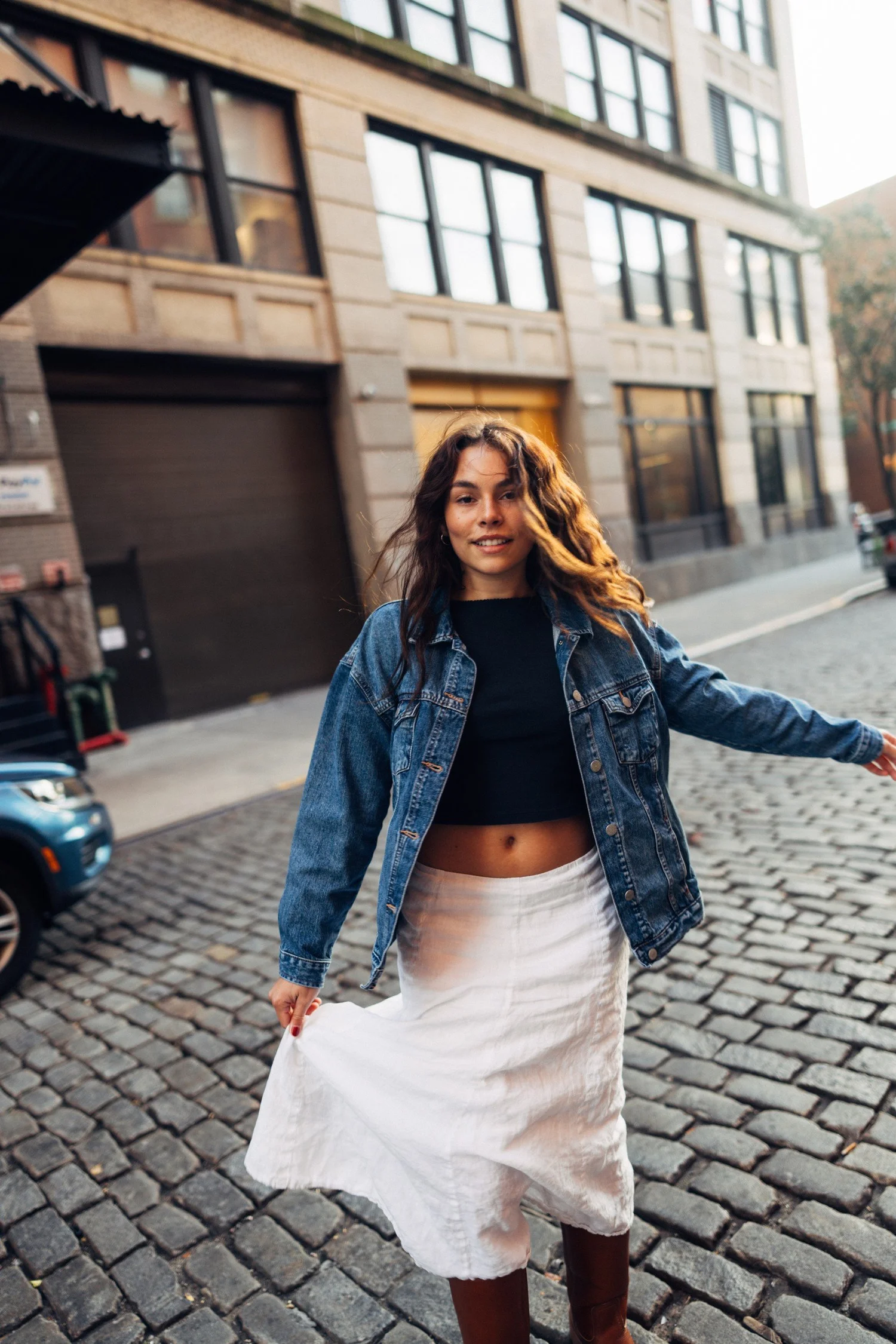
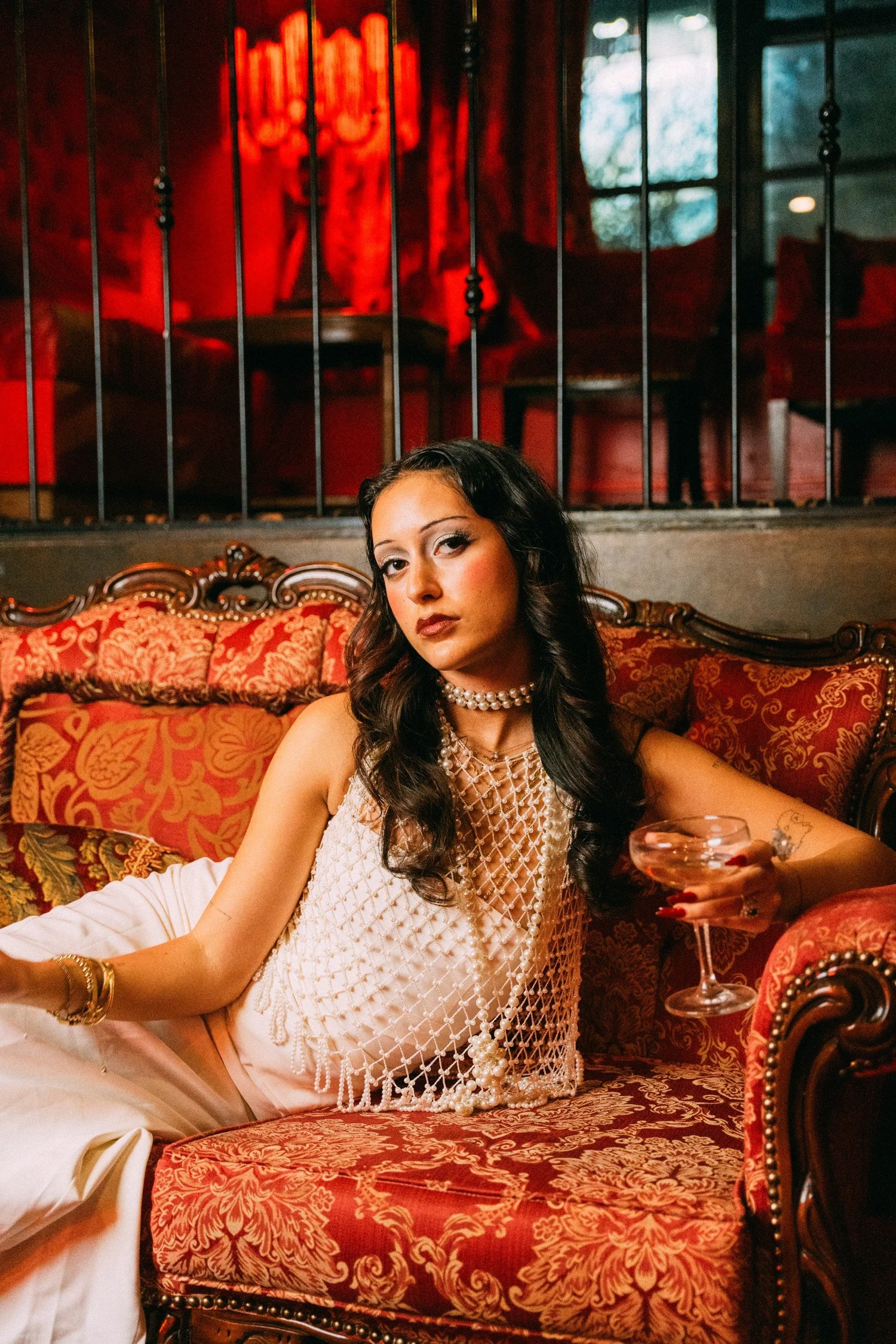
Instead of trying to match the location perfectly, aim for either harmony or deliberate contrast. A warm red against a cool city background can be more memorable than blending in completely.

Bring options, not your whole closet

Two or three considered choices are usually more useful than a suitcase of possibilities. A strong set might include one familiar look, one bolder option, and a layer or accessory that can change the shape of either outfit.

Photograph the options on your phone beforehand. Seeing them side by side makes it easier to spot repetition and gives you something concrete to discuss with the photographer.

Keep the finishing details simple

Wrinkle-prone clothing should be transported carefully. Check lint, tags, and loose threads before leaving home. If hair or makeup is part of the session, consider how it works with every planned neckline and layer.

Dress for the final use, not only the full-length mirror

A headshot may show only the neckline and shoulders, while an editorial portrait can depend on the complete silhouette. If most images will be cropped closely, prioritize collars, color near the face, jewelry, and the way fabric sits across the shoulders. If the session includes full-body frames, shoes, trouser length, and how the outfit moves become equally important.

Think about where text or graphics may sit, too. A brand portrait intended for a website header may benefit from a cleaner shape and more restrained pattern than a photograph designed to stand alone in a portfolio.

What to avoid—unless it is completely intentional

  • Clothes that need constant pulling, smoothing, or checking.
  • Logos that turn the portrait into an accidental advertisement.
  • Tiny, high-contrast patterns without a backup option.
  • Pure white pieces that are sheer under strong light.
  • Fresh shoes that hurt before the session begins.
  • A new haircut, cosmetic treatment, or makeup style you have not lived with.

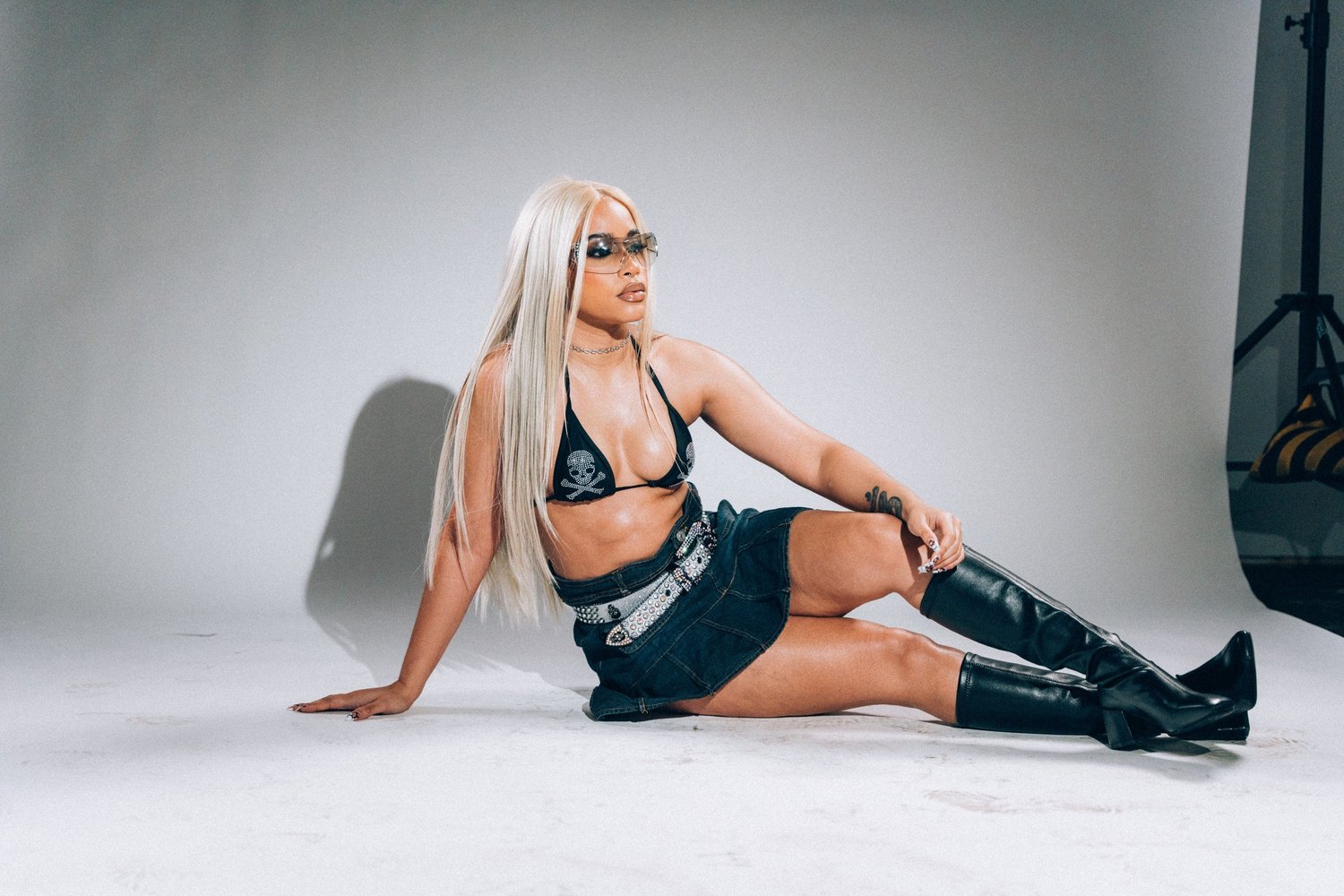
These are not universal bans. A logo, sheer layer, or aggressive pattern can be exactly right for a fashion-led image. The question is whether it serves the concept or simply arrived without being considered.

Plan around comfort without making everything safe

Comfort does not have to mean neutral basics. It means the outfit stays understandable once you are moving and being photographed. A dramatic coat can feel comfortable if you know how it sits. A plain T-shirt can feel unbearable if you spend the session thinking about the fit.

Try each look in motion and take an ordinary phone video. Walk, sit, turn, lift your arms, and watch without posing. You will see which pieces support movement, which require attention, and which reveal a different shape than the mirror suggested.

The night-before wardrobe checklist

  • Steam or press every selected piece.
  • Remove lint, loose threads, visible tags, and temporary stitching.
  • Pack garments in the order you plan to wear them.
  • Include the correct undergarments and socks for every look.
  • Bring small essentials: lint roller, safety pins, fashion tape, and stain wipe.
  • Photograph the full set so nothing is left behind.

If you still cannot decide, send the options

You do not have to solve wardrobe alone. Send a small set of phone photos to the photographer with the session goal and location in mind. They can look for repetition, background conflicts, and which option creates the most useful contrast.

The final choice should feel slightly more intentional than an ordinary day and still recognizably yours. The clothes are there to support the portrait—not become a costume you have to manage.The short answer

Choose one look that already feels like you, add a little more color or texture than usual, and bring one backup option with a different silhouette.

Start with the feeling, not the outfit

Before choosing clothes, decide what the portraits should feel like. Relaxed and intimate calls for a different wardrobe than sharp and editorial. A clear mood makes every later choice—color, fabric, location, and styling—easier.

If you are collecting references, look for the quality you like rather than copying an outfit exactly. Notice whether you are responding to softness, contrast, movement, simplicity, or a particular color relationship.

Choose clothes you can move in

A portrait session rarely involves standing perfectly still. You may sit, walk, lean, turn, or change posture quickly. Clothing that only works from one angle can make you self-conscious, while clothing you trust gives the photographs more room to breathe.

  • Try the outfit while sitting as well as standing.
  • Check that layers stay where you want them.
  • Wear shoes you can comfortably move in, or bring a second pair.

Use color and texture intentionally

Solid colors are dependable, but they are not the only option. Knitwear, denim, leather, sheer layers, structured jackets, and subtle patterns can all add depth. Tiny high-contrast patterns sometimes create visual noise on camera, so bring an alternative if a pattern is central to the look.

Instead of trying to match the location perfectly, aim for either harmony or deliberate contrast. A warm red against a cool city background can be more memorable than blending in completely.

Bring options, not your whole closet

Two or three considered choices are usually more useful than a suitcase of possibilities. A strong set might include one familiar look, one bolder option, and a layer or accessory that can change the shape of either outfit.

Photograph the options on your phone beforehand. Seeing them side by side makes it easier to spot repetition and gives you something concrete to discuss with the photographer.

Keep the finishing details simple

Wrinkle-prone clothing should be transported carefully. Check lint, tags, and loose threads before leaving home. If hair or makeup is part of the session, consider how it works with every planned neckline and layer.

Dress for the final use, not only the full-length mirror

A headshot may show only the neckline and shoulders, while an editorial portrait can depend on the complete silhouette. If most images will be cropped closely, prioritize collars, color near the face, jewelry, and the way fabric sits across the shoulders. If the session includes full-body frames, shoes, trouser length, and how the outfit moves become equally important.

Think about where text or graphics may sit, too. A brand portrait intended for a website header may benefit from a cleaner shape and more restrained pattern than a photograph designed to stand alone in a portfolio.

What to avoid—unless it is completely intentional

  • Clothes that need constant pulling, smoothing, or checking.
  • Logos that turn the portrait into an accidental advertisement.
  • Tiny, high-contrast patterns without a backup option.
  • Pure white pieces that are sheer under strong light.
  • Fresh shoes that hurt before the session begins.
  • A new haircut, cosmetic treatment, or makeup style you have not lived with.

These are not universal bans. A logo, sheer layer, or aggressive pattern can be exactly right for a fashion-led image. The question is whether it serves the concept or simply arrived without being considered.

Plan around comfort without making everything safe

Comfort does not have to mean neutral basics. It means the outfit stays understandable once you are moving and being photographed. A dramatic coat can feel comfortable if you know how it sits. A plain T-shirt can feel unbearable if you spend the session thinking about the fit.

Try each look in motion and take an ordinary phone video. Walk, sit, turn, lift your arms, and watch without posing. You will see which pieces support movement, which require attention, and which reveal a different shape than the mirror suggested.

The night-before wardrobe checklist

  • Steam or press every selected piece.
  • Remove lint, loose threads, visible tags, and temporary stitching.
  • Pack garments in the order you plan to wear them.
  • Include the correct undergarments and socks for every look.
  • Bring small essentials: lint roller, safety pins, fashion tape, and stain wipe.
  • Photograph the full set so nothing is left behind.

If you still cannot decide, send the options

You do not have to solve wardrobe alone. Send a small set of phone photos to the photographer with the session goal and location in mind. They can look for repetition, background conflicts, and which option creates the most useful contrast.

The final choice should feel slightly more intentional than an ordinary day and still recognizably yours. The clothes are there to support the portrait—not become a costume you have to manage.The short answer

Choose one look that already feels like you, add a little more color or texture than usual, and bring one backup option with a different silhouette.

Start with the feeling, not the outfit

Before choosing clothes, decide what the portraits should feel like. Relaxed and intimate calls for a different wardrobe than sharp and editorial. A clear mood makes every later choice—color, fabric, location, and styling—easier.

If you are collecting references, look for the quality you like rather than copying an outfit exactly. Notice whether you are responding to softness, contrast, movement, simplicity, or a particular color relationship.

Choose clothes you can move in

A portrait session rarely involves standing perfectly still. You may sit, walk, lean, turn, or change posture quickly. Clothing that only works from one angle can make you self-conscious, while clothing you trust gives the photographs more room to breathe.

  • Try the outfit while sitting as well as standing.
  • Check that layers stay where you want them.
  • Wear shoes you can comfortably move in, or bring a second pair.

Use color and texture intentionally

Solid colors are dependable, but they are not the only option. Knitwear, denim, leather, sheer layers, structured jackets, and subtle patterns can all add depth. Tiny high-contrast patterns sometimes create visual noise on camera, so bring an alternative if a pattern is central to the look.

Instead of trying to match the location perfectly, aim for either harmony or deliberate contrast. A warm red against a cool city background can be more memorable than blending in completely.

Bring options, not your whole closet

Two or three considered choices are usually more useful than a suitcase of possibilities. A strong set might include one familiar look, one bolder option, and a layer or accessory that can change the shape of either outfit.

Photograph the options on your phone beforehand. Seeing them side by side makes it easier to spot repetition and gives you something concrete to discuss with the photographer.

Keep the finishing details simple

Wrinkle-prone clothing should be transported carefully. Check lint, tags, and loose threads before leaving home. If hair or makeup is part of the session, consider how it works with every planned neckline and layer.

Dress for the final use, not only the full-length mirror

A headshot may show only the neckline and shoulders, while an editorial portrait can depend on the complete silhouette. If most images will be cropped closely, prioritize collars, color near the face, jewelry, and the way fabric sits across the shoulders. If the session includes full-body frames, shoes, trouser length, and how the outfit moves become equally important.

Think about where text or graphics may sit, too. A brand portrait intended for a website header may benefit from a cleaner shape and more restrained pattern than a photograph designed to stand alone in a portfolio.

What to avoid—unless it is completely intentional

  • Clothes that need constant pulling, smoothing, or checking.
  • Logos that turn the portrait into an accidental advertisement.
  • Tiny, high-contrast patterns without a backup option.
  • Pure white pieces that are sheer under strong light.
  • Fresh shoes that hurt before the session begins.
  • A new haircut, cosmetic treatment, or makeup style you have not lived with.

These are not universal bans. A logo, sheer layer, or aggressive pattern can be exactly right for a fashion-led image. The question is whether it serves the concept or simply arrived without being considered.

Plan around comfort without making everything safe

Comfort does not have to mean neutral basics. It means the outfit stays understandable once you are moving and being photographed. A dramatic coat can feel comfortable if you know how it sits. A plain T-shirt can feel unbearable if you spend the session thinking about the fit.

Try each look in motion and take an ordinary phone video. Walk, sit, turn, lift your arms, and watch without posing. You will see which pieces support movement, which require attention, and which reveal a different shape than the mirror suggested.

The night-before wardrobe checklist

  • Steam or press every selected piece.
  • Remove lint, loose threads, visible tags, and temporary stitching.
  • Pack garments in the order you plan to wear them.
  • Include the correct undergarments and socks for every look.
  • Bring small essentials: lint roller, safety pins, fashion tape, and stain wipe.
  • Photograph the full set so nothing is left behind.

If you still cannot decide, send the options

You do not have to solve wardrobe alone. Send a small set of phone photos to the photographer with the session goal and location in mind. They can look for repetition, background conflicts, and which option creates the most useful contrast.

The final choice should feel slightly more intentional than an ordinary day and still recognizably yours. The clothes are there to support the portrait—not become a costume you have to manage.

Previous
Previous

Model test shoots explained: what nobody tells new models

Next
Next

NYC headshots vs. creative portraits: which one do you actually need?