

NYC headshots vs. creative portraits: which one do you actually need?
Need NYC headshots, creative portraits or a useful mix? Choose the photographs by their job before choosing how formal the session should look. Explore NYC portrait sessions or ask about your portrait session.
A headshot and a creative portrait can both look like you while doing different jobs. Start with where the images will appear, then choose the crop, expression, background, and amount of visual storytelling those uses need.
Which session fits your goal?
- Headshot: you need a clear, current introduction for a casting profile, company directory, or professional profile. Prioritize the face, expression, and required crop.
- Creative portrait: you want the setting, clothing, movement, or lighting to help tell the story. Plan for the mood and final use.
- Both: tell me which comes first and send the actual placements. We can discuss a session that makes room for each.
Begin with the image’s job
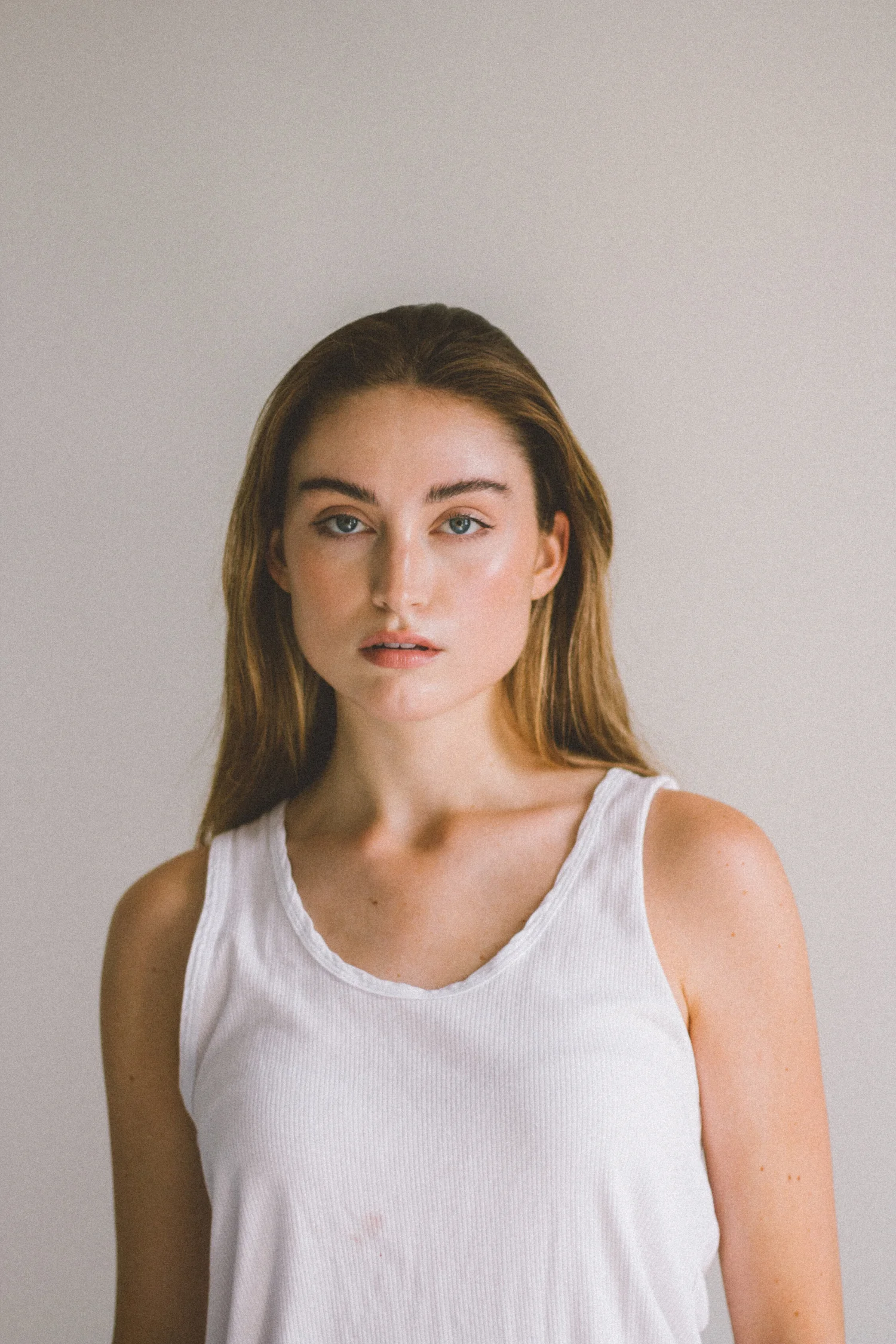
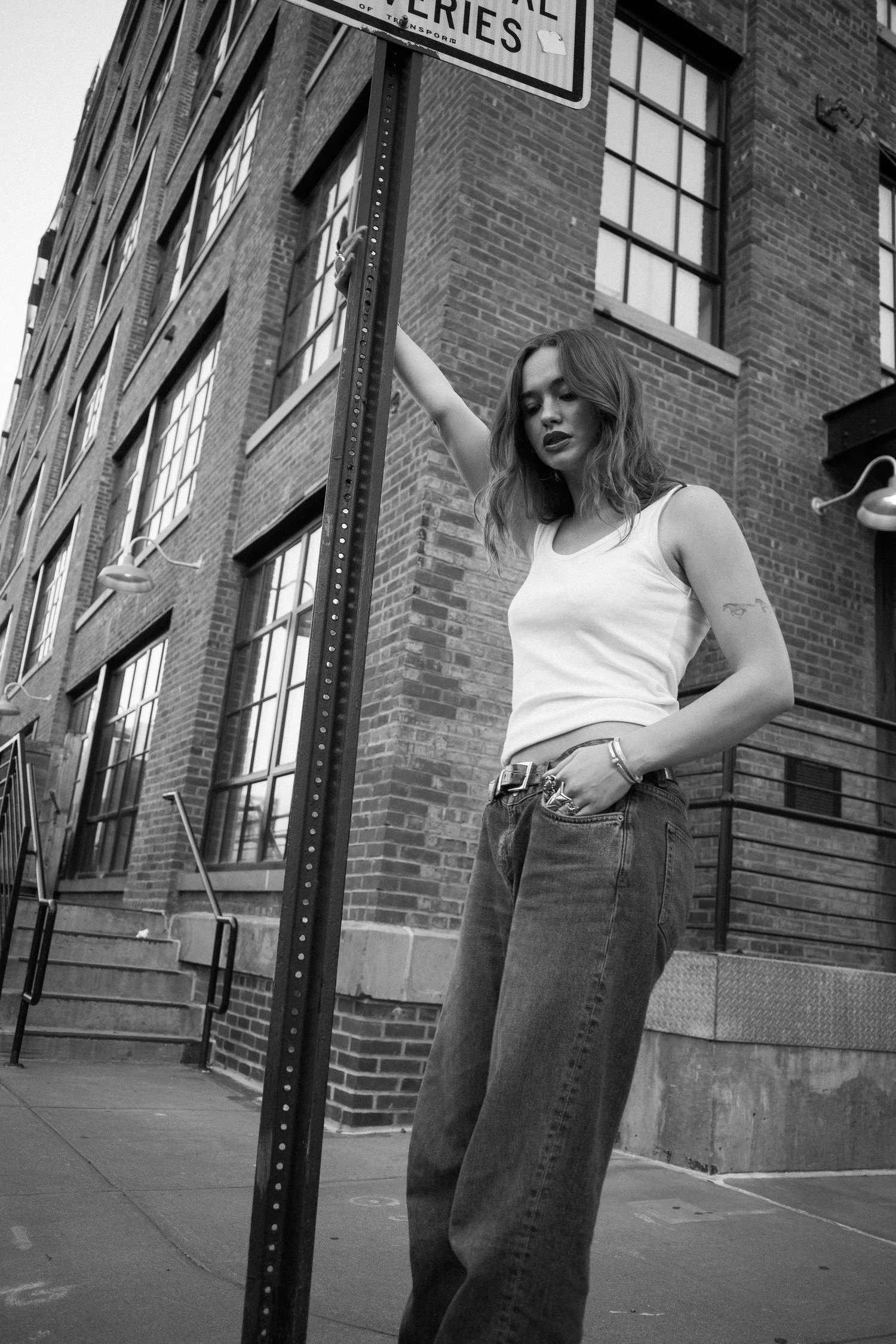
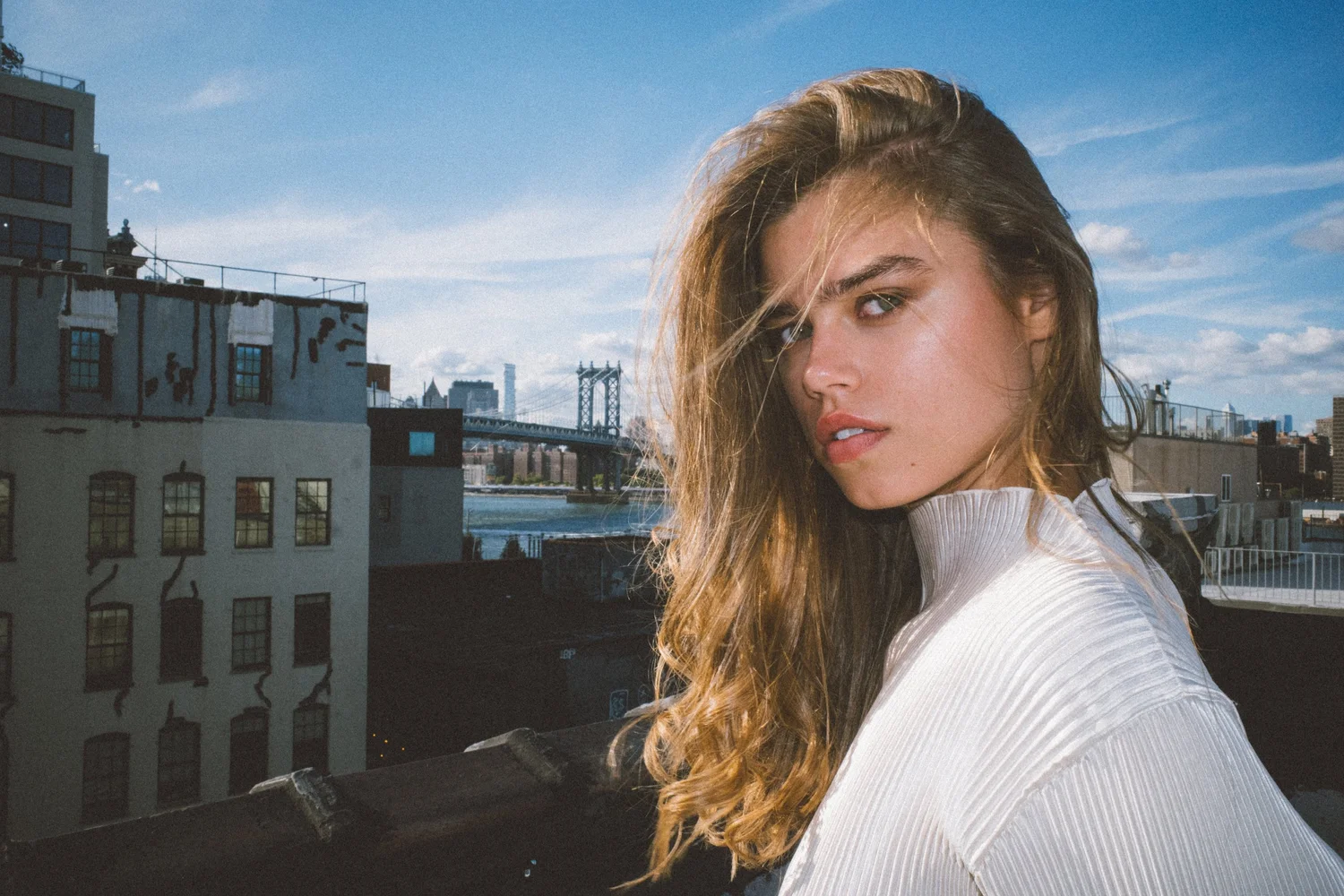
Compare a close portrait with a full-body street frame. Johnny's close photograph keeps expression and eye contact easy to read. The wider picture adds clothing, posture, and architecture. Neither choice is automatically more professional. The question is whether the person viewing the image needs immediate recognition or a fuller sense of mood and identity. These are creative portrait examples, not a claim that either meets every casting or company brief.

A headshot is not simply a portrait cropped at the shoulders, and a creative portrait is not a headshot with dramatic lighting. The distinction starts with the decision the viewer needs to make. A casting director asks whether your current face and energy fit a role. A client asks whether your work and personality feel relevant. An editor asks whether the picture helps tell a story.
Write down the destinations before discussing locations or clothes: casting sites, company directory, LinkedIn, press kit, website homepage, speaker biography, social launch, publication, dating profile, or artwork. Each has its own crop, visual conventions, and shelf life. This purpose-first approach also helps when evaluating which portrait photographer fits the assignment.
Match the pictures to their destination
- Casting: a current face-led portrait that follows your agency or platform brief.
- Company profile: a clear introduction with the required crop and background.
- Personal brand: a small set for profiles, banners, press, and the work you do.
- Editorial: photographs shaped around a story and publication layout.
- Personal or creative work: an idea-led set with room to experiment.
Actor headshots: specific without becoming costume
An actor headshot has to resemble the person who will enter the room or join the call. Framing usually keeps the face dominant, while expression gives the viewer something more precise than “friendly” or “serious.” A slight shift in gaze, tension, warmth, or confidence can suggest range without acting out a scene.
Wardrobe should support likely casting lanes without turning into character costume. Background and light need enough restraint that facial structure, eyes, hair, and current appearance remain legible. Retouching should preserve recognition. The files also need room for the crops used by the actor’s actual platforms, so those requirements belong in the brief—not as an afterthought.
The common failure is vagueness: many technically pleasant images that say the same thing. A smaller set with purposeful differences is more useful. The guide to actor headshot mistakes goes deeper into expression, crop, styling, and over-retouching.
Corporate and professional headshots: consistency with a pulse
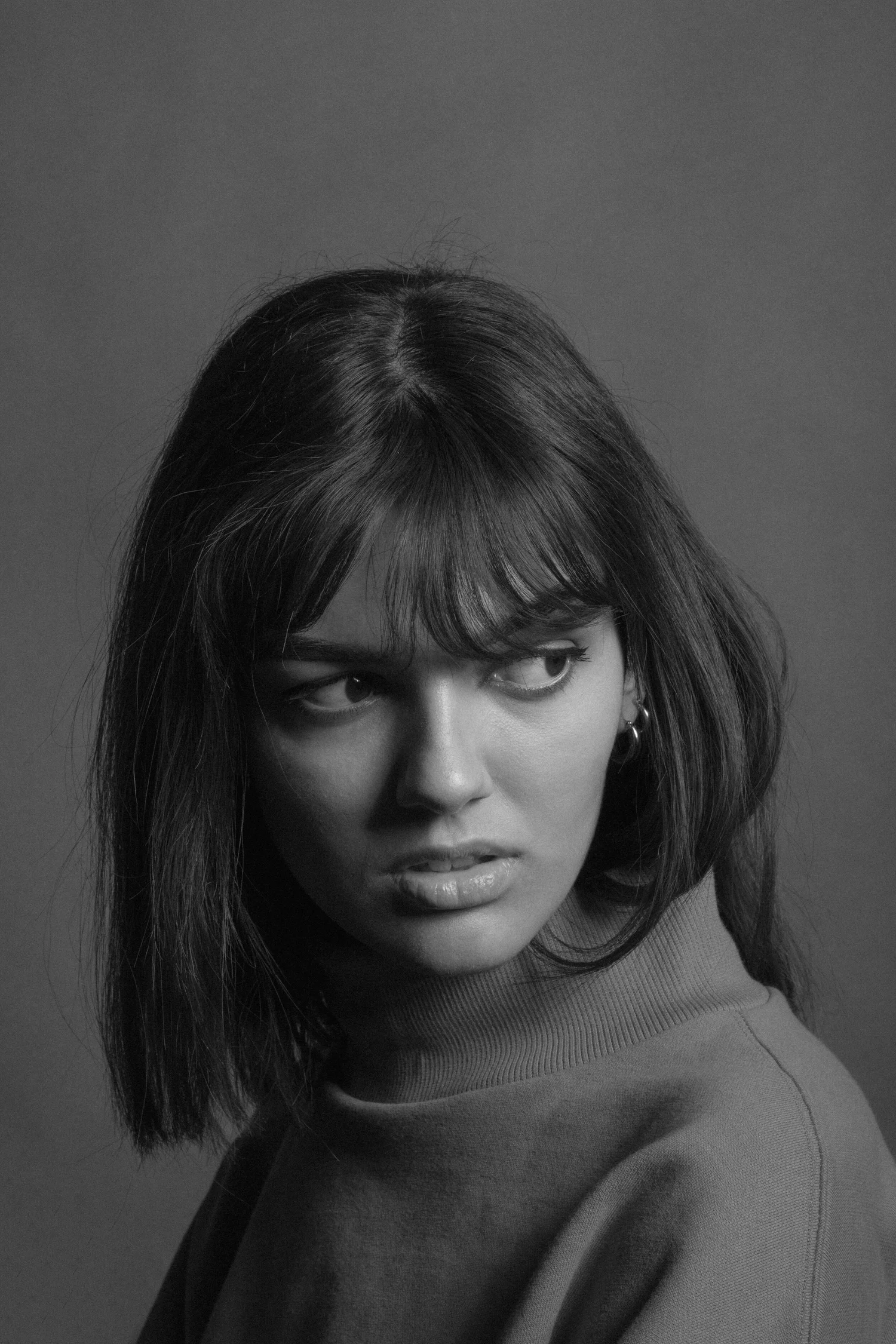
A professional headshot often needs to sit beside other people’s photographs in a directory, proposal, press page, or conference program. That makes consistency valuable: similar head size, clean separation from the background, and an expression that makes sense in the working context. Consistency does not require erasing personality.
Wardrobe should be tested at the final crop. A jacket, collar, neckline, jewelry, or glasses may read differently once most of the body is removed. Background choice depends on where the image will appear; neutral does not automatically mean white, and an office is not useful if it creates visual clutter or introduces access complications.
Ask who chooses the final image, whether a company crop or background treatment is mandatory, what retouching is expected, and what usage is included. A current portrait should look like the person colleagues will meet. An arbitrary annual replacement rule is less useful than updating after a meaningful change in appearance, role, or public positioning.
Personal-brand portraits: a small image system
Bring the actual places the photographs will be used: a website profile, a horizontal banner, a press page, or a square social avatar. The dimensions change how much room is needed around you. Ask for a useful range within one visual direction, rather than assuming that the same tight headshot will survive every crop. The personal-branding guide explains how to turn those uses into a practical image list.
A personal brand needs more than one identifying square. A designer’s case study, a consultant’s website, a chef’s announcement, and a musician’s press kit need different compositions even when the visual voice stays coherent. Useful coverage may include face-led introductions, waist-up portraits, environmental frames, working details, movement, and negative space for type.
Wardrobe, color, background, and expression should connect to the work rather than imitate generic business imagery. Start with the feeling the practice should convey, then build scenarios around real communication needs. Personal-branding photos for creatives explains how to turn those needs into a visual system.
Deliverables are valuable when they map to destinations: vertical and horizontal layouts, close and wide crops, and enough distinction to avoid repeating the same frame everywhere. The library becomes outdated when the offering, audience, workspace, or visual identity changes—not because a universal timer expired.
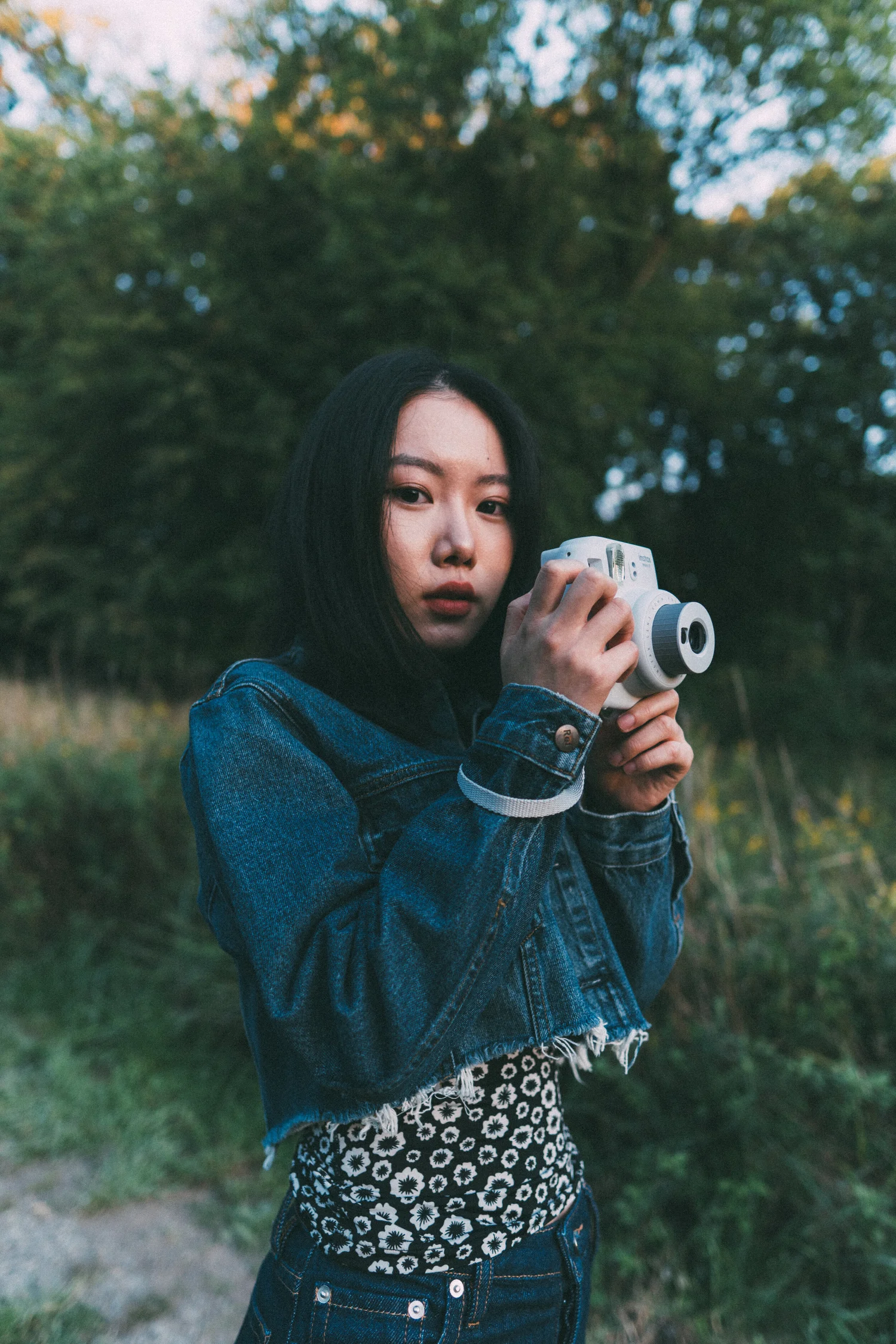
Editorial portraits: the story sets the rules
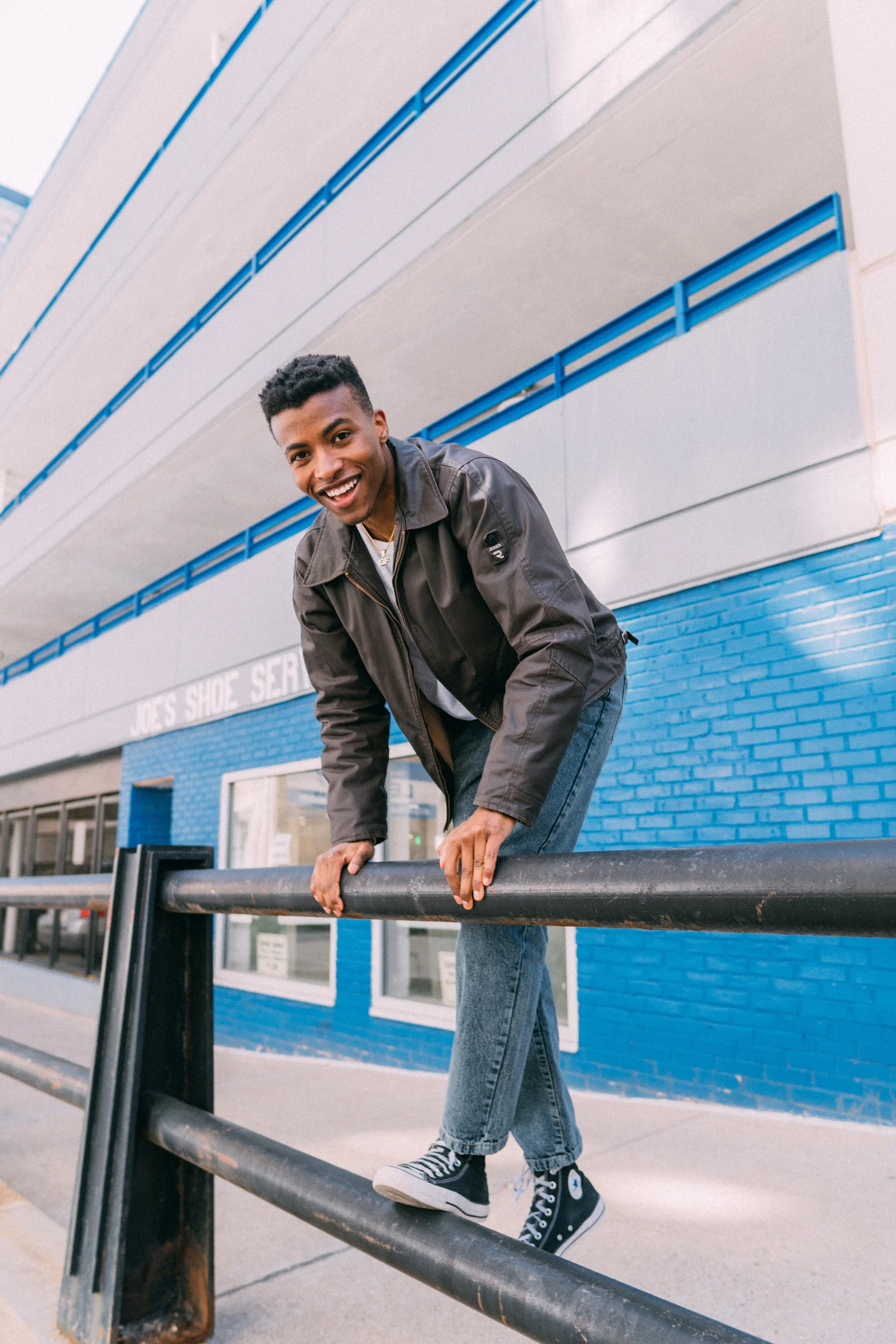
An editorial portrait answers a brief. The environment may carry as much meaning as the face; shadow, motion, gesture, or an unusual crop may be intentional. Expression can be ambiguous because the image is not always selling immediate approachability. Wardrobe might come from the subject, a stylist, or a publication’s concept.
Layout matters early. A designer may need a horizontal opening image with clean space for a headline, a vertical page, and a tighter secondary frame. Deliverables, deadlines, caption information, color treatment, and usage should be agreed around the assignment. An editorial image can remain visually strong for years while still being specific to one story and unsuitable as a general headshot.
Creative portraits: concept before convention
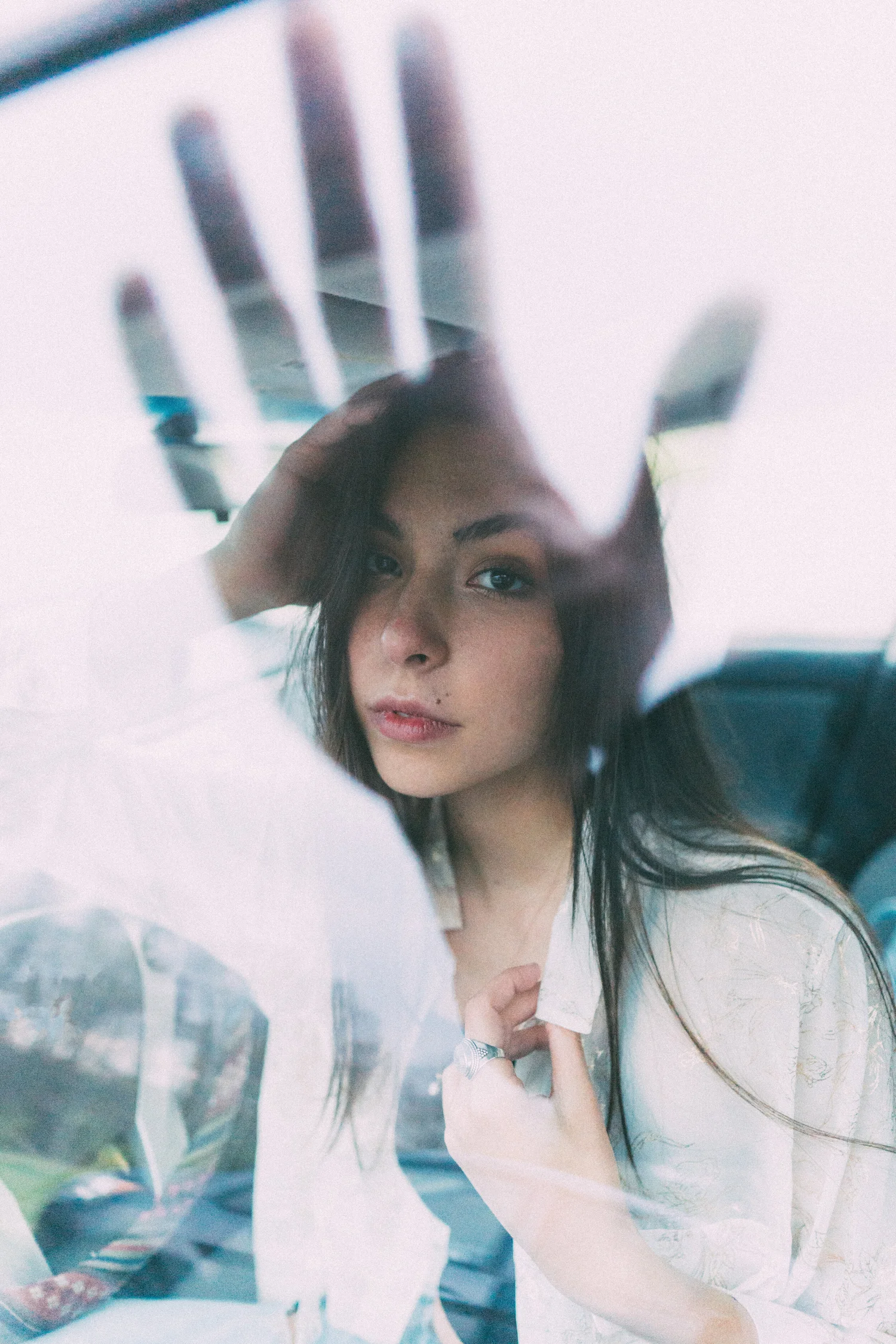
A creative portrait can prioritize atmosphere, transformation, shape, color, or collaboration. The face may be close, partially obscured, moving, or small within the frame. Wardrobe can become a major graphic element; the background can become narrative rather than neutral. That freedom is useful only when it serves an idea.
Define the intended output: portfolio image, album art, poster, personal project, social campaign, print, or simply a portrait that feels more expressive than professional. Crop requirements can be unusually specific—square artwork, vertical poster, wide banner—so composition should anticipate them. If camera awareness is the obstacle, practical movement and eyeline tools in how to look natural in photos can keep a concept from becoming a performance test.
A decision sequence that prevents the wrong session
Name the primary viewer. Casting director, employer, client, editor, audience, collaborator, or yourself?
Name the action. Recognize you, hire you, cast you, understand your work, read a story, or enter a visual world?
List every destination and crop. Include the smallest avatar and the widest page.
Choose the strictest requirement. A casting crop or company standard may limit what can count as the primary image.
Decide whether one visual system can meet all uses. If not, separate the session into clear parts.
Confirm deliverables in writing. Number of selected photographs, who selects, retouching level, file sizes, turnaround, and usage should be explicit rather than assumed.
When a combined session makes sense
A combined session is useful when you genuinely need a clean introduction and a broader story: an actor who also writes, a founder who speaks publicly, or an artist who needs both a press portrait and experimental artwork. It works best when the two phases are planned separately—distinct lighting or background, a clear wardrobe transition, and separate shot priorities.
It makes less sense when each use has demanding specifications, many looks, or unrelated audiences. Trying to create casting headshots, company images, editorial portraits, and an elaborate concept in one compressed window can produce four incomplete sets. Protect the non-negotiable image first, then add range only if time and attention remain.
Headshot and creative-portrait FAQ
Can one photograph serve as both a headshot and a creative portrait?
Sometimes. A face-led portrait with a distinctive but controlled visual treatment may work in both contexts. It still has to meet the strictest crop, recognition, background, and usage requirement. Do not assume an expressive favorite will function on a casting site or company directory.
How many wardrobe changes should I bring?
Bring changes that create a meaningful shift in use, not several versions of the same look. A headshot phase may need small neckline or layer changes; a creative phase may benefit from one stronger silhouette. Confirm what the session length and changing space can realistically support.
How much retouching is appropriate?
Retouching should support the image’s purpose while preserving recognizable features and skin texture. Temporary distractions can be treated differently from permanent traits. Ask what is included, who approves final treatment, and whether a professional or casting client has its own expectations.
How often should portraits be updated?
Update when the current image creates a mismatch: material changes in appearance, role, audience, brand direction, or platform requirements. Actor and professional images are especially sensitive to recognition. Creative work does not need replacement merely because time passed; it needs a new image when the idea changes.
How many final images do I need?
The answer comes from destinations, not a universal package number. One directory may need a single consistent headshot; a brand launch may need several crops and scenarios. Make a use list first, then confirm how many selected and retouched files the photographer will deliver.
Related reading
Actor headshot mistakes · Personal-branding photos for creatives · How to choose a portrait photographer · How to look natural in photos
Not sure whether your brief needs clarity, story, or both? Plan an individual NYC headshot or creative portrait session with Zian.
Decide which image must work first
Write down the smallest and largest placements you need: a profile thumbnail, website introduction, press image or full-page feature. Choose a primary photograph for the most important use, then add variations that serve the others. A striking editorial frame and a clear headshot can complement each other without being interchangeable.
Explore NYC headshot and creative portrait sessions, then use the final-photo selection guide.
Plan the portraits your next step needs
Send your preferred dates and the places the images will appear: a professional profile, agency book, website, press feature or something personal. Include any submission requirements and a few references so we can discuss the right balance of clear introductions and expressive portraits.
Ask about your portrait session · Explore NYC portrait sessions
Continue planning with building a useful final portrait selection.