
How to Choose Your Final Portrait Photos
Want a set of photographs that works together? Explore my work and session options. Tell me where you’ll use the images and what you want them to say about you.
Choosing your final portraits is easier when each image has a job. These examples from my work show how to compare expression, framing, and atmosphere without selecting six versions of the same photograph.
Begin with where the photographs will live
Before opening the gallery, list the places you actually need photographs: a profile image, an about page, a portfolio, a press biography, a print. Put the most important use first. A portrait can be beautiful and still be awkward for a particular placement. Selection becomes clearer when you can say what each candidate needs to do.
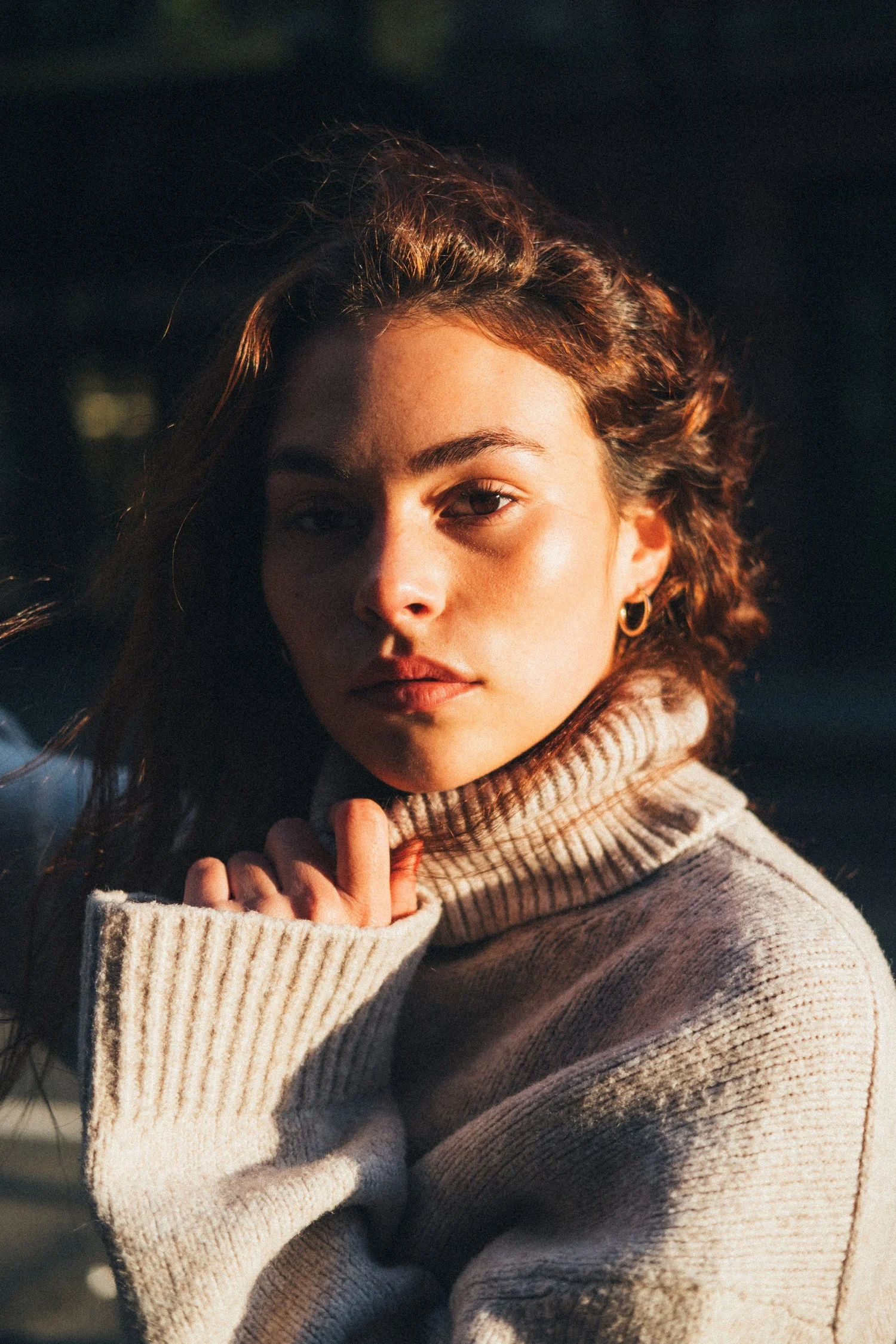
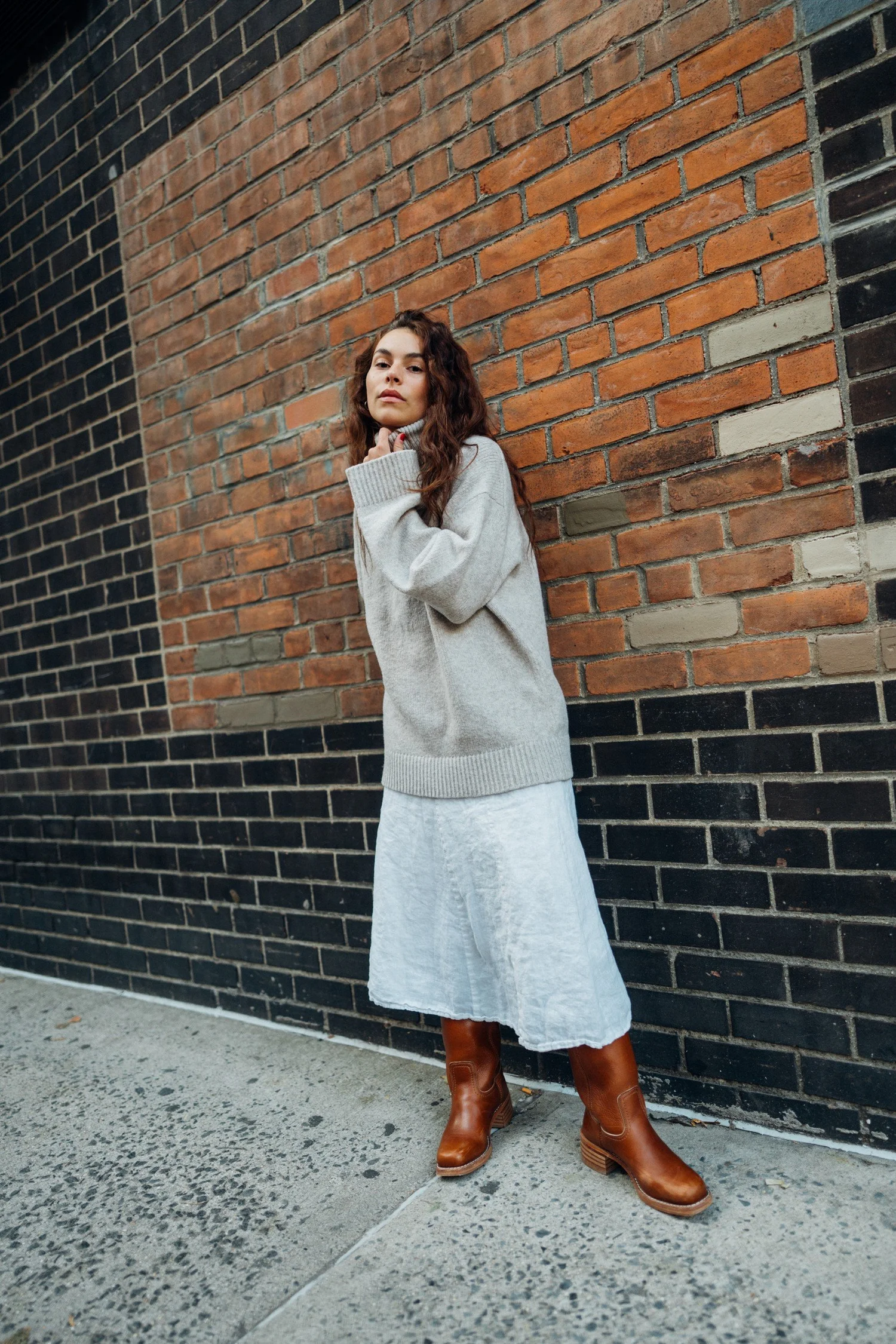
Here is a two-picture selection using Marley's photographs below:
- Profile introduction: the sunlit close portrait keeps her face easy to read at a small size.
- About page or full-length portfolio: the wider frame adds clothing, posture, and the texture of the street.
Both earn a place because they answer different needs. If you only need an avatar, start with the closer image and test the actual crop; there is no reason to keep a wider frame for a placement it does not suit.
Compare similar frames before comparing everything
Group photographs by outfit and setup. Look at a few related frames together, then choose the one that best expresses the feeling you want. Check the direction of the gaze, how the shoulders sit, and whether the hands help the composition. Comparing forty unrelated photographs at once makes every decision harder.
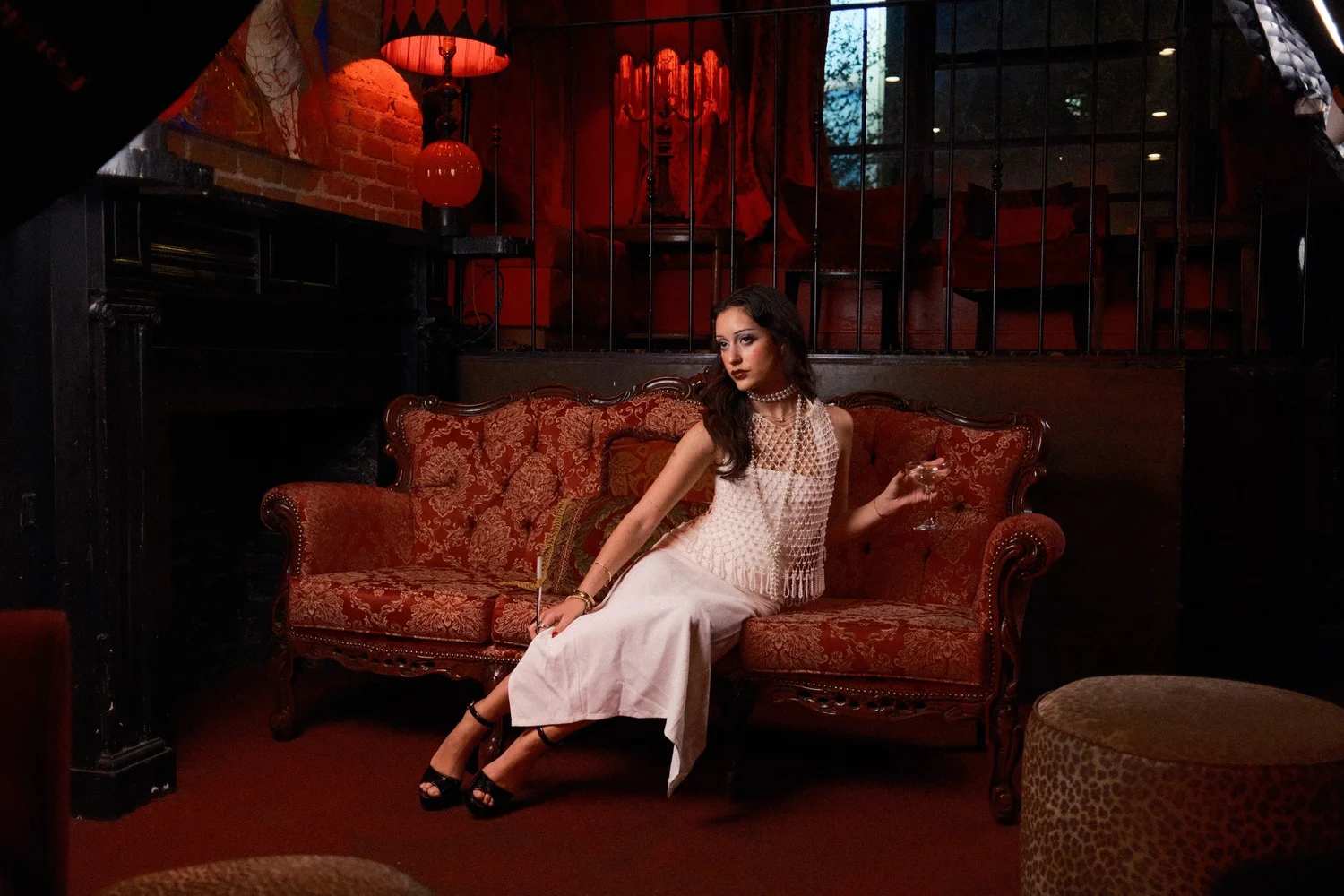
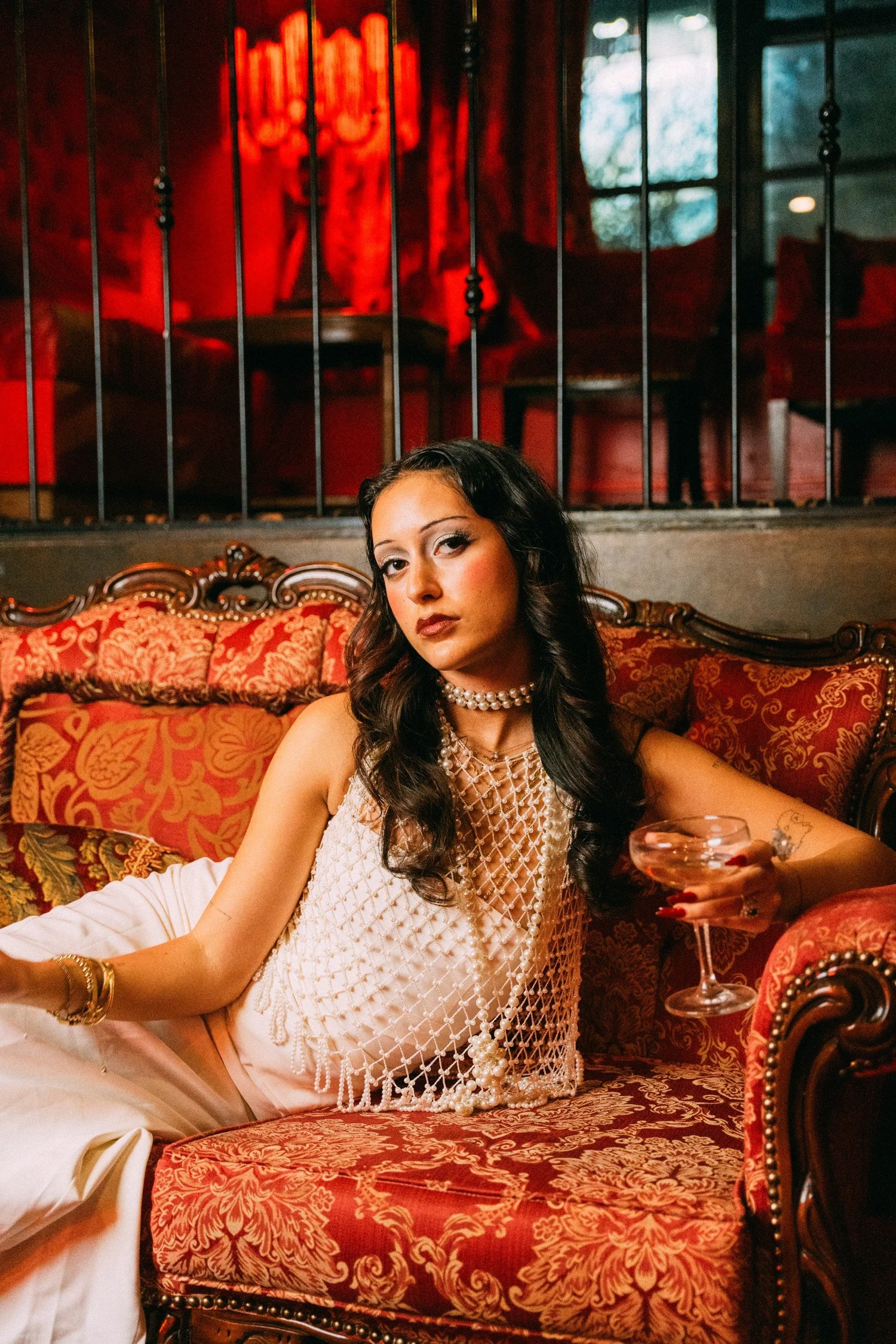
Eden's two sofa portraits show why the selection should go beyond a smile. The wider color image gives the room a strong presence; the closer frame feels more personal. Ask whether you want someone to notice the environment first or meet the person first. That is a useful distinction, even when the clothes and setting stay the same.
Build variation that has a purpose
A useful set can include a direct portrait, a wider composition, and something more expressive. Variation does not require a new outfit in every photograph. Changes in distance, body language, and light can do the work. Lay your favorites out together and look for repeated information.
Johnny's close black-and-white portrait emphasizes eye contact. Her red-dress photograph uses color and the shape of her arms. Keeping both could make sense for a varied creative portfolio; choosing several nearly identical close frames may add less. For brand assets, use the same thinking alongside the audience and placements in your photography brief.


Check the crop at the size people will see
Preview the shortlist in the actual shapes you need. A square avatar, tall print, and wide website banner ask different things of a photograph. Hands, elbows, and important surroundings can disappear when a crop is forced. Test the layout on a copy, keeping the original delivered file intact.
Amanda's sky-filled portrait makes that tradeoff especially visible. The space above her head is part of the composition. Cropping tightly would make a different image, and a tiny circular profile crop would discard most of its atmosphere. Tara's closer portrait is easier to read at a small size. Choose the photograph whose existing structure supports the intended use.


Separate your selection from finishing requests
Choose for expression, composition, and usefulness first. Then describe any editing questions clearly: a temporary mark, visible lint, a distracting background detail, or color consistency across the set. Confirm what is possible and included before assuming a change can be made. A strong expression is worth discussing; a frame you fundamentally dislike is rarely the right starting point.
If you find yourself zooming into every detail, step away and return at normal viewing size. Ask one trusted person what the photograph communicates rather than asking a group to rank your face. My guide to feeling more comfortable with photographs of yourself offers another way to approach that review.
Make the final shortlist easy to use
Give every selected image a simple role: profile, website opener, full-length portfolio, or quieter supporting portrait. Check that the set represents your current appearance and that similar images earn their place. Save the filenames in one message so the photographer can identify your choices without ambiguity.
There is no universal number of final portraits that makes a set complete. Start with your agreed delivery and actual needs. If two images do the same job, choose the stronger one; if an important use remains uncovered, revisit the gallery with that specific gap in mind. For your next shoot, discuss those uses during session planning so the right options are photographed from the beginning.