

7 Actor Headshot Mistakes to Avoid
Updating actor portraits or headshots in NYC? Start with your current appearance, the image uses and any specific submission requirements. Explore NYC portrait sessions or ask about your portrait session.
An actor headshot needs to introduce a recognizable person clearly. These examples from my broader portrait work help explain the choices behind expression, light, clothing, and crop; they are not presented as casting headshots or proof of a particular booking.
1. Choosing atmosphere before a clear face
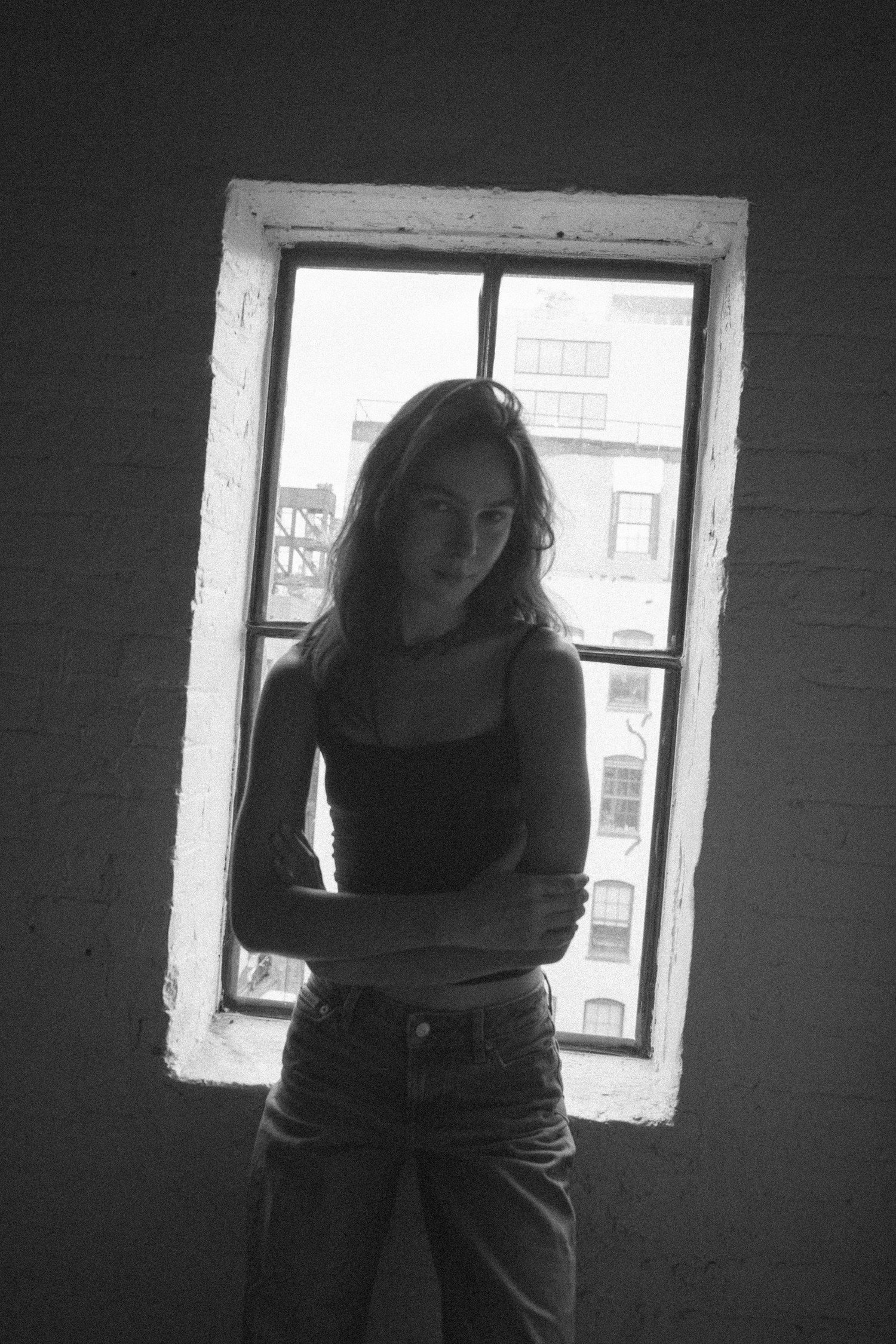
A dramatic photograph can be strong without being the right main headshot. Deep shadow, a distant figure, or a complex setting may suit an editorial portrait while making a quick introduction harder to read. Start by identifying the job of the image and any instructions from your representative or submission destination.
Johnny's close portrait keeps attention on her face. Amanda's window portrait gives the bright rectangle and dark interior a larger role. That is a useful visual comparison, not a ranking of the photographs. For a headshot, make sure the face and expression remain clear before adding atmosphere.

2. Arriving with only one practiced expression
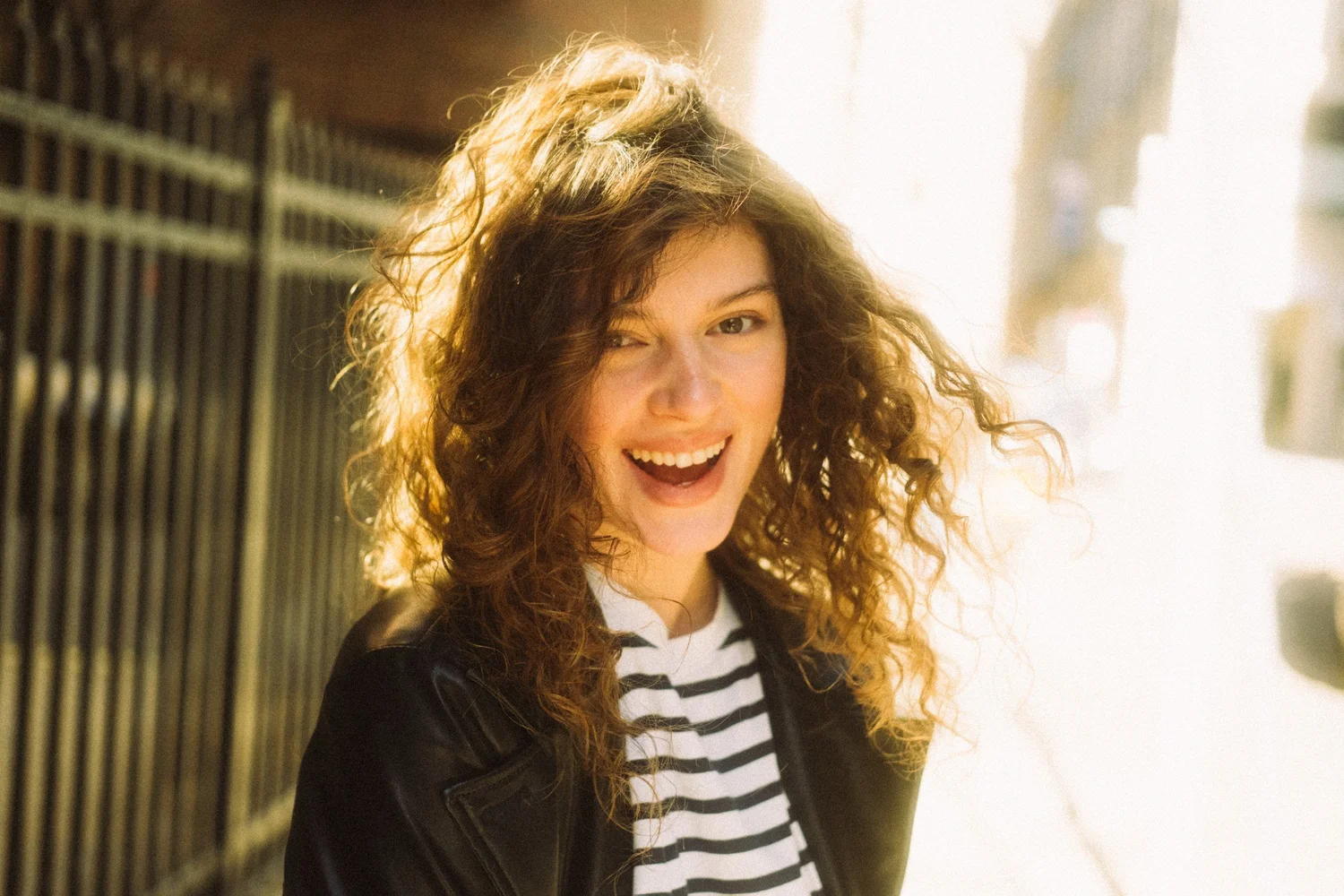
Repeating a fixed smile or an exaggerated serious face can make the set feel limited. Think about the qualities you want to communicate and discuss them with the photographer. Try changes in attention and energy rather than pushing every facial feature into a preplanned shape.
Olenka's open laugh and Tara's quieter gaze show how much expression changes a portrait. They are examples of different visual energy, not interchangeable casting choices. The final selection should support your current needs and any guidance you have received. A photographer can help you explore options without promising that one expression will lead to auditions.

3. Letting the outfit become a costume
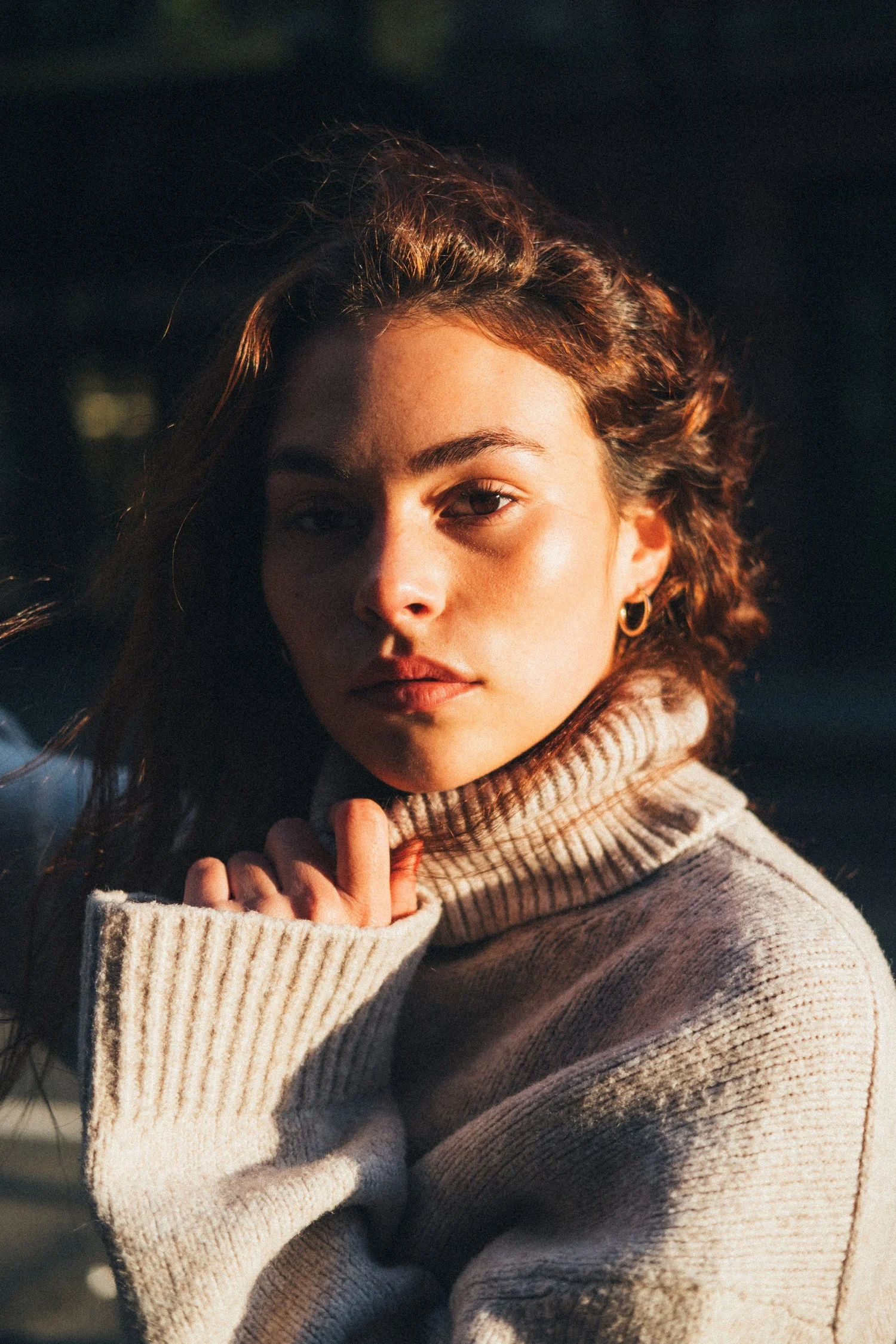
Clothing should support the person the image introduces. A jacket, glasses, or a formal shirt does not automatically communicate a particular personality. Choose pieces that fit now and frame your face without needing constant adjustment. Bring a few distinct necklines or textures so there is room to compare.
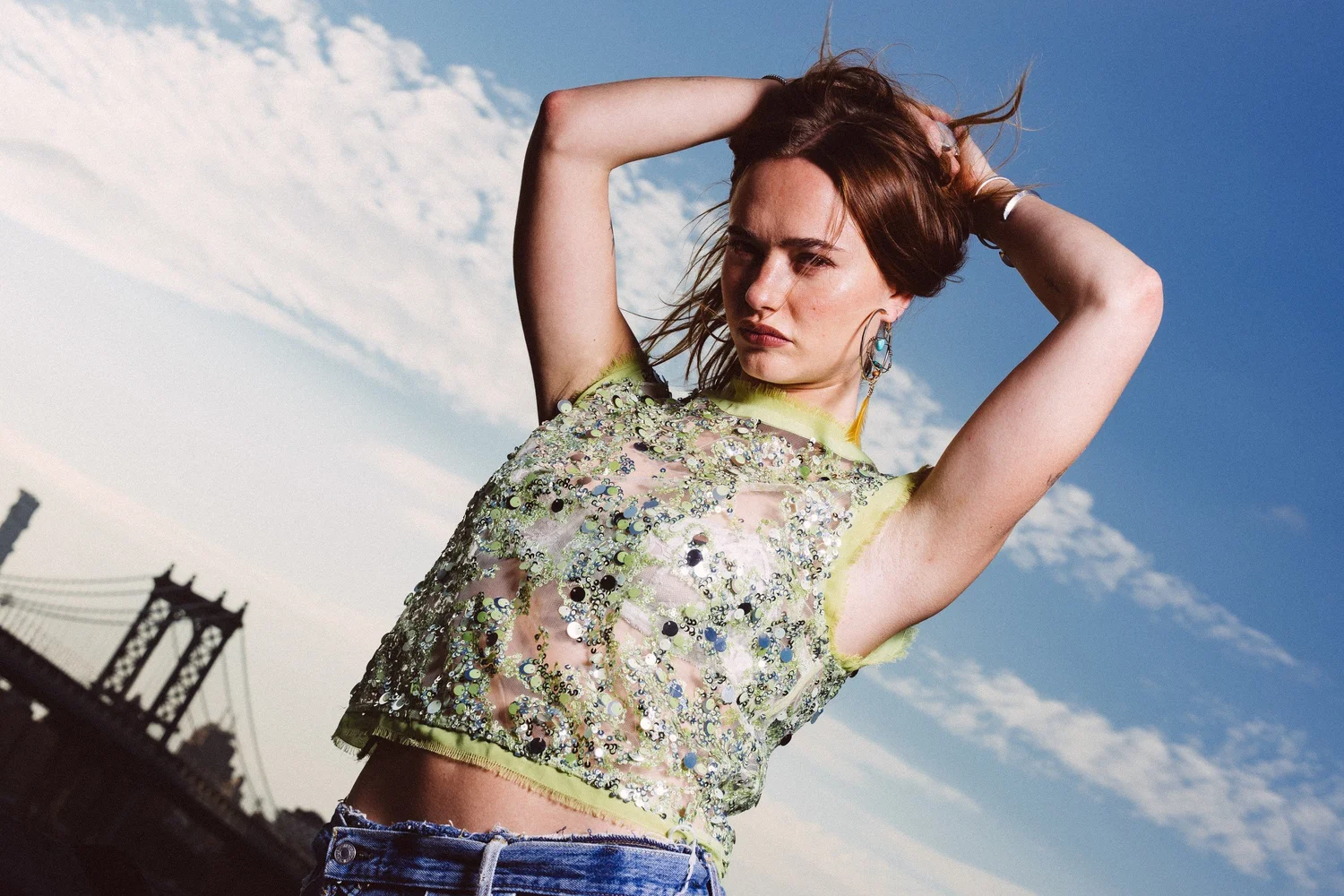
Marley's knit sweater adds texture around her face; Johnny's embellished top makes a much stronger styling statement. Both work within their creative portraits. For a headshot, decide how much attention the clothing should receive. Review the wardrobe guide and discuss the options before packing.
4. Copying a lighting style without checking its effect
Light can define the face softly or create a strong division between bright and dark areas. Rather than asking for a fashionable look in the abstract, look at what the light does to the eyes and expression. The important question is whether it serves the introduction you need.
Share examples from the photographer's own work and explain what you respond to. If your headshot needs a clear, current, color presentation, say that explicitly. The black-and-white and more stylized photographs in this article illustrate visual decisions; they do not replace the requirements of your chosen platform or representative.
5. Assuming retouching will solve the selection
Choose a frame you like for expression and recognition before discussing finishing. Ask how the photographer handles temporary marks, stray hairs, skin texture, and background distractions. Do not assume every alteration is possible or included. Clear preferences are more useful than a broad request to make the image “perfect.”
The finished photograph should remain recognizable as you currently appear. If a proposed edit changes the feature or appearance you need to represent, reconsider it. A strong headshot does not need to remove every sign that it shows a real person.
6. Forgetting to test a small crop
A photograph can look striking at full size and lose its main idea when reduced. Preview your candidates at the size and aspect ratio in which they will first be seen. Make sure the eyes, expression, and outline remain legible. Keep the original file intact and make placement-specific copies when needed.
A wide creative portrait and a close headshot can both belong in a broader portfolio, but they do different work. The headshots versus creative portraits guide can help you plan those separate needs instead of forcing one image into every use.
7. Selecting without a purpose
Start your shortlist with the current purpose: a representative's request, a particular profile, or an updated introduction. Compare related frames in small groups. Ask what each image communicates and whether another selected photograph already covers that ground.
Use the final portrait selection guide to check variation, crops, and editing questions. Before you inquire, gather:
- Your representative’s or submission platform’s current instructions.
- The placements and crops you need, plus the delivery deadline.
- A current photo of yourself and a few wardrobe options.
- Whether you also want separate creative portraits.
Send those details with your inquiry so we can discuss whether my approach fits the headshots you need.
Discuss your NYC actor portrait or headshot session
Share your preferred dates, current photographs and the requirements of the casting platform or submission. Tell me whether you need a clear introduction, expressive portraits or both; we can discuss fit, setting and delivery before booking.
Ask about your portrait session · Explore NYC portrait sessions
Continue planning with headshots versus creative portraits.