

How to Choose a Portrait Photographer
Choosing a NYC portrait photographer? Compare the finished work, the direction you want and the details of the session before booking. Explore NYC portrait sessions or ask about your portrait session.
Choosing a portrait photographer means choosing the way your session will feel as well as the photographs you hope to receive. A strong starting point is to look for repeated decisions in the work and clear answers in the planning conversation.
Look across several shoots
One photograph can show a compelling moment. Several shoots show more about how a photographer handles different people, settings, and kinds of light. Browse beyond the first image and ask whether you still like the work when the clothes, background, or expression changes.
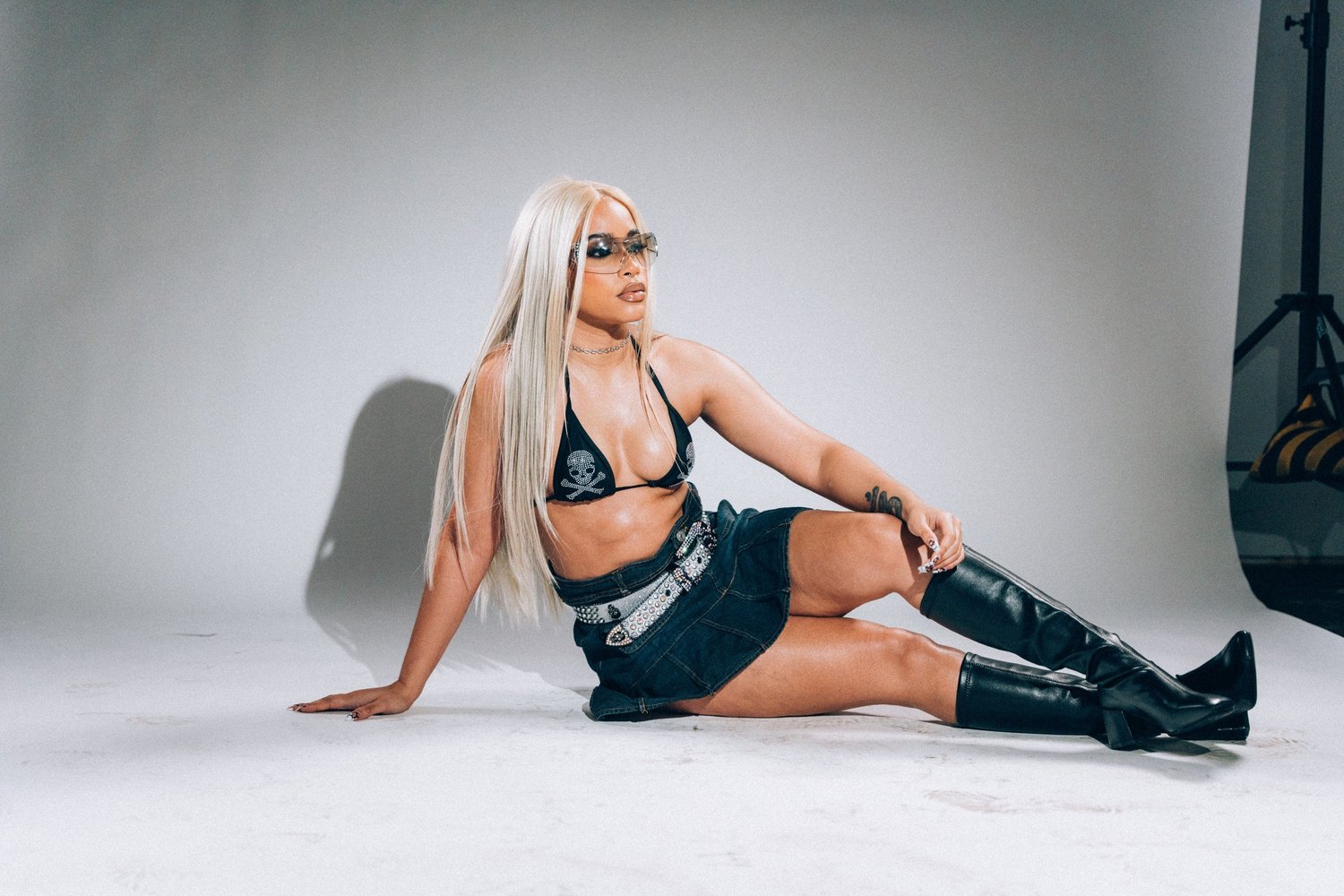
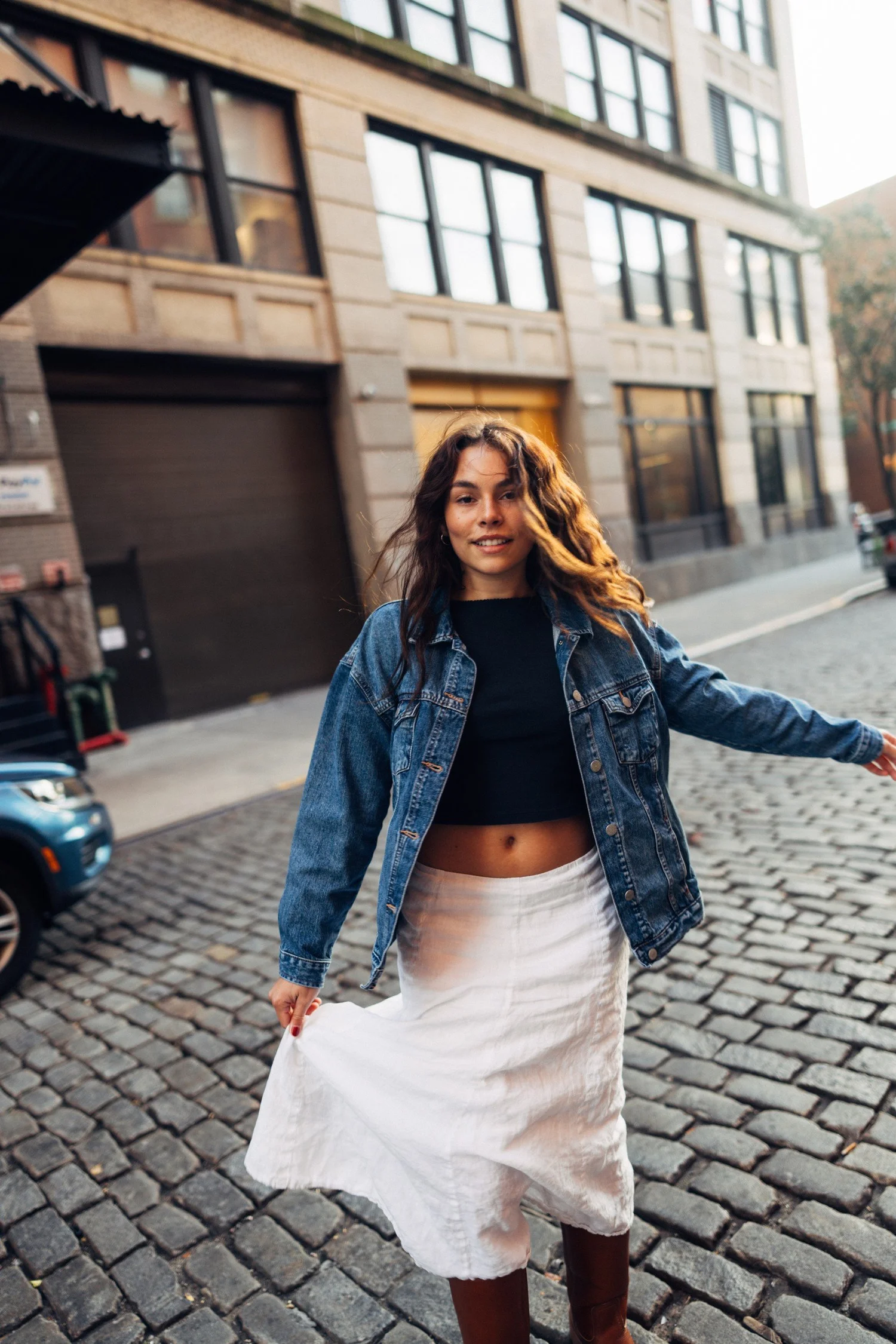
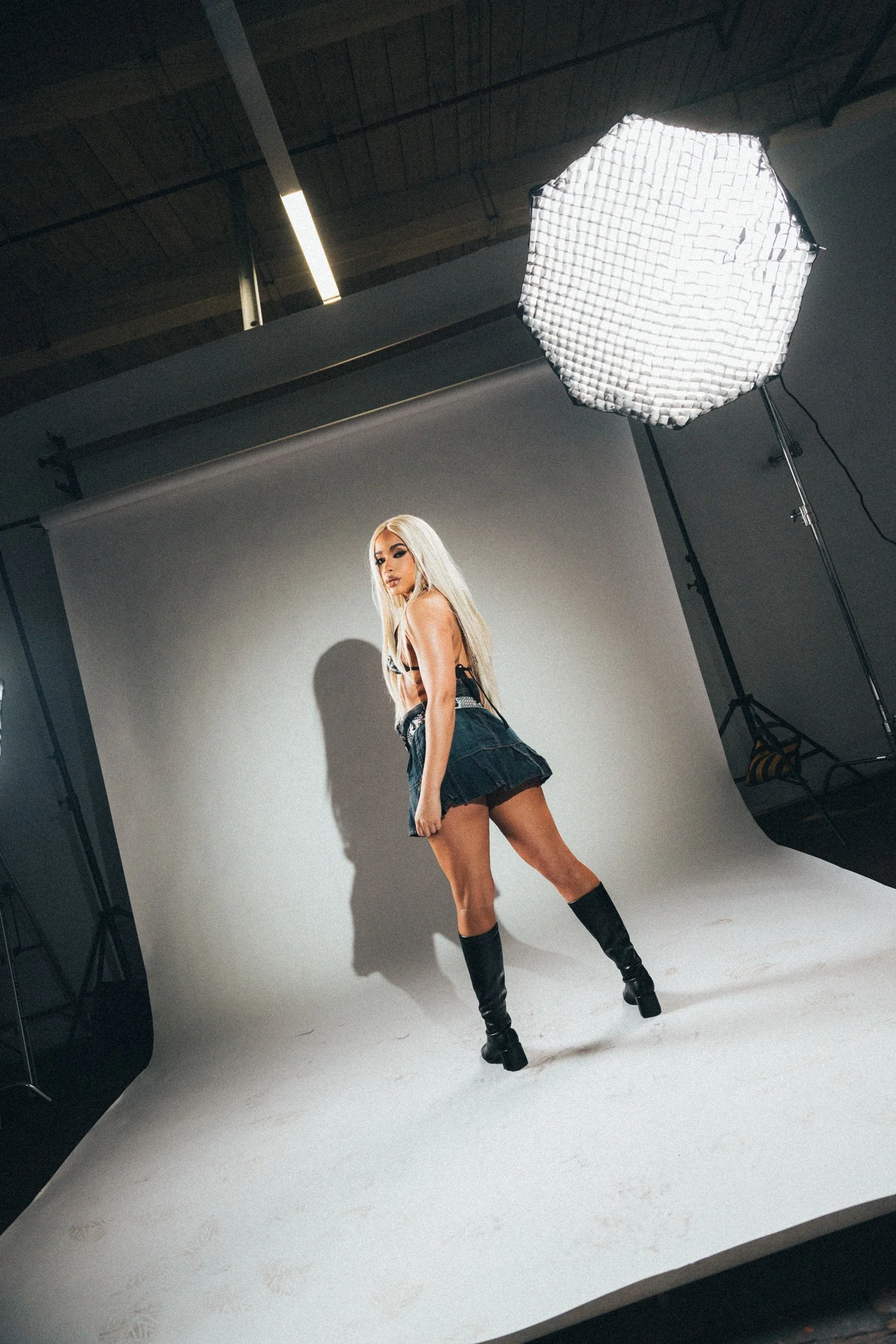
Rose's studio portrait and Marley's street portrait are visually different. The first uses a controlled background and an expressive seated shape; the second lets the street and movement contribute. When comparing photographers, look for the kinds of decisions you enjoy across that range. You do not need to love every style, but you should understand what draws you to the work.
Name what you actually like
“Beautiful” is a useful reaction but an incomplete brief. Try describing the qualities that matter to you: close framing, warm color, dark backgrounds, natural movement, direct eye contact, or a sense of place. Notice whether you are drawn to the person in the photograph, the styling, or the photographer's approach.
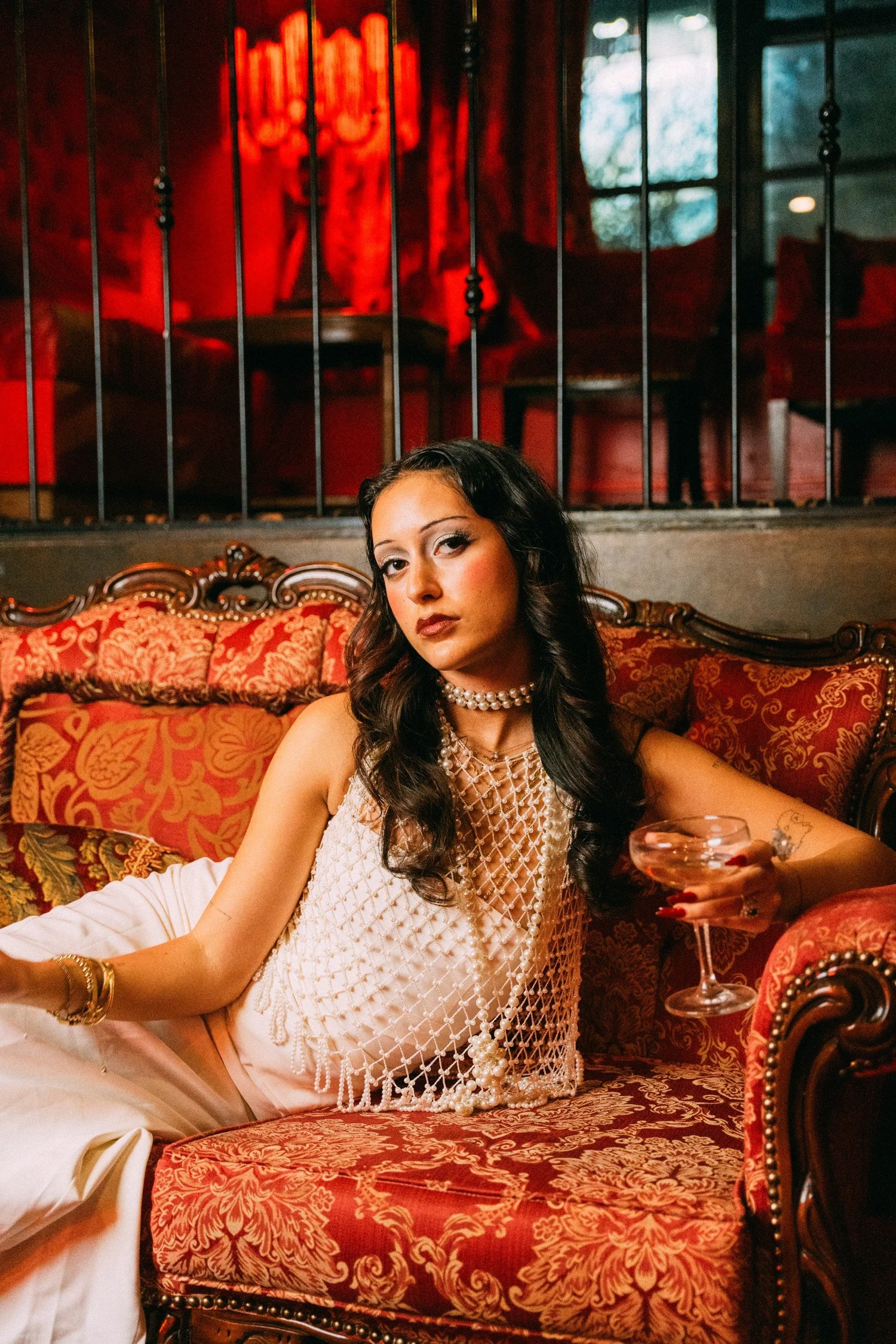
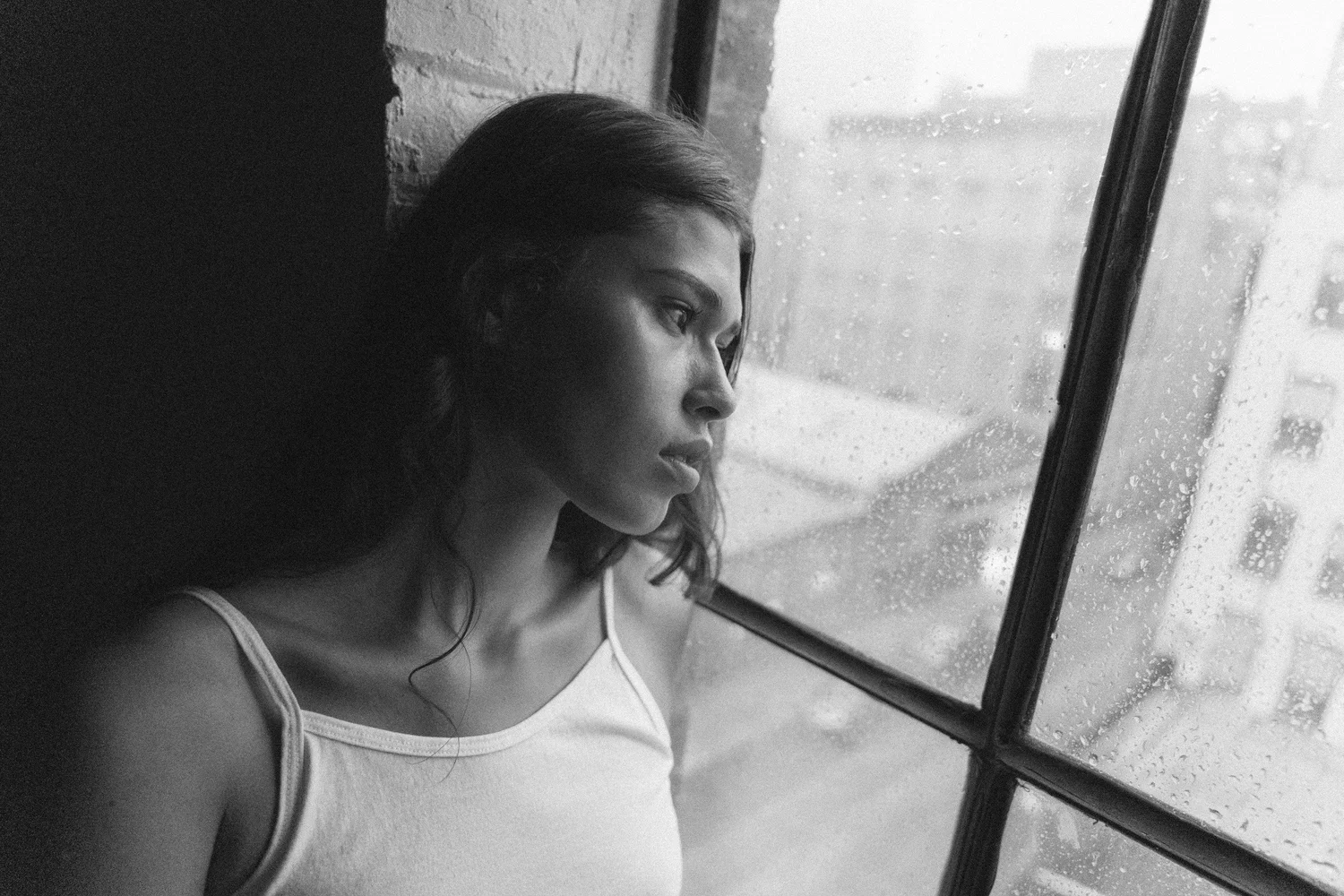
Eden's portrait uses a red interior and pale clothing as a strong color relationship. Tara's black-and-white profile is more restrained. If you want one of those directions, choose a photographer whose existing work gives you confidence in it. Asking for a completely different aesthetic makes the outcome harder to judge in advance.
Consider how you want to be directed
Some people enjoy specific instructions; others prefer an activity or a loose starting point. You may not know which suits you until you discuss past experiences. Tell the photographer if you feel awkward, if you have never booked a session, or if there are poses you do not want to try.
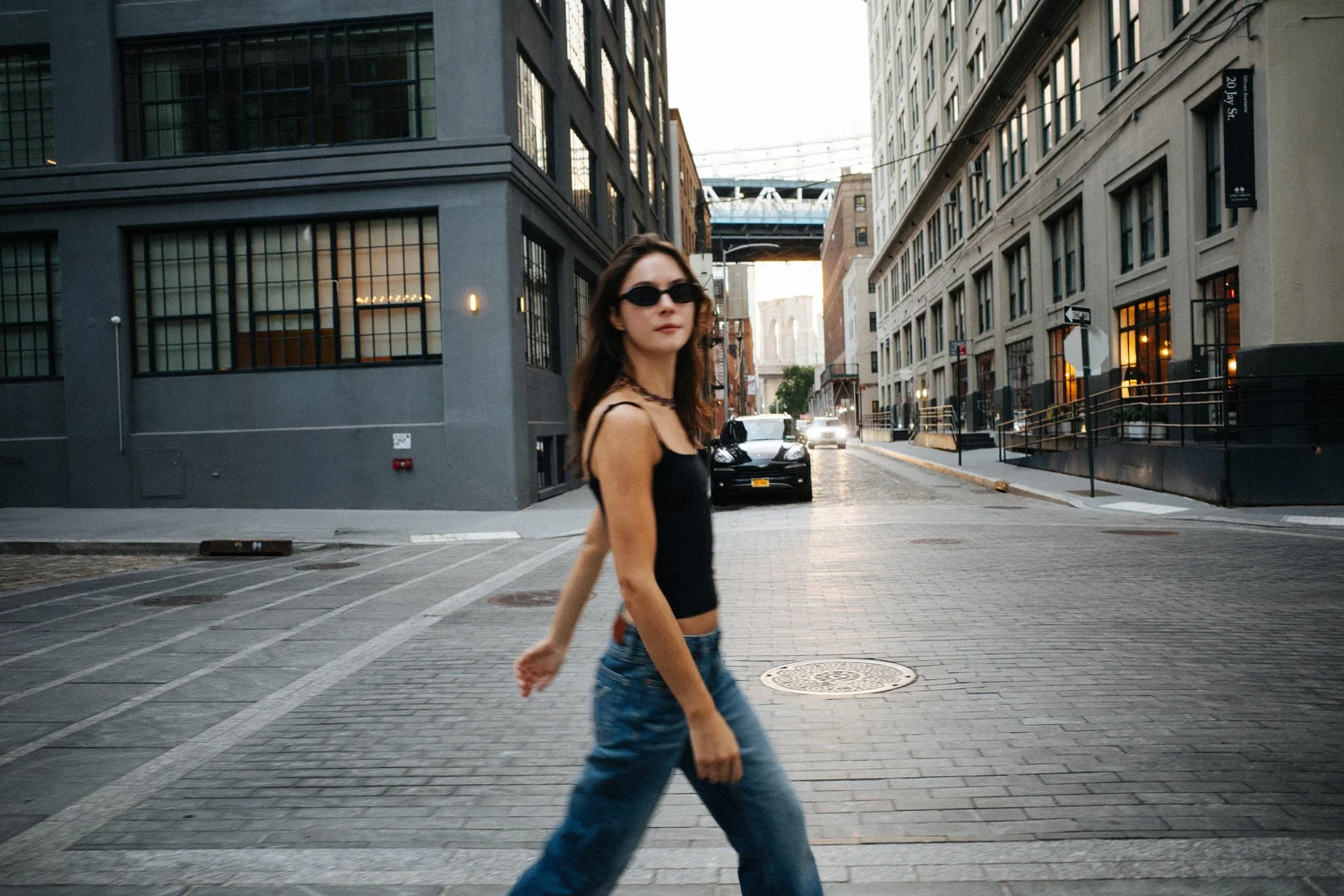
Amanda's walking frame suggests how movement can support a portrait. Johnny's close gaze shows how much can happen with very little visible action. Ask how the photographer works toward those moments. The answer should help you imagine taking part, rather than making you feel responsible for arriving with a complete posing routine.

Match the setting to the purpose
A studio may suit a controlled concept, consistent backgrounds, or several wardrobe changes. A location can add context, architecture, or a changing atmosphere. Neither is automatically more artistic. Think about what your photographs need to communicate and the practical conditions that make you comfortable.
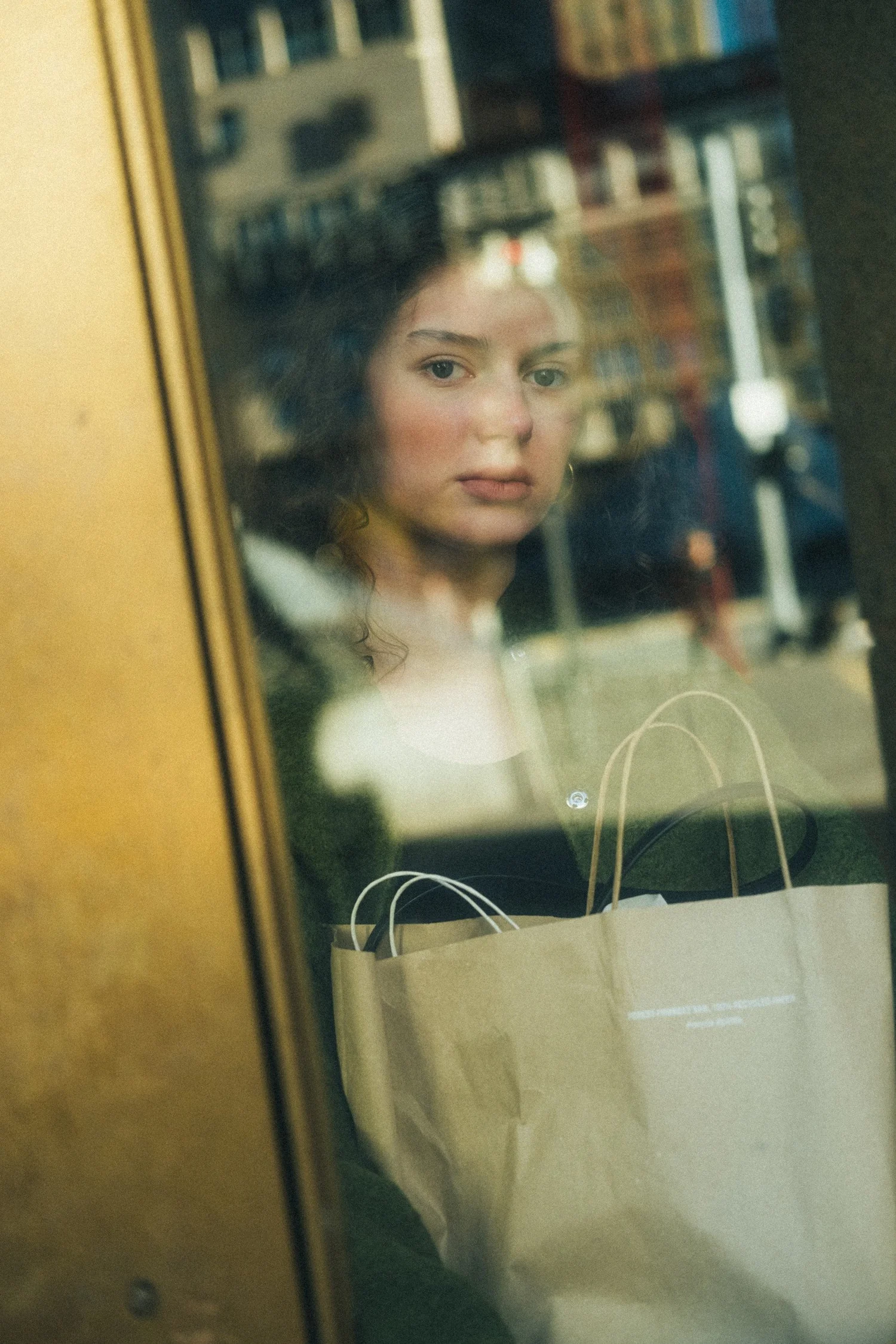
Rose's wider studio photograph makes some of the equipment and working space visible. Olenka's reflection portrait depends on an existing window and surrounding buildings. Those images require different kinds of planning. Read the studio versus location comparison if you are deciding which environment would support your session.
Ask about the complete process
Bring these questions to the booking conversation:
- Can I see a complete session with a similar setting or purpose?
- How will you guide me if I feel awkward in front of the camera?
- What time, locations, outfit changes, and finished photographs does the fee include?
- How do selection, editing, delivery, and image use work?
- What happens if weather or location access changes, and which costs are separate?
Compare the answers alongside the work, then get the agreed scope in writing.
You do not need to ask for every technical camera detail. Focus on what affects your experience and the usefulness of the final images. If you need a particular crop, deadline, or usage, bring it up early. The commercial photography brief provides a useful structure even for a smaller portrait project.
Pay attention to the planning conversation
Notice whether the photographer responds to your actual goals. A useful exchange should make the next step clearer: what to prepare, what still needs a decision, and how your priorities affect the session. It should also leave room for you to express concerns without feeling difficult.
A fast answer can be convenient, but clarity and thoughtfulness matter too. If an important detail is uncertain, ask about it directly. A session begins before the camera comes out; the planning process is part of what you are choosing.
Compare fit alongside the total scope
A fee is meaningful when you understand what it covers. Two sessions may differ in preparation, production, editing, delivery, or image use. Compare the complete scope rather than assuming a higher photo count means a more useful result.
If my work feels close to the direction you want, send a few favorite examples and explain what you like about them. Tell me where you want to use the photographs and how you want the session to feel. We can use that information to discuss the right starting point, including wardrobe and a practical portrait plan.
See whether my portrait approach fits you
Send your preferred dates, what the images need to do and two or three examples you connect with. Include any questions about direction, setting, editing or delivery so we can discuss the session with clear expectations.
Ask about your portrait session · Explore NYC portrait sessions
Continue planning with what to plan for your NYC portrait session.