

NYC Model Test Shoots: Digitals, Portfolio Photos & What to Expect
Planning a NYC model test or book update? My $400 session includes three looks, studio rental when needed, and 10+ finished photographs. See the $400 NYC model-test package or ask about your model-test brief.
Before booking a model shoot, decide whether you need straightforward digitals, creative portfolio photographs, or both. A clear purpose makes every later choice easier: styling, location, direction, and the images you keep. Here is how I approach those decisions through examples from my portrait work.
Digitals, a creative test, or both?
Model digitals and creative test photographs answer different questions. Digitals provide a straightforward view of your current appearance; a creative test explores expression, movement, styling, and light. Start with who needs the pictures and what they have requested. A styled portfolio photograph may not replace a submission image.
Follow the receiving agency’s current instructions for clothing, framing, and presentation. You may be able to make the required snapshots yourself. IMG’s information for applicants under 18 is one example of guidance for a specific application route. If you need both digitals and creative work, keep their requirements separate.
Identify the gap in your portfolio
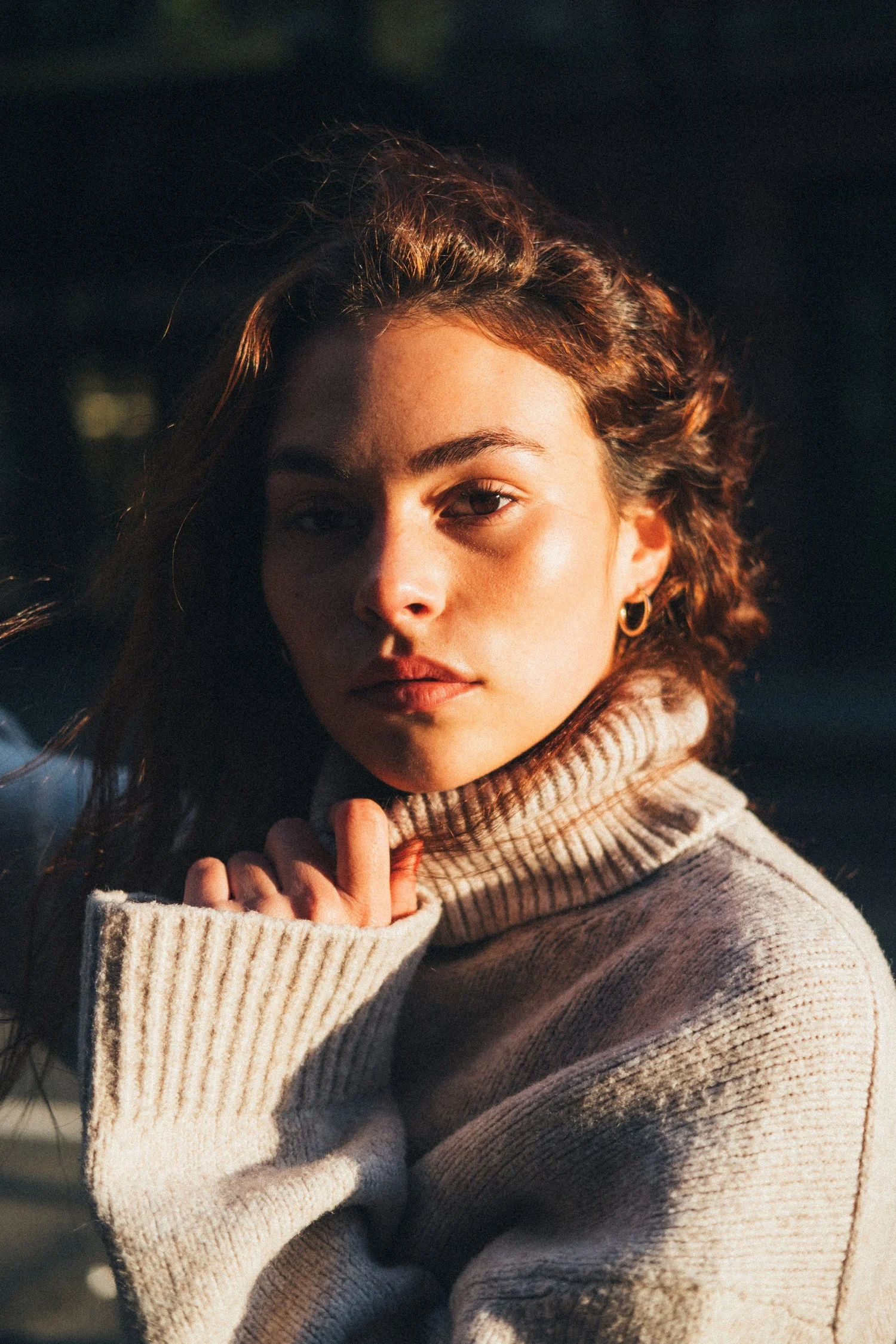
Begin with a gap in your existing photographs: a stronger close portrait, full-length work, movement, or a different expression. Share your current portfolio and explain what you hope to add. Include a representative’s guidance early if they are involved.
Marley’s close portrait puts expression and side light first. A wider picture would provide different information about posture and clothing. Choose a few priorities so we can refine useful photographs instead of rushing through unrelated references. The examples here show creative possibilities from my portrait work.
Choose styling that supports the photographs
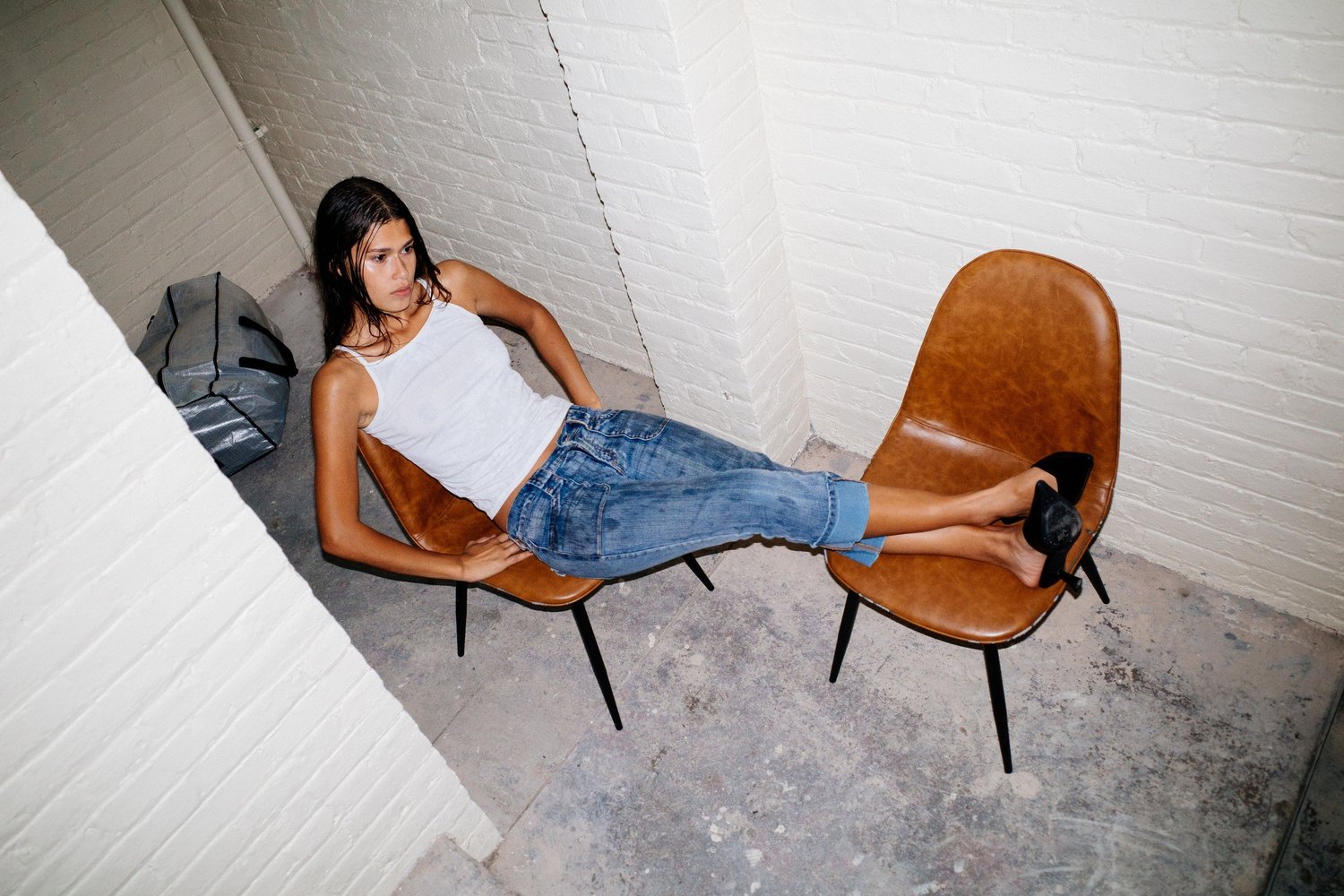
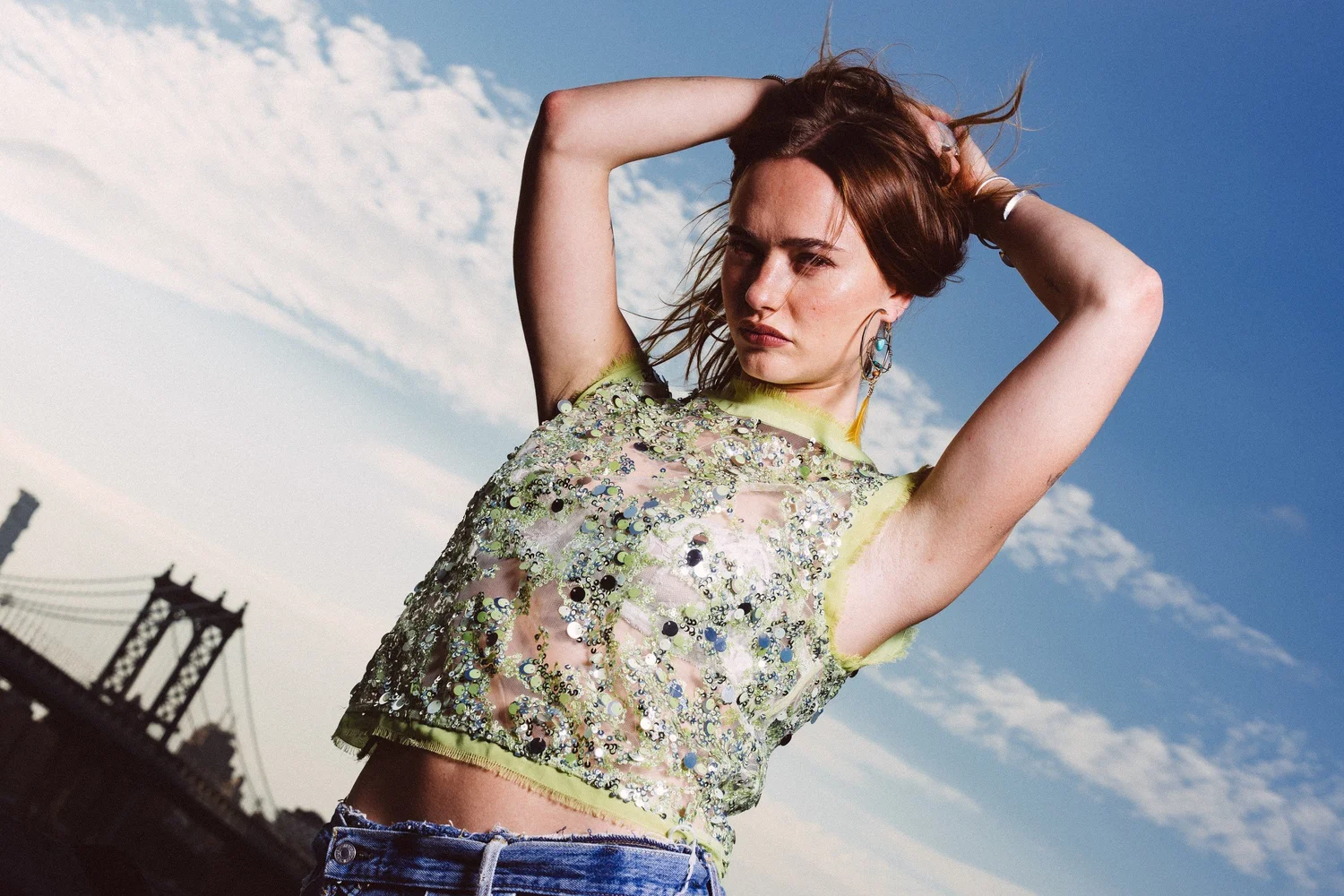
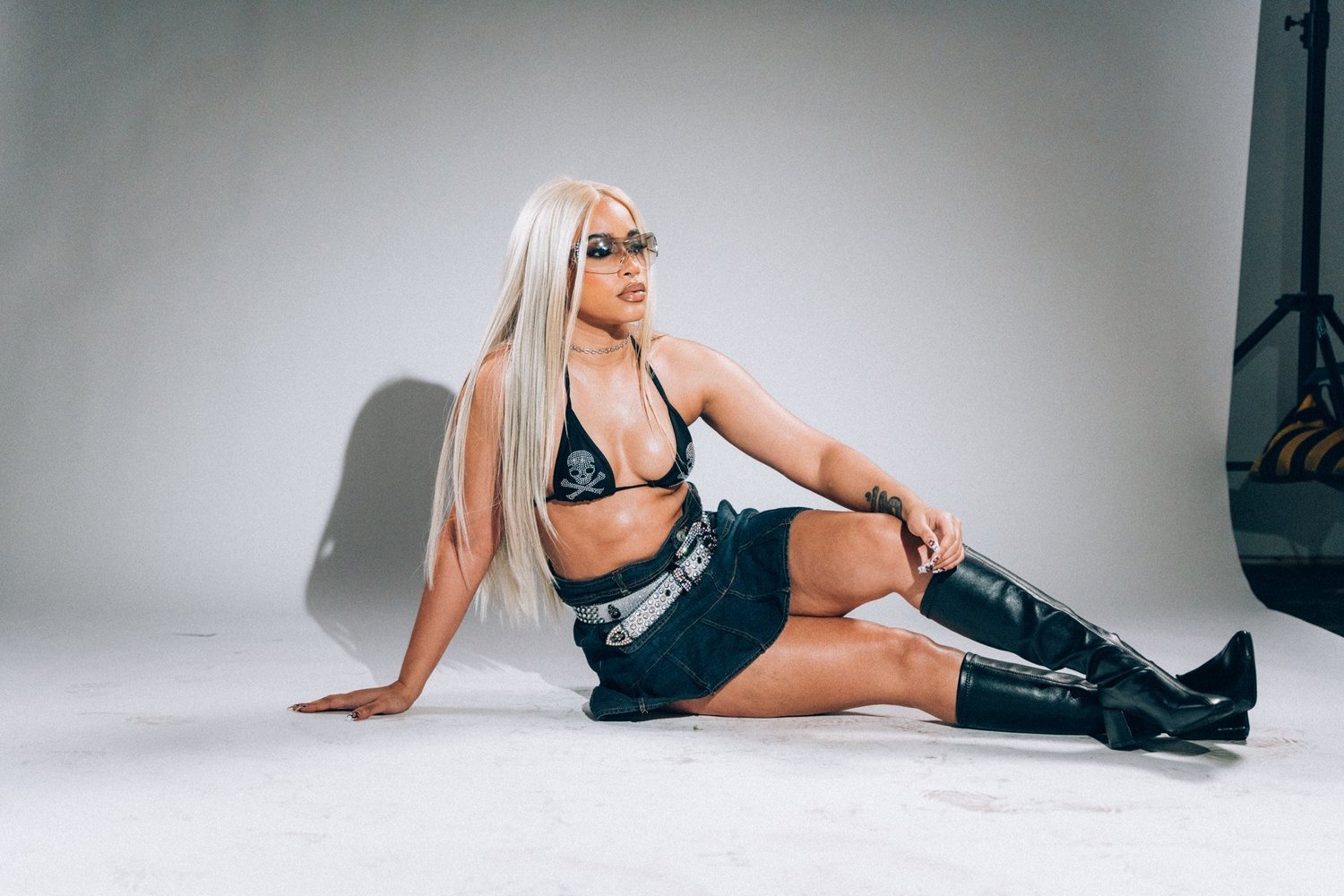
Styling should serve that purpose. Tara’s white top and jeans leave room for posture and furniture to shape the picture. Johnny’s embellished top makes clothing more prominent. Decide which direction would add something useful to your portfolio.
Try complete outfits while sitting, walking, and raising your arms. Notice anything that needs constant adjustment. A few considered looks are easier to use than a bag of disconnected pieces. The portrait wardrobe guide covers texture, color, and practical preparation.
Work through variations within a look
You do not need a new pose every second. Begin with one position, make a small adjustment, and let the expression develop. Repeating an action gives us time to refine the photograph while you become comfortable doing it.
Amanda’s walk includes movement and setting; Johnny’s close gaze creates another kind of presence. Vary distance and expression as well as outfits. Say when direction feels uncomfortable, and use the natural portrait guide for simple starting points.
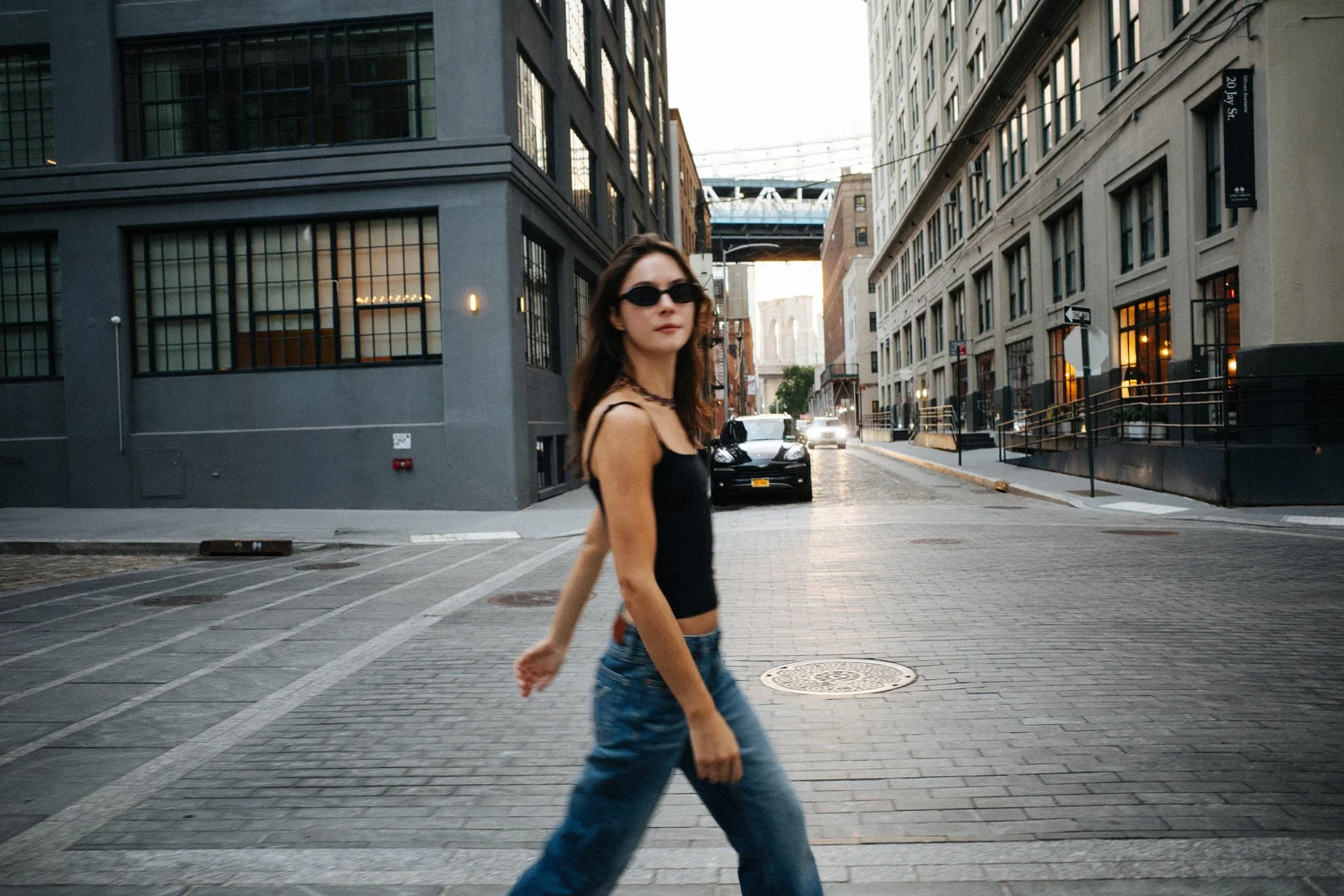

Choose a setting with a purpose
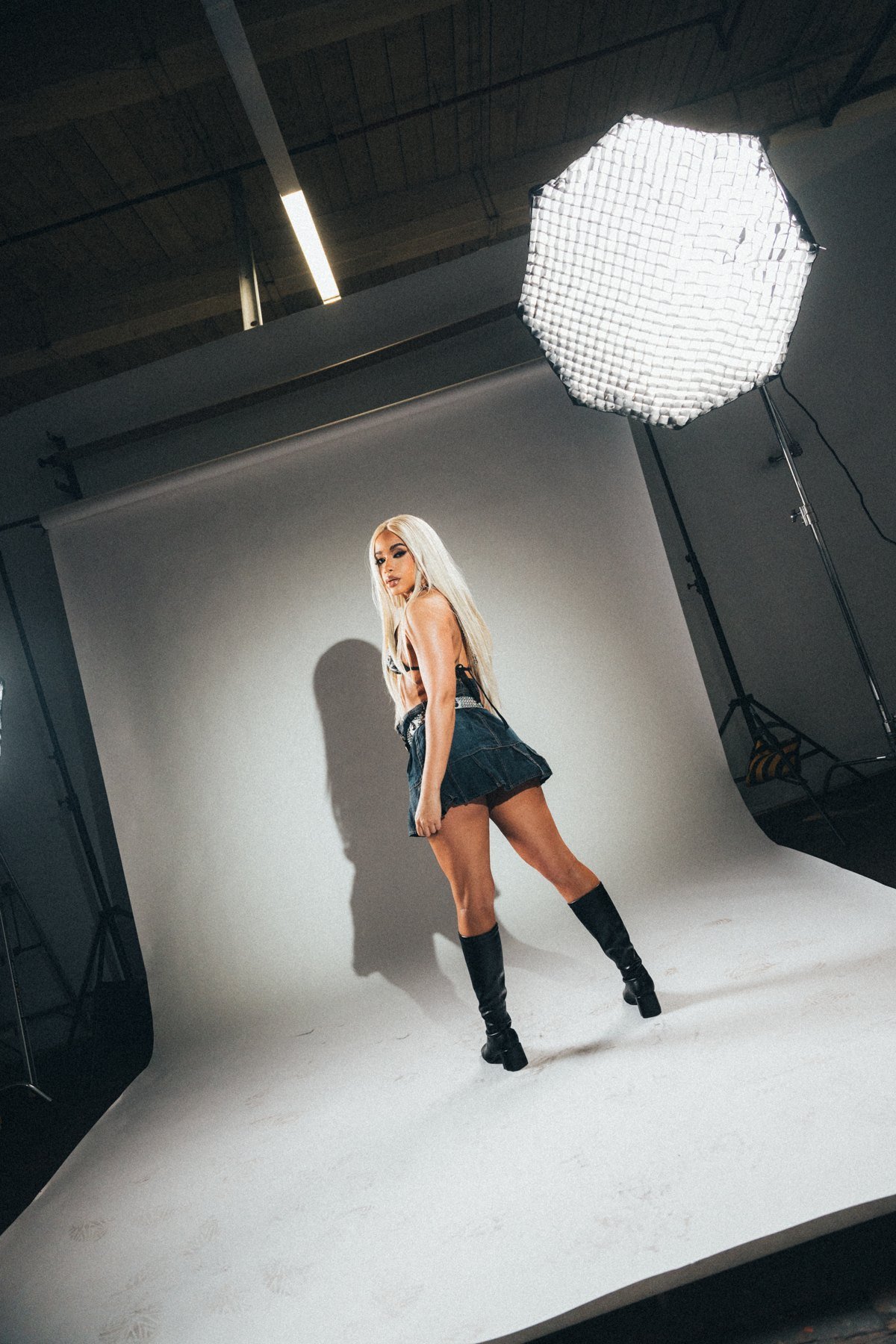
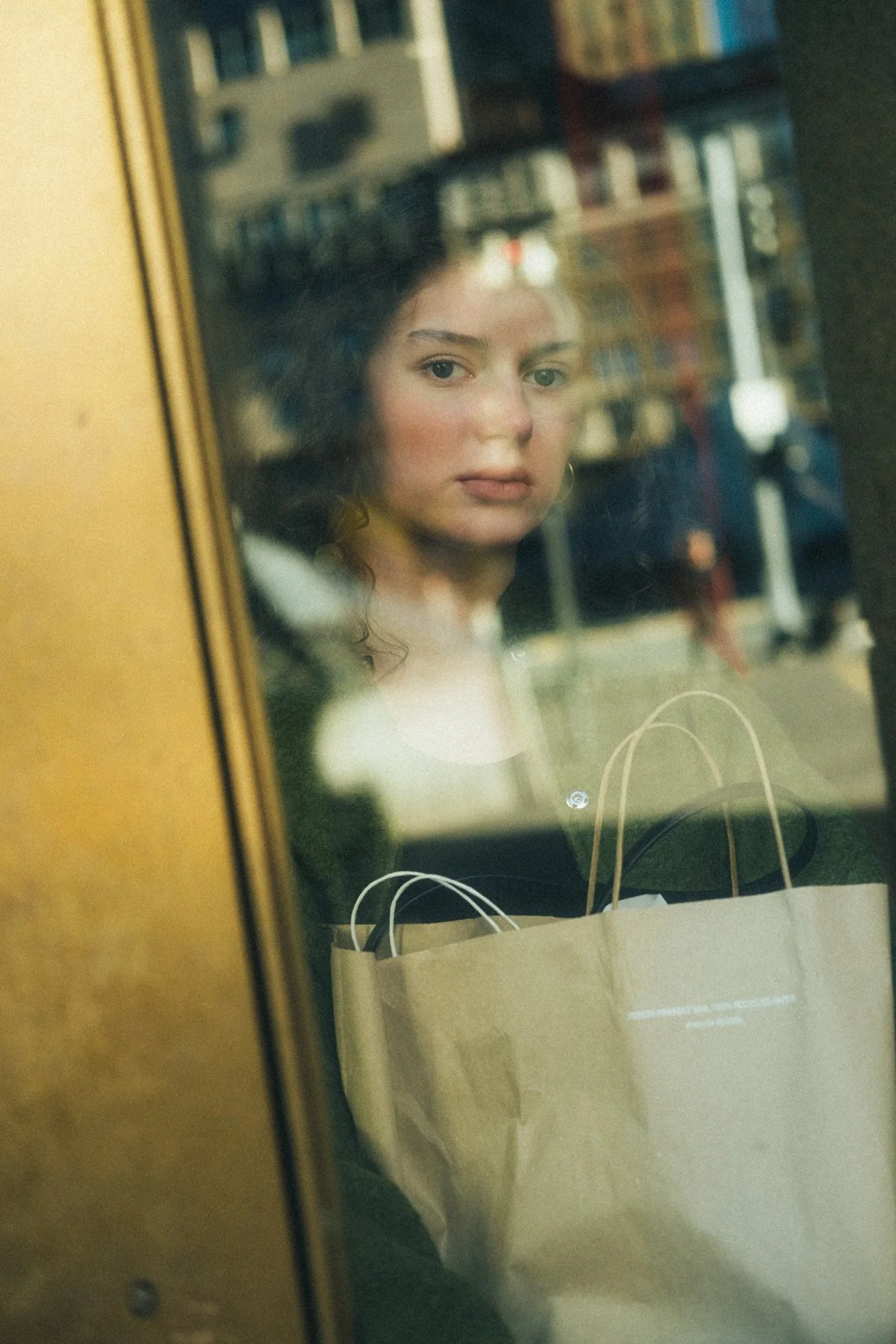
Choose whether the surroundings should stay quiet or contribute atmosphere. Olenka’s reflections are part of the image, while Rose’s seated studio portrait concentrates on clothing and body shape. Each direction needs a different plan.
Discuss access, changing space, travel, and alternatives for a location shoot. For studio work, clarify the space and equipment arrangements. The studio versus location guide helps compare them. A location you like in a reference is a visual starting point; its availability still needs confirming.
Agree on the working arrangement
The word “test” does not explain who pays, who participates, or what anyone receives. A shoot may be commissioned, arranged through a representative, or developed collaboratively. Make the actual arrangement clear before the date.
For an inquiry about a shoot with me, send your current portfolio, the specific gap you want to fill, your available dates, and any agency instructions. Tell me whether you need digitals, creative photographs, or separate sets of both.
Before booking, confirm:
- The session fee and any separate studio, styling, or production costs.
- Who is taking part and who brings each wardrobe or styling item.
- The agreed looks, session time, image use, and finished-photo scope.
- How selection and editing work, plus the delivery date.
A few connected references are enough to start that conversation; the word “test” alone does not mean a free shoot.
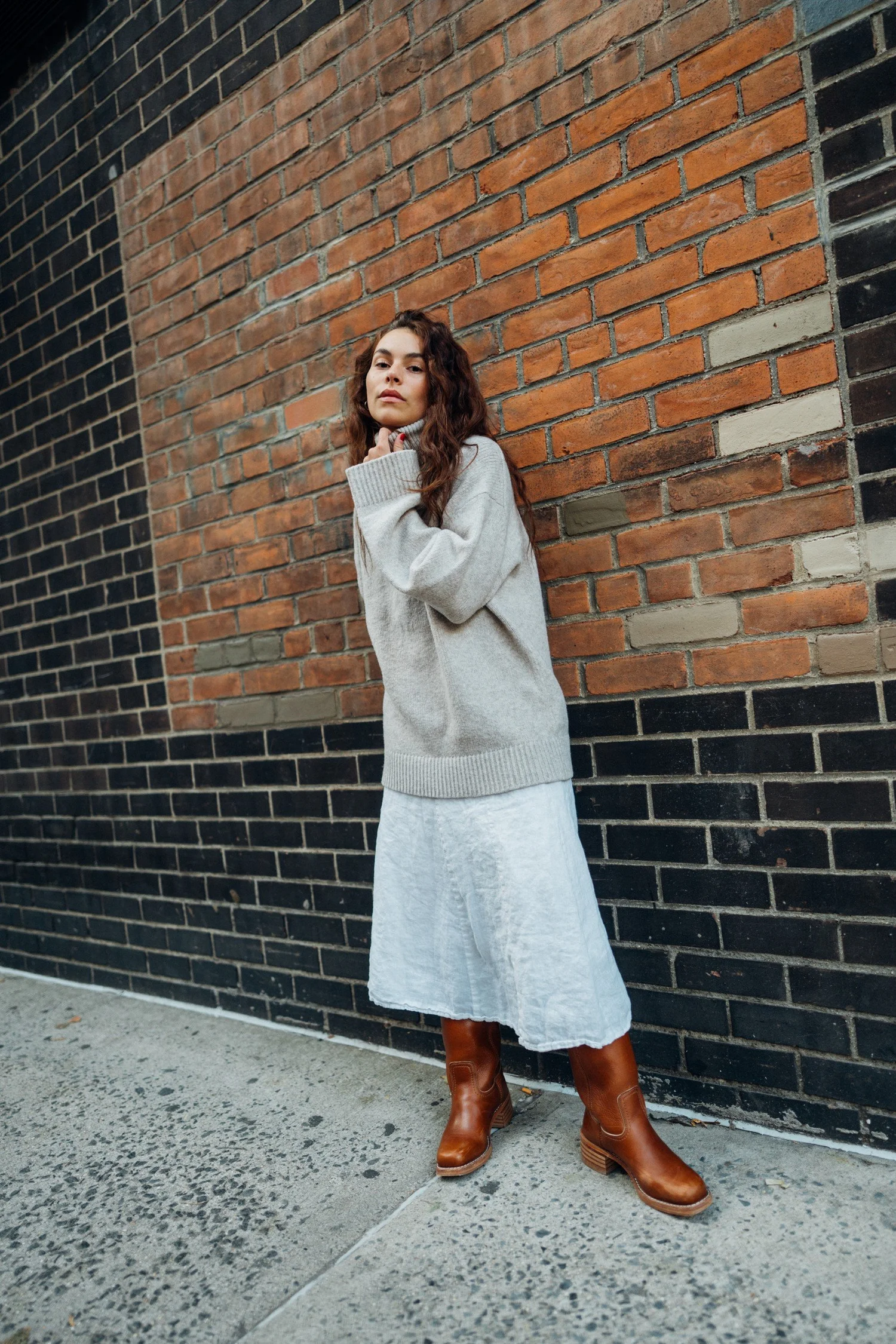
Know what happens after the shoot
Agree on selection, editing, finished-image scope, and expected delivery before booking. Share portfolio requirements and deadlines early. Do not assume every photograph or every revision is included.
Select for useful differences in expression, shape, and framing. The final portrait selection guide can help narrow the set. A test can develop your portfolio but cannot promise representation or paid work. Explore my NYC portrait work, then share the gap you want to fill and any requirements you need to follow.
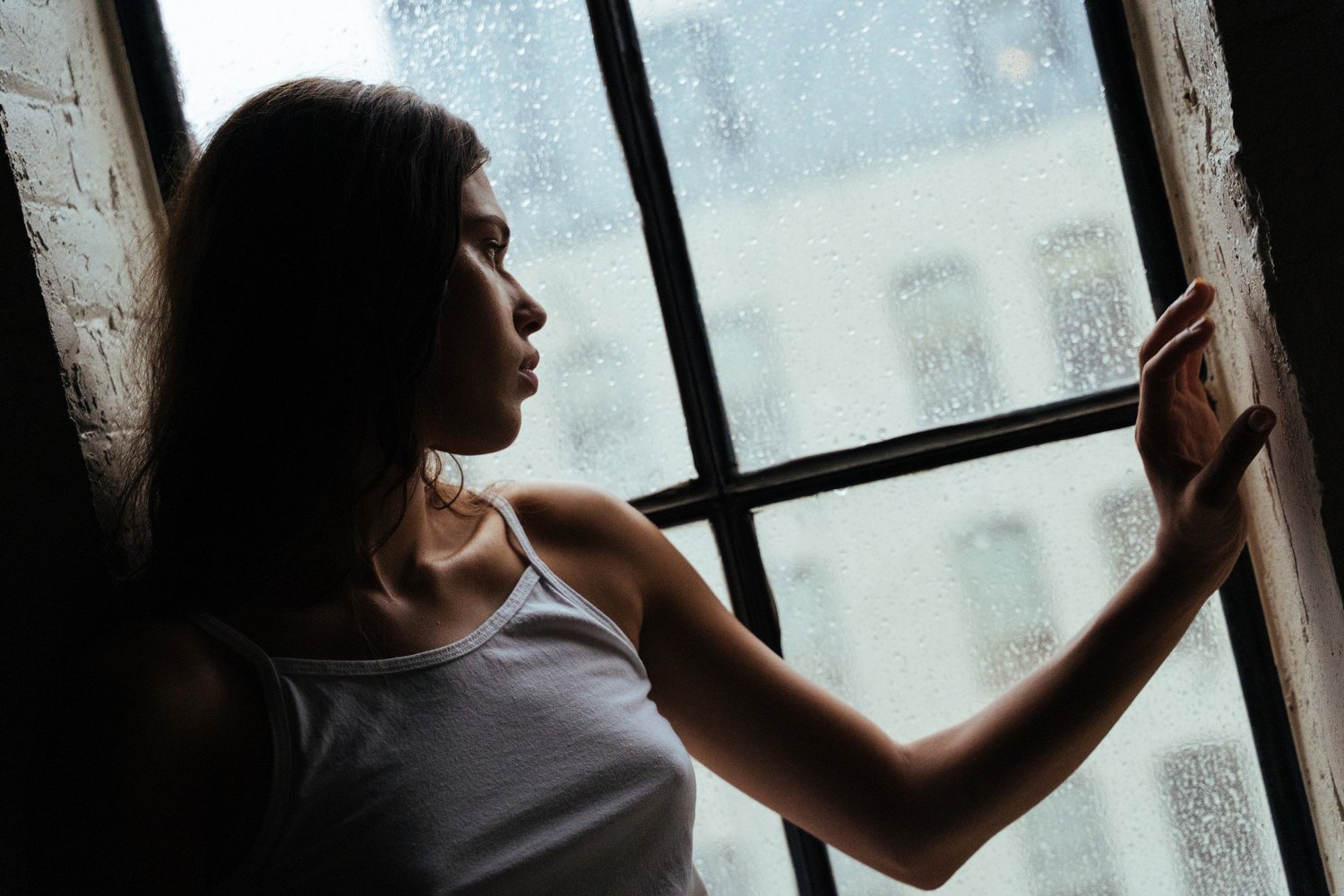
Plan your NYC model test shoot
Send your preferred dates, current book or submission brief and the agency requirements you want to work toward. The $400 session allows 1–2 hours and delivers your gallery within two weeks. We can confirm whether the photographs you need fit a creative test or a digitals brief before booking.
Ask about your model-test brief · See the $400 NYC model-test package
Continue planning with what to wear for your three looks.