

Golden hour is overrated: when should you actually take portraits?
Planning outdoor portraits in NYC? Pick the light you want before choosing a time solely because it is called golden hour. Explore NYC portrait sessions or ask about your portrait session.
The best time of day for outdoor portraits depends on the light you want and the location you can use. These photographs show why direct sun, soft shade, backlight, and architecture each deserve a place in the conversation before you pick an hour.
The short answer
Use golden hour for warm, directional softness; midday for bold color and graphic shadow; overcast conditions for flexible, even light; blue hour for cinematic city atmosphere; and open shade when consistency matters more than the clock.
Why everyone recommends golden hour
Shortly after sunrise and before sunset, the sun sits low. Light travels through more atmosphere, often appearing warmer and less severe than midday sun. Long shadows create shape, and backlight can separate hair and clothing from the background. It is an efficient recipe for flattering, romantic images.
But the recommendation became a rule because it is easy to repeat, not because every location behaves the same way. Tall buildings may block the sun long before the published sunset. A west-facing waterfront and an east-facing alley can have completely different useful windows.
When golden hour is exactly right
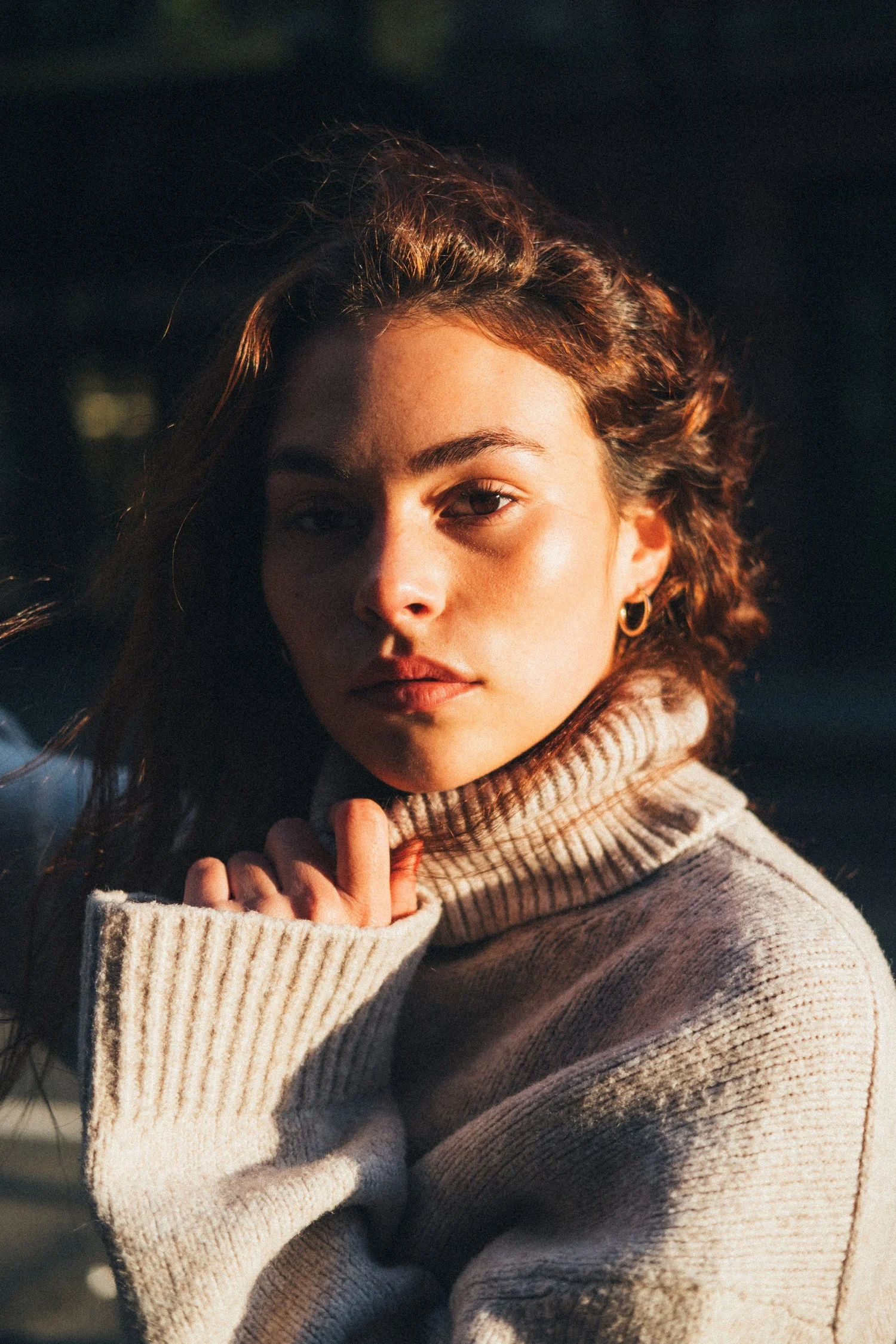
Notice how light across Marley's face gives the photograph warmth and a clear division between brightness and shadow. The useful reference is the visible effect, not an assumed clock time. When you share a photograph like this before a session, describe the warm color and direction of the light you like; the route and date determine when a similar effect may be possible.
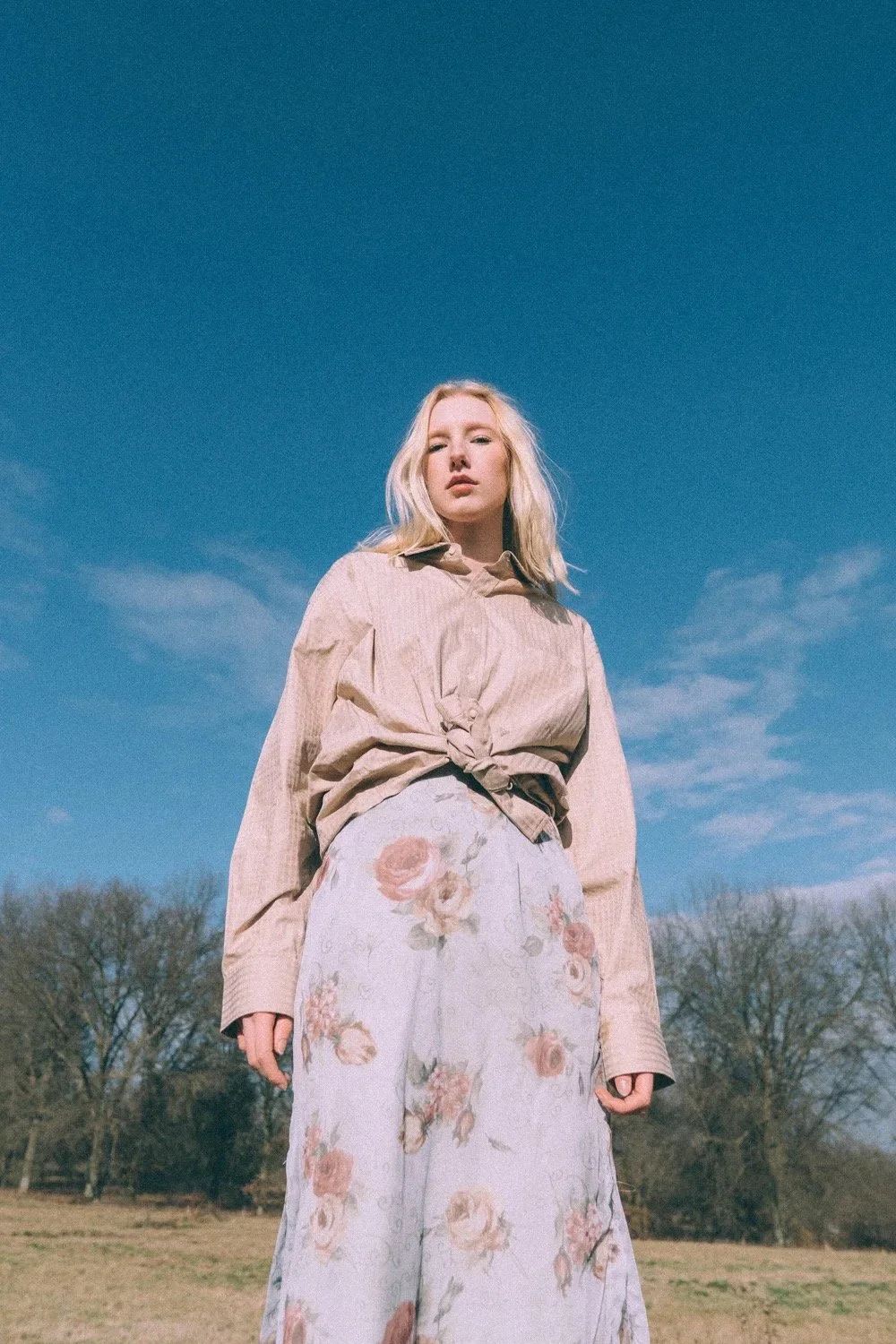
Choose it when warmth, softness, movement, and atmosphere fit the brief. It works especially well in open spaces where the horizon is visible and the low sun can reach the subject. Backlit fabric, hair, dust, mist, and foliage can become luminous.
The tradeoff is speed. Light changes continuously, so the session must move. A late arrival can erase an important setup. Color can also become extremely warm, which may fight cool wardrobe or a cleaner visual identity.
Midday sun is not bad light
Johnny's portrait uses open sky, direct light, and a low viewpoint. It feels different from a soft close-up because the light makes the clothing and shapes more pronounced. There is no need to infer that it was photographed at noon to learn from it: this is an example of using strong light deliberately.
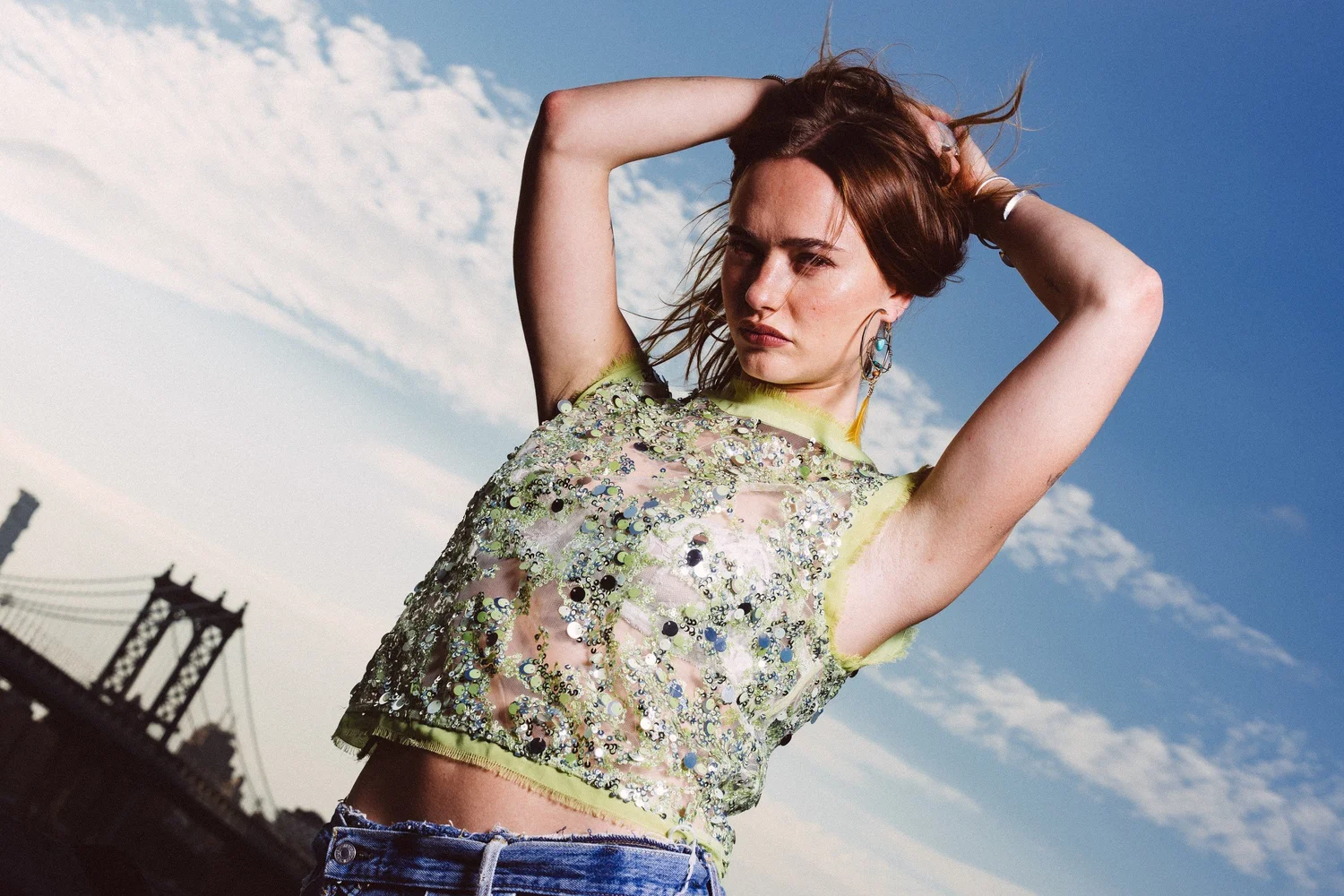
High sun creates stronger contrast, shorter shadows, and saturated color. Used carelessly, it can produce dark eye sockets and uncomfortable squinting. Used intentionally, it can feel graphic, energetic, modern, and alive.
Midday works when the concept welcomes hardness. A photographer can turn the subject, use architecture to shape the light, introduce diffusion or reflection, or let sharp shadows become part of the composition. It is often a better match for fashion, music, and youth-oriented portraits than the automatic romance of sunset.
Open shade is the quiet workhorse
A quieter background and readable eyes can make a close portrait especially direct. In this photograph, Johnny's expression carries more of the image than the surroundings. If that is what you want from a session, show your photographer the kind of face detail and gentle background you prefer, then identify suitable light on the route.

Open shade means the subject is protected from direct sun while still facing a bright area of sky. The result can be soft, consistent light with clear eyes and comfortable expression. It is available under building edges, beside walls, beneath awnings, and at the edge of tree cover.
Not all shade is equal. Deep shade can look flat or create strong color casts from nearby surfaces. Green leaves, red brick, and painted walls can reflect their color into skin. The photographer should watch both the direction and color of the light, not merely whether the sun is blocked.
Overcast days are more flexible than they look
Clouds scatter sunlight, reducing harsh shadow and allowing more freedom in where the subject faces. That flexibility can extend shooting time and make a complicated location easier to use. Colorful clothing and textured environments often photograph beautifully without direct sun competing for attention.
Heavy cloud is not automatically cinematic. Without a clear direction, the light can feel dull. Good placement still matters: near a bright opening, beneath a structure, or against a darker background that gives the face separation. “Overcast” describes weather, not a complete lighting plan.
Blue hour earns its name after the sun is gone
Blue hour is the brief period of cool ambient light before sunrise or after sunset. City lights, signs, windows, and practical lamps begin to balance with the sky. The mood can feel cinematic, quiet, electric, or nocturnal.
It also requires preparation. Light levels fall quickly, camera settings change, and movement may blur. Supplemental light may be useful. If the concept depends on both readable sky and illuminated city, the window can be shorter than expected.
In a city, architecture controls the clock
The street around Amanda creates its own pattern of brightness and shade. The window photograph shows another relationship between a bright opening and a darker surrounding space. This is why a sunset time alone cannot tell you whether a particular block will have the light you want.
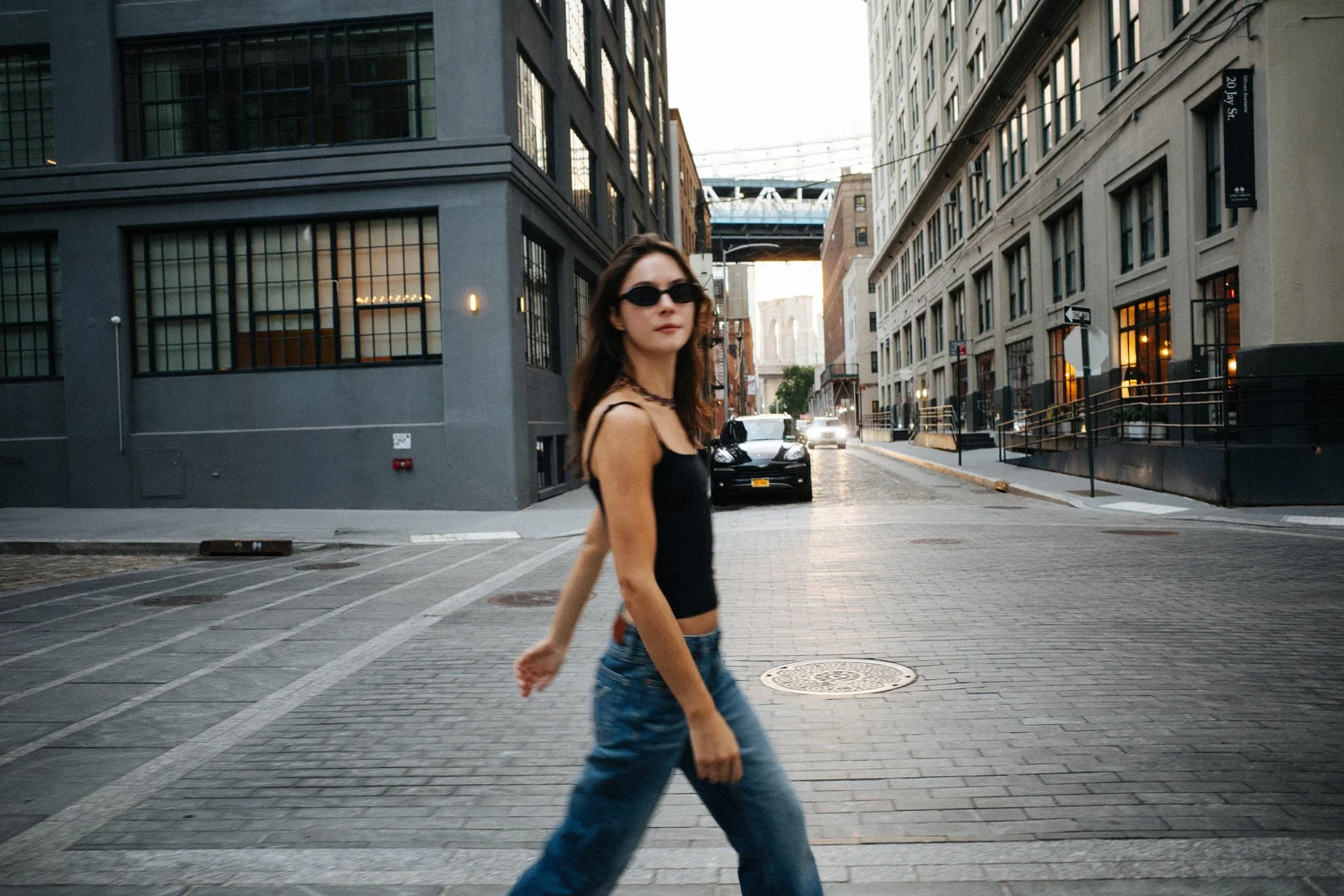
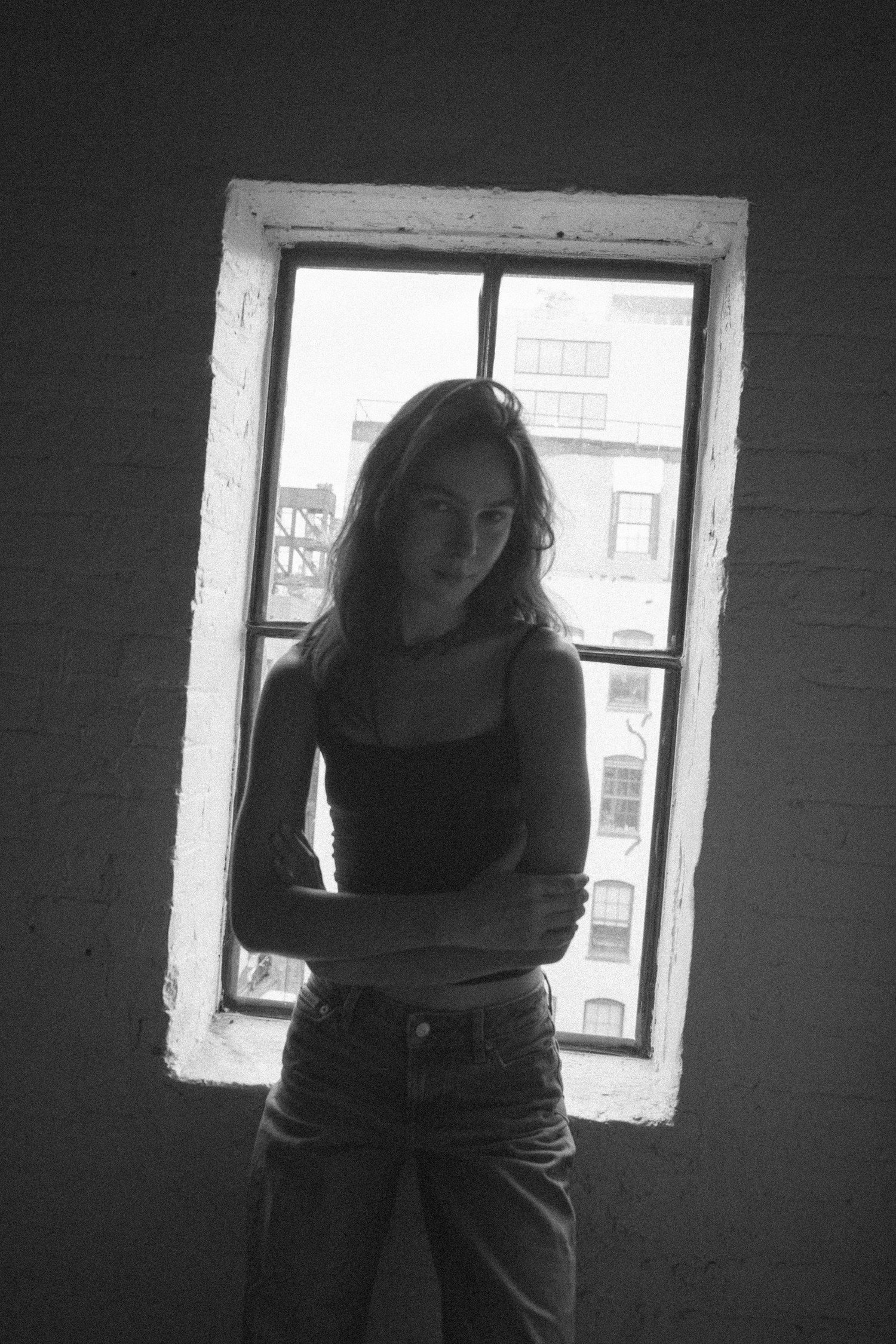
Sunrise and sunset times do not tell you when a specific block receives light. Street orientation, building height, scaffolding, glass reflections, and seasonal sun angle can create or remove entire setups. A location scout is more useful than a generic golden-hour calculator.
Direct reflections from glass can produce unexpected pockets of beautiful light. A street that feels dark in the morning may glow in late afternoon. The best time for an urban portrait is often the best time for that exact wall, intersection, rooftop, or window.
Skin tone does not require one kind of light
Every skin tone can be photographed across soft and hard light. The important variables are exposure, contrast, reflection, color contamination, and the intent of the image. Rules that assign particular people to one “flattering” setup are usually substitutes for careful observation.
Discuss the finish you want. Luminous, matte, glossy, sculptural, natural, dramatic, and high-key all lead to different choices. A photographer’s portfolio should show that they can maintain believable color and detail in conditions related to your plan.
Choose time in this order
- Story: should the image feel soft, graphic, moody, bright, quiet, or electric?
- Location: when does the useful light reach the actual shooting area?
- Subject: what conditions support comfort, wardrobe, movement, and expression?
- Production: how much time is needed for access, setup, changes, and travel?
- Weather: what changes if the forecast shifts?
- Backup: can shade, interiors, or another nearby area save the plan?
The best light is the light you can use on purpose
A beautiful sunset cannot compensate for a rushed subject, blocked location, or concept that needs harder energy. Midday is not a mistake. Clouds are not a disappointment. Shade is not a compromise. Every condition has a visual language.
Choose the language first. Then choose the time that speaks it.
Compare light before choosing the hour
The warm window light in this couples photograph is an interior reference, included to make the quality of backlight easy to see. Separate that visual preference from the location decision: you may love the glow but want an outdoor setting. Bring both preferences to the planning conversation, then compare access, weather, orientation, and the actual date.
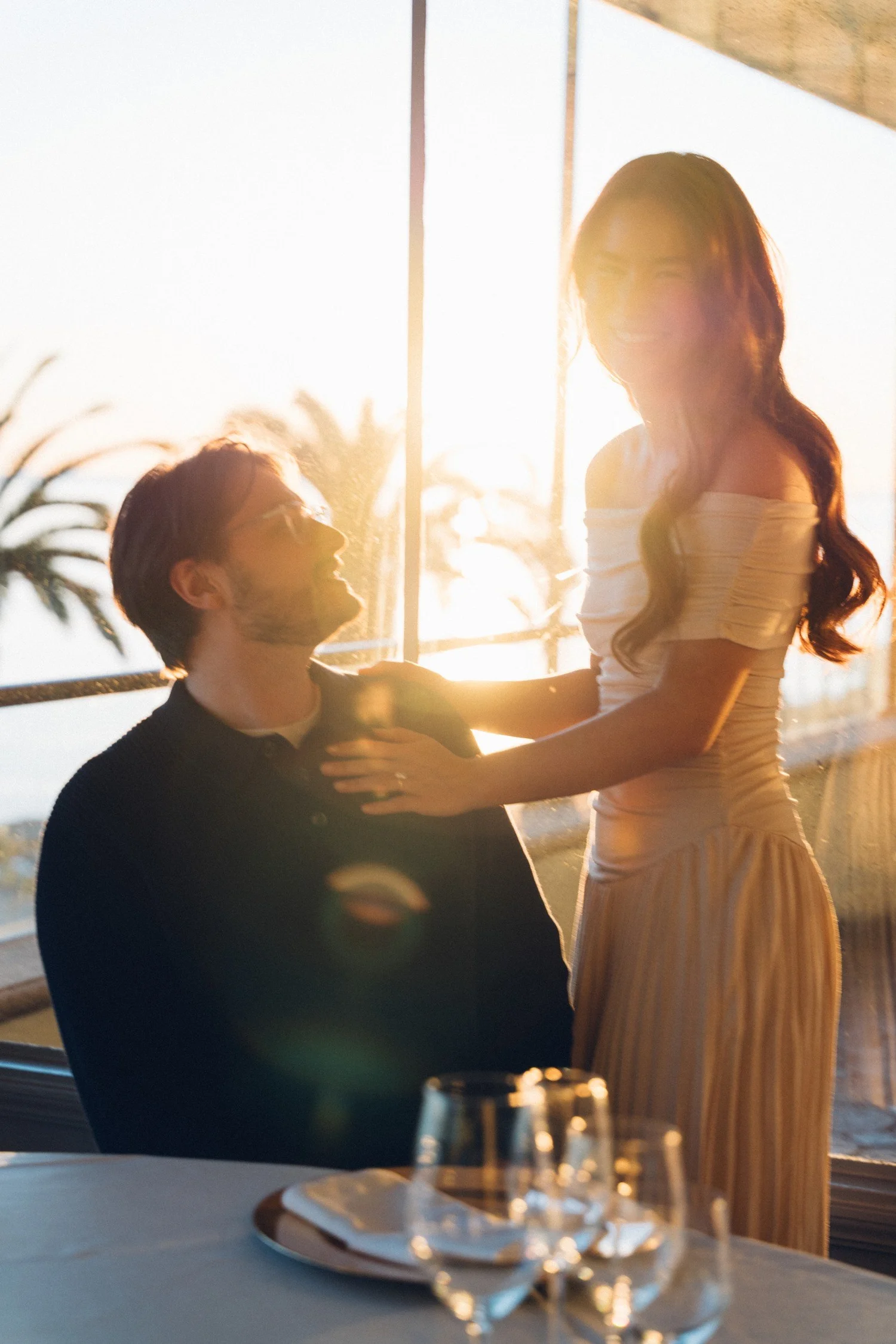
Look through the portrait portfolio and choose one photograph with strong shadows and one with softer light. Notice the face, background and clothing in each. Decide which treatment supports your intended use, then discuss where that light can be found on the session date.
Explore NYC portrait photography, with assignments also available in Los Angeles and Miami. Work with @heyZian for your preferred date and location. Compare studio versus location if weather flexibility matters.
Choose the light for your portrait session
Share your preferred dates, location ideas and two or three photographs with light you enjoy. Tell me about timing restrictions and where the portraits will appear; we can compare direct sun, shade and lower light in a practical session plan.
Ask about your portrait session · Explore NYC portrait sessions
Continue planning with NYC locations with different kinds of light.