

The best Los Angeles portrait locations for every kind of personal brand
Planning personal-brand portraits in Los Angeles? Match the setting to your work and ask about dates and travel availability before finalizing the shoot. Explore Los Angeles portrait photography or ask about la dates and travel.
Your Los Angeles personal-brand portrait location should help the photographs do their job. Start with the audience, mood, and formats you need, then choose architecture, color, nature, a working space, or a studio that supports that direction.
Choose the job your setting needs to do
- Introduce you clearly: a simple wall or controlled studio background.
- Show what you do: an approved workspace, home, or studio with relevant details.
- Create structure: Downtown, Bunker Hill, or Culver City architecture.
- Suggest ease and movement: a compact coastal route around Santa Monica or Venice.
- Add color or texture: one coordinated Arts District or storefront setting.
Start with one area. Check access and light, then choose the crops and wardrobe around where the photographs will appear.
Choose a setting for the brand, not the postcode
A portrait can introduce your face, establish an atmosphere, or show how you occupy a space. These are different jobs. These portfolio photographs illustrate the visual choices; they are not a location catalogue of Los Angeles venues. Use them to explain the visual direction you want before we discuss the route.

A useful location brief sounds like “precise but approachable” or “experimental and tactile,” not “somewhere iconic.” That distinction prevents a personal-brand session from becoming a collection of unrelated LA backdrops. If the visual system for your website is neutral and spare, a bright mural may fight it. If your work depends on play, a polished office tower may feel falsely corporate.
First decide whether the setting should explain what you do, provide atmosphere, or disappear behind expression. Then compare the following personalities. The examples are starting points, not promises of access: streets remain subject to local rules, businesses and homes need owner consent, and managed venues may require reservations or permits.
Clean and architectural
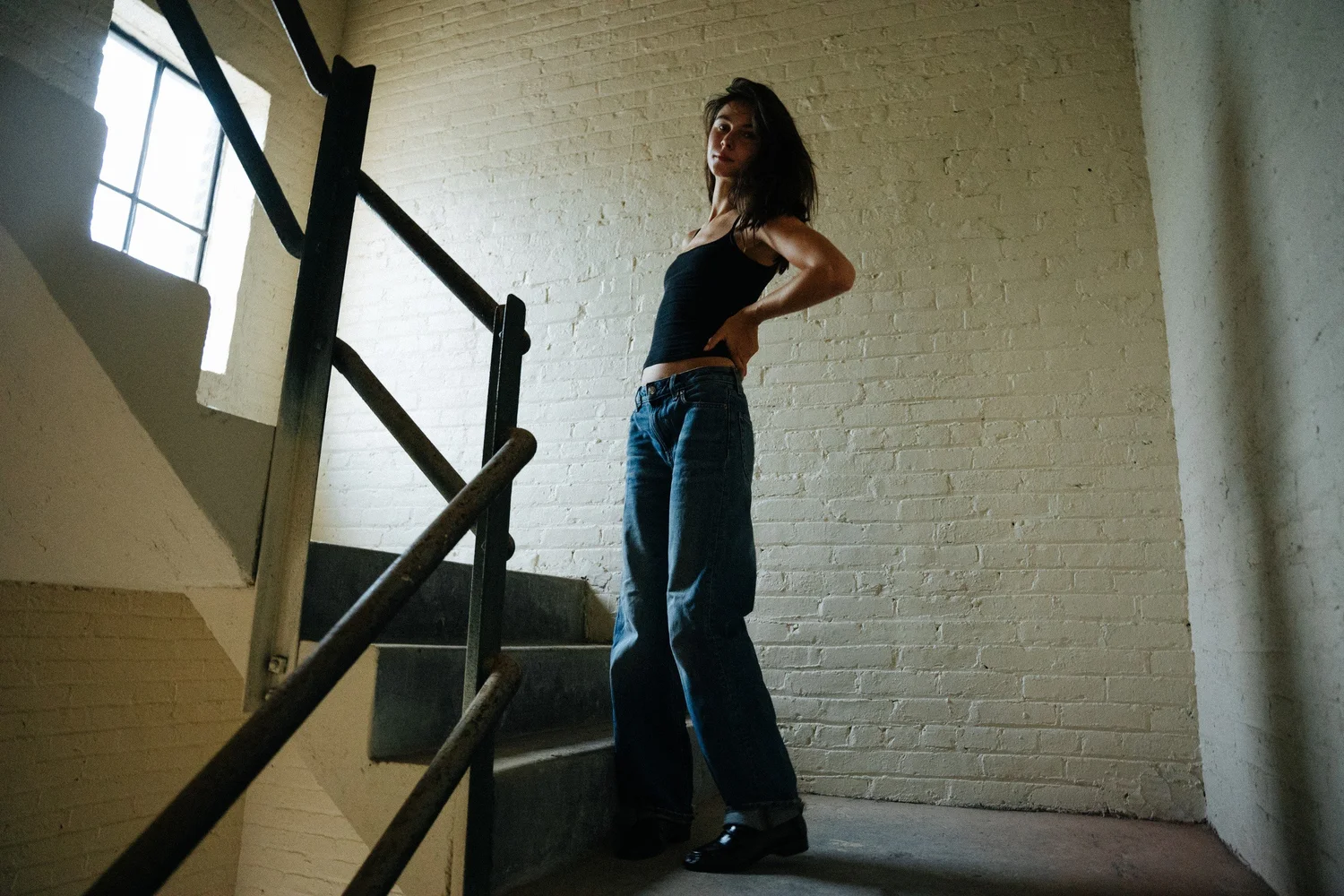
An architectural setting can add structure without requiring a famous building. In Amanda's portrait, the stair rail creates a diagonal and the window helps define the space. For a brand session, we would also consider whether the background leaves enough room for the crop or website layout you need.
For consultants, designers, architects, and founders who need order without a generic office, consider the civic geometry of Downtown LA, the broad modern lines around Bunker Hill, or restrained commercial facades in Culver City. Look for repeating columns, pale stone, glass, and open shade. Publicly visible does not automatically mean commercially available; confirm the exact jurisdiction and any building restrictions. Wide frames establish scale, while tight crops let one wall become a quiet graphic field.
Editorial and industrial
The Arts District and warehouse edges near the LA River can support fashion, music, and culture brands through concrete, loading doors, metal, and long perspective lines. The risk is visual noise: parked vehicles, deliveries, security activity, and harsh midday sun can turn “editorial” into improvised. Build the concept around one block and two textures rather than chasing warehouses. Alleys, interiors, rooftops, and working properties may be private or operational spaces; obtain permission instead of treating an interesting door as a set.
Relaxed and coastal
Santa Monica, Venice, and quieter coastal streets can signal openness, ease, wellness, or movement. Decide whether the story actually needs sand. A boardwalk-adjacent wall, shaded walkway, or simple horizon can communicate coast without vacation shorthand. Coastal light varies: the National Weather Service explains the marine-layer pattern, so a sunset plan should work with either soft cloud or direct sun. Santa Monica lists commercial still photography in public spaces within its permit guidance; check before assuming a beach, pier, park, or lot is casual access.
Artistic and colorful
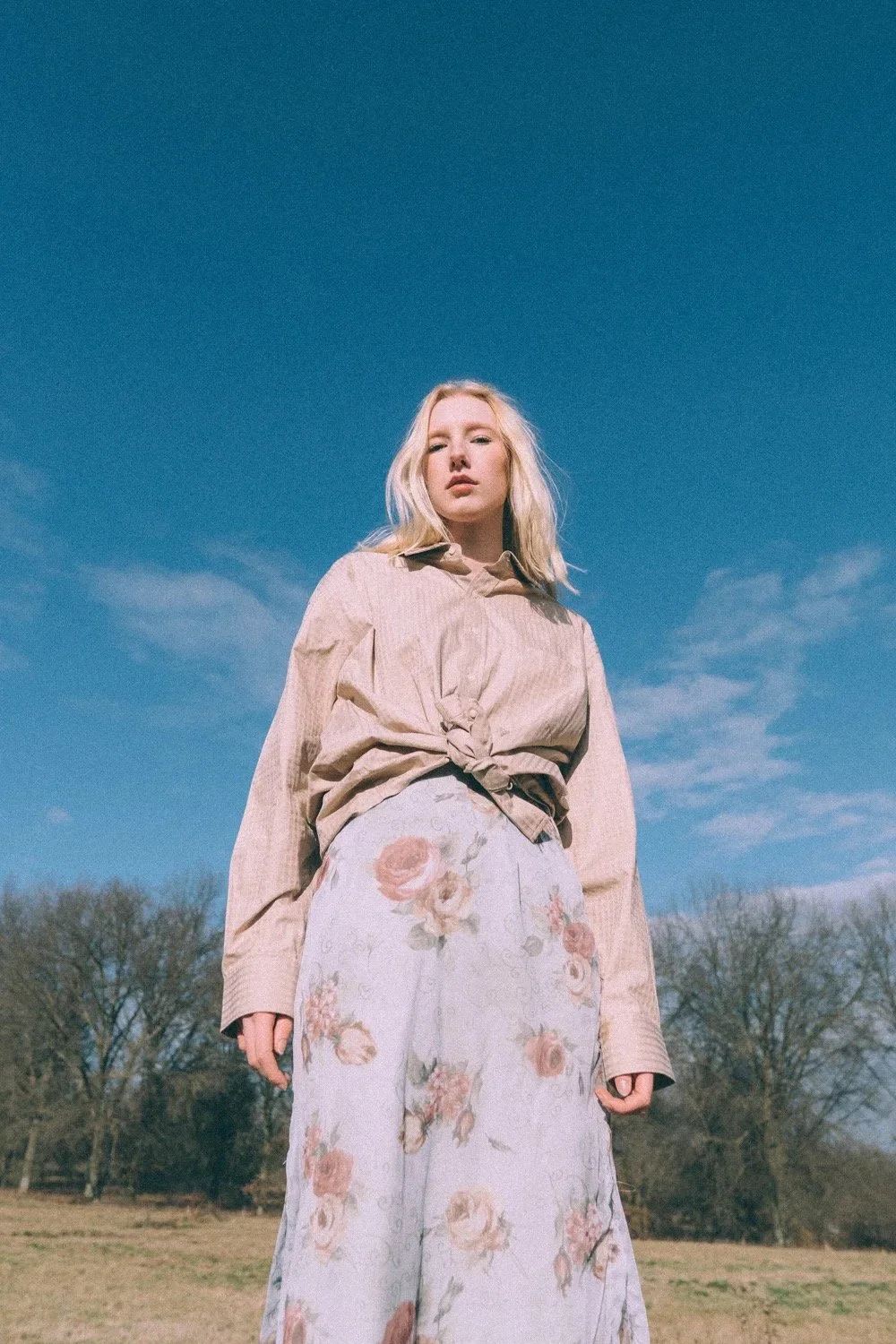
If your clothing already carries strong color, the background may work best with a quieter palette. Johnny's red dress remains the first thing you notice because the city behind her does not carry the same color intensity. This is a useful planning decision for creative professionals who want expressive portraits without visually competing elements.

Color can fit illustrators, performers, stylists, and playful product founders. Melrose-area storefronts, Koreatown signs, tiled facades, or a carefully chosen mural can provide energy. Make one hue the bridge between location, wardrobe, and brand palette. Do not photograph a random rainbow of surfaces and expect consistency later. Murals also deserve context: avoid blocking a business, identify ownership where permission is relevant, and compose so the person remains the subject rather than an accessory to someone else’s artwork.
Natural and cinematic
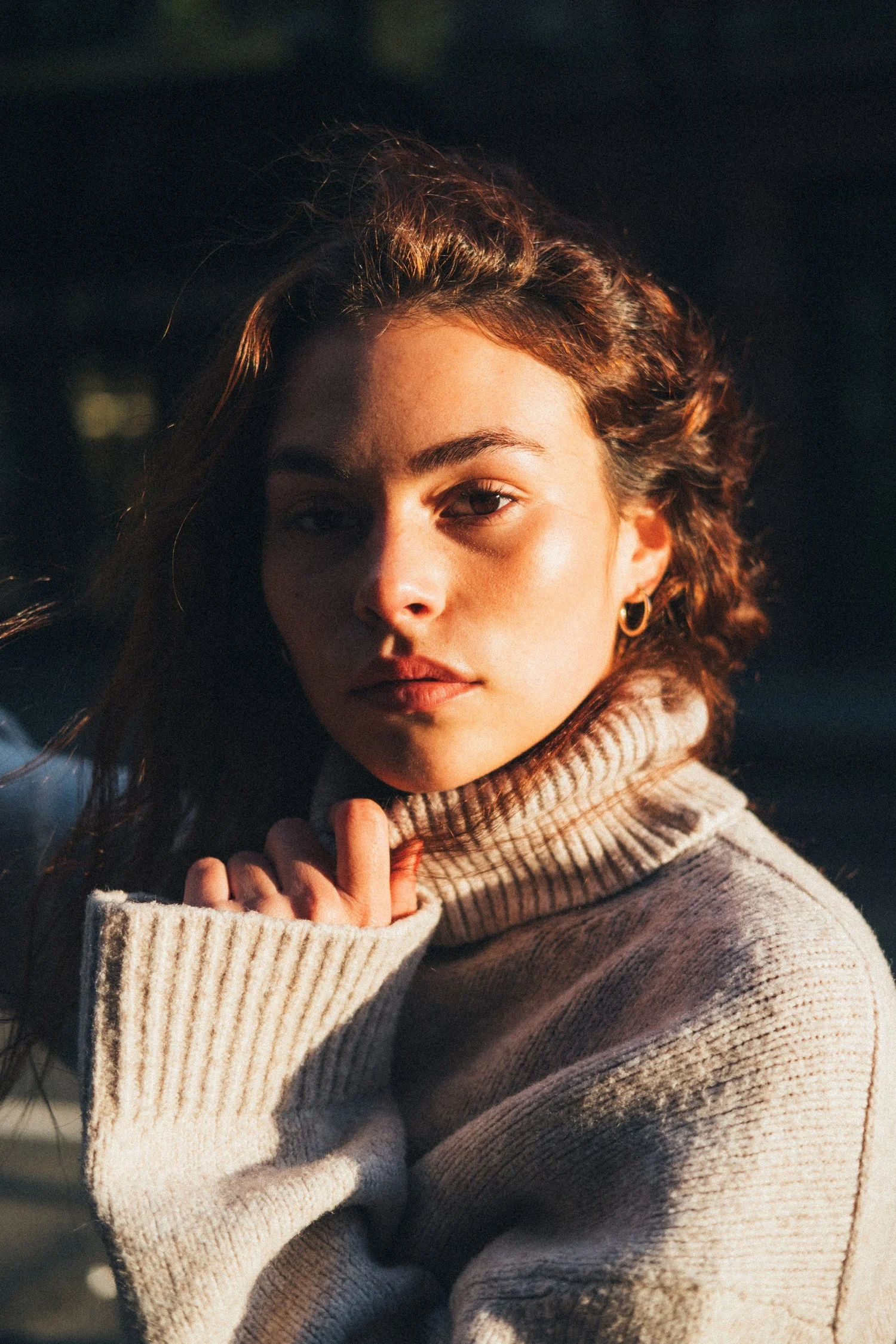
Warm directional light can make a tight portrait feel more atmospheric. Notice the shadow across Marley's face and the texture of the sweater. A mood like this may suit a personal project or an expressive press image, while a separate, more evenly lit portrait may be useful when immediate face recognition matters.
Griffith-area views, Elysian Park, canyon roads, or Los Angeles County garden and open-space settings can create a reflective, cinematic story. Nature is not automatically private: hikers, changing shade, limited staging space, and wind affect the photographs. County natural areas can require additional process and lead time; consult LA County Parks permit information for the exact property. Choose a trail edge or overlook for its light and shapes, not because it is famous.
Intimate and residential
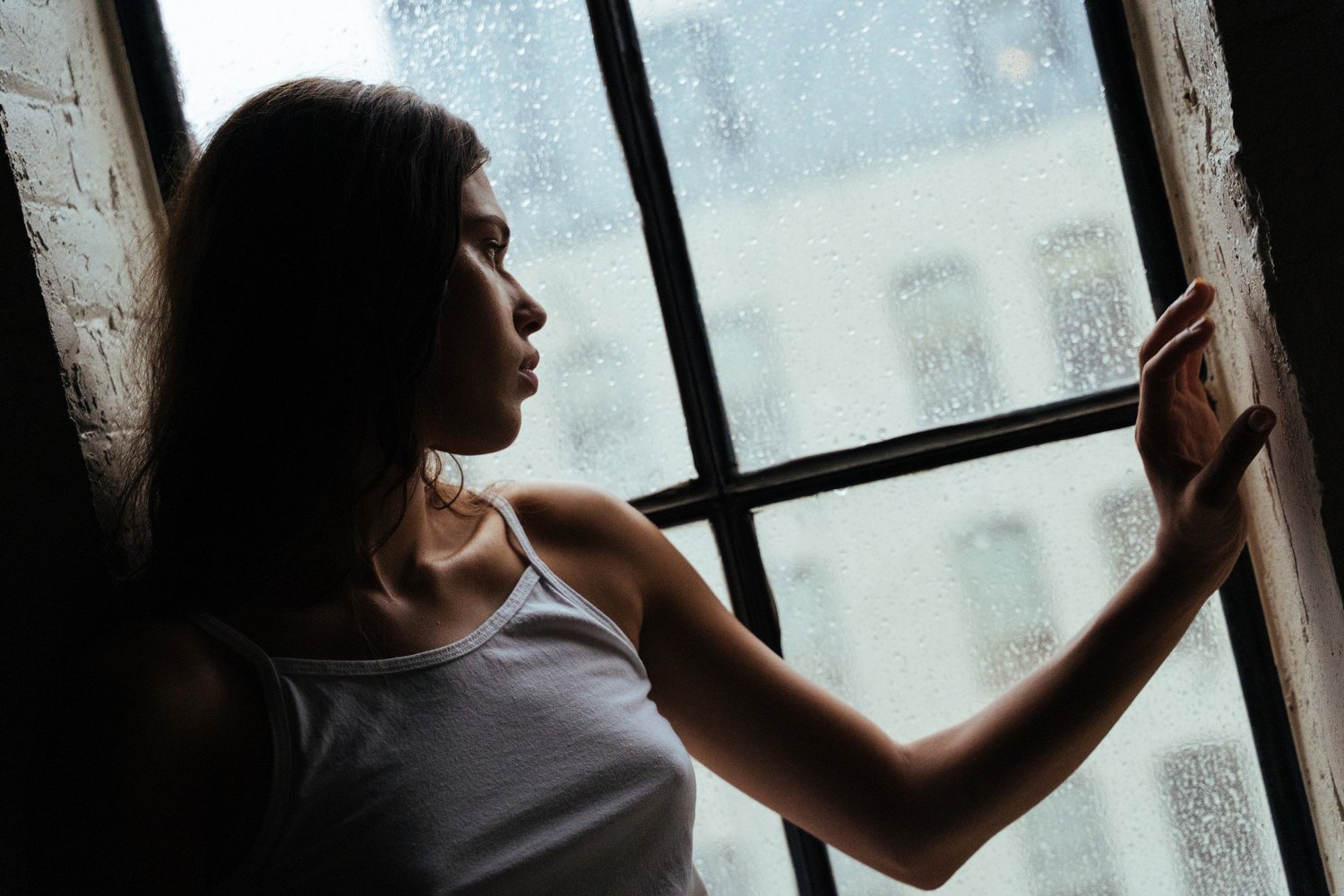
The useful part of an interior may be one window rather than the whole room. Tara's profile portrait uses the bright glass and darker foreground to create a quiet frame. A personal-brand session can include this kind of off-camera image alongside more direct portraits, provided it fits the story you want the photographs to tell.
A home, courtyard, porch, kitchen, or quiet neighborhood exterior suits writers, therapists, makers, and founders whose work is grounded in trust. It can also give more privacy for expressions that need time. Use your own or an explicitly approved property; a beautiful private home is not a public location. Keep the set visually honest by removing distractions rather than manufacturing a lifestyle. Window portraits, seated details, and hands-at-work frames often matter more than a wide room reveal.
Controlled and studio-based
A controlled space does not have to result in identical upright poses. Tara's photograph across two chairs uses body position, furniture, and the viewpoint to create an editorial frame. If you need clean headshots as well, make those a separate item in the brief. A useful gallery can contain both clear introductions and more expressive portraits.
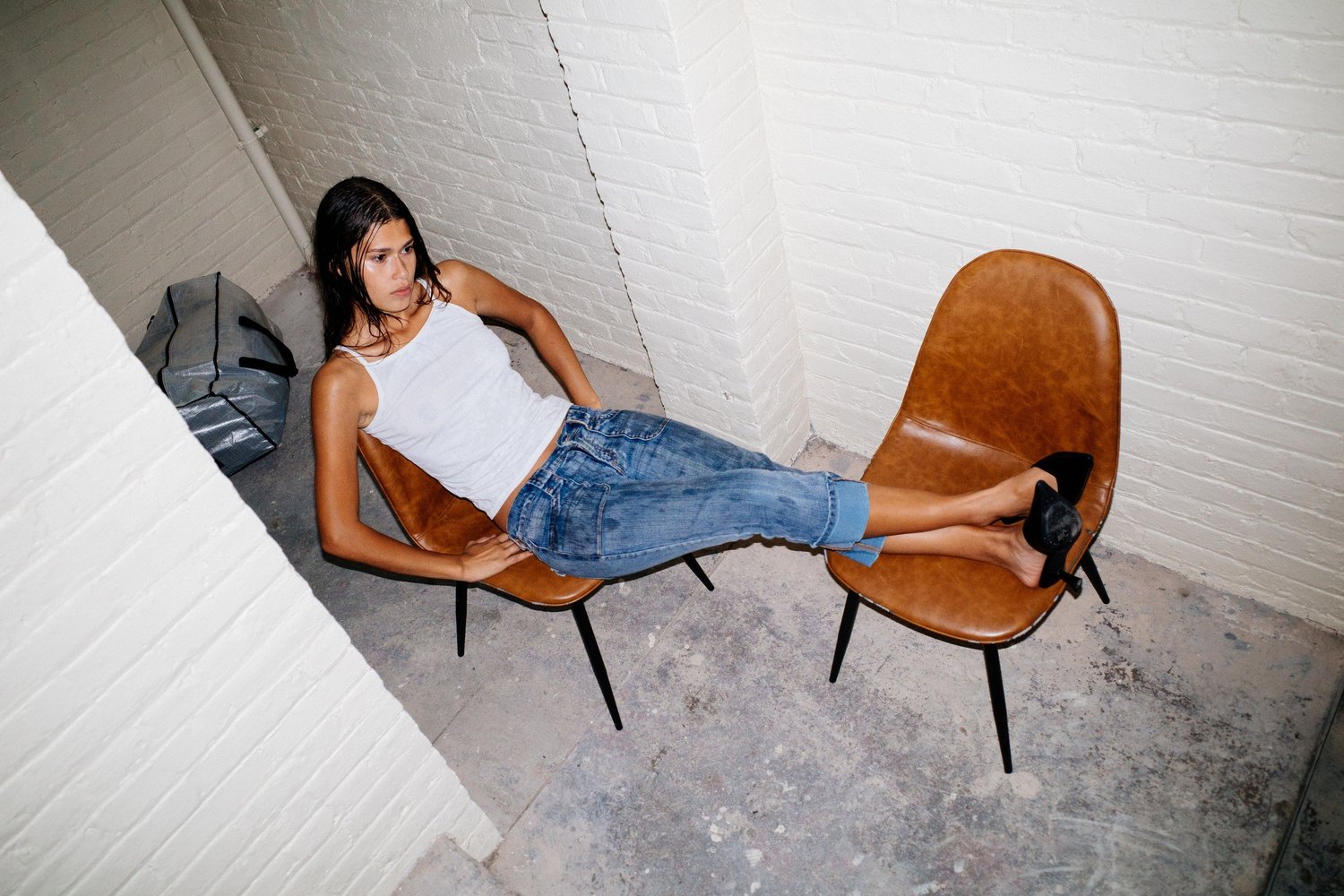
A studio is strongest when color accuracy, repeatable lighting, privacy, sound, wardrobe changes, or a strict crop list matters more than geographic atmosphere. It can deliver a coherent headshot, half-length, and full-length system in one place. Compare the tradeoffs in studio versus location portraits. A daylight loft, cyc wall, or compact rental still has booking terms, load-in rules, and overtime boundaries, so treat “controlled” as planned rather than effortless.
Plan one Los Angeles area deeply
Cross-city ambition is usually the enemy of a useful gallery. Travel time is variable, parking can consume the transition, and a second neighborhood may bring different light and visual language. Keep locations walkable or within a short, realistic move. Check posted restrictions and LADOT curb rules; a red curb is not a loading plan. If transit is part of the route, use current arrivals and alerts rather than assuming a timetable.
Direct sun gives graphic shadow and saturated color; open shade gives softer skin tone and more flexible angles. Choose deliberately using the guidance on the best time of day for outdoor portraits. Privacy also changes performance. A busy promenade may create energy for one person and self-consciousness for another. The strongest brief accounts for that before the camera comes out.
A step-by-step LA location-selection framework
Write the message. Name three qualities the photographs must communicate and one impression to avoid.
Audit the destination. List website banners, profile crops, press portraits, speaking assets, and vertical social placements before scouting.
Choose one visual family. Select architecture, industry, coast, color, nature, residence, or studio; add a second texture only if it supports the same story.
Verify reality. Check property owner, permit path, operating hours, parking, restrooms, crowds, forecast, shade, and an accessible place to change.
Test consistency. Place reference images beside your current colors, type, and work samples. If the location overwhelms them, simplify.
Wardrobe should create a system, not costume changes. One core look plus a jacket, layer, or accessory shift is often more efficient than carrying several complete outfits through a neighborhood. For a broader content strategy, see personal-branding photos for creatives.
Your practical personal-brand shot library
A direct, clean portrait with eye contact for profiles and introductions.
Horizontal environmental frames with negative space for website headlines.
Vertical three-quarter and full-length portraits for press and social use.
Tight details of hands, tools, materials, or a believable working action.
Conversational and off-camera expressions that make the library feel human.
A consistent set of neutral crops that will survive future design changes.
Location is only one part of choosing a collaborator. Ask how the photographer translates a business goal into a shot plan, directs expression, handles permissions, and keeps the edit coherent. This guide to choosing a portrait photographer gives a fuller comparison.
Los Angeles personal-brand portrait FAQ
What is the best overall LA setting for personal-brand portraits?
There is no universal winner. A compact area with two compatible textures, workable light, verified access, and room for the crops you need is better than the most recognizable landmark. Start with the brand qualities and final placements, then choose the setting.
Will I probably need a permit?
Possibly. Requirements depend on the exact city, county, state, federal, or private property and on the activity. FilmLA’s City of Los Angeles guidance covers commercial on-location work on public and private property. Confirm jurisdiction, ownership, and current rules before booking.
Is the beach better than the city?
The beach communicates space, movement, and ease; an architectural or street setting communicates structure, pace, and context. Neither is inherently stronger. Choose the one that supports your work and audience, then plan for coastal cloud or city shade rather than relying on a single light condition.
How many locations should a personal-brand session use?
Usually one area with multiple nearby backgrounds creates more usable variety than several distant neighborhoods. Every transfer costs light, energy, and setup time. Add another location only when it supplies a necessary visual chapter that cannot be made within the first.
How many wardrobe changes make sense?
Prioritize a core outfit and modular changes such as a jacket, overshirt, jewelry, or shoes. The right number depends on the shot list and changing access. A smaller coordinated wardrobe tends to produce a more consistent library than several unrelated looks.
Is a studio safer for a tight brand brief?
Often, especially when exact background color, repeatable light, privacy, close crops, or multiple clothing changes are non-negotiable. A location is stronger when environmental meaning matters. A hybrid is useful only if the schedule and visual system remain disciplined.
Related reading
Personal branding photos for creatives: Build a library around actual business uses. Studio vs. location portraits: Compare control, atmosphere, privacy, and logistics. Best time for outdoor portraits: Choose light for the intended mood. How to choose a portrait photographer: Evaluate process, direction, and fit.
Planning an individual destination portrait or personal-brand session in Los Angeles?
Match one Los Angeles area to the image’s purpose
Choose a setting because it contributes a specific quality—clean lines, color, warmth or personal context. Then check whether the route provides a second useful background nearby. In the portrait portfolio, simple studio frames and reflective environmental portraits show how different choices direct attention. Neither requires a long list of locations.
Explore Los Angeles portrait photography, then refine the brief with personal-branding ideas.
Plan your Los Angeles personal-brand portraits
Share your preferred dates, work or website, priority image placements and your location shortlist. I am based in New York and open to travel. We can discuss availability and a practical session scope, including access and the first delivery deadline.
Ask about LA dates and travel · Explore Los Angeles portrait photography
Continue planning with comparing light for outdoor portraits.
Send your Los Angeles dates, two or three intended uses, and the feeling you want the portraits to convey. We can discuss availability and a practical location plan.