NYC Summer Photoshoots: Planning Around Heat and Harsh Sun
Planning portraits this summer? Explore my portrait work and session options. Share your dates, preferred look, and any timing constraints. The guide below will help us choose the light and pace.
A NYC summer photoshoot is easier to plan when light and comfort are considered together. Bright sun can be beautiful, but it asks for a different approach from a soft portrait in shade. The right plan depends on the photographs you want and how you want the session to feel.
Choose between soft light and a more graphic look
Direct sun can create defined shadows, bright highlights, and a strong sense of summer. Shade can make the light across a face more even and keep expressions relaxed when the sun is difficult to look toward. These are creative choices rather than a ranking of good and bad light.
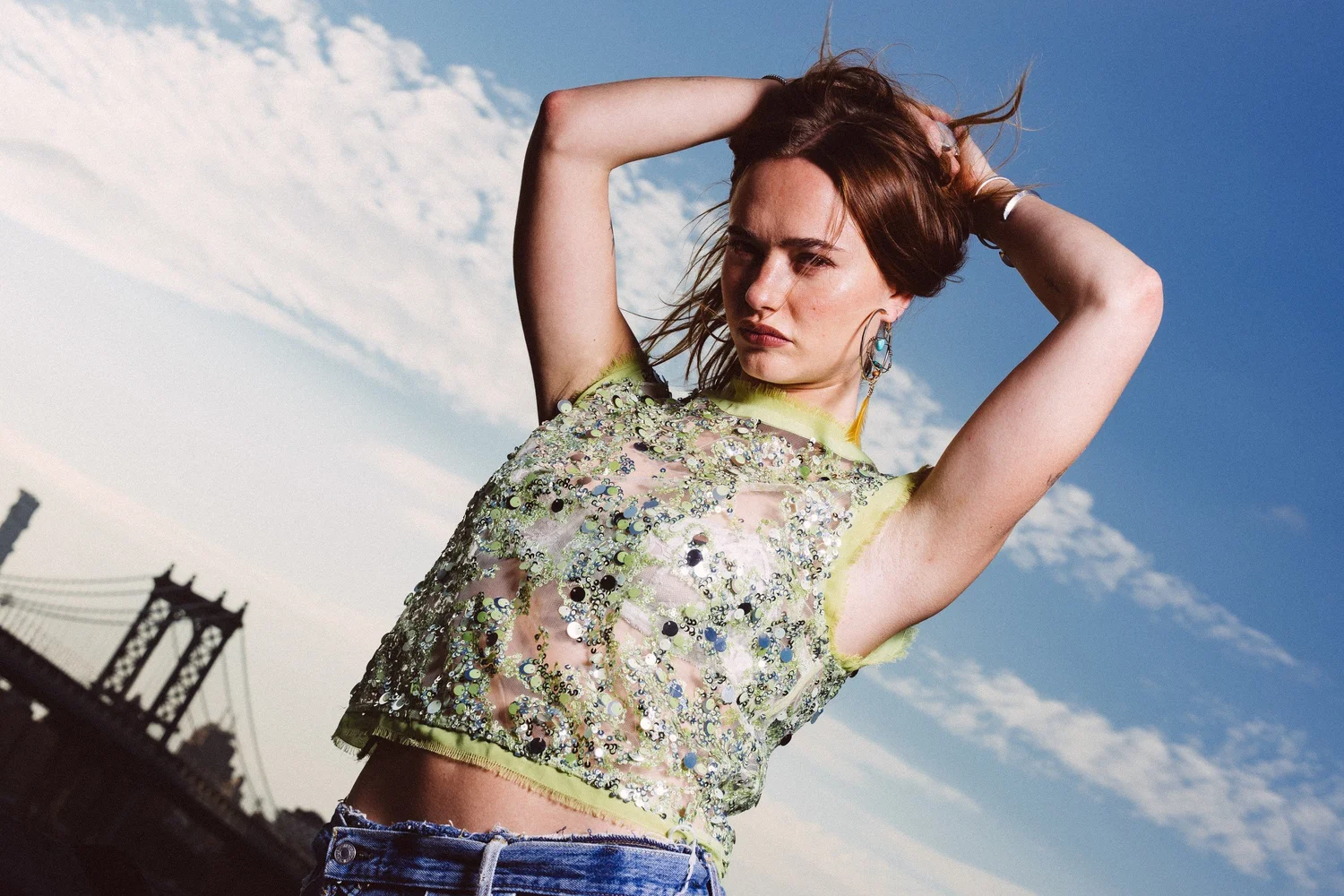
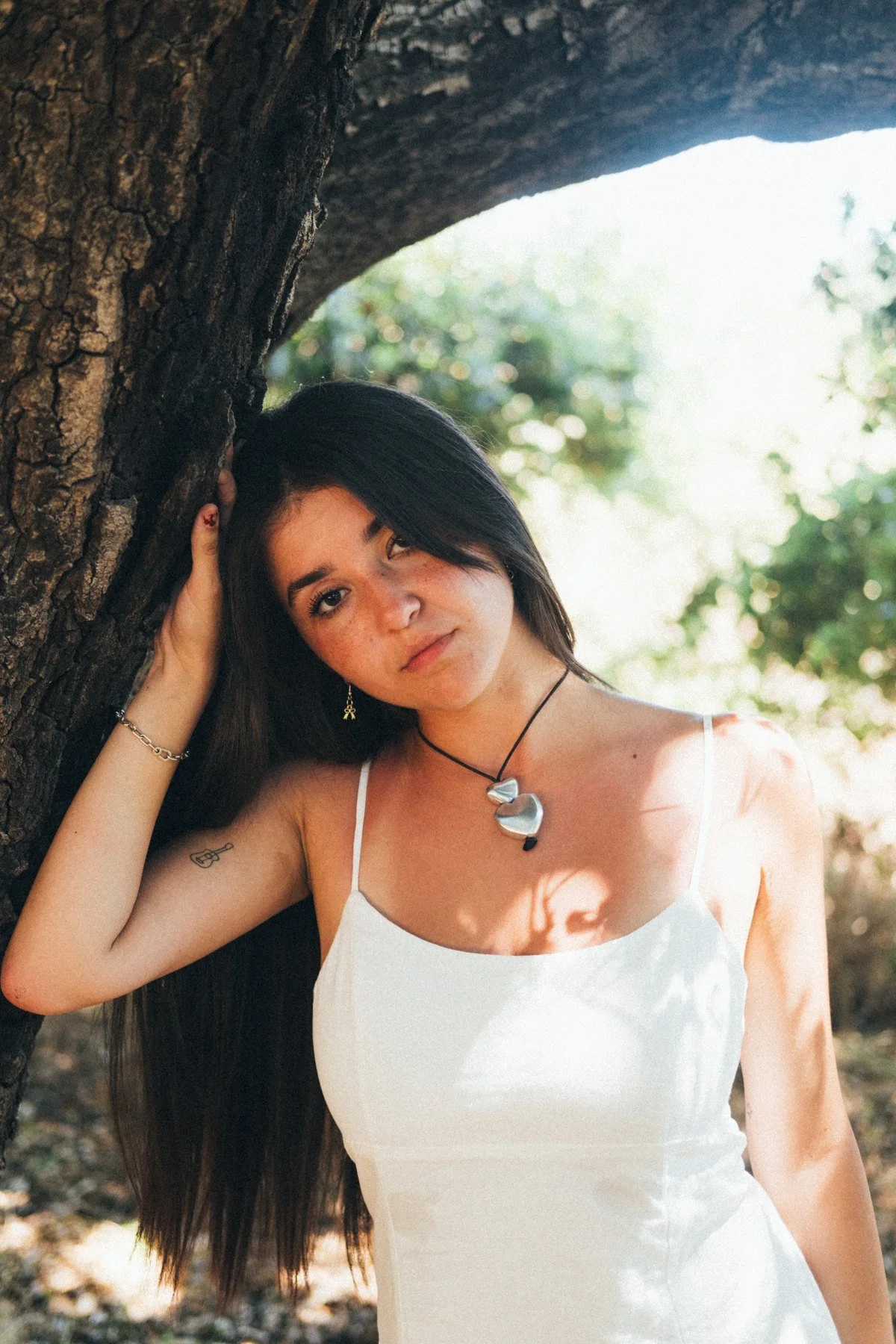
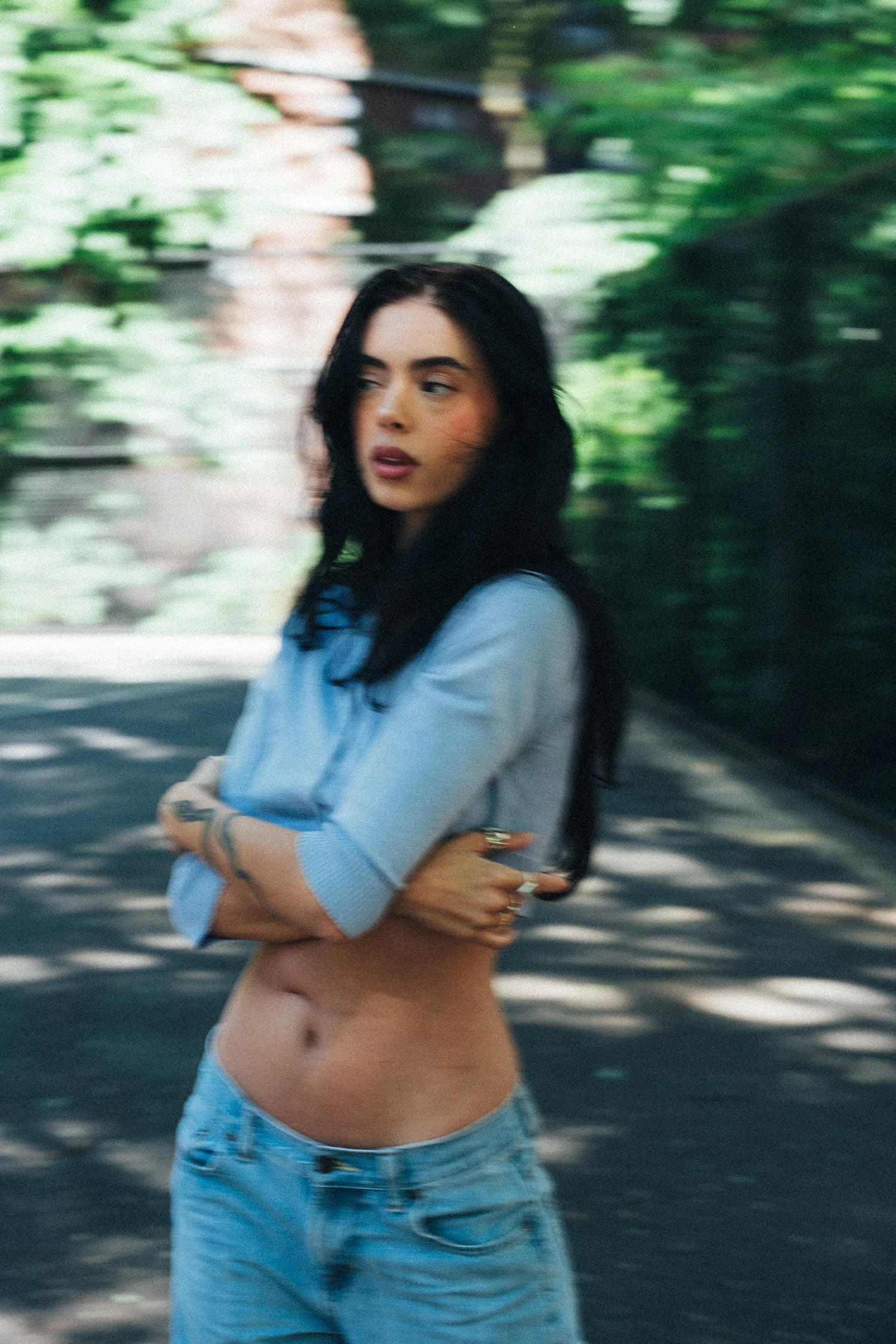
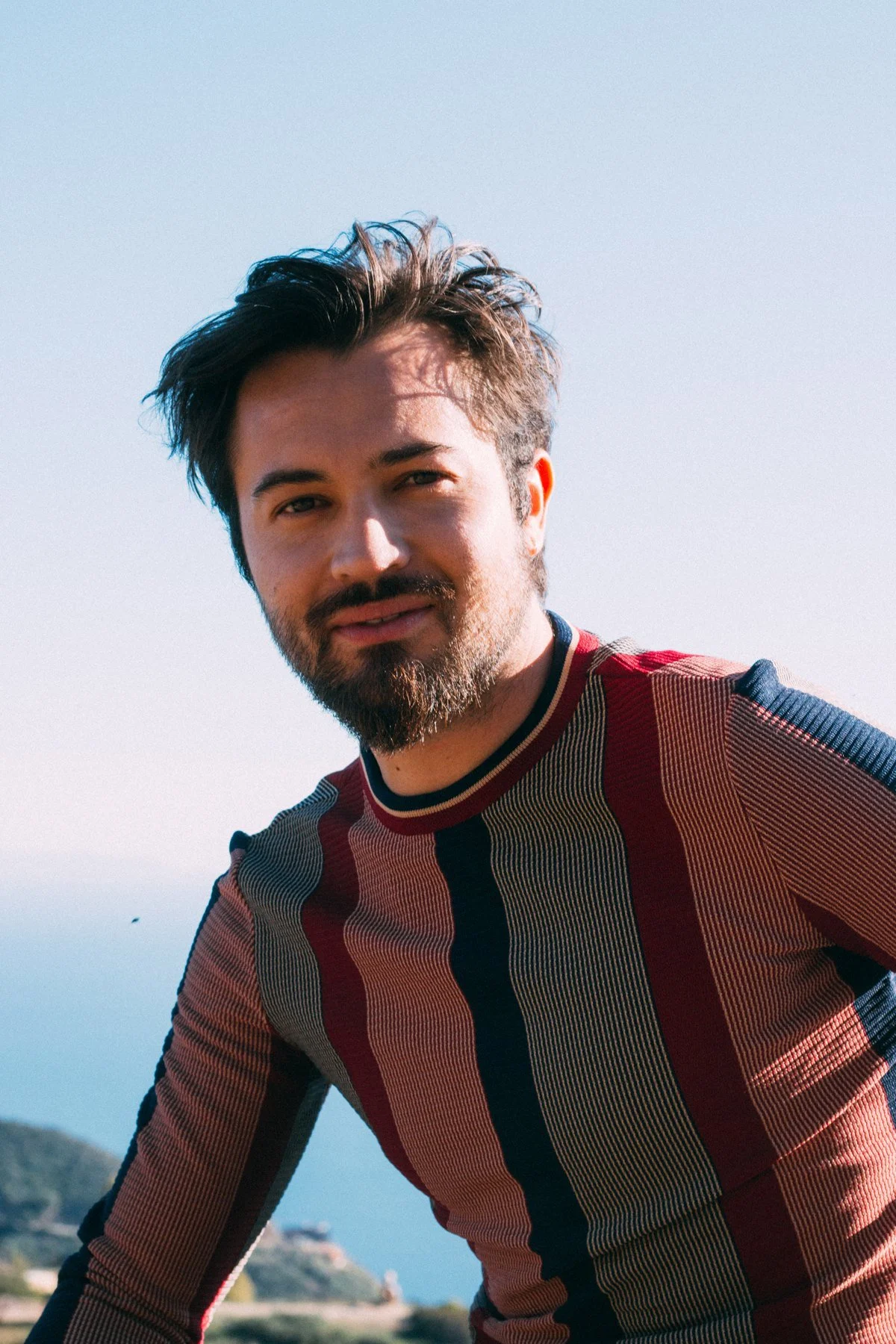
Johnny's portrait against the sky is useful if you like strong shapes and a visible relationship with the sun. Devon’s portrait beside a tree offers a different balance of light and enclosure, with a softer face and patches of sunlight around her. Bring references that show the kind of face lighting you want, not only the location. This makes it easier to plan a route that supports the mood.
Keep the route compact enough to enjoy
A long list of neighborhoods can turn a portrait session into a travel schedule. In summer, repeated walking and waiting may also change how clothes, hair, and makeup feel before the main photographs begin. Choose one area with a few useful variations instead.
Think about the essential pictures and place them early in the plan. A short walking sequence, a quieter shaded frame, and a wider city photograph can offer a complete story without crossing the city. The NYC portrait locations guide helps compare settings; once you choose a direction, the next step is finding a workable sequence within that area.

.jpg)
A compact route to discuss
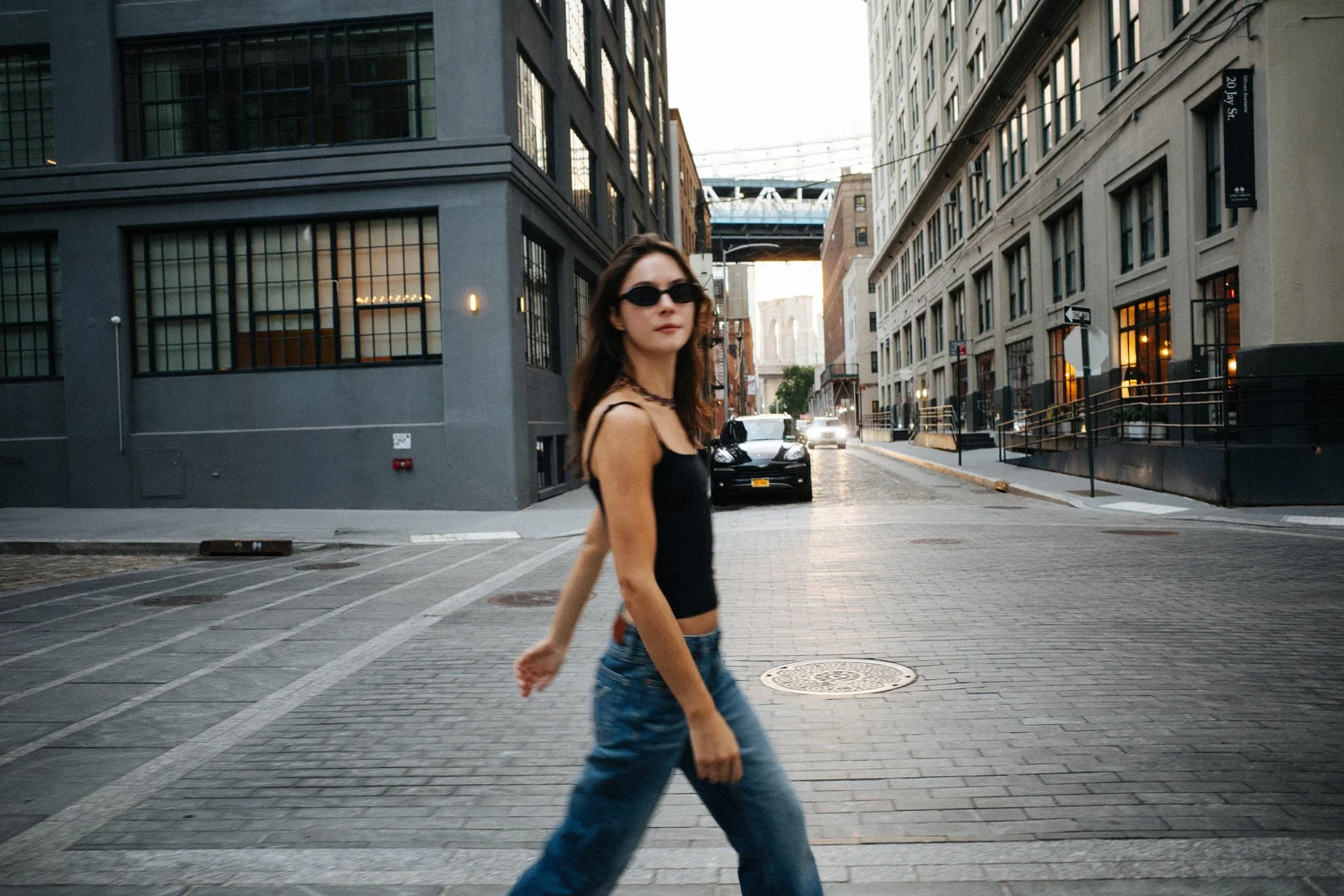
One possible plan is Brooklyn Heights: start with a shaded side-street portrait, make a short walking sequence on nearby public sidewalks, then use the promenade for a wider city view if the light and conditions suit it. Keep the main portraits early and leave time for water and a pause before the exposed waterfront.
This is a planning example, not a report of a past session. The exact meeting point, access, shade, and order need checking for your date. If the waterfront is too hot or crowded, a closer frame on the same neighborhood route can keep the session moving without adding a cross-city transfer.
Choose a time for the actual light and location
An earlier start or a later session may fit the atmosphere you want, but the exact time should follow the date, the orientation of the setting, and your practical availability. Tall buildings can shade one side of a street while another remains brightly lit.
Do not assume that a wide open view and a shaded close portrait will peak at the same moment. We can decide which matters most and organize the sequence around it. The outdoor portrait timing guide explains the broader choices. If the session must happen at a fixed hour, say so early; the concept can be designed around that constraint.
Wear something that works when you move
Try the outfit while walking, sitting, and reaching. Check whether it needs constant adjustment or becomes uncomfortable after a few minutes. A beautiful garment can still be the wrong choice for a long outdoor route if you spend the entire session worrying about it.
Keep extra clothes and accessories focused. One useful change is easier to manage than a suitcase of possibilities, especially when private changing space is limited. Bring practical shoes for transitions and any small touch-up items you personally use. The portrait wardrobe guide offers more detail on color, shape, and balancing an outfit with the setting.
Build in a calmer change of pace
A session can include walking and energetic portraits without asking you to keep moving constantly. A seated frame, a close portrait, or a short pause in an agreed place can change the rhythm and give the final selection more variety.
Plan for water and the breaks you need, and tell me if heat or extended walking affects what is comfortable for you. Any indoor pause should fit the access we actually have; a nearby business is not automatically part of the booking. If conditions make the original route unsuitable, a smaller plan or a different setting may serve the photographs better than forcing every planned stop.
Let summer show without adding unnecessary props
Light, bare arms, flowers, strong colors, and a relaxed gesture can communicate the season on their own. You do not need to fill the frame with objects to make it feel summery. A vivid dress against muted buildings or a face surrounded by greenery may be enough.
The portfolio examples here illustrate light, color, movement, and pacing rather than documenting one NYC session or identical weather conditions. Devon and Taylor’s portraits are examples of light and framing, not NYC location recommendations. When you inquire, share the intended use of the photographs, your preferred level of energy, timing constraints, and any comfort needs. A clear plan leaves room to respond to the actual day while keeping the pictures connected to the reason you booked the session.