NYC Artist Portraits for a Launch or Press Feature
A launch gives your portraits a specific job and a real deadline. Whether you are preparing a release, exhibition or press feature, plan a clear introduction and supporting images that connect the person to the work.
Identify what is being announced
A new project can change the photographs you need. An exhibition announcement may call for a portrait alongside finished work; a release campaign may need images that share the project's color and mood. A press feature might ask for something simpler. Begin by naming the event, the audience and the material that is already decided.
For a NYC artist portrait session, share the project description and where the photographs are expected to appear. If a publication has asked for pictures, request its brief before the shoot. If coverage is only a possibility, plan flexible press portraits without presenting that coverage as confirmed.
Separate the introduction from the project image
An artist portrait and a photograph explaining the work can overlap, but they do not have to be the same image. A clear view of your face gives an editor a straightforward introduction. A second frame can include an object, setting or action that connects more closely to the current project.
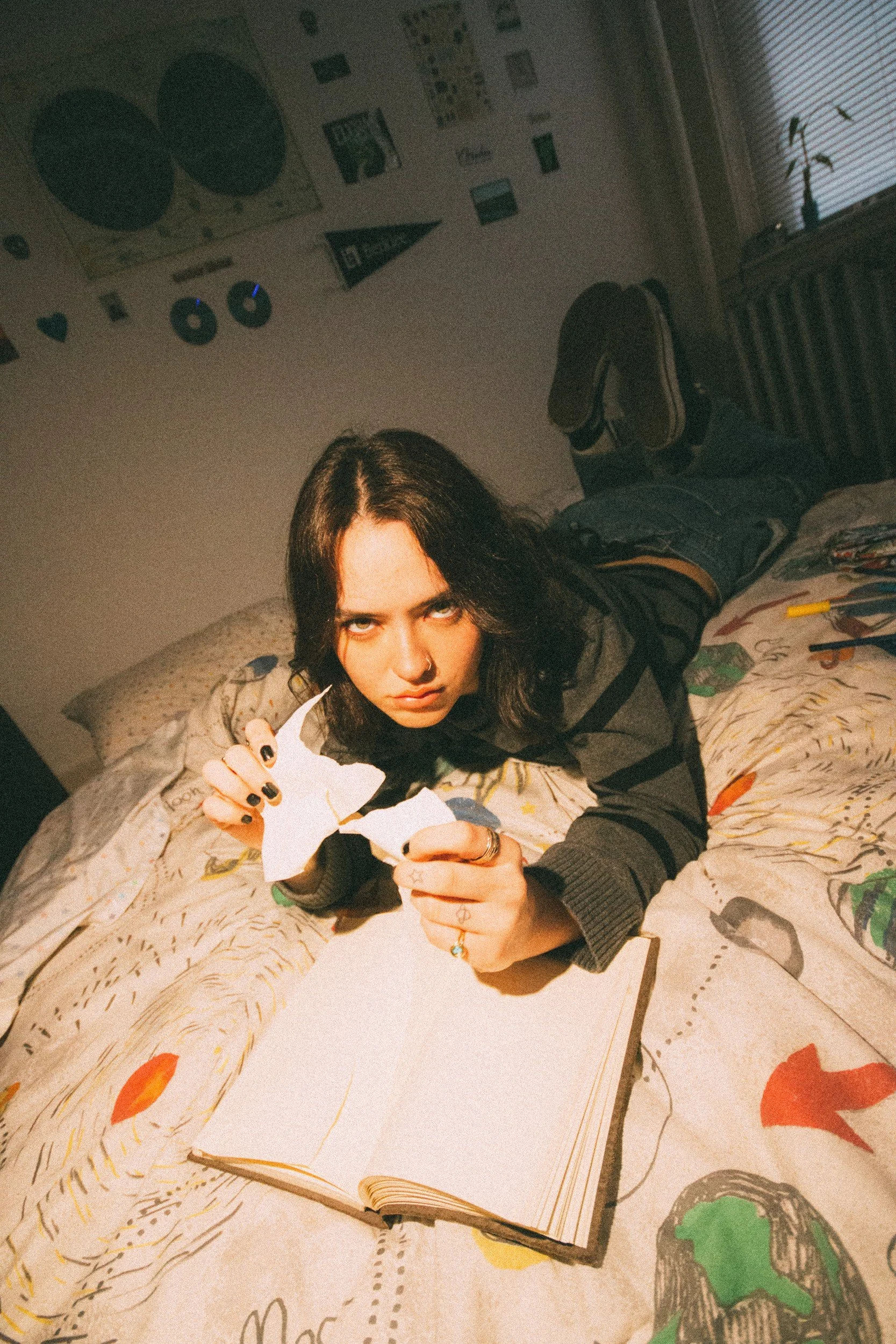
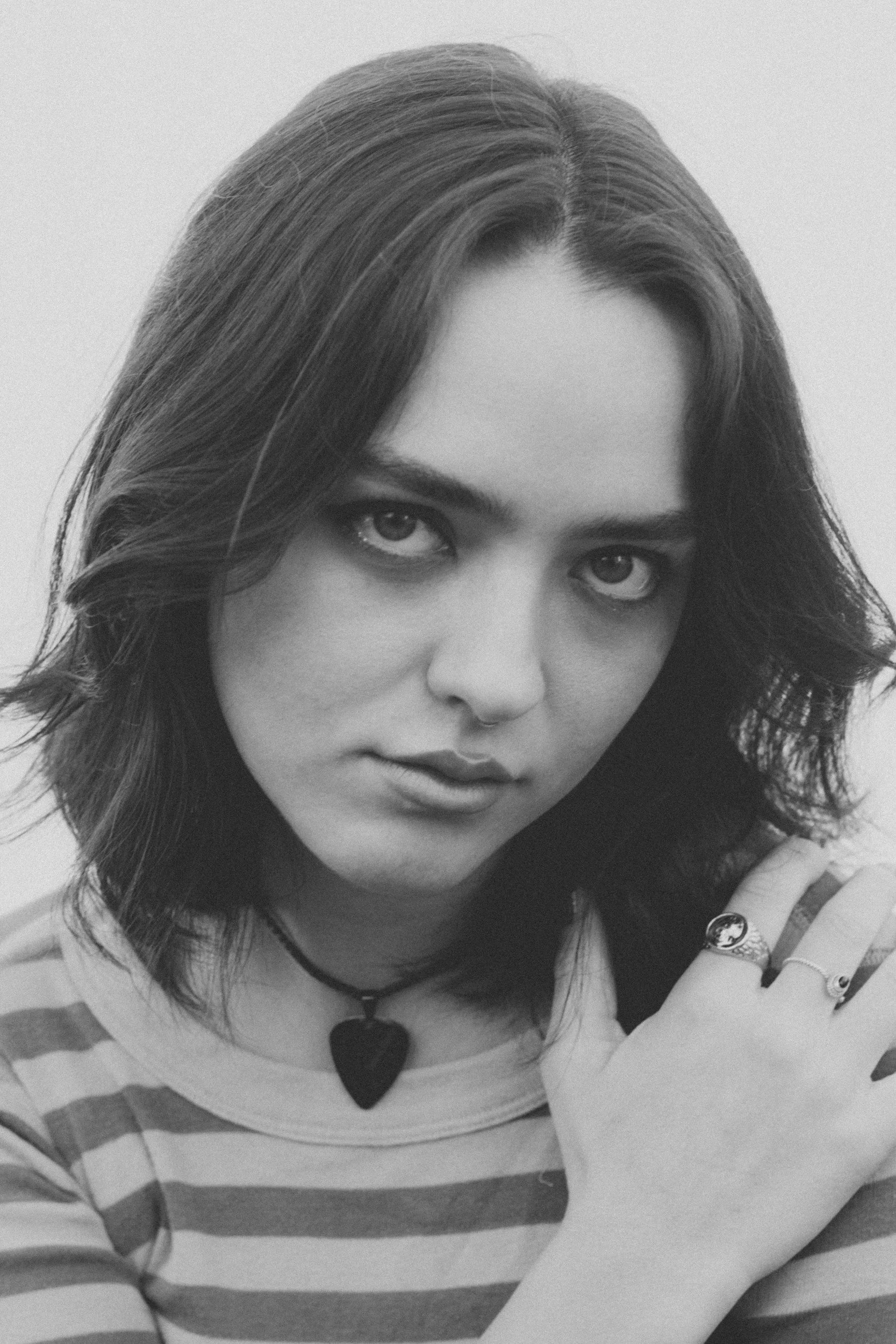
In my photographs with Jenna Doe, the notebook and torn paper create an action inside the portrait. The close black-and-white frame puts the emphasis on her expression instead. Those images show different ways to structure attention. They are examples from my music work, not a claim about how a particular publication used them.
Make the project visible without explaining everything
Choose details that someone can understand visually. An instrument, a piece of finished work or a familiar workspace can provide context when it genuinely belongs to the artist. Too many unrelated objects can turn that context into clutter. The portrait should still have a clear center of attention.
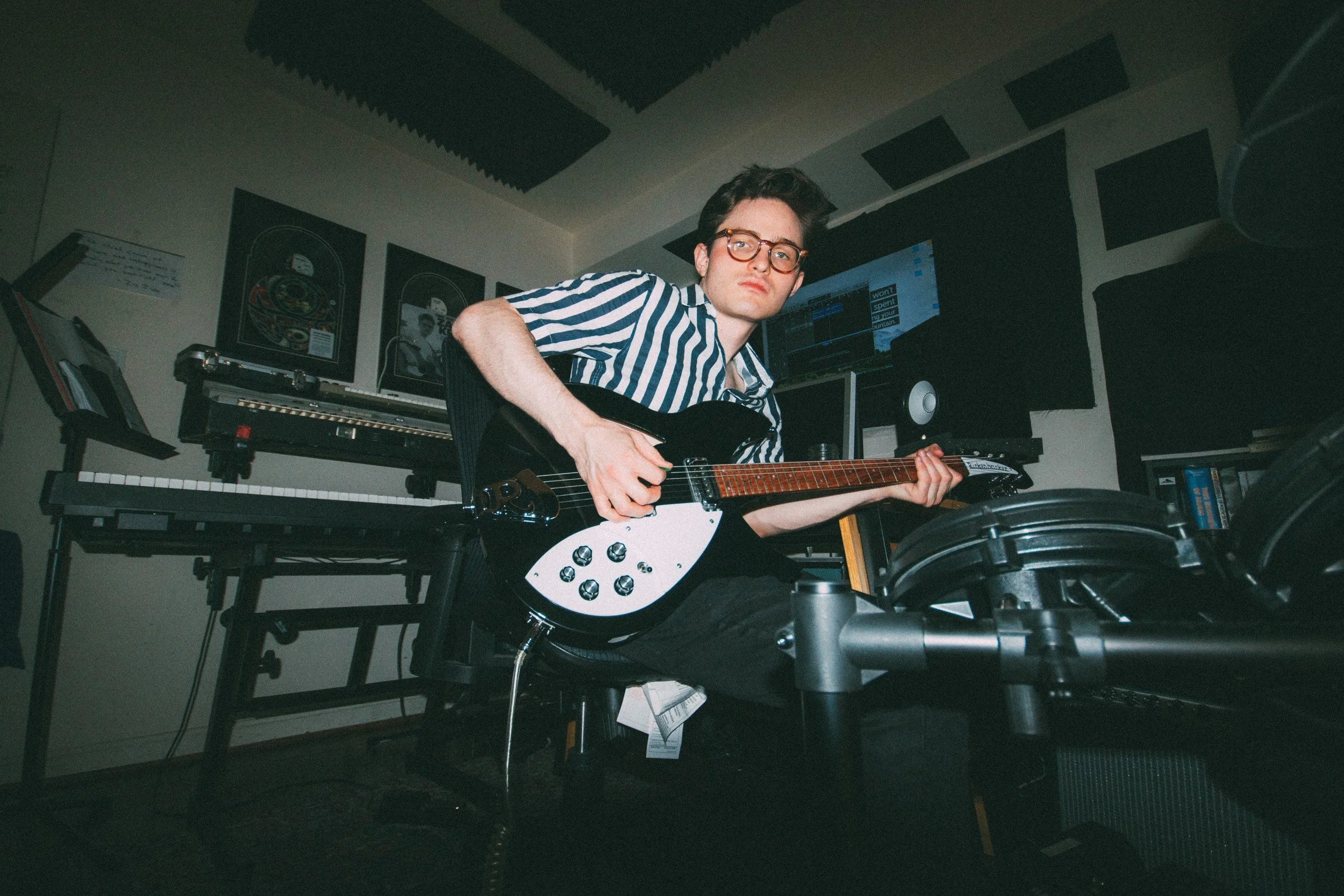
Zack Keim's studio photograph includes the guitar close to the camera and musical equipment around him. It offers specific surroundings while keeping him central. For a visual artist, the equivalent might be a deliberate selection of materials or a work in progress, discussed according to what can be photographed and shared.
Plan around the first deadline, not only launch day
The date an announcement goes public may come after the date your team needs the photograph. Work backward from the earliest real requirement: a designer's layout, a publication's production schedule or a partner's announcement. Then confirm the session and delivery schedule rather than assuming a quick turnaround.
Identify who approves the final images. If several people are involved, decide who consolidates feedback. A clear contact and a ranked shot list help protect the central purpose of the session. My commercial photography brief guide includes the practical details worth bringing into that conversation.
Keep room for a second use
A launch portrait may continue to appear after the announcement. Consider making one image that is connected to the project and another that can introduce you more generally. That does not mean stripping away personality. It means choosing how much the photograph depends on a specific outfit, object or location.
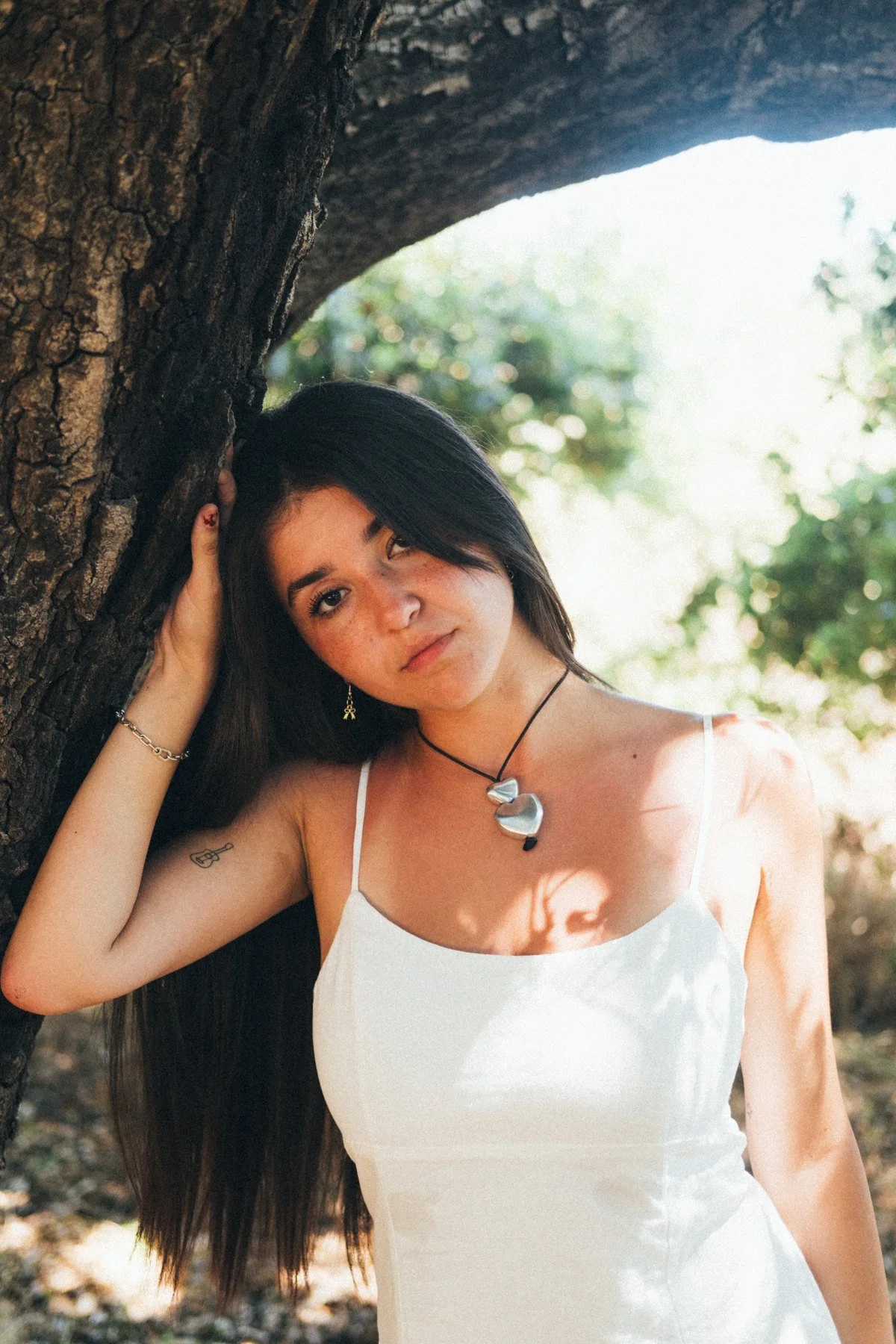
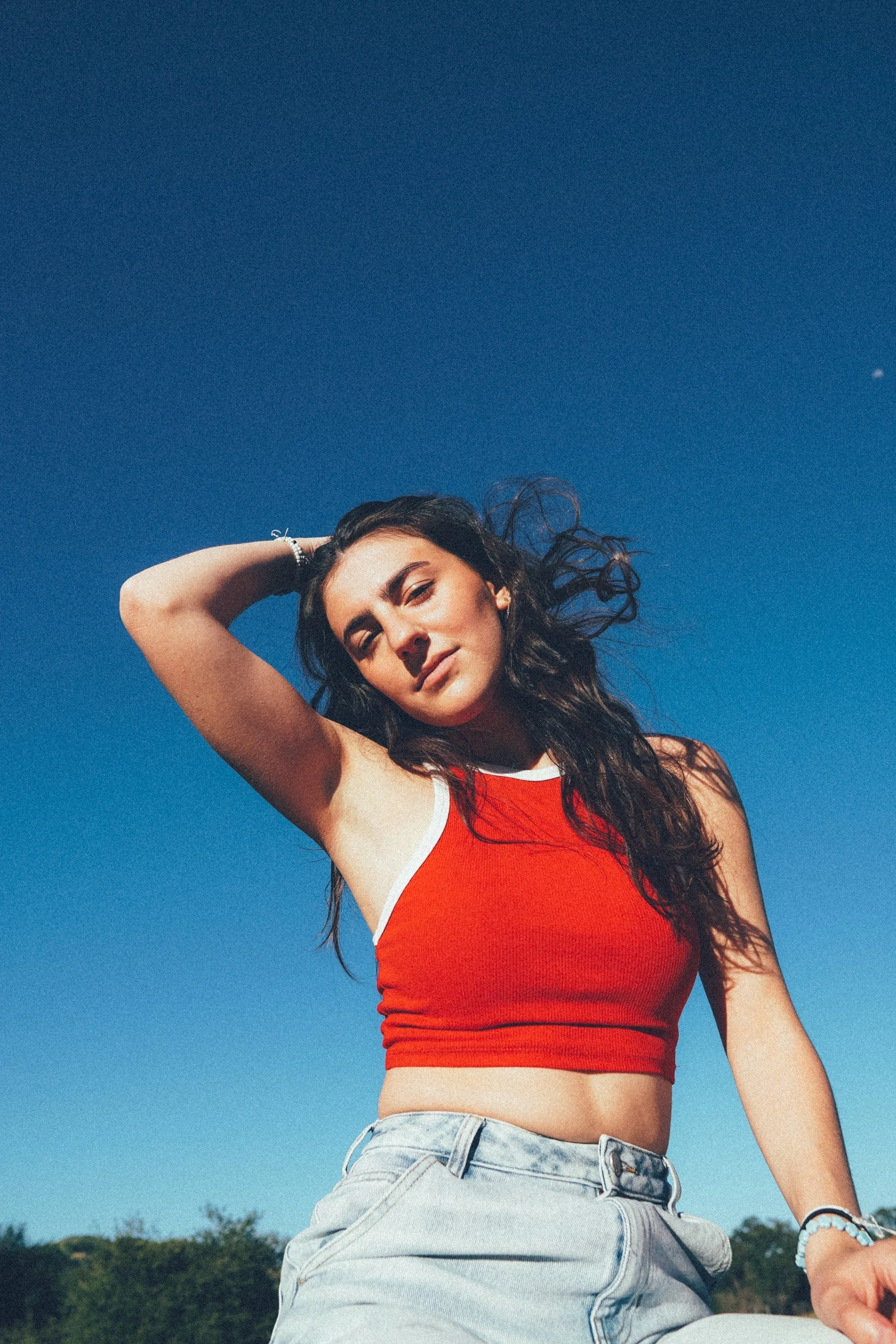
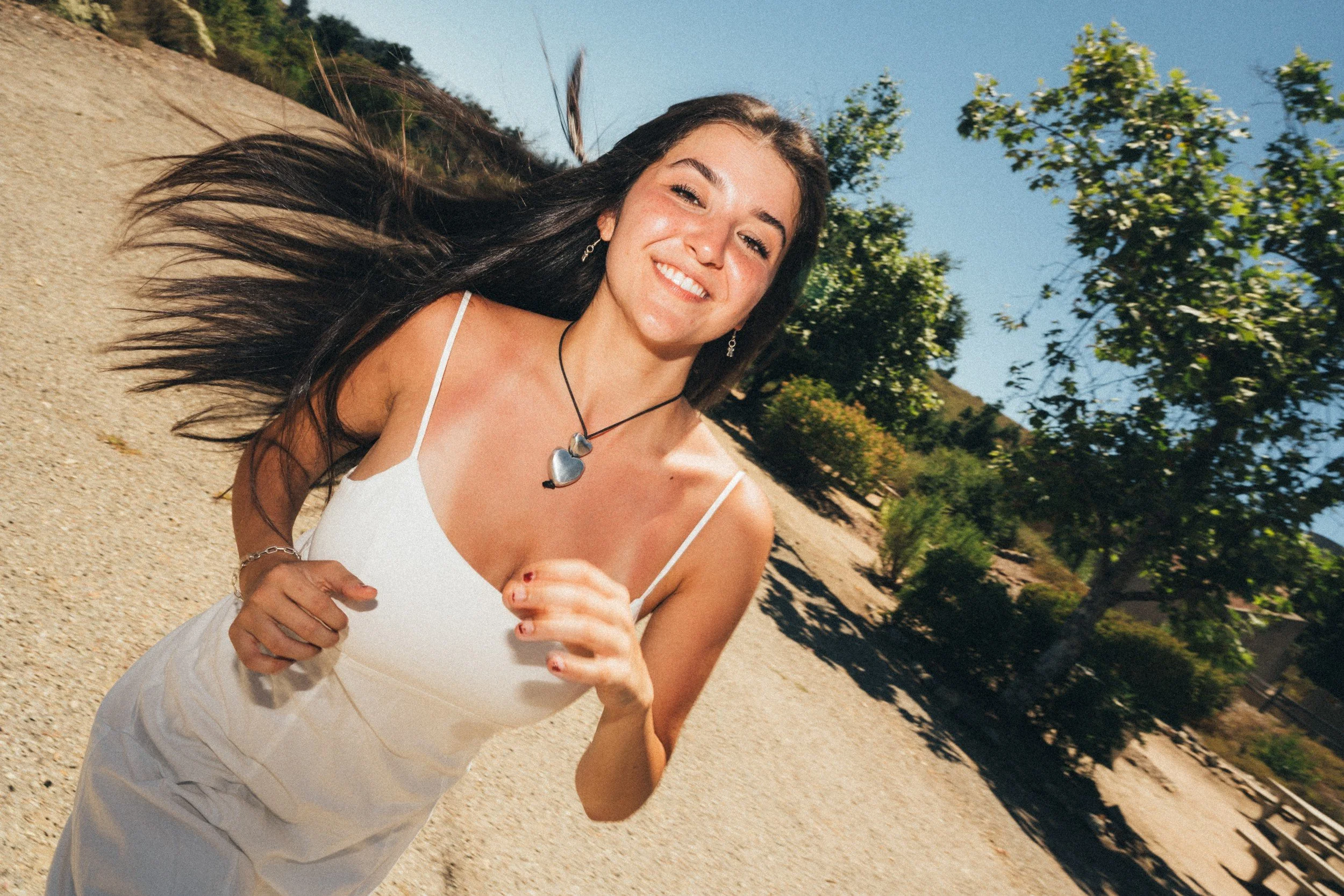
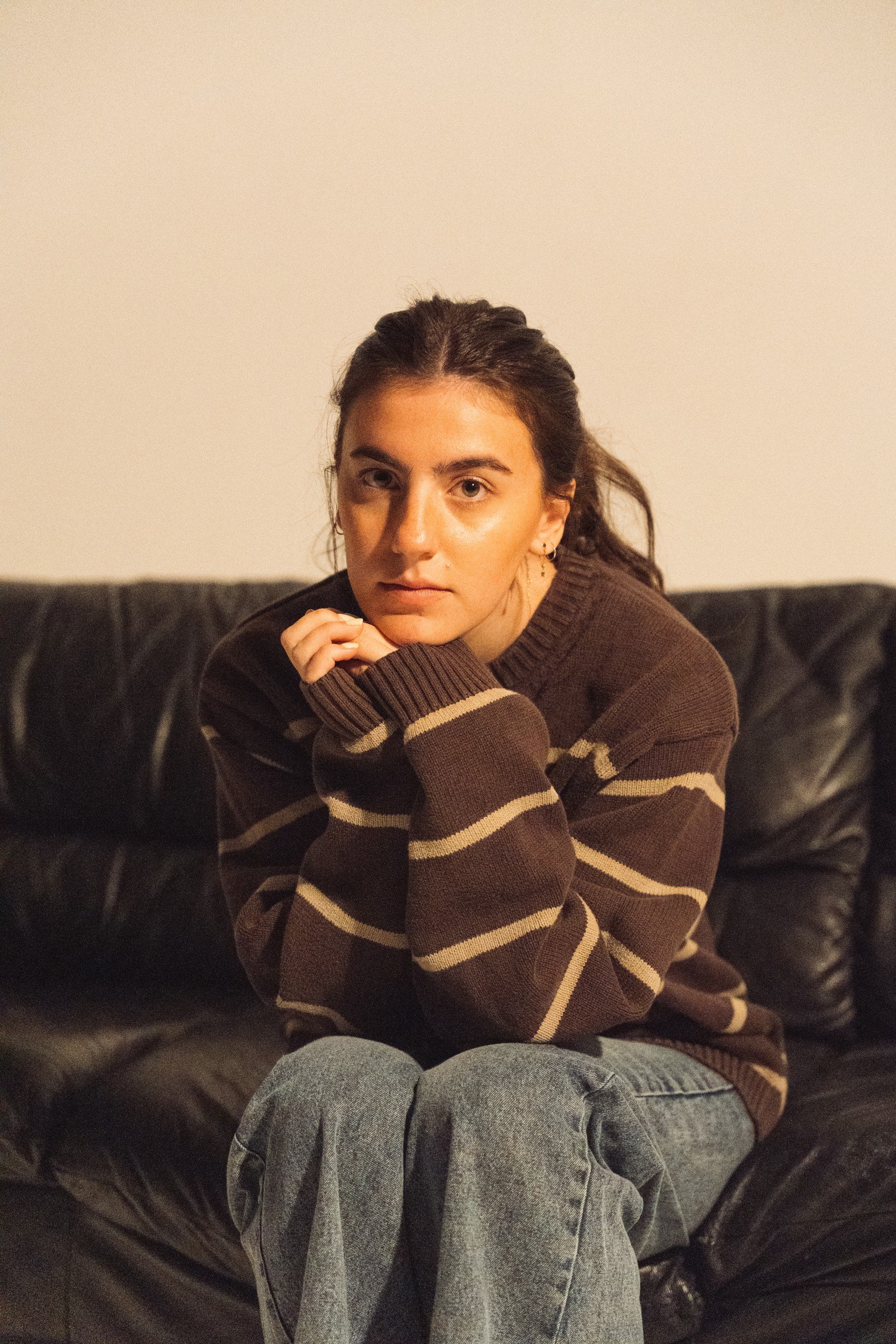
Devon's movement portrait has an open, immediate feeling. Avery's seated portrait offers a quieter introduction. They are different artists and sessions, showing options for the level of energy in your own set. A launch selection can include a lively frame and a restrained companion to support an interview, biography page and personal post without repeating the exact same picture.
Review the photograph in its intended context
Before making the final choice, place the image beside the actual project title, biography or announcement copy. Check whether the expression and surrounding detail support that text. Preview the crop at its expected size, especially if a designer will use a wide layout or a small portrait beside a headline.
Send your preferred selection with accurate names, the agreed photo credit and clear file labels. Confirm any usage or publication needs as part of the booking discussion. My guide to selecting final portraits offers a way to compare similar options, and the music portrait journal shows more examples of how a project can connect a varied image set. A strong launch package makes the work easier to introduce while leaving room for the artist's individual presence.