NYC Musician Press Photos: EPKs, Releases & Artist Launches
A musician’s press photographs need to work beside a biography, in an electronic press kit, on artist profiles and around a release. When planning a musician portrait session in NYC, I start with what you’re announcing and where the images will appear. Those details shape the framing, mood and range we need.
I’ve photographed projects with Avery Lynch, Zack Keim, Jenna Doe and Devon Gabriella. These examples from my music photography portfolio show ways to introduce an artist; they aren’t a claim that every frame was commissioned for an EPK.

Start with the announcement and placements
Write down what’s happening: a first introduction, single, album or show announcement. Then list who needs photographs, such as a publicist, designer, booking contact or publication. An EPK brings your biography, music links and contact information together, so its photographs should help someone understand the artist quickly.
A useful brief might ask for a clear biography portrait, a horizontal feature image and an atmospheric release photograph. Bring requested formats and a few references with a sentence explaining what you like about each.
Give each photograph a different job
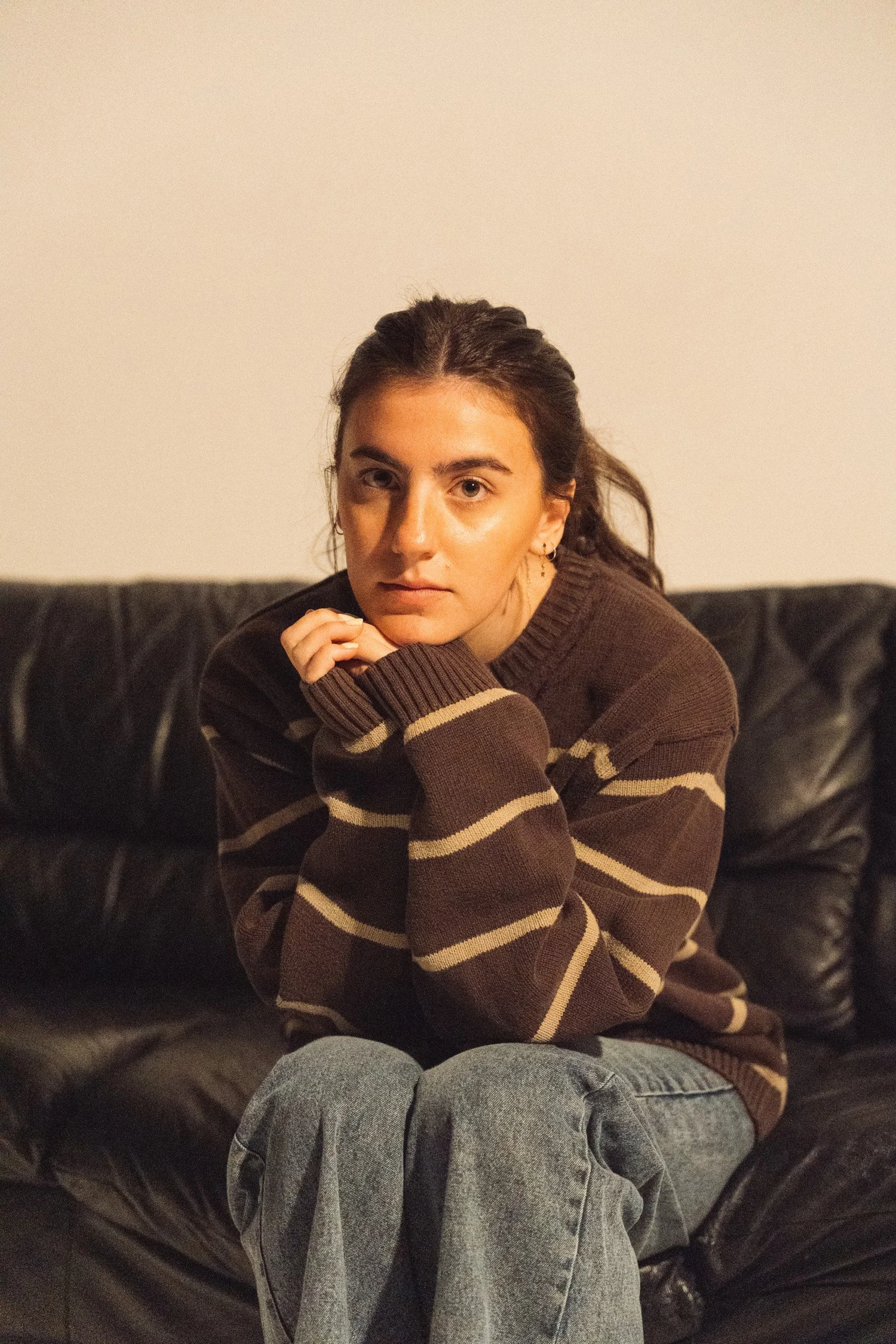
Plan a clear introduction, a wider image with context and an expressive alternative. The introductory portrait should communicate at a small size. A wider frame can show more of the artist’s world. Zack’s guitar, keyboards and acoustic panels make music part of the surroundings without requiring an explanation.
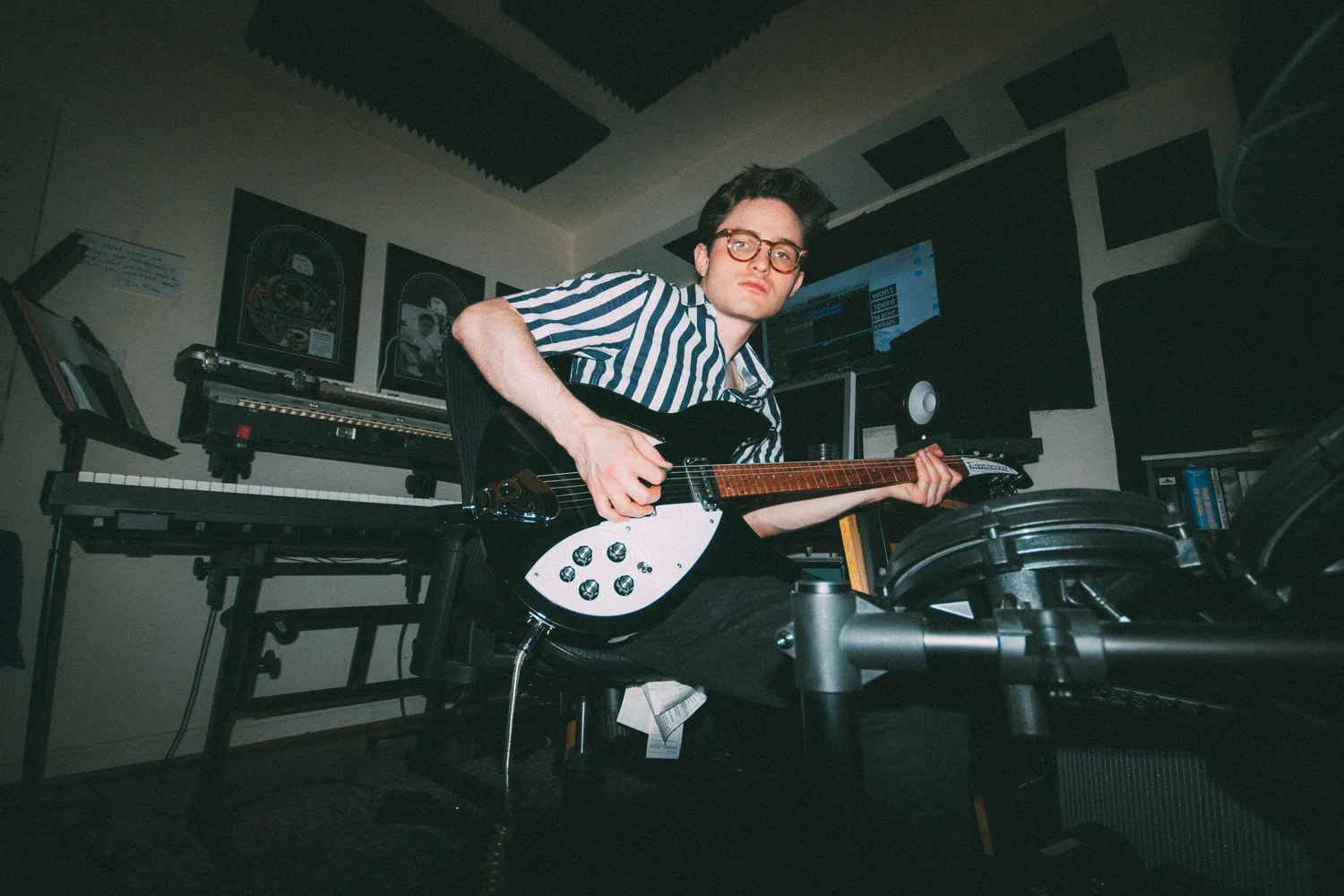
Expression and movement add range too. Devon’s sweeping hair gives the horizontal composition a different energy from a still close portrait. When selecting images, look for changes in feeling rather than simply a new outfit or background.

Connect the photographs to the release
A release image can suggest a story while the broader press portrait remains useful for introducing the artist. My work includes photographs for Avery Lynch’s Feed the Fire, Zack Keim’s Battery Lane, and Jenna Doe’s Diary Entry and other music projects. Not every photograph shown here is a final cover or belongs to the same release.

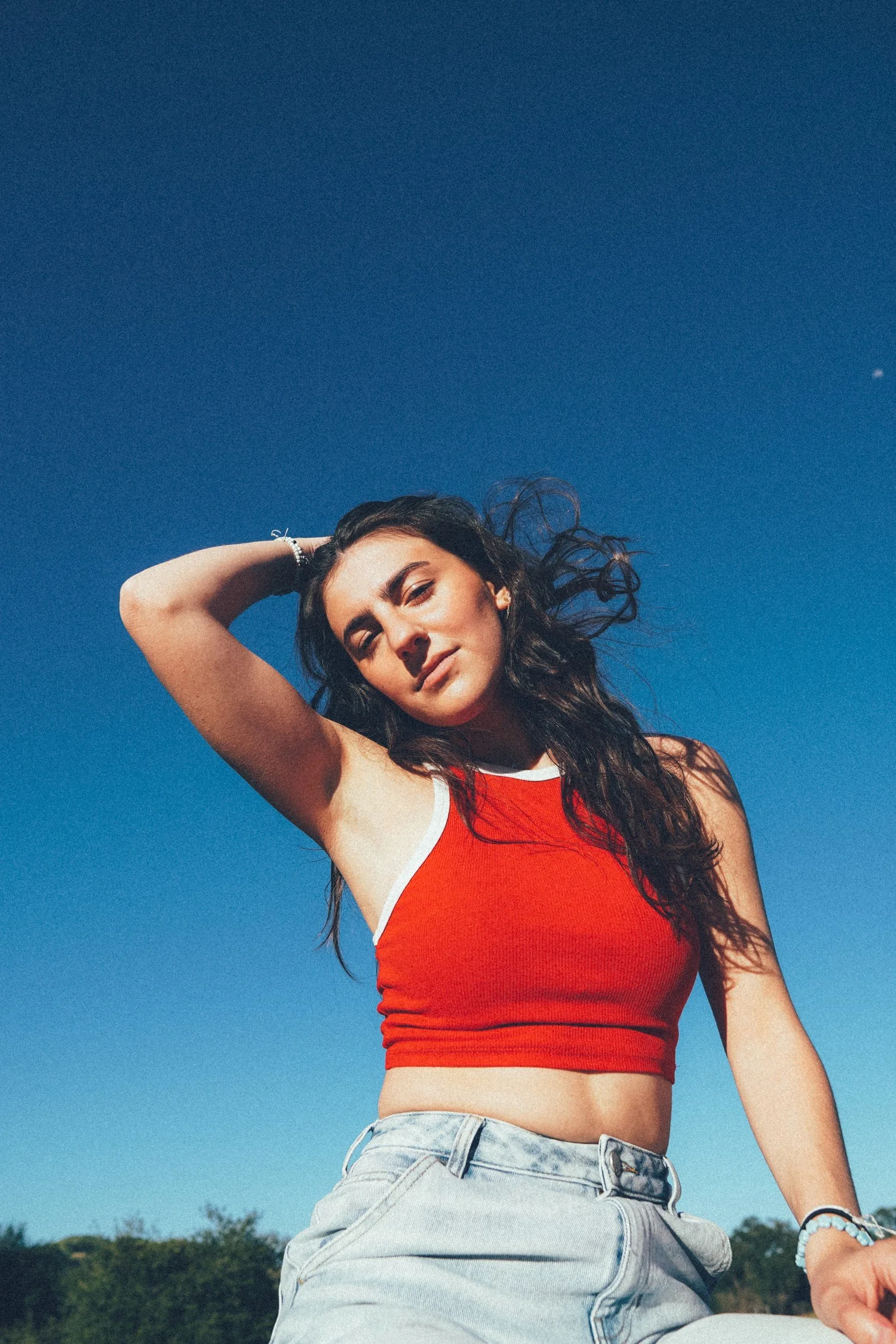
The notebook and torn paper in Jenna’s photograph suggest a narrative. Avery’s red top and blue sky build a visual direction through color. If artwork is the main deliverable, the album cover photoshoot guide goes further into composition and room for design.
Plan crops before shooting
A tall portrait, wide feature image and small profile circle need different compositions. Bring screenshots or dimensions for important placements. We can plan room around the face in some photographs and a deliberate close crop in others, rather than expecting every vertical frame to become a horizontal banner.
Check current platform requirements when preparing files. Spotify’s artist image guidelines distinguish avatars, headers and gallery images and restrict text and release advertising. Album artwork should not automatically become every profile image.

Work backward from the first deadline
The first photo deadline may arrive well before release day. Ask when selections, layouts and approvals are needed, then bring the earliest date into the booking discussion. That lets us agree on a realistic scope and delivery plan.
For an NYC session, prioritize settings that contribute to the visual direction. Traveling between distant locations takes time. Discuss access, changing arrangements and weather alternatives before the shoot so the route supports the photographs you actually need.
Make the final selection easy to use
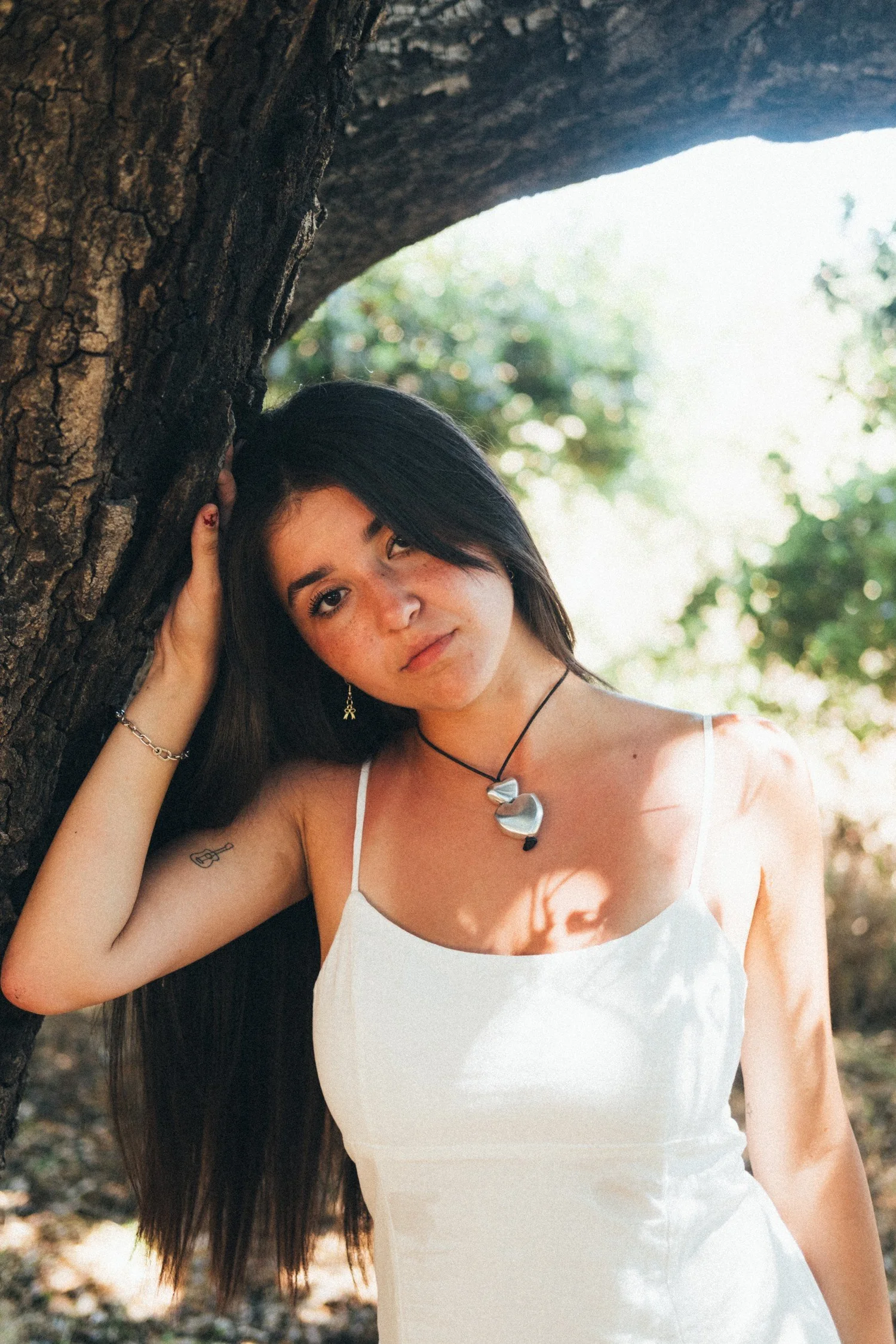
Choose the introductory portrait and expressive alternatives together at their intended display sizes. If two photographs communicate nearly the same thing, leave room for a different expression or composition. Agree who approves the selection, and keep current files, requested crops, photographer credit and agreed usage details easy to find.
The photography brief guide helps before the session; choosing final portraits helps afterward. Include the music, announcement, placements and earliest deadline in your brief.
Listen to more from Avery Lynch, Zack Keim, Jenna Doe and Devon Gabriella.