

9 Portrait Session Mistakes to Avoid
Planning a NYC portrait session? Make the purpose, clothing, route and delivery questions clear before the shoot. Explore NYC portrait sessions or ask about your portrait session.
A portrait session does not need elaborate preparation, but a few decisions make a real difference. Start with the purpose, choose a workable setting, and leave enough space for the photographs to develop.
1. Booking before deciding what you need
A profile image, a portfolio update, and a personal print can require different photographs. Write down your main use before deciding on outfits or locations. If you need several kinds of images, rank them. This helps the photographer plan the right mix of close, full-length, and environmental frames.
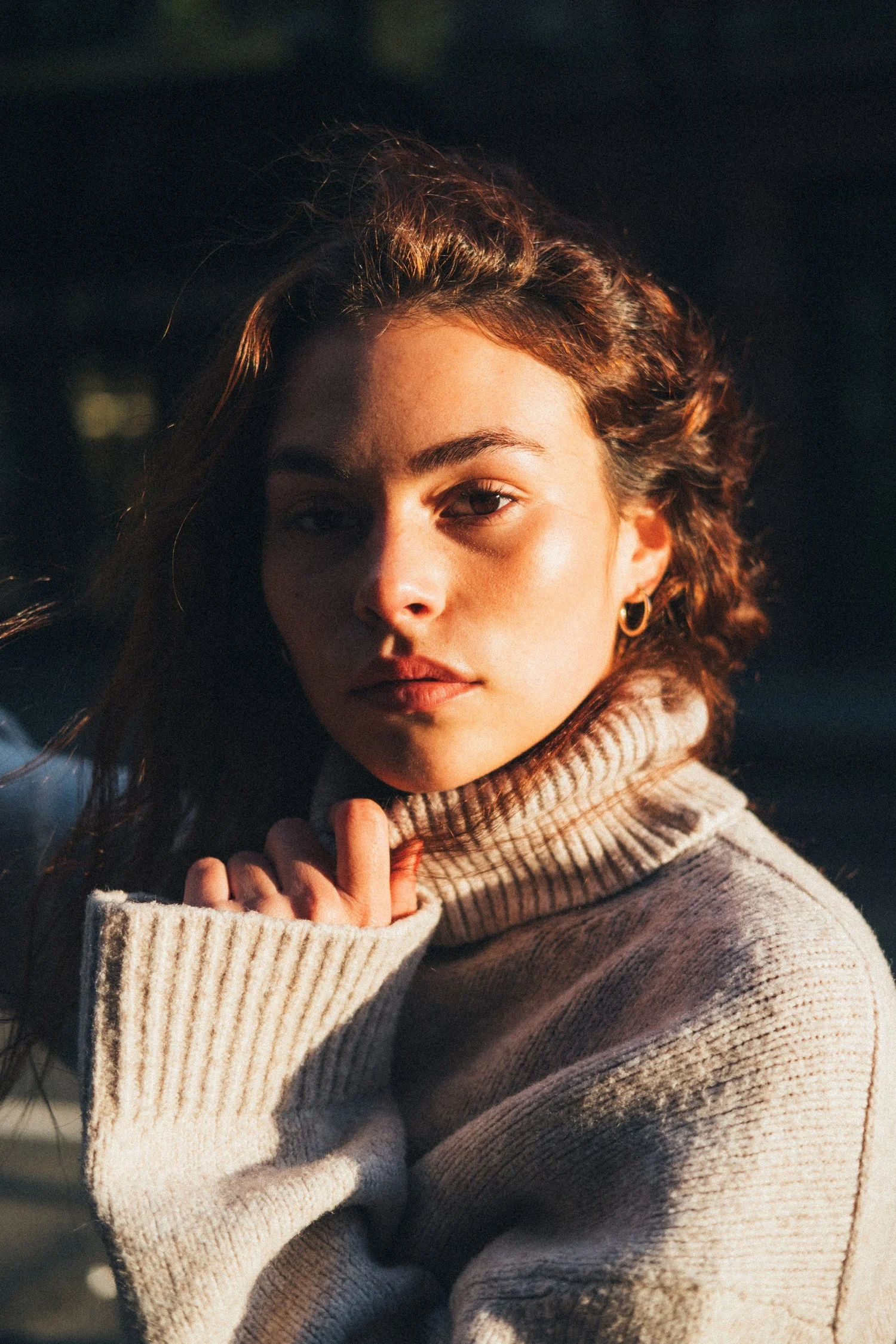
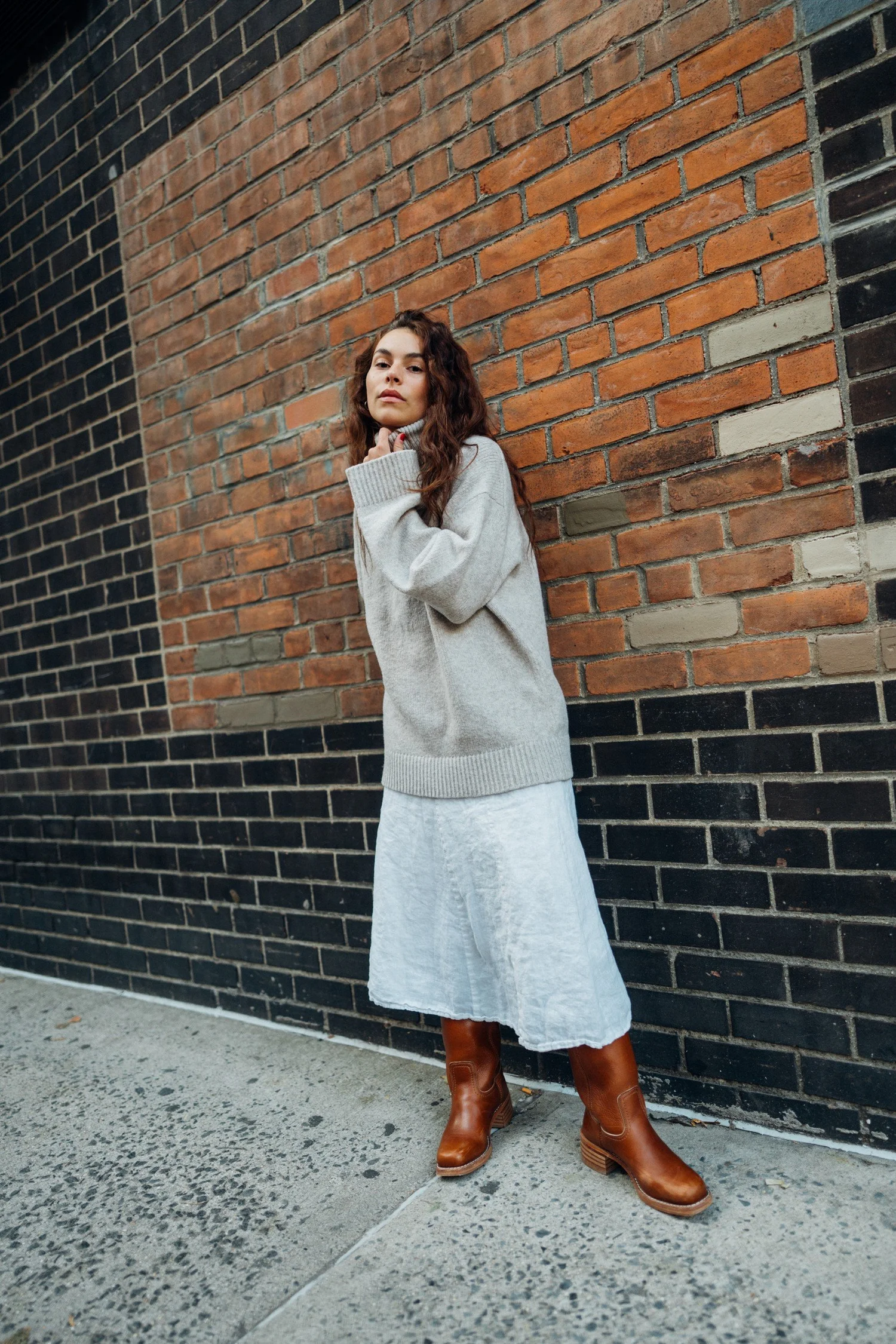
Marley's close portrait and wider street photograph show why that matters. Each gives different information. Planning for both is easier than trying to crop one image into every role after the shoot.
2. Choosing from one favorite photograph
Look across several shoots before booking. Check how the photographer works with different people, light, and expressions. A single favorite may have styling or a location you love, but the broader portfolio tells you more about the visual decisions you are hiring.
Make your preference specific: quiet window light, vivid color, movement, or direct portraits. The photographer selection guide explains how to compare the work and process together.
3. Packing clothes you cannot move in
Try each outfit while sitting, walking, and raising your arms. Notice any neckline, fastening, or shoe that needs constant attention. Bring a comfortable option you already know, alongside anything more experimental.
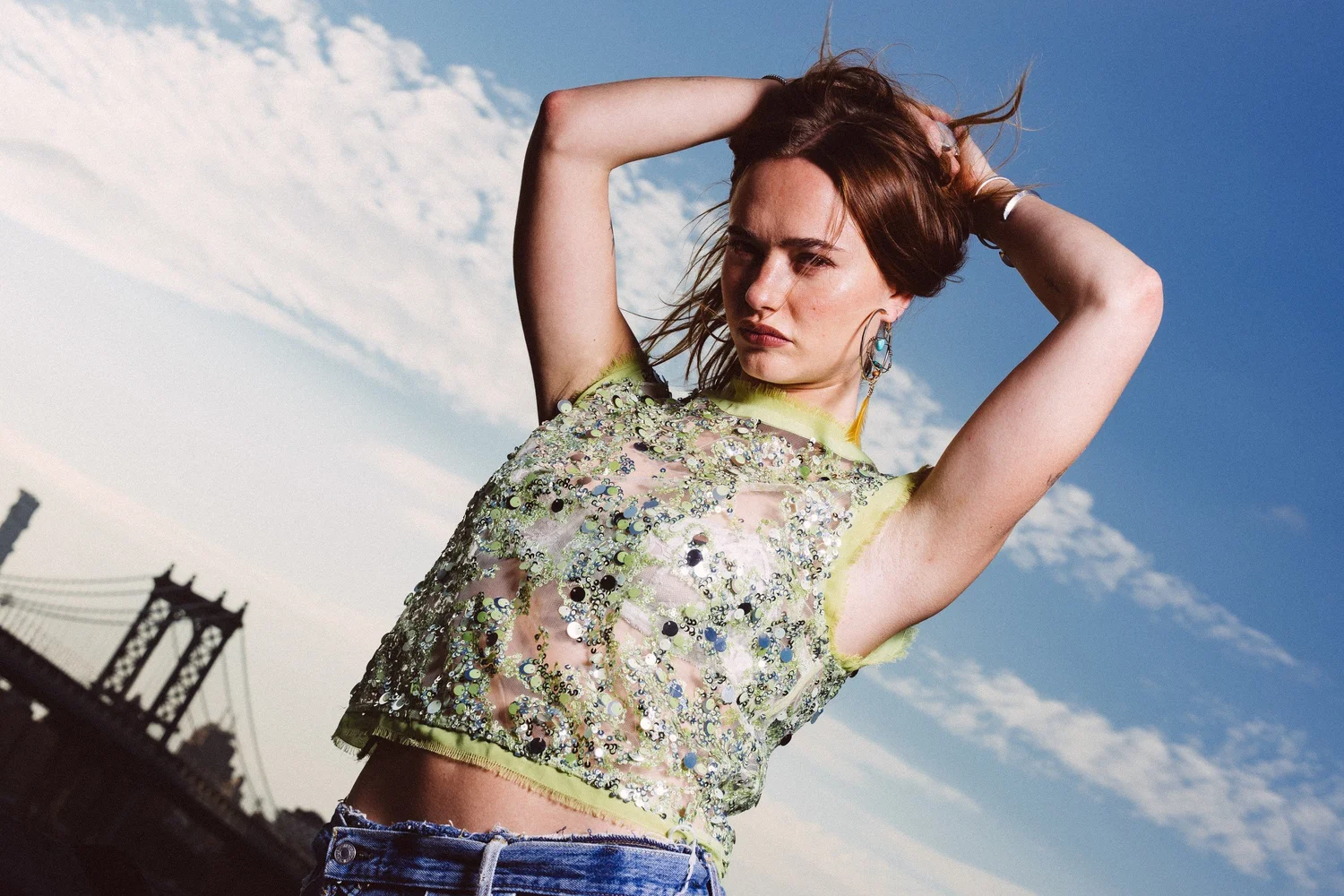
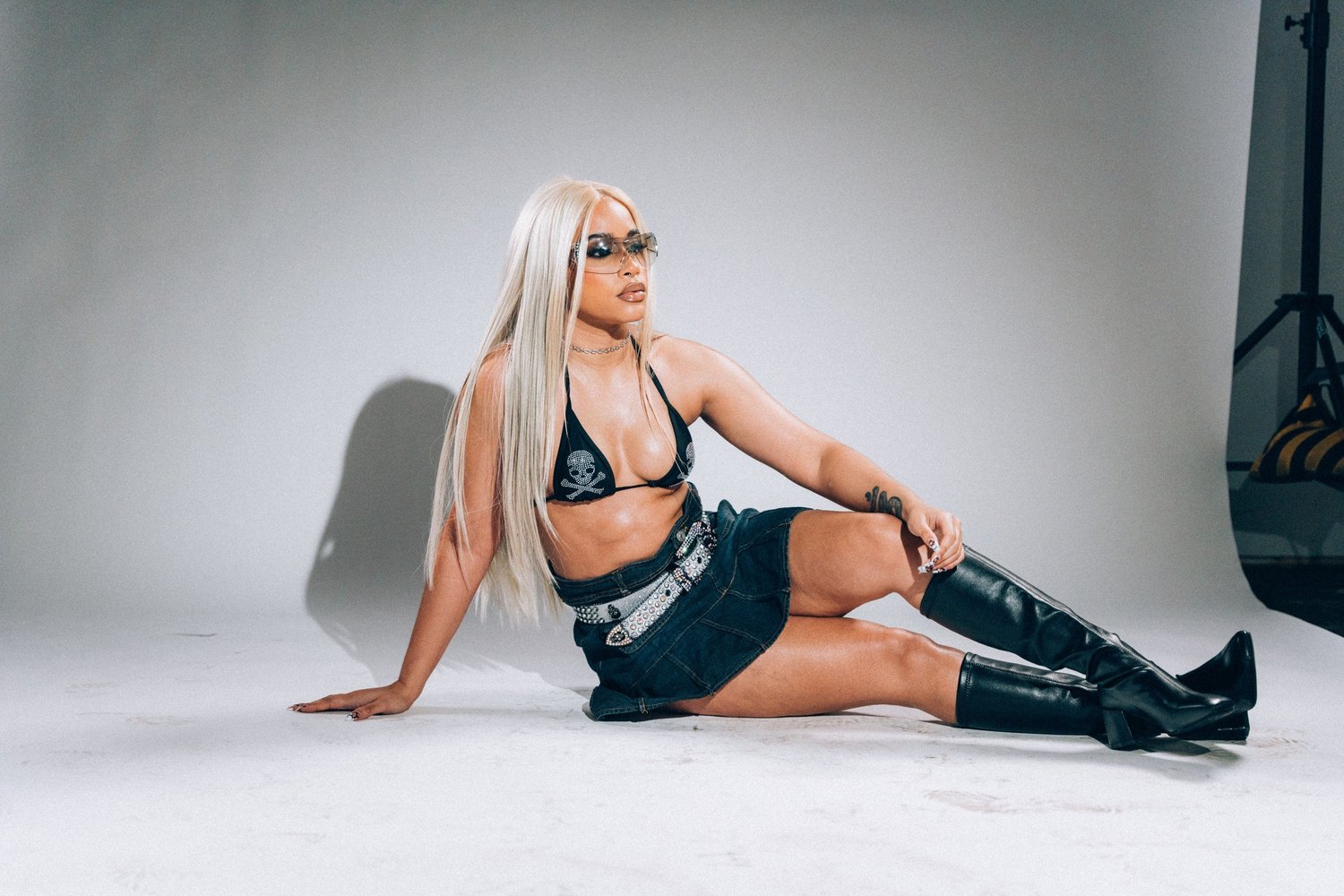
Johnny's raised arms and Rose's seated portrait make clothing part of the movement. An outfit should support the gestures you want to try. If it only works while standing in one exact position, tell the photographer so the session can accommodate it.
4. Changing everything about your appearance at once
A new hairstyle, unfamiliar makeup, new shoes, and a new visual persona can be a lot to judge at the same time. Experimentation is welcome, but include at least one look that feels familiar. That gives you an anchor when reviewing the final photographs.
Think of the session as a way to explore your appearance with intention. You can make a strong visual choice without feeling obliged to become a different person. For specific outfit preparation, use the portrait wardrobe guide.
5. Planning too many locations
Travel and changes of setup take time away from photographing. Start with a manageable setting that offers more than one workable angle. A quieter corner, a different camera position, or a move toward a window can create meaningful variety without a long journey.
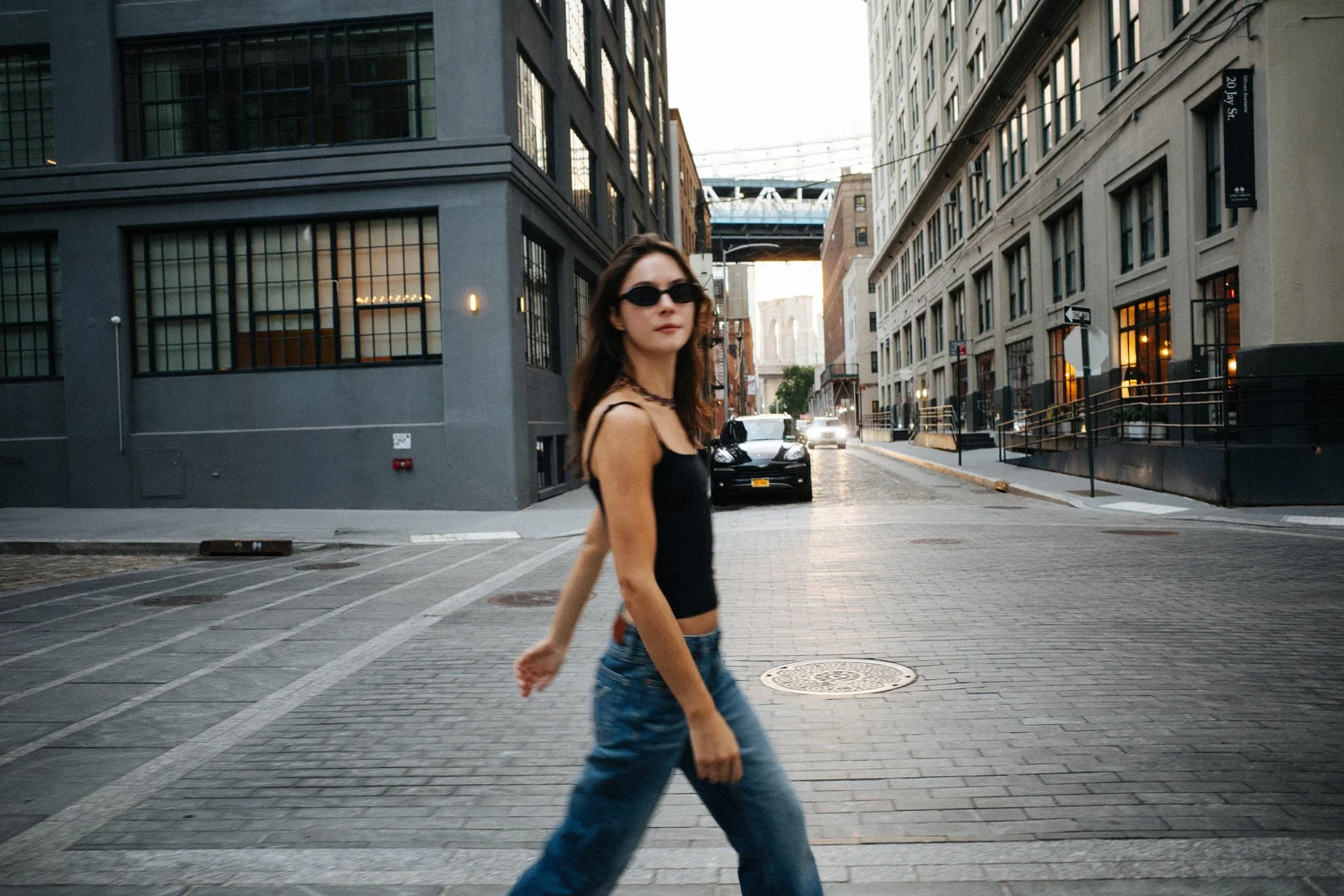
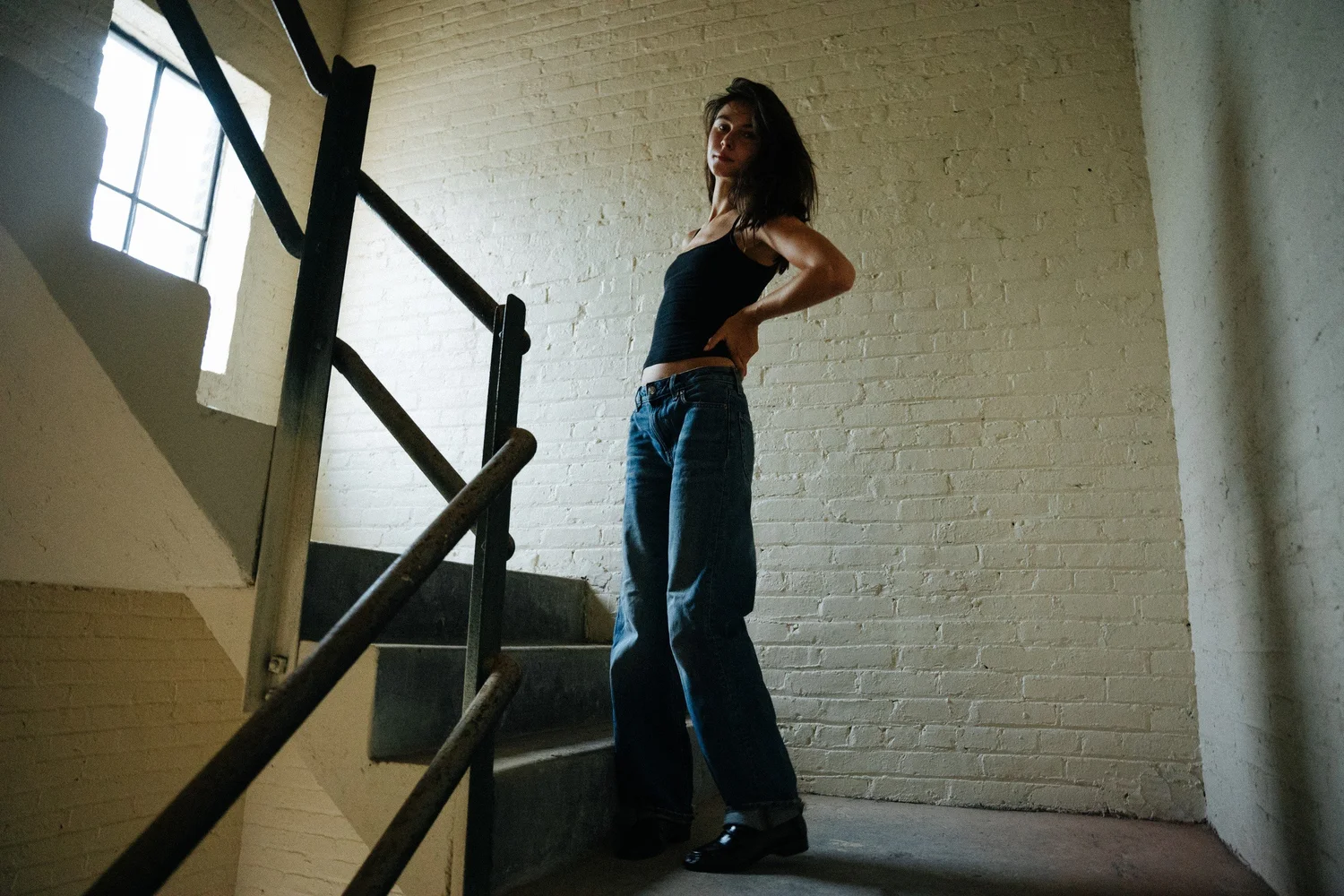
Amanda's street frame and stairwell portrait show how a person can remain the visual thread while the surroundings change. Plan what each setting adds. If two places offer the same kind of picture, you may not need both.
6. Treating the schedule as separate from the light
For an outdoor session, discuss how the proposed time affects the route and lighting. A place can look different as the sun moves, and the most useful area may not be the one in a reference photograph. Build enough flexibility for the conditions on the day.
For interiors, check how window light, existing lamps, and any planned lighting will work together. The outdoor portrait timing guide and studio comparison can help frame those decisions.
7. Trying to hold a perfect pose
A pose can become uncomfortable when you hold it too long. Reset your hands, shift your weight, and let the photographer guide small adjustments. Repeating a simple action is often a more useful starting point than trying to control every detail at once.
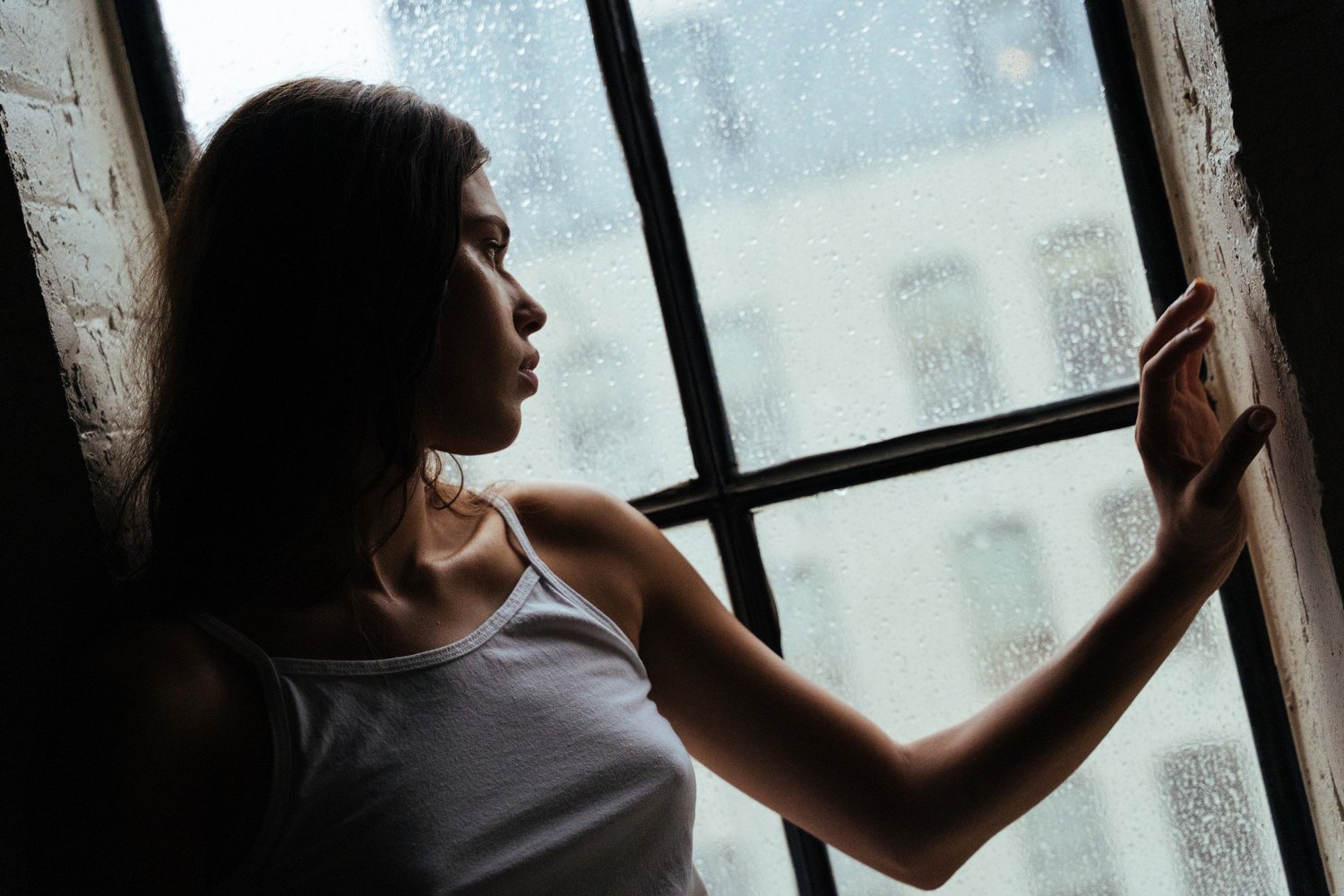
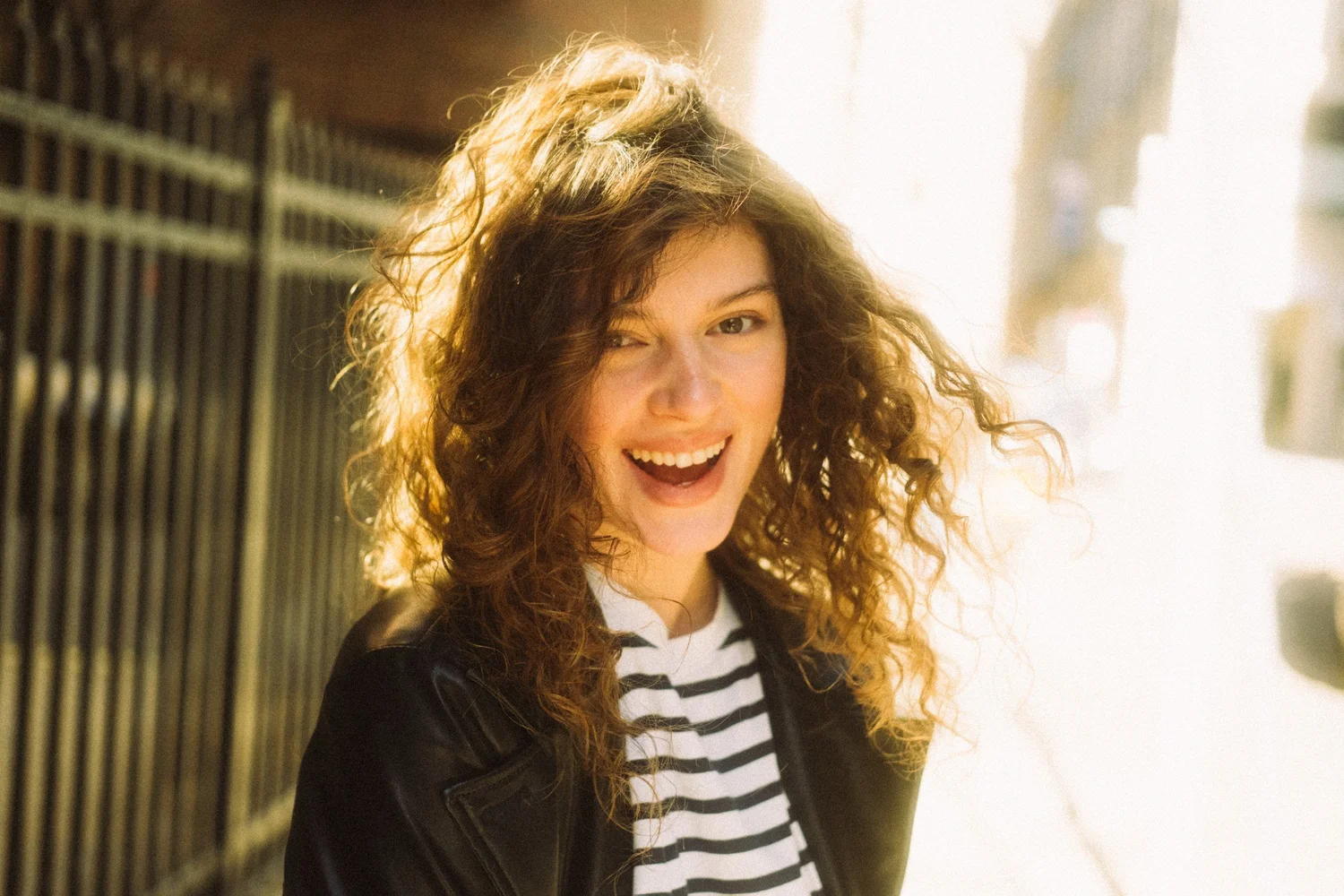
Tara's light contact with a window and Olenka's open laugh show very different kinds of presence. Neither requires the same expression in every frame. Bring feedback about what feels comfortable, and use the natural portrait guide for practical prompts.
8. Leaving delivery questions until afterward
Ask about the selection process, editing scope, expected delivery, file formats, and intended use before booking. If a deadline matters, make it visible from the start. Do not assume that every frame, every possible crop, or every retouching request is included.
Those details affect the plan. A clear agreement gives both you and the photographer something concrete to work toward and makes the final handoff easier.
9. Choosing every final photograph for the same reason
When the gallery arrives, select a set with useful differences. You might need a clear face portrait, a full-length frame, and a wider image that adds atmosphere. Compare similar photographs together before deciding which deserve a place.
The final selection guide walks through expression, variety, and crops. The goal is to finish with photographs you know how to use, alongside images you simply want to keep.
Plan your portrait session with clear priorities
Send your preferred dates, where the photographs will appear and the two or three images you most need. Include a deadline, wardrobe questions or access details that affect the plan; we can work through those choices before booking.
Ask about your portrait session · Explore NYC portrait sessions
Continue planning with the NYC portrait-session planning guide.