

Why You Dislike Photos of Yourself—and How to Choose Differently
Want NYC portraits you can feel more comfortable making and choosing? Tell me what feels difficult and what you hope the photographs will be for. Explore NYC portrait sessions or ask about your portrait session.
If you regularly dislike photographs of yourself, a portrait session can feel like a test you did not ask to take. It can help to change the questions you bring to the picture: what does it communicate, and what choices shaped the way it looks?
A photograph is one view, not a complete description
A portrait records one angle, one expression, and one instant. It is different from seeing yourself move in a mirror or knowing how you felt during a conversation. That difference can feel unfamiliar without meaning there is something wrong with your face.
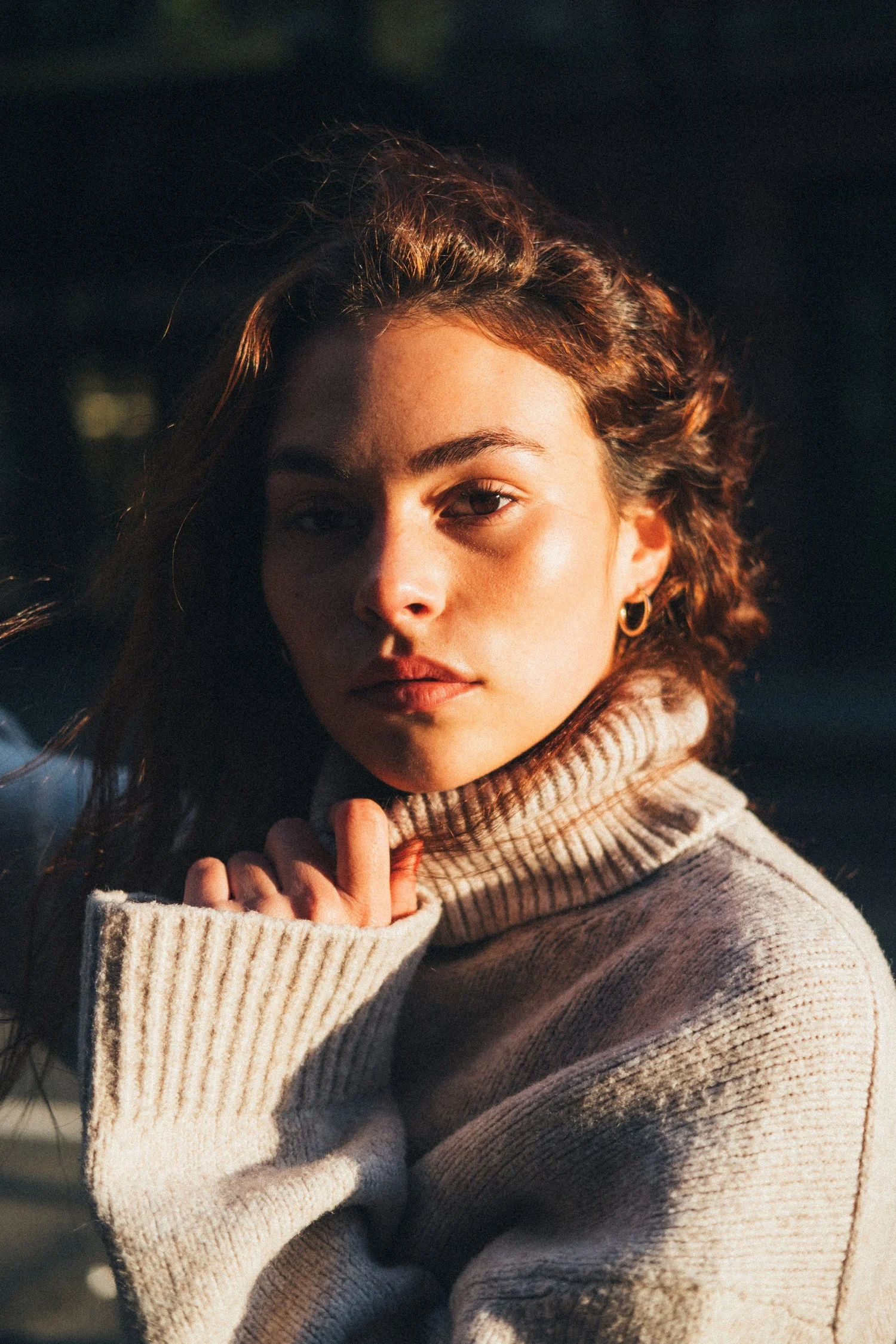
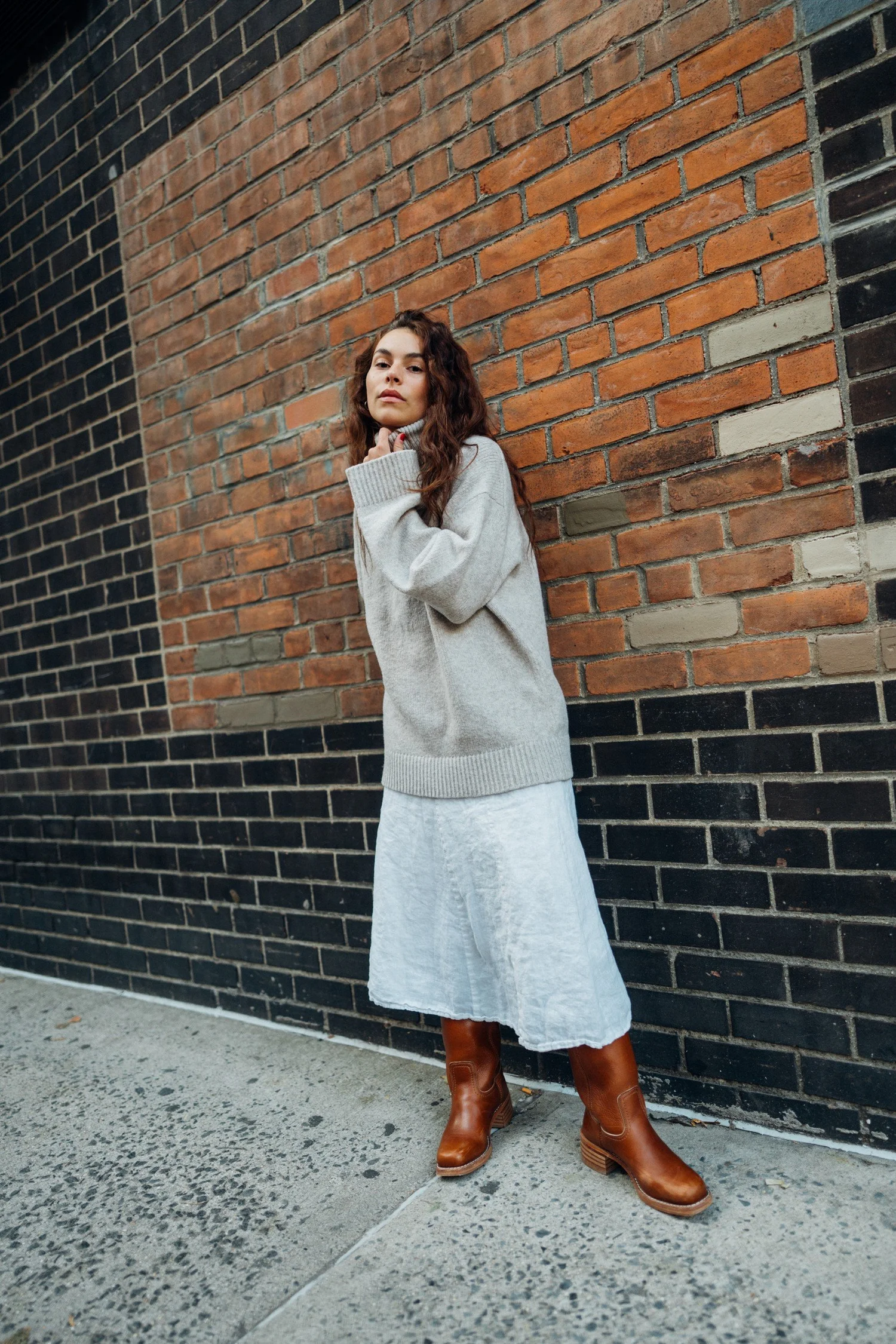
The camera position, distance, crop, and light all contribute to the result. Marley's close portrait and wider street frame show how differently a person can appear within the same broader body of work. One draws attention to her expression and the light on her face; the other includes her posture, clothing, and surroundings. Each tells part of the story.
Notice what the light is doing
Before judging a feature, look at the direction of the light and where the shadows fall. A strong division between light and dark makes a different picture from a softly lit close portrait. That is a photographic choice, not a verdict about which version of a person is correct.
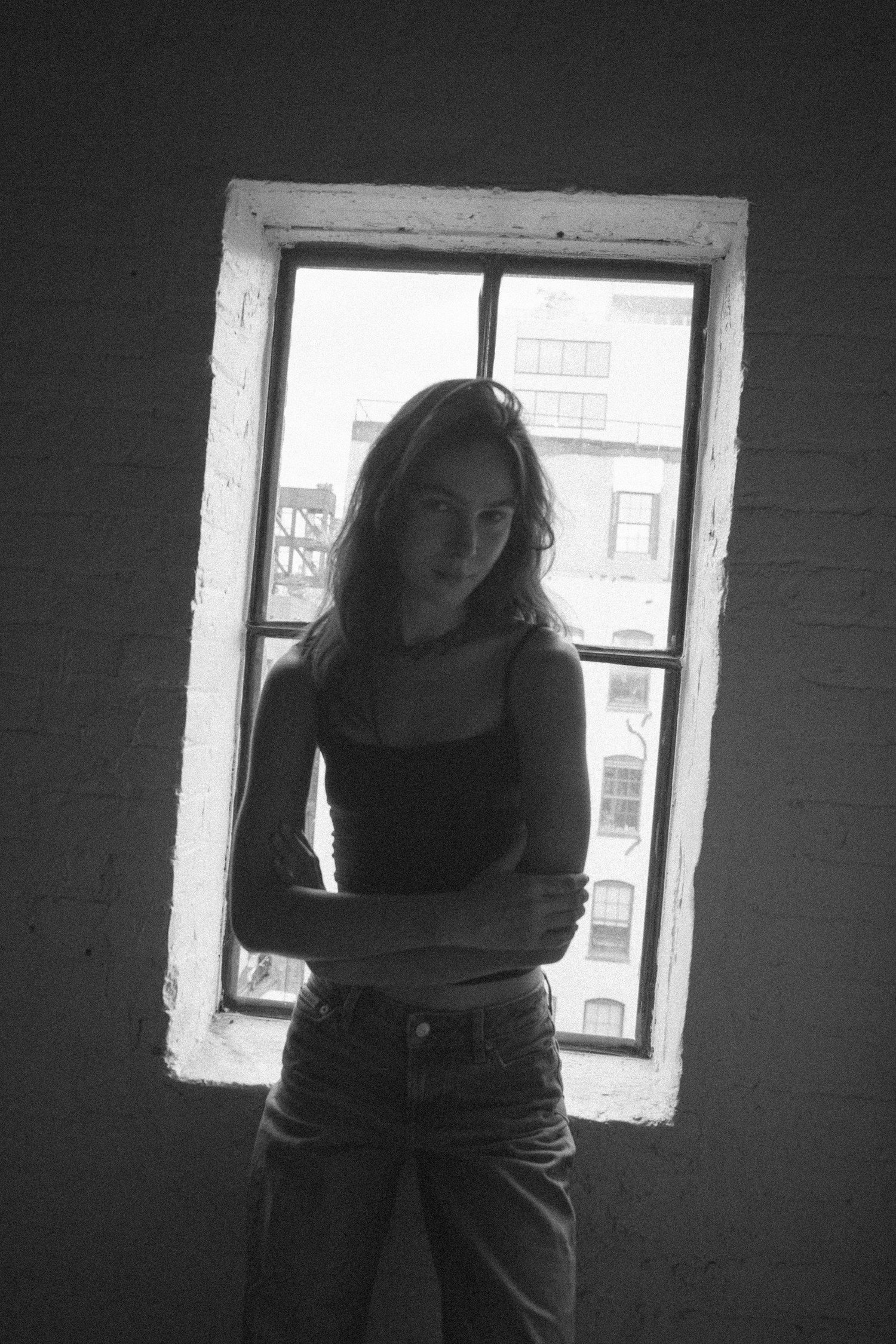
Amanda's window portrait uses darkness and a bright frame to create a graphic image. Tara's close black-and-white portrait leaves more attention on the face itself. You may prefer one approach for your own session. Naming that preference gives the photographer something more useful than saying you never look good in pictures.

Let expression matter as much as symmetry
It is easy to inspect your face in separate pieces while seeing other people as a whole. Try looking at the photograph at its normal display size and naming the impression first. Does it feel thoughtful, open, direct, playful, or calm? Does that feeling connect with a part of yourself you recognize?
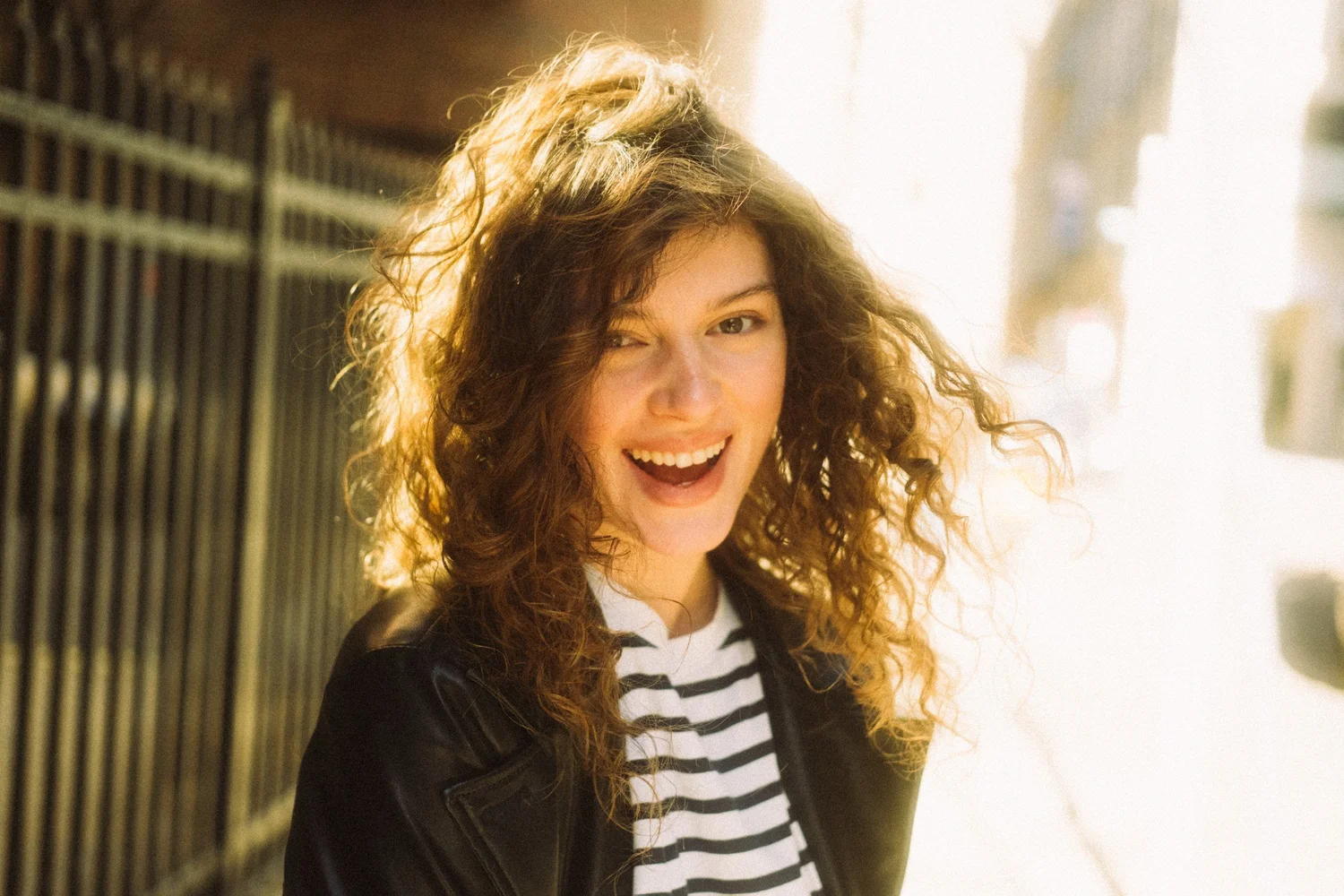
Olenka's laughing frame and Johnny's direct gaze offer different kinds of presence. A broad smile is not automatically the most personal photograph, and a serious expression does not need to seem severe. You can want several moods in a set without deciding that only one expression is acceptable.

Give unfamiliar photographs a little space
You do not have to make a final judgment the moment you first see the gallery. If every frame starts to look wrong, pause and return later. Compare a small group of related images rather than scrolling endlessly between completely different setups. View them at the size in which you plan to use them.
A photograph can also feel unfamiliar because it differs from the mirror view you see every day. That does not make either view the complete truth. The practical point is to avoid treating the first feeling of unfamiliarity as the only useful criterion for selection.
Look at how the setting changes the experience
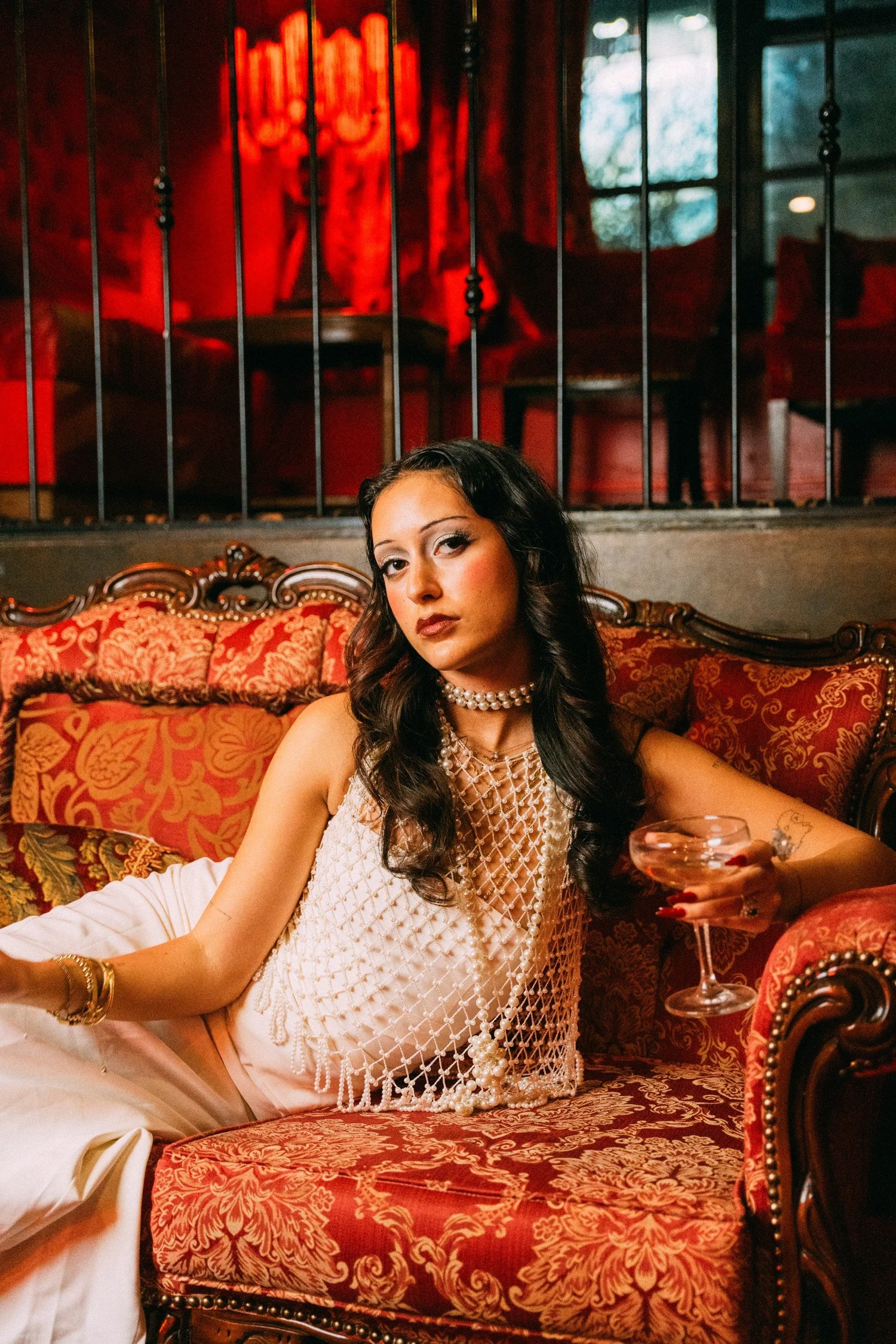
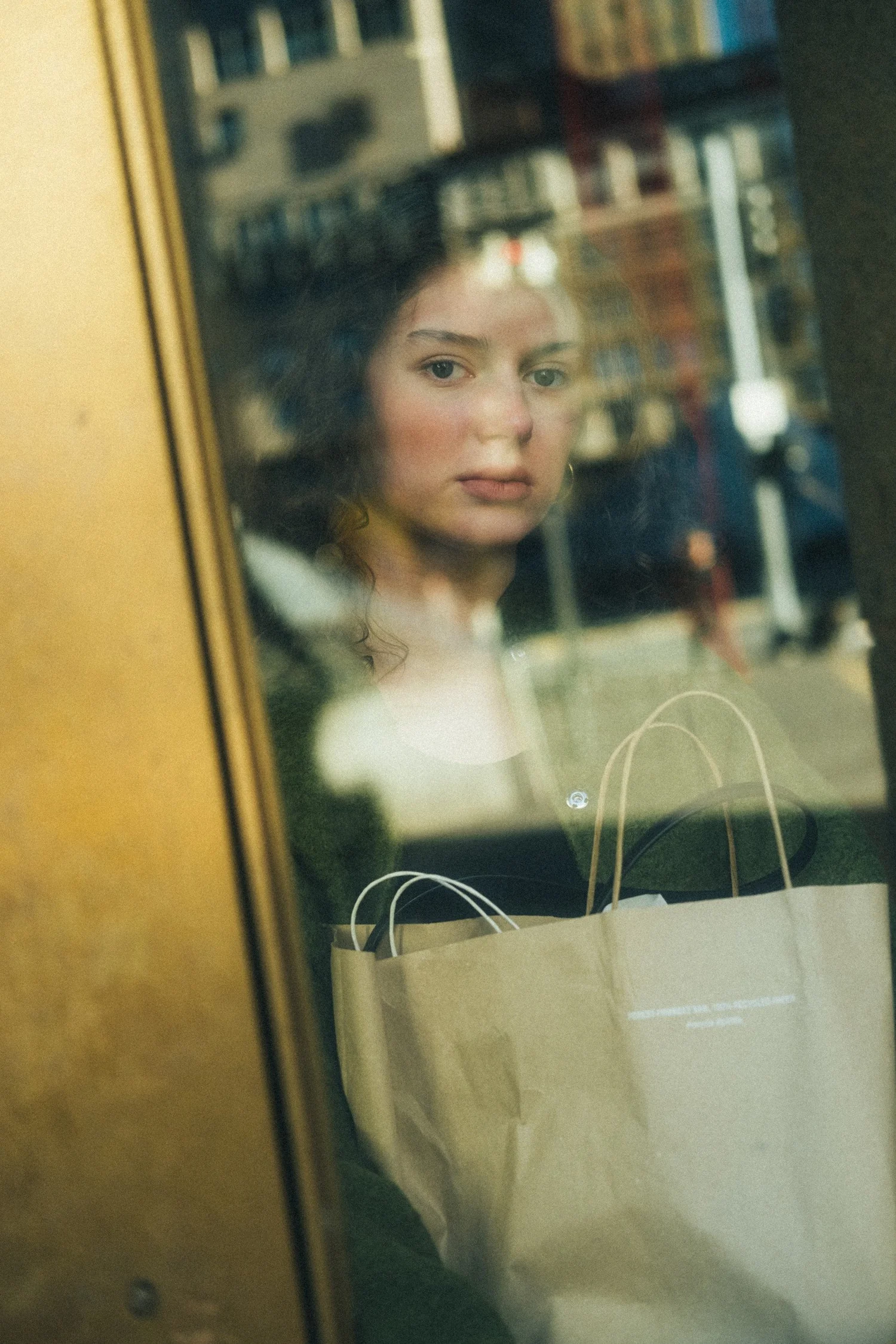
A frame with surroundings asks you to read more than the face. Eden's portrait uses color, furniture, and gesture; Olenka's window image introduces reflections. If you enjoy photographs that tell a wider story, you may feel more connected to that kind of portrait than to a tightly cropped introduction.
You can also want both. A clear profile image and an atmospheric personal photograph do different jobs. Before the shoot, talk about which examples feel close to you and why. The studio versus location guide can help you identify an environment that supports the experience you want.
Ask for direction you can actually use
You do not need to solve your expression and posture alone. Tell the photographer if an instruction feels uncomfortable, if you prefer to begin with movement, or if you need a moment between setups. A simple action can be easier to work with than an instruction to “look natural.”
The natural portrait guide includes walking, sitting, and hand gestures as starting points. Those are possibilities, not a checklist everyone must perform. The useful direction is the one that helps you participate without becoming absorbed in monitoring every detail.
Choose photographs for a reason beyond finding flaws
When reviewing the final set, start with the intended use and the overall feeling. Look for an expression you recognize, a composition you enjoy, and a crop that works. If you ask a trusted person for feedback, ask what the image communicates rather than inviting them to inspect your appearance.
Use the portrait selection guide to build a shortlist. You do not have to love every photograph to find a set that matters to you. Bring your preferences and concerns into the planning conversation so the session can begin with your actual comfort level and the kinds of pictures you hope to make.
Plan portraits with your comfort in mind
Share your preferred dates, the reason you want photographs and one or two images whose feeling you enjoy. You can mention the directions or situations that make you uncomfortable. We can plan a gentler starting point and the kind of portraits you actually want to keep.
Ask about your portrait session · Explore NYC portrait sessions
Continue planning with comfortable movement and direction during a portrait session.