
Sony a7CR Review: Portraits, NYC Streets & Cropping
Resolution gives me room to crop. The missing focus joystick makes me work harder. My a7CR perspective starts with that trade-off and what it means while making portraits.
The Sony a7CR gives me something I love: enough resolution to crop with real freedom. But the missing focus joystick makes it more difficult for me to use on an actual shoot. Those two things sit at the center of how I feel about this camera.
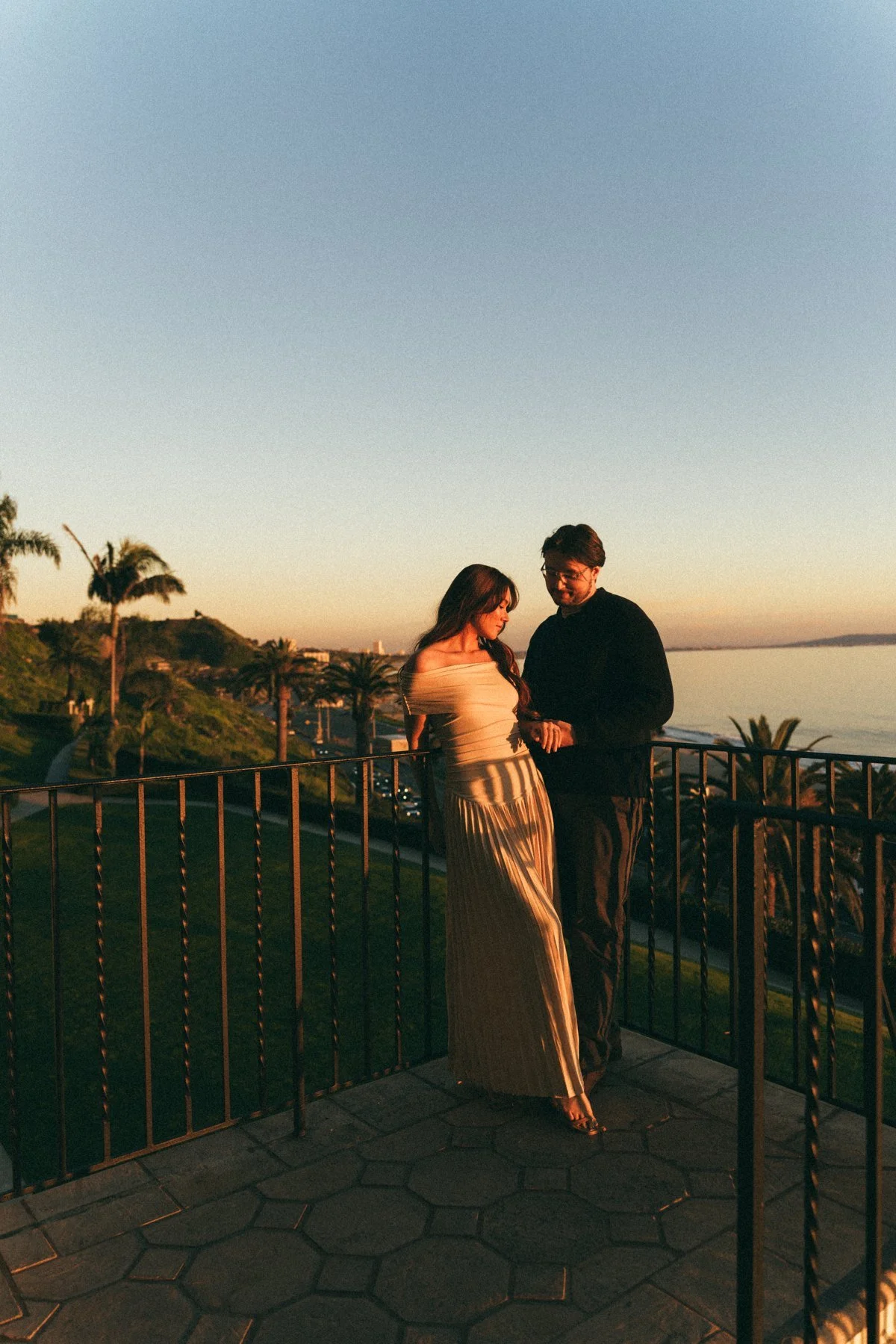
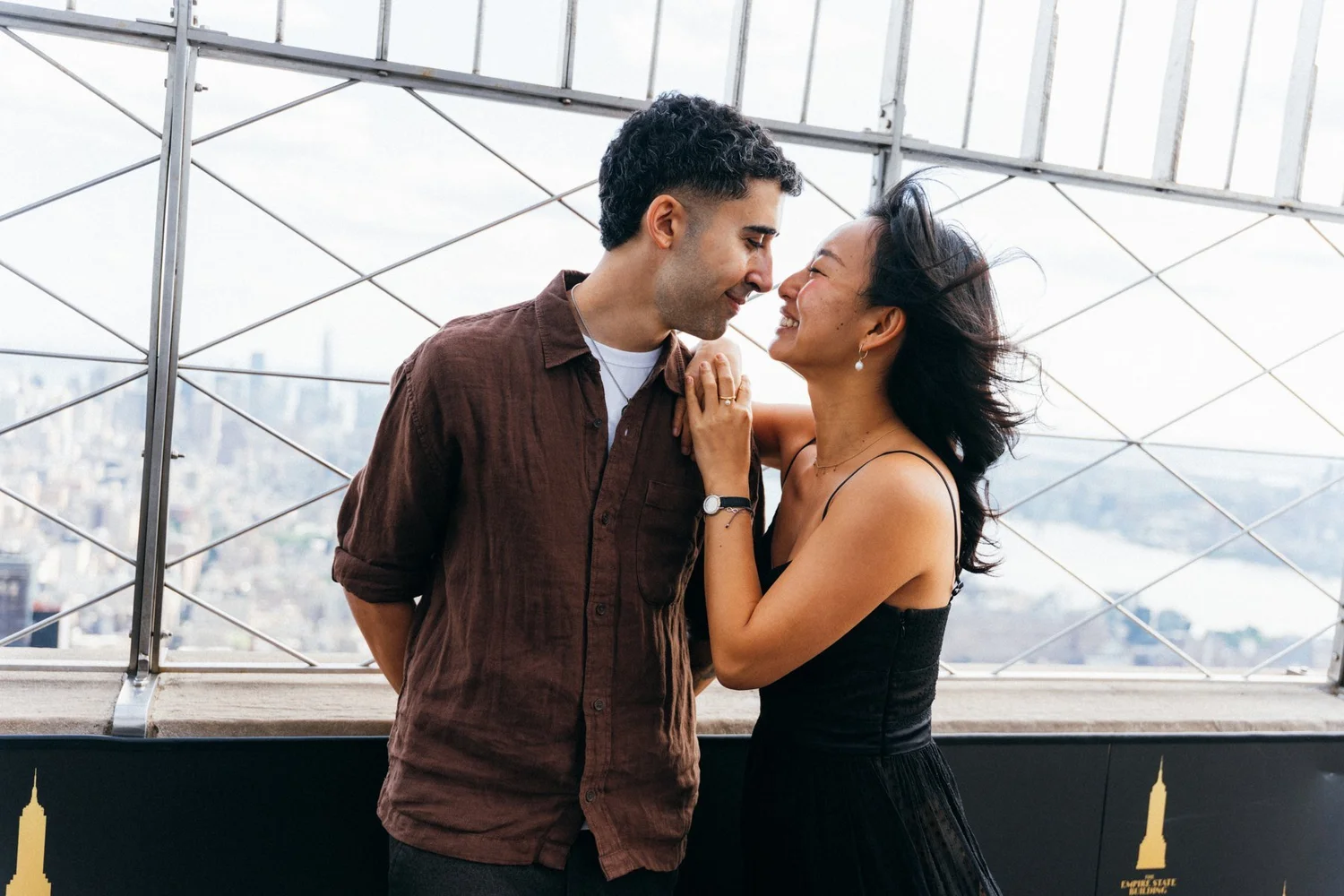
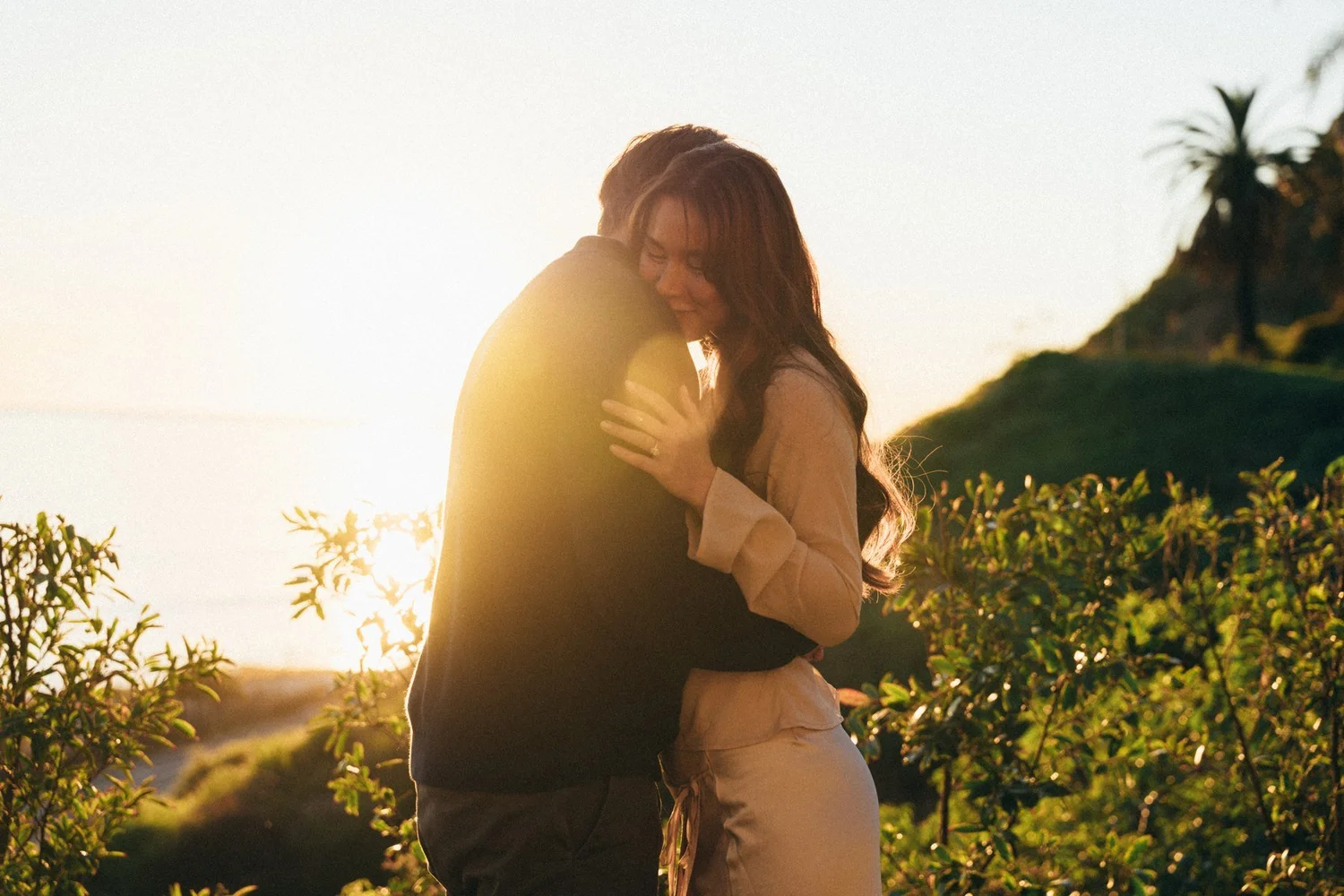
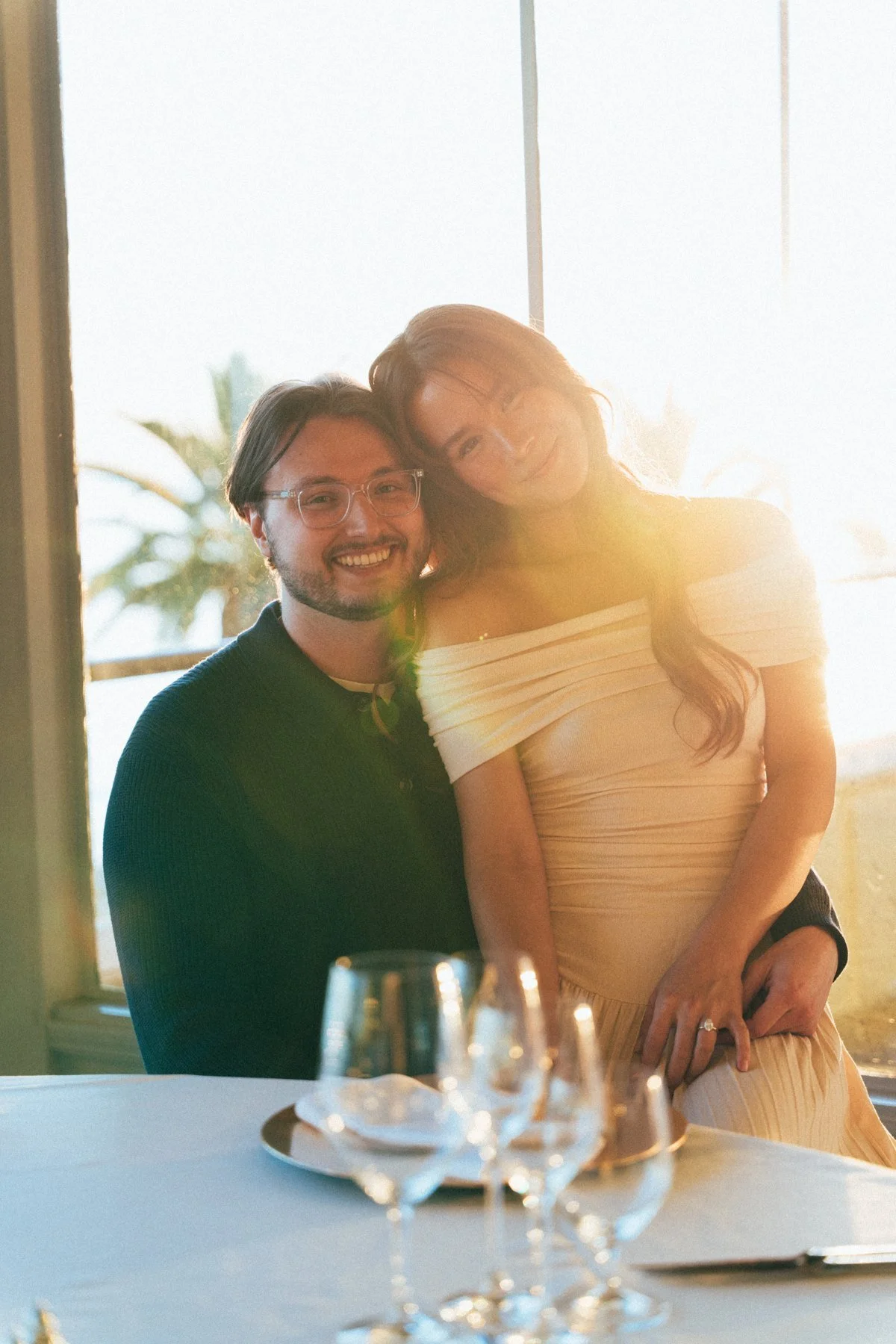
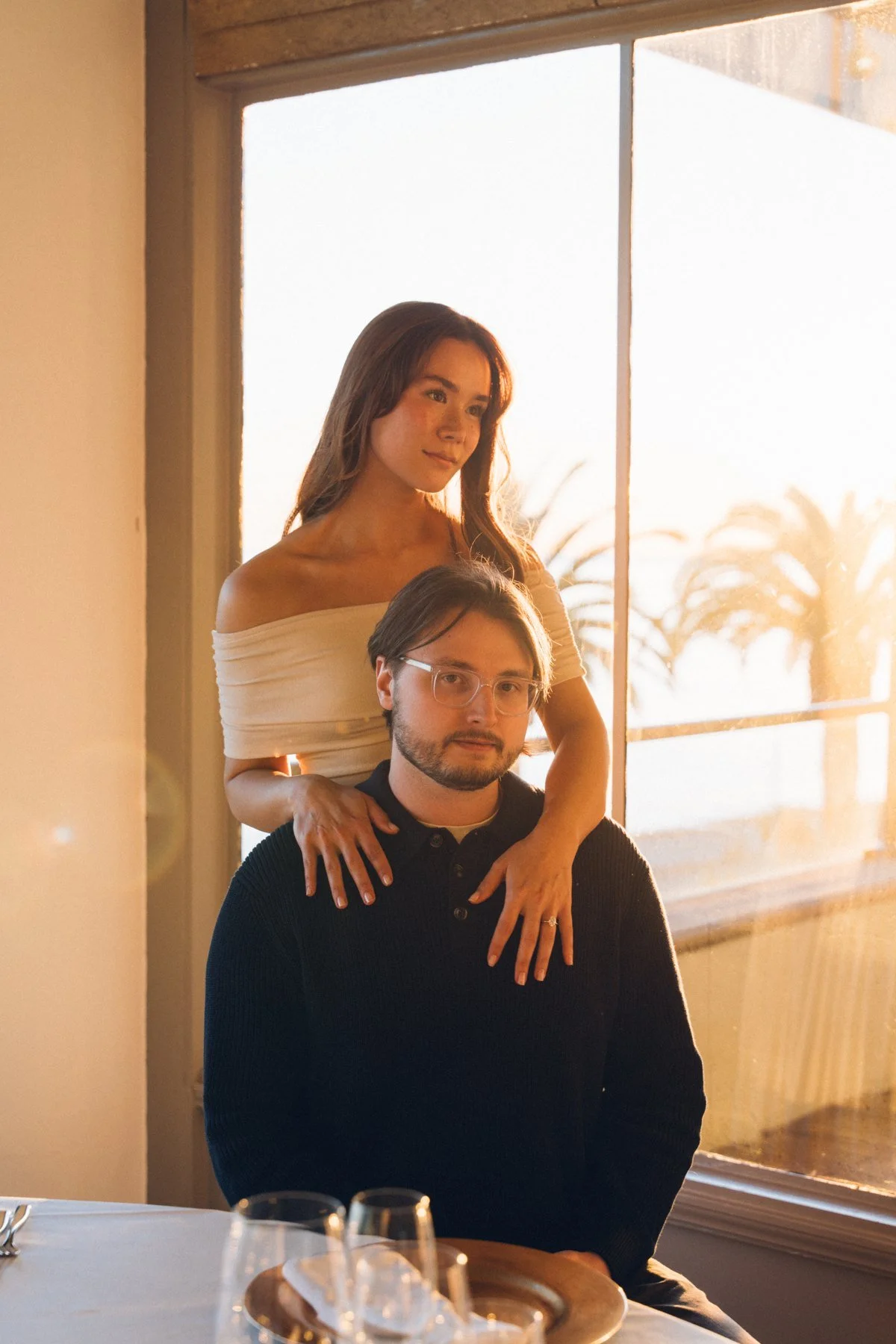
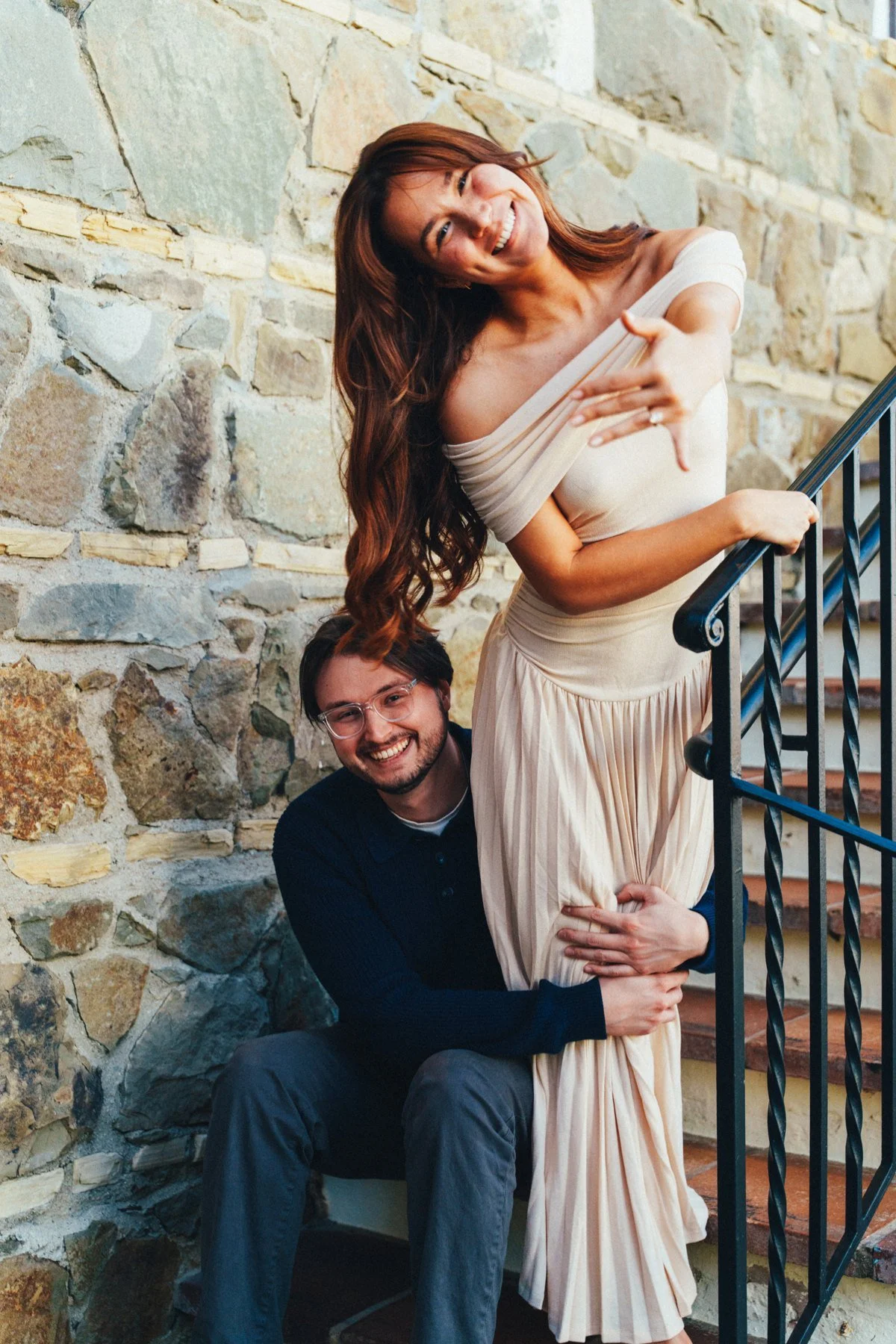
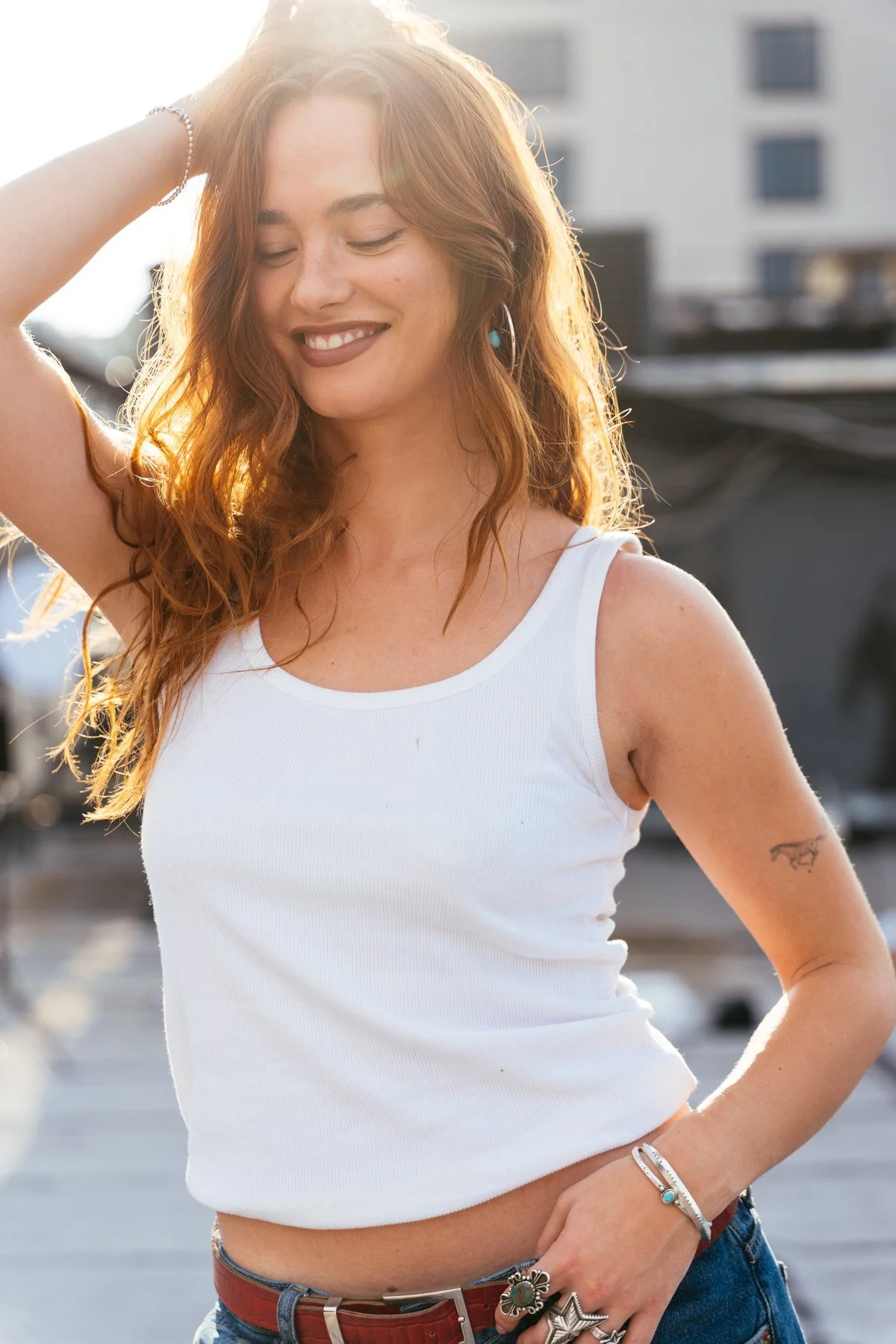
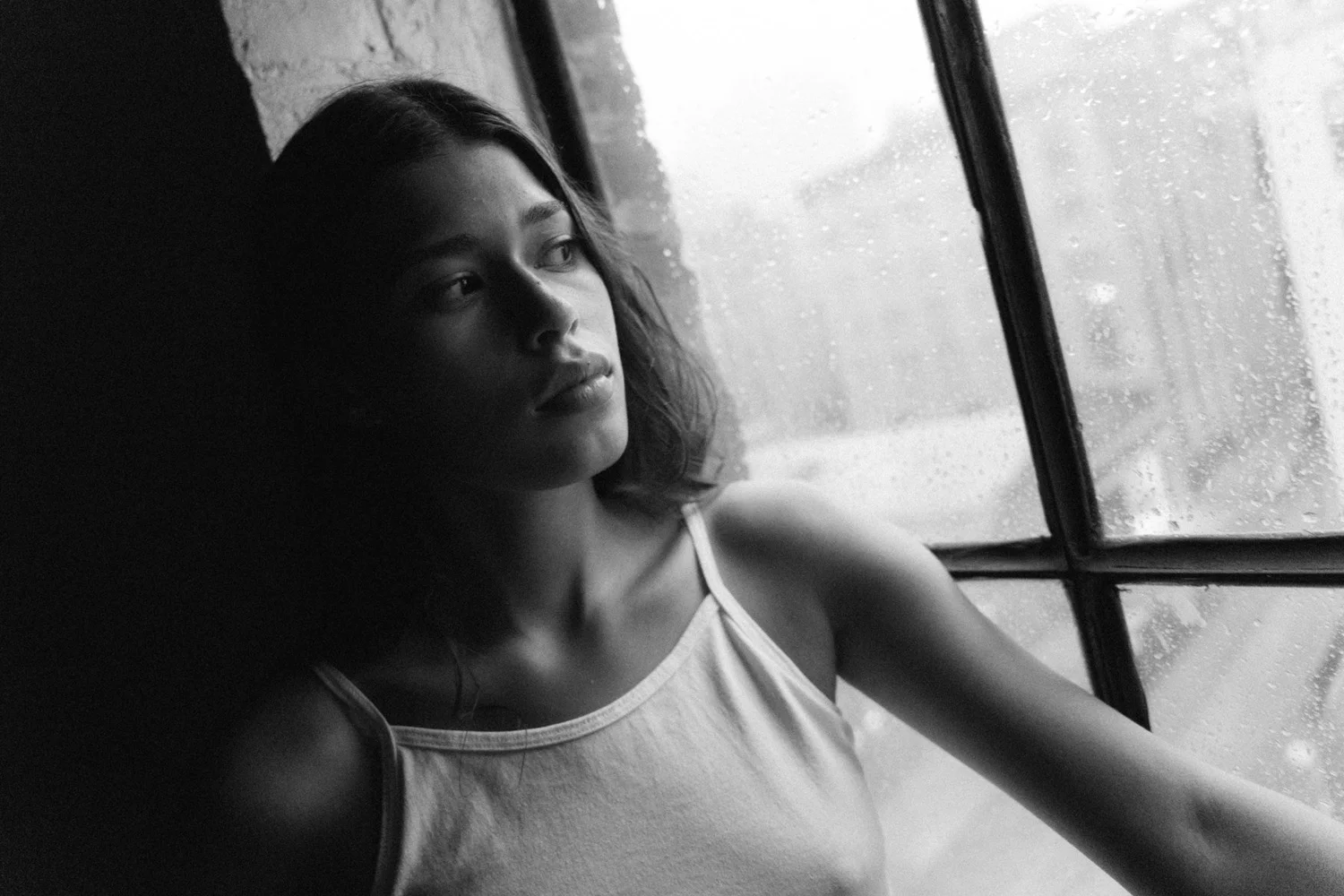
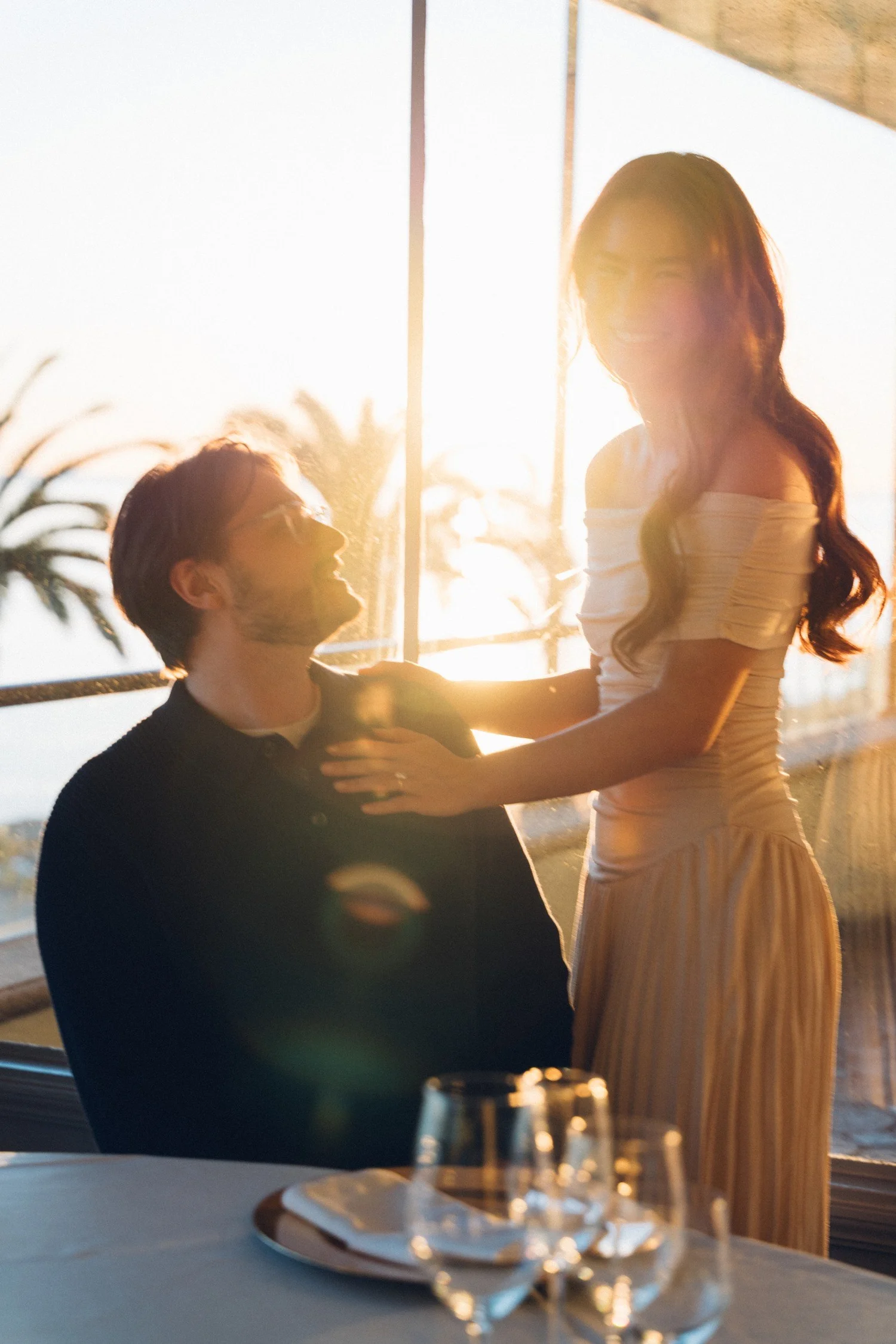
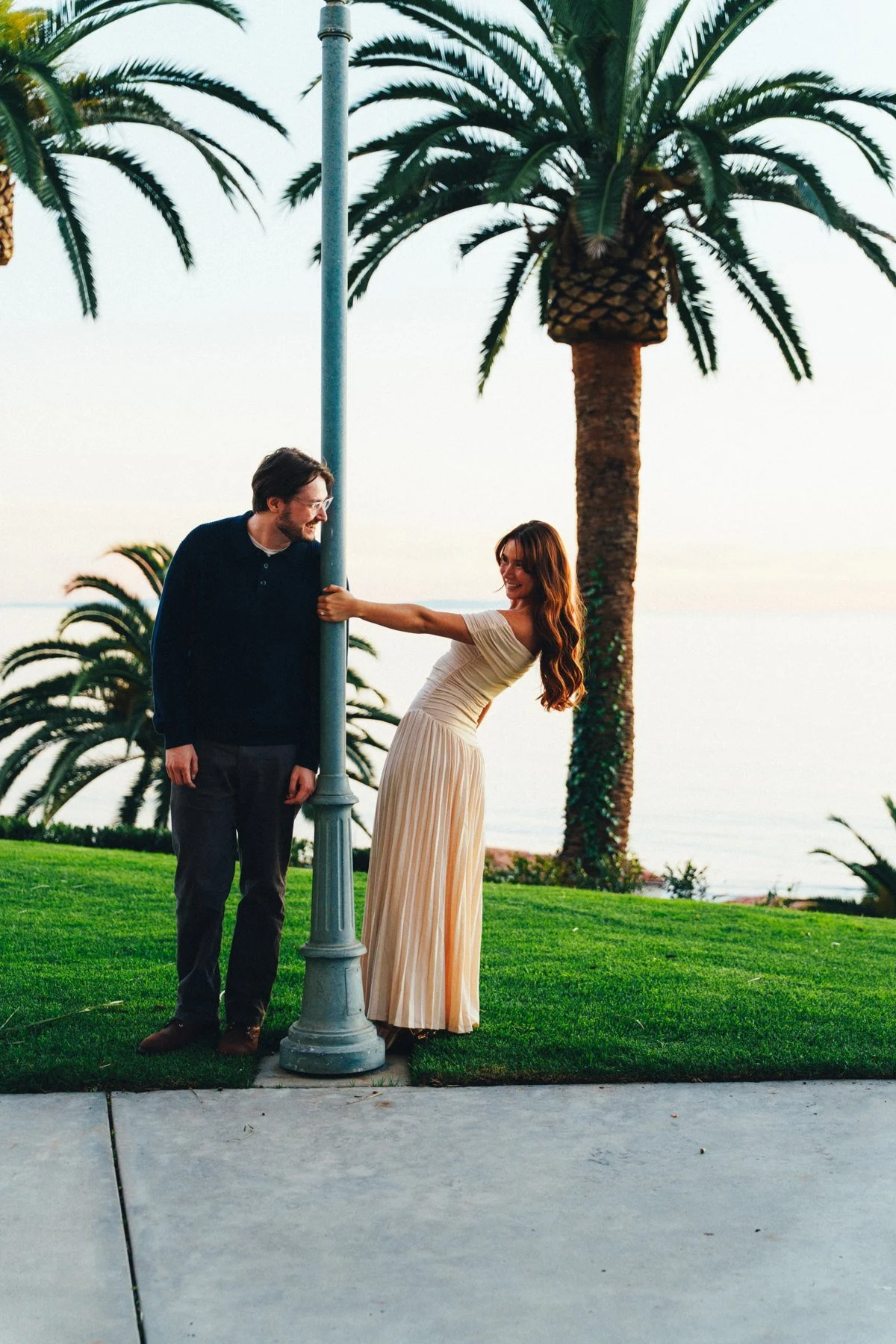
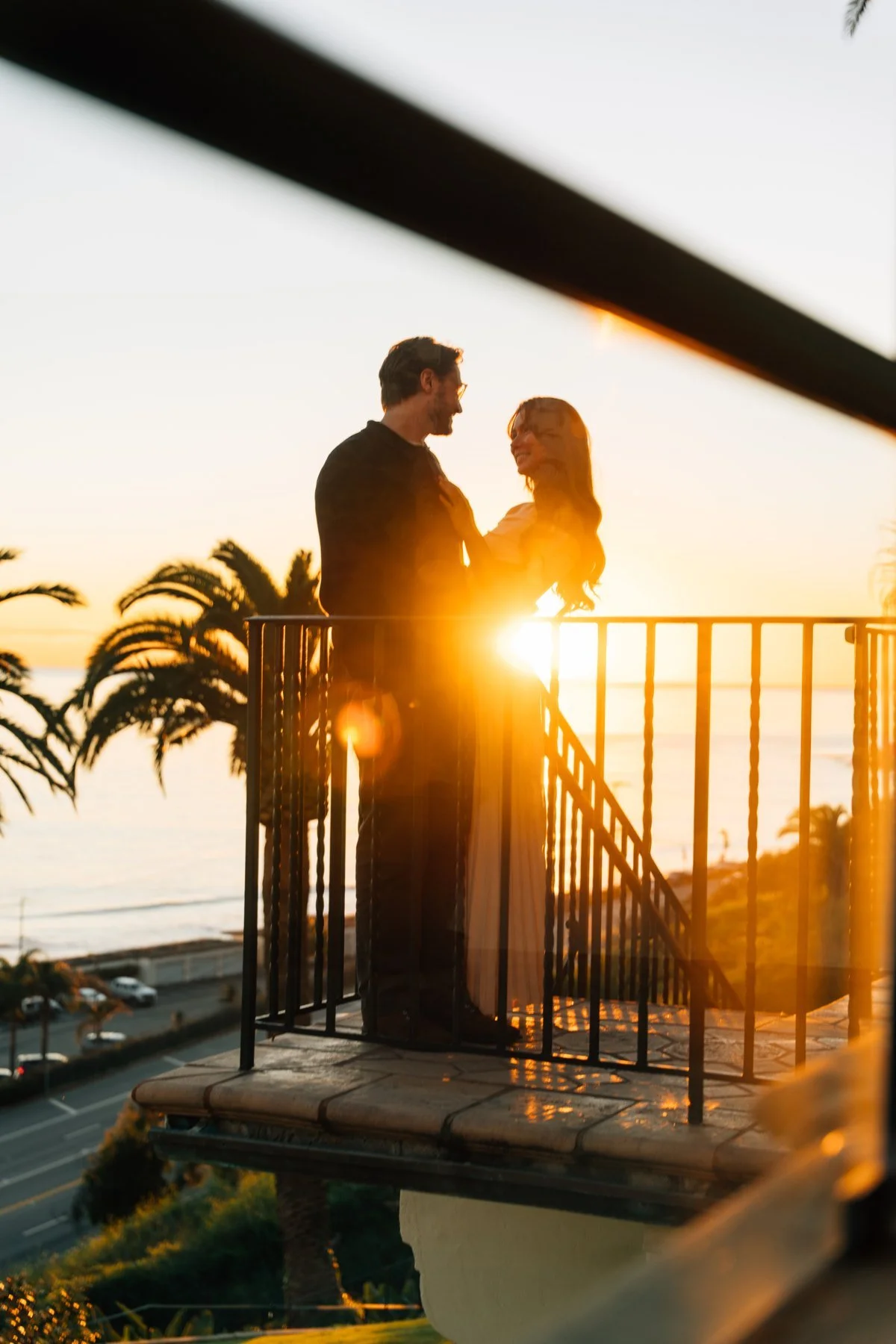
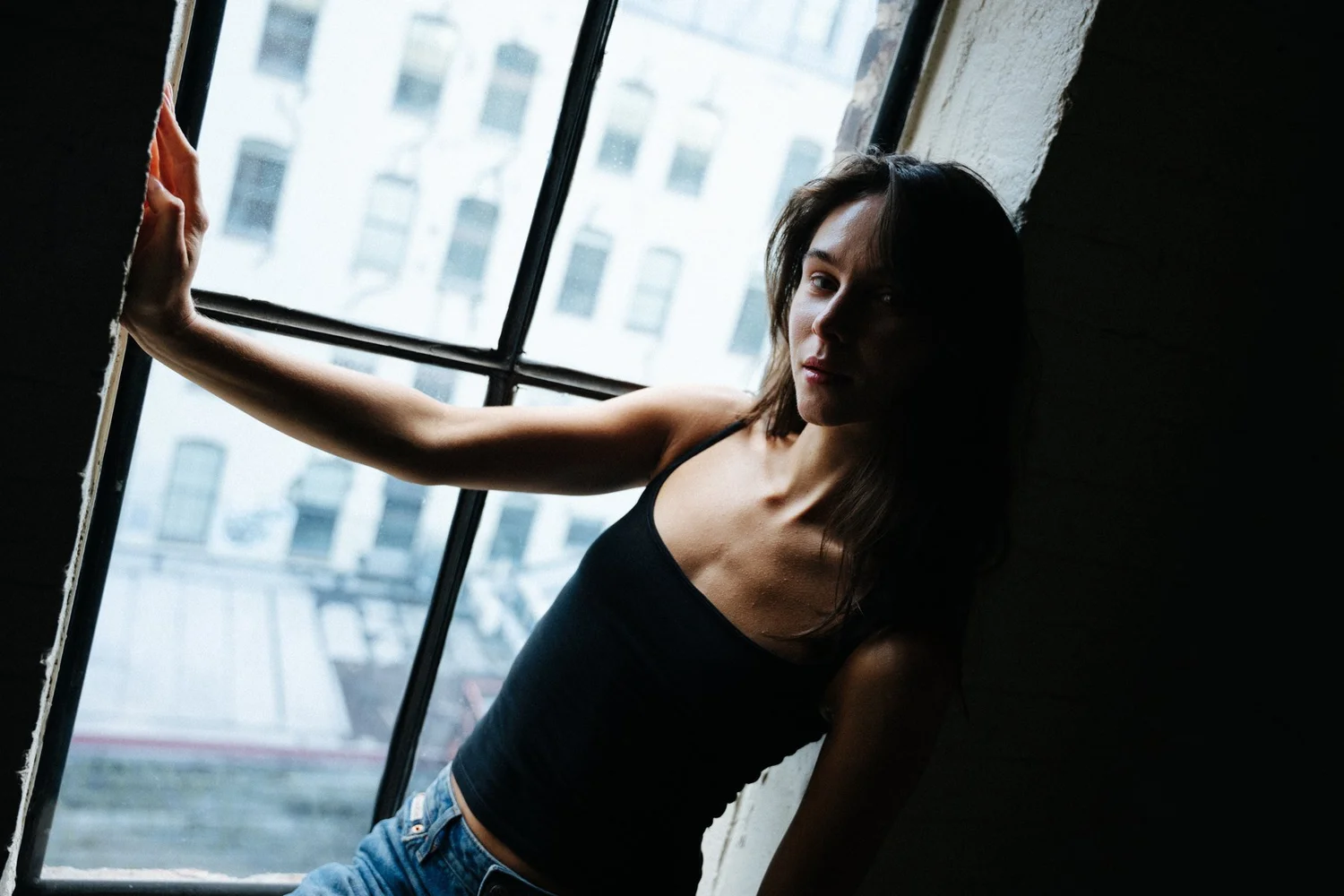
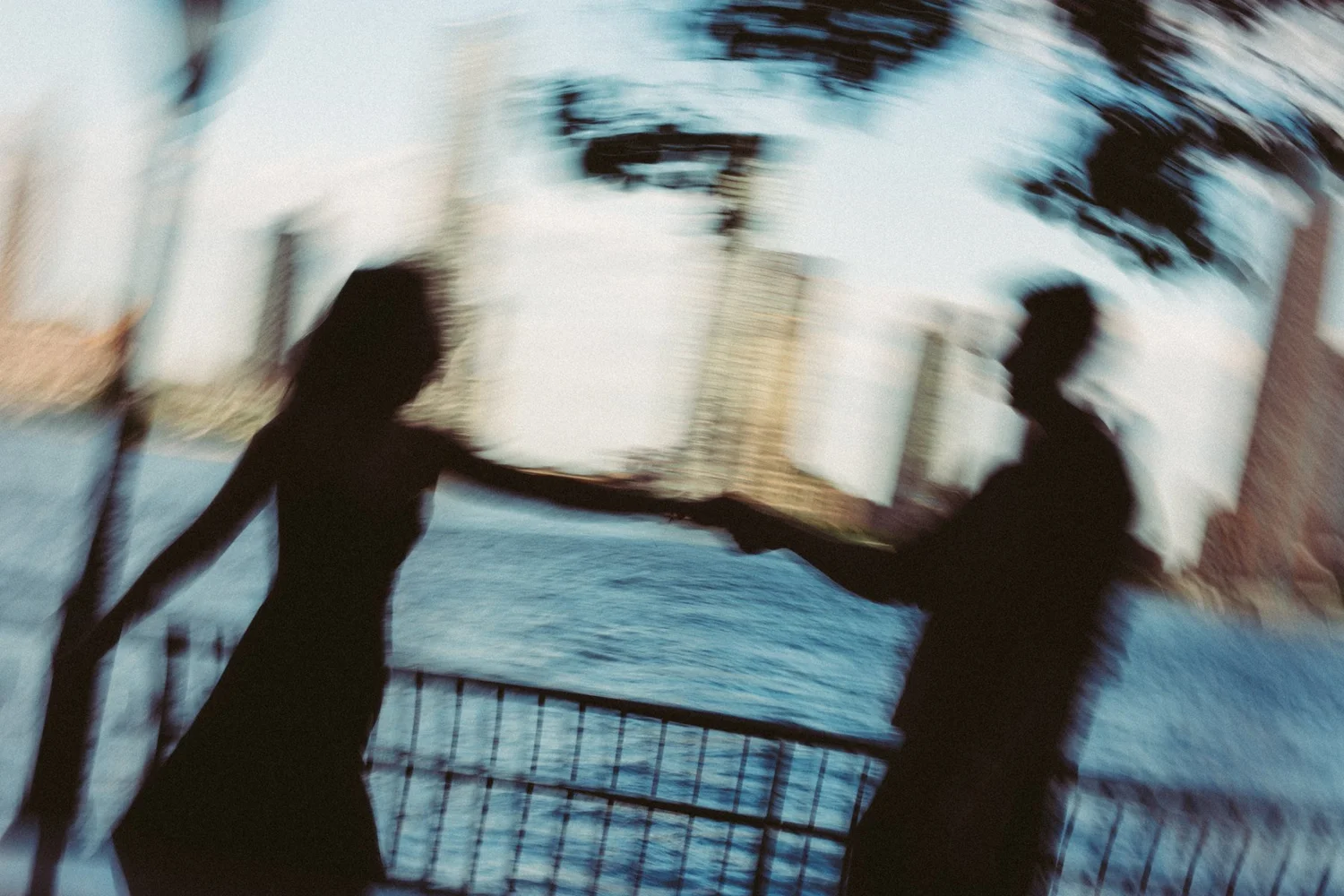
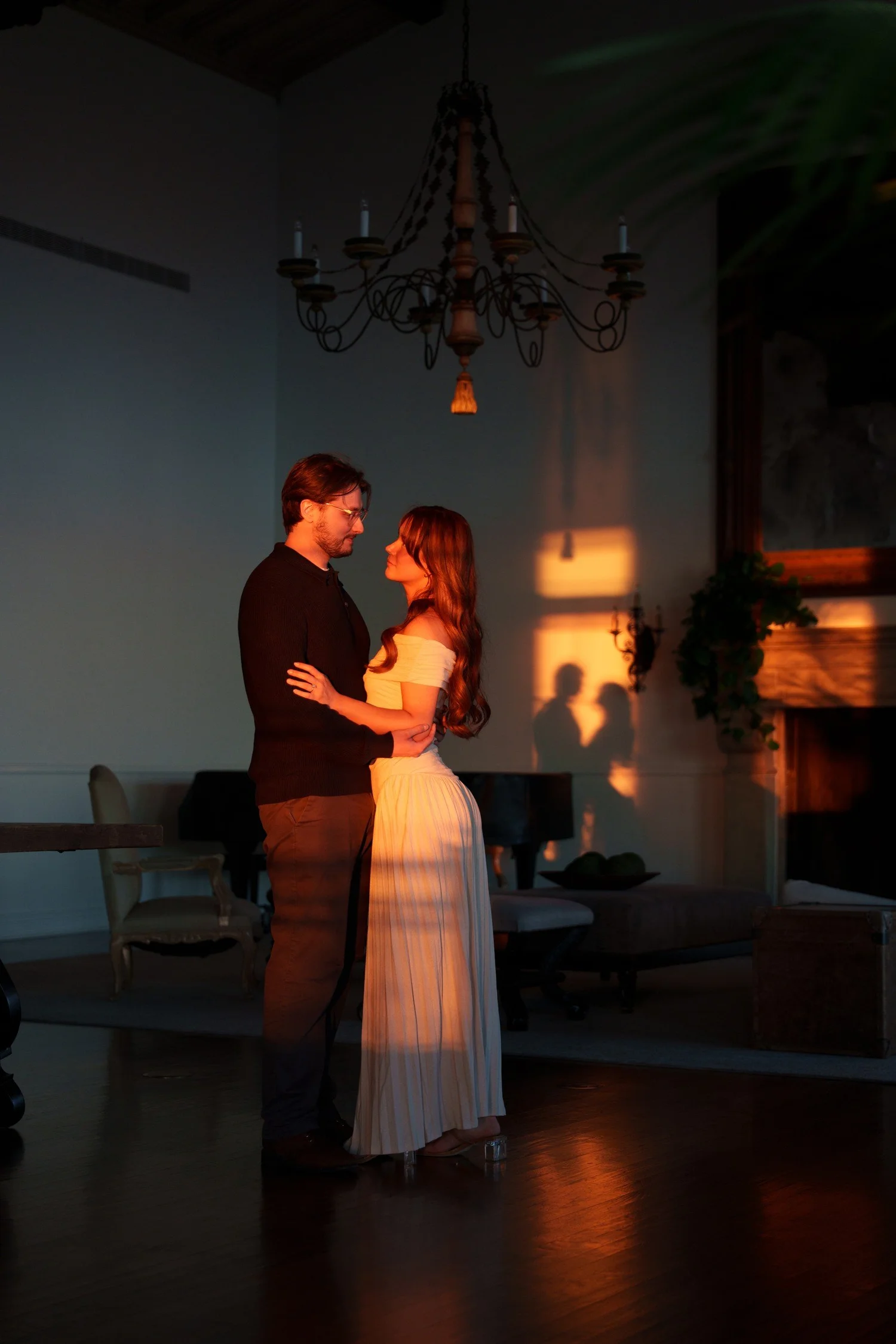
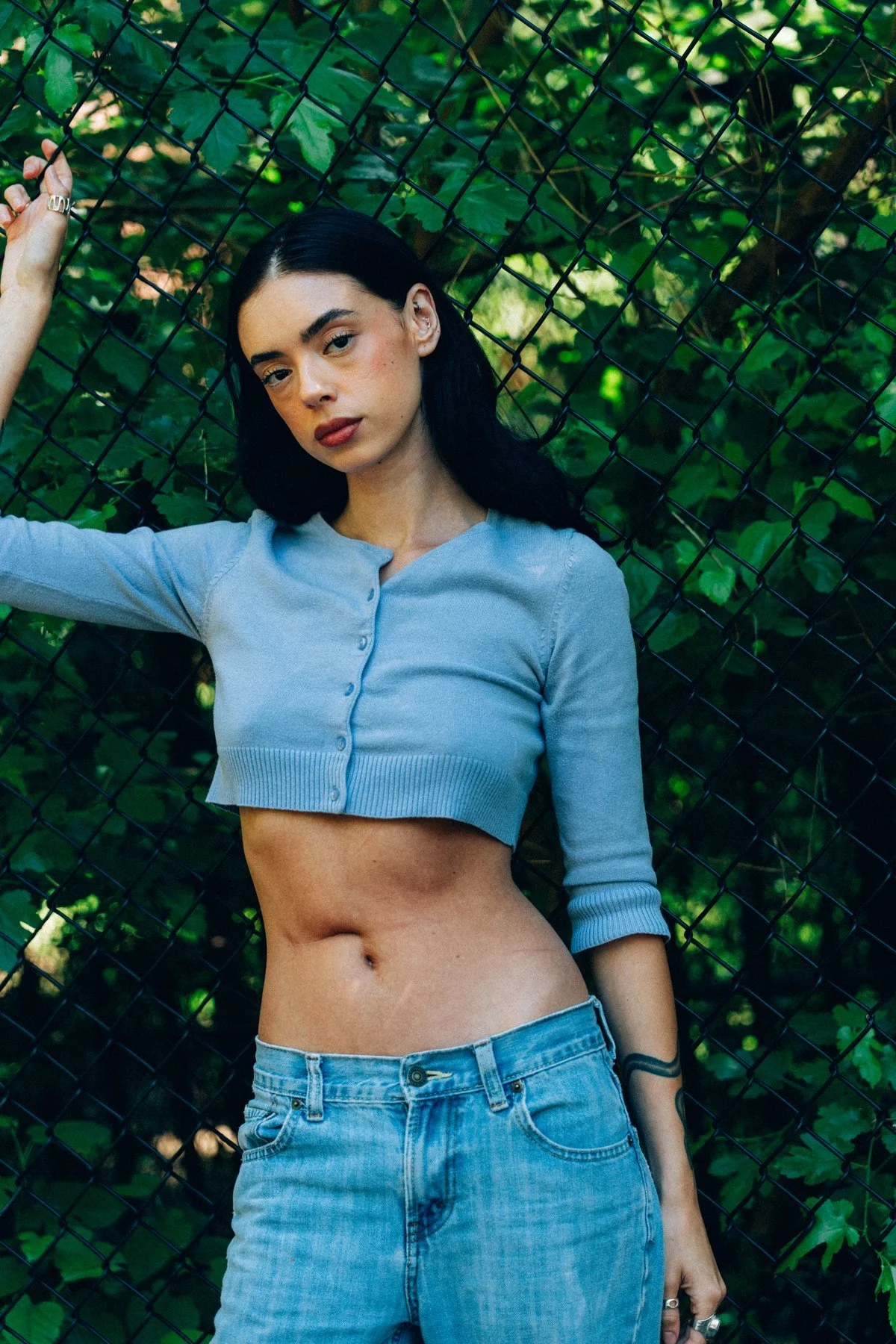
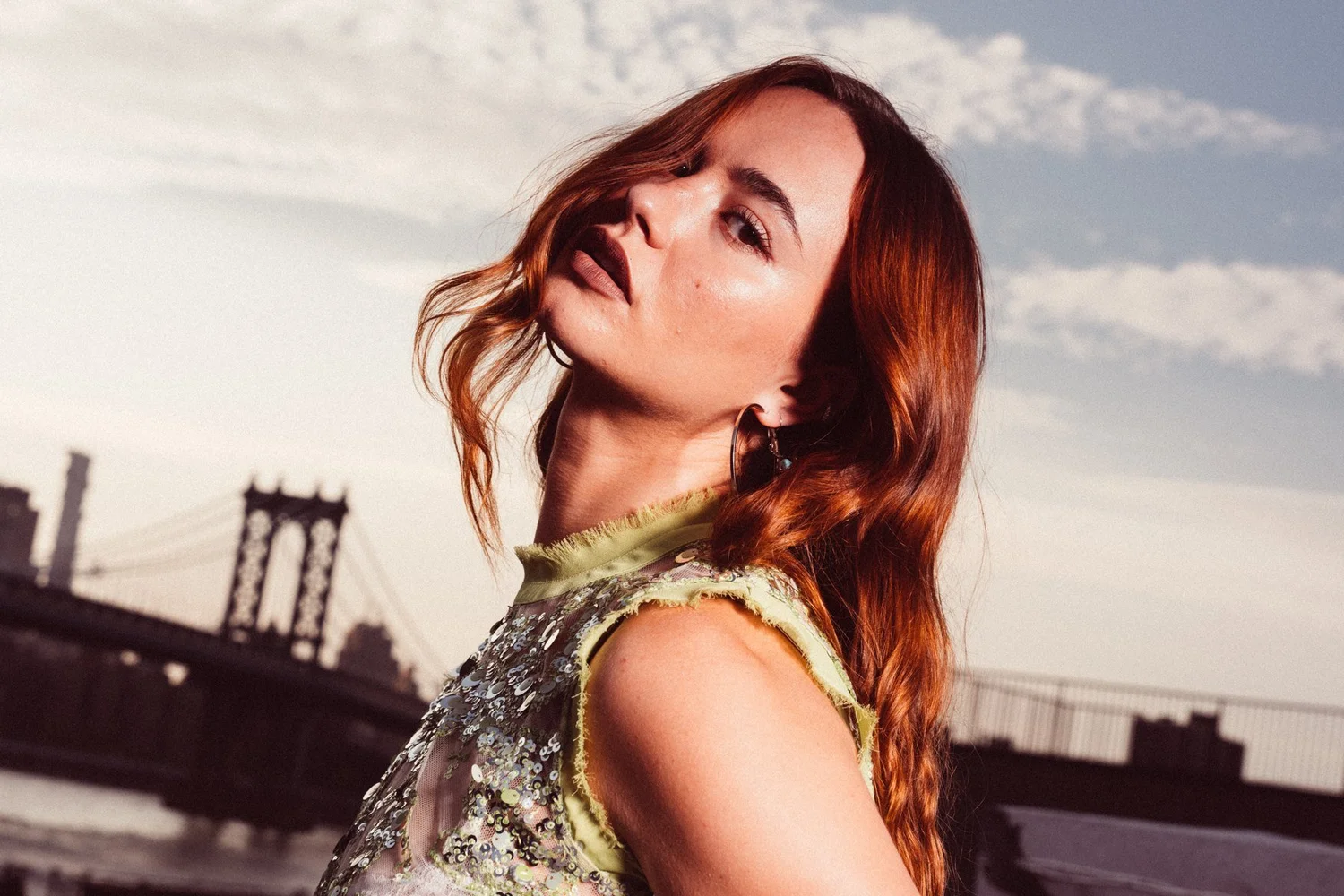
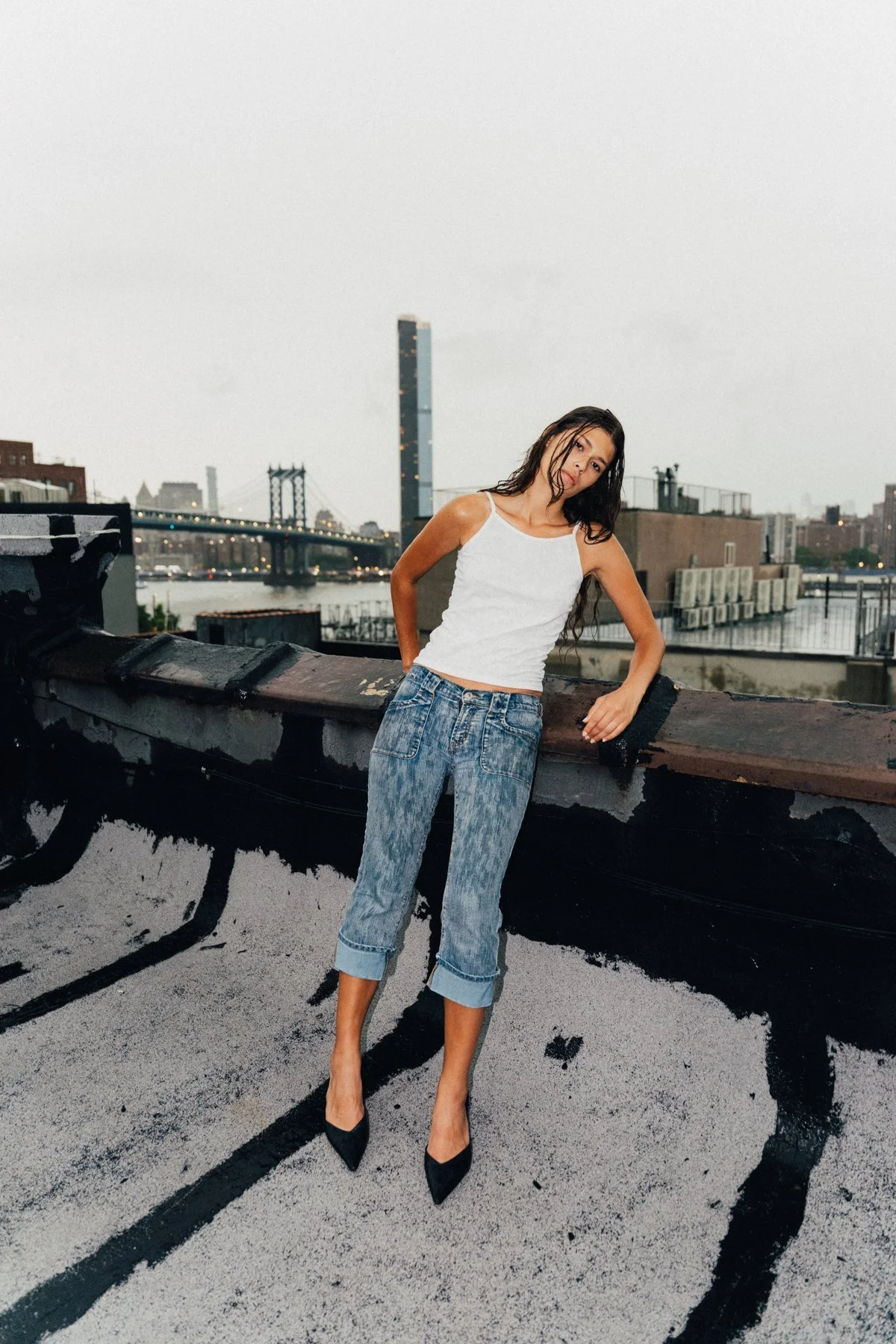
The photographs from my portfolio illustrate the discussion of composition and resolution. They are not a7CR test images. Settings below describe each displayed photograph; the examples use a Sigma 24–70mm F2.8 DG DN II Art.
My short answer
The a7CR's resolution is its strongest attraction for me. I love the megapixels, and the cropping flexibility is wonderful. The part that gets in my way is handling: I miss having a joystick when I am working with someone in front of the camera.
That makes this a portrait photographer's perspective on a particular tradeoff. Image quality matters, but so does the way a camera lets me make decisions during a session. A photograph needs both a useful file and the moment I wanted to capture.
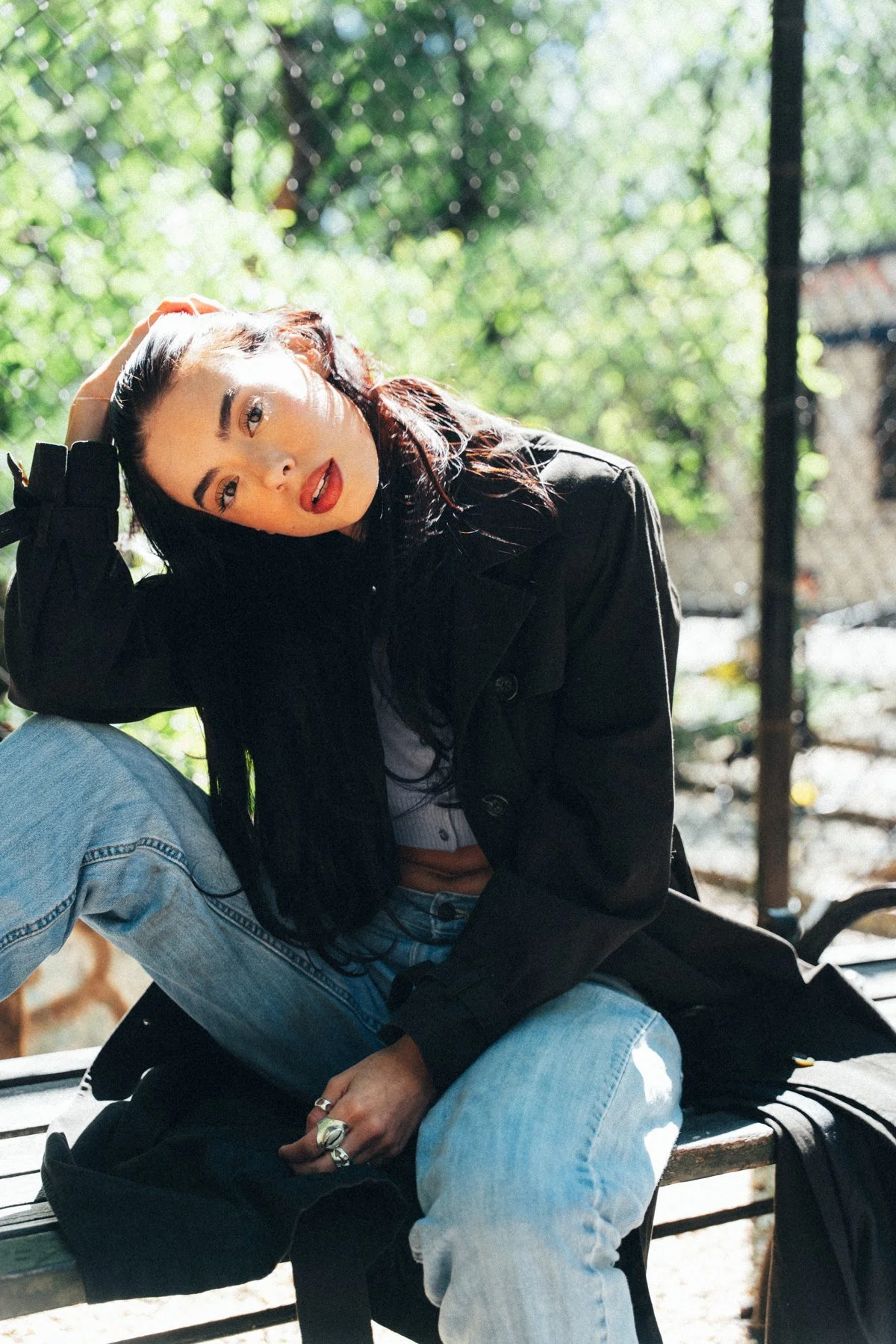
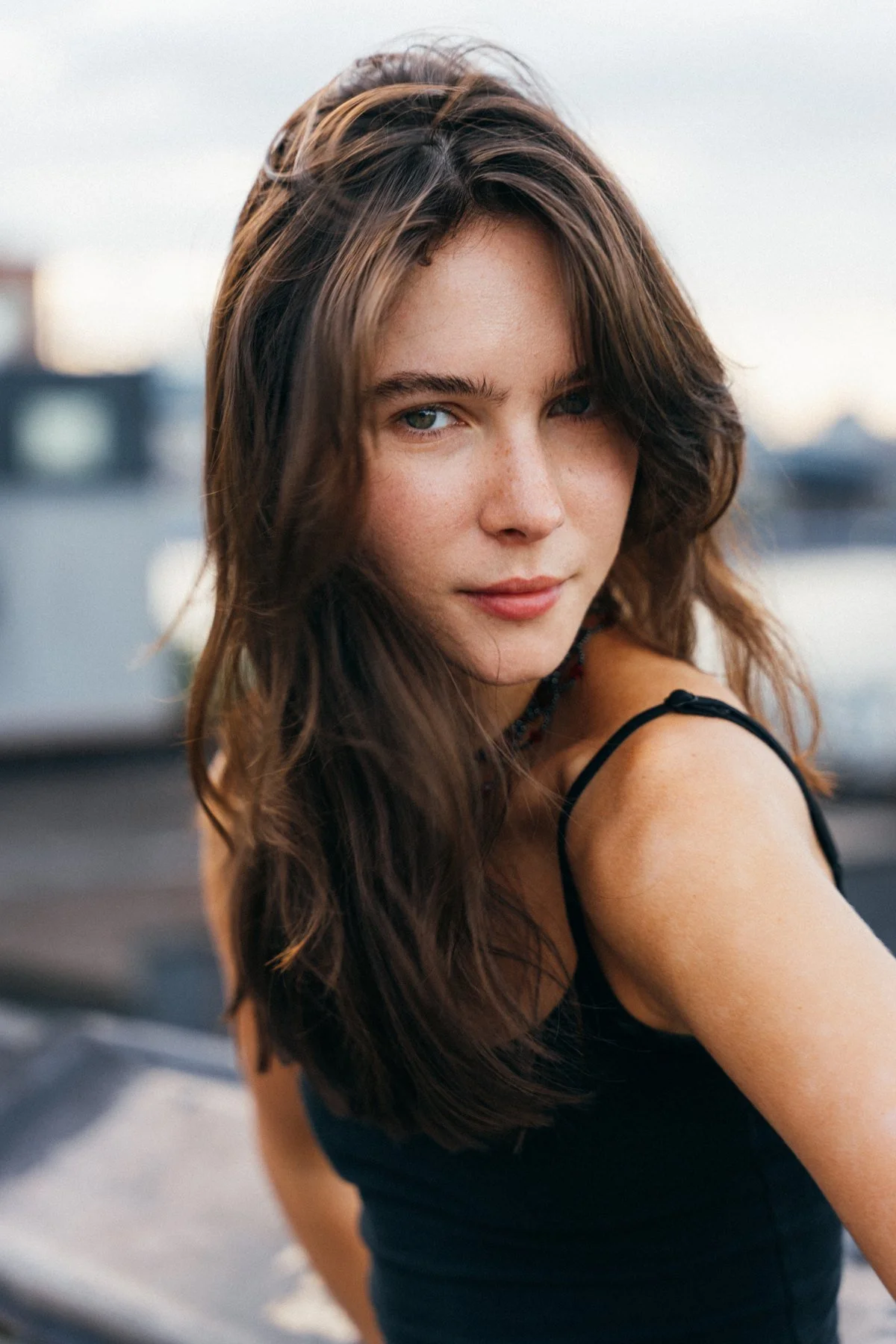
What the extra resolution makes possible
A portrait does not always have one useful final composition. The wider frame might show the person's clothes, posture, and relationship to the street. A closer crop might put the attention on an expression. For me, having room to explore those alternatives is one of the most appealing things about the a7CR.
Sony's largest 3:2 JPEG and HEIF output is 9504 × 6336 pixels. That gives useful context to the high-resolution headline: there is a substantial image to work with before choosing a smaller final frame. It does not mean every crop will hold up equally well. Focus, movement, lens performance, and the intended output still matter. Sony's image-size documentation
The educational distinction is between cropping and correcting everything later. A crop can simplify the edges or change the balance of an image. It cannot move the light, change the expression, or reveal something that was outside the original frame. It also cannot reproduce the perspective change that comes from moving the camera.
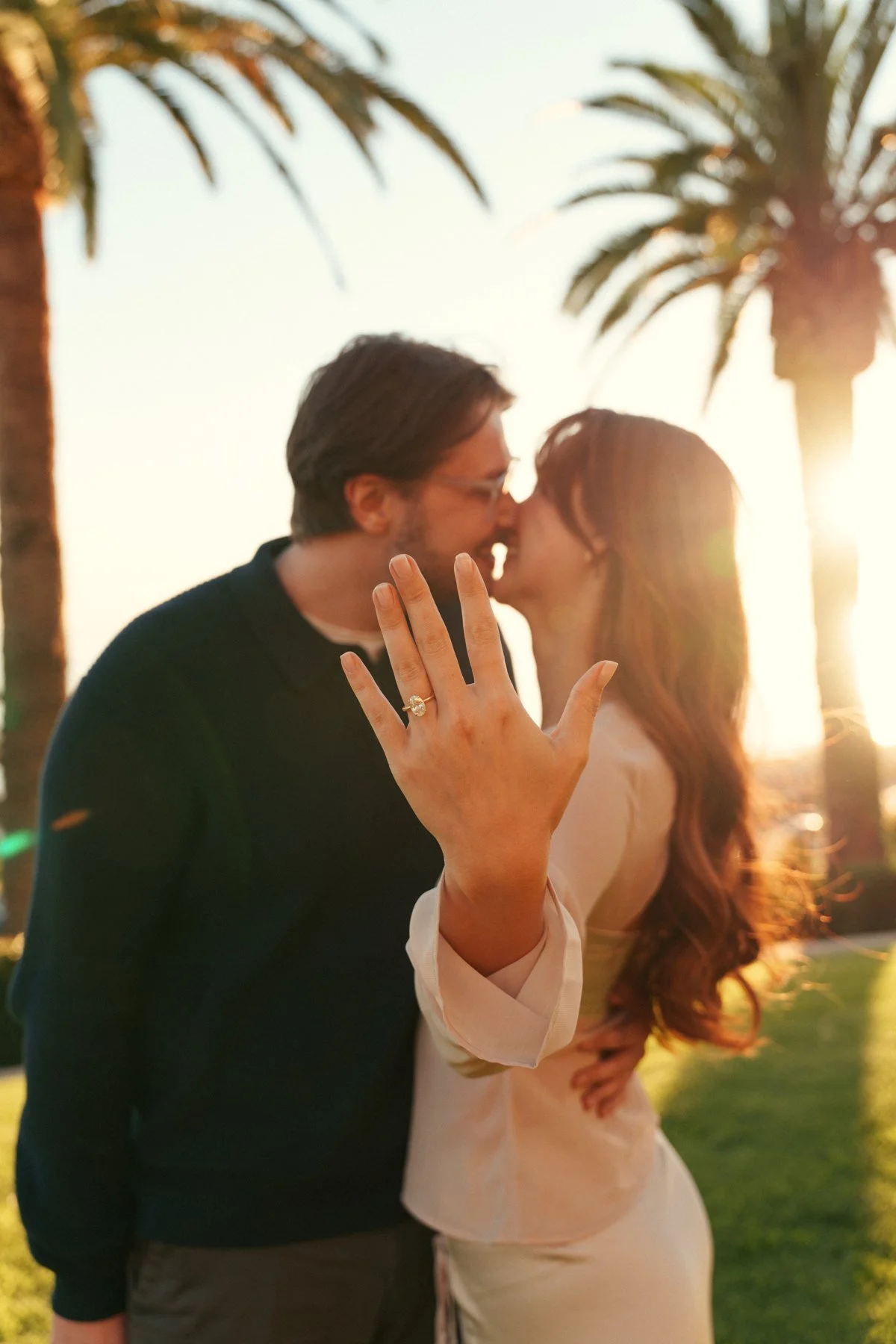
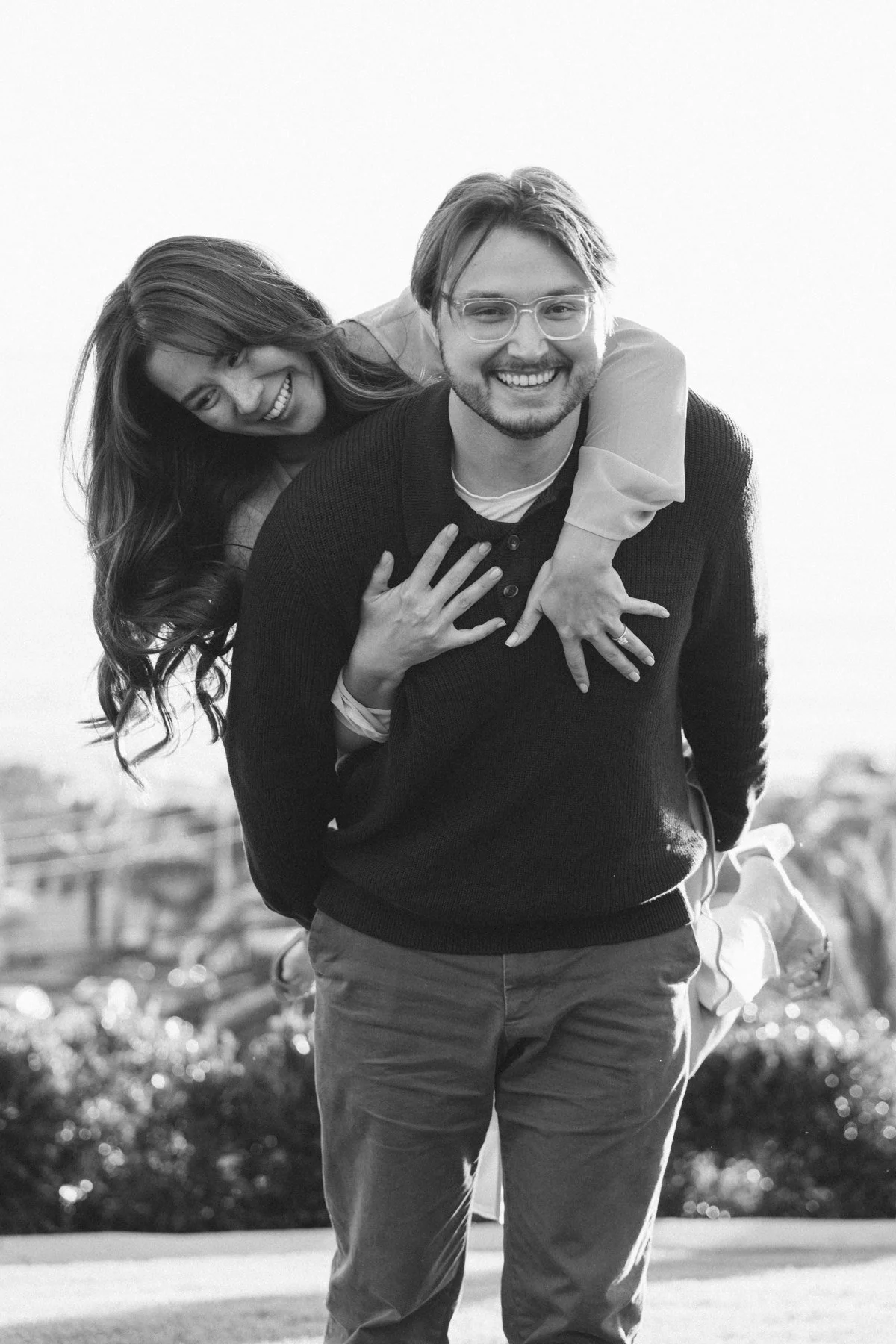
Cropping for a portrait, not just zooming in
When comparing a wide photograph with a tighter version, look at what each one says. Does the environment explain something about the subject? Does removing it make the expression stronger? Are the hands still contributing, or has the crop left them awkwardly at an edge?
This is why a useful crop demonstration needs more than a close-up of a brick wall. For a portrait, the decision should affect how the person reads in the photograph. The extra resolution is valuable when it supports that decision.
There is also a difference between a closer composition and a stronger one. Sometimes the wider image is the better portrait because the space around the person is part of the story. My guide to choosing your final portrait photos goes further into evaluating a set by expression, variety, and purpose.
The control I miss on an actual shoot
The missing joystick is my main frustration with the a7CR. It makes the camera harder for me to use during a real session.
That matters because a portrait session is an interaction. While the photographer is choosing a frame, the person may be moving, changing expression, or waiting for direction.
This is a personal handling judgment. It is not a claim that the autofocus is unreliable, and it does not establish how someone else will feel about the controls. Focus recognition and selecting where you want the camera to pay attention are related, but they are not the same question.
If you are considering this camera, try the actual process of selecting a subject and recomposing. Do it horizontally and vertically. Think about your normal lens and whether your preferred way of working feels direct. Specifications cannot decide that part for you.
A compact body is only part of the setup
The a7CR is an interchangeable-lens camera, so a useful discussion of size needs to include the lens. A small body with a larger lens is a different object to carry and hold than the same body with a compact prime.
For portraits, lens choice also affects how close you stand and how much of the city enters the frame. Those are visual decisions before they become packing decisions. A wider environmental portrait and a tighter photograph from farther away can serve different purposes within the same gallery.
In the portfolio examples here, a wider view establishes the setting, while a tighter photograph brings the attention to a gesture. These are composition examples, not a test of the a7CR with a specific lens.
Where this connects to NYC portrait photography
The city can contribute architecture, color, movement, and a sense of scale. It can also make the frame crowded. Learning to decide which details belong is more useful than simply adding a recognizable landmark behind someone.
A high-resolution file can give you another chance to refine the edges. The bigger decisions still happen before the photograph: where the light is falling, what the person is doing, and how the background relates to them.
For location planning, start with the NYC portrait-location guide. For styling and composition, the editorial portrait ideas article looks at how clothing, movement, and setting work together. The camera discussion belongs alongside those choices.

Practical limits worth knowing
Sony's electronic-shutter mode disables flash shooting and its Anti-flicker Shoot. function, among other features. That makes shutter choice relevant if your portrait work involves flash or artificial lighting; “electronic” is not automatically the right option for every setup. Sony's shutter guide
The camera also has a single card slot. That is a workflow consideration when deciding how to record and back up an assignment, rather than a detail to hide behind the resolution discussion. Sony's a7CR product information
These are documented features. My personal criticism remains the handling, specifically the lack of a joystick.
What matters in the finished photographs
My view of the a7CR comes back to the same balance: I love what the resolution lets me do with a crop, and I find the missing joystick frustrating during an actual shoot.
Neither point needs to erase the other. The useful question is whether those strengths and compromises fit the way you photograph.
If you are here to plan portraits rather than choose equipment, the NYC portrait photography page shows the work and explains the session process. The finished photograph should help you recognize the person in it. The camera is one of the tools used to get there.