
Fujifilm X100VI vs Ricoh GR III: Why I Choose the Smaller Camera
Two cameras I own, one very specific job: coming along every day. This comparison starts with what I actually want to carry and how I like to frame a photograph.
I own the Fujifilm X100VI and the Ricoh GR III. I think the Fuji is a great camera, but when I want something that fits in a pocket and comes along without much planning, the Ricoh is the one that makes sense for me.
That is the decision behind this X100VI vs GR III comparison. The Fuji's size gets in the way of the particular role I want it to fill, especially when I imagine putting a camera in a pocket and heading to a concert. The GR III is much closer to my ideal for that use.
These 20 sample photographs—10 from each camera—come from different sessions and situations. They show what I have made with each camera; they are not a same-scene test of autofocus, sharpness, or noise.
First decide how you want to carry it
“Compact” can mean several things. It might mean smaller than an interchangeable-lens setup, comfortable on a strap, easy to put in a small bag, or something that genuinely works in your pocket.
My requirement is that last one. For my style and the way I want to go out with a camera, the X100VI is not pocketable enough. I can like the photographs it makes and still find that it does not meet that need.
The GR III feels right for what I want. That preference is personal: the relevant test is how the camera fits the clothes, bag, and routine you actually use. At a concert, the venue's camera policy still needs checking; a camera's size does not establish permission to bring it inside.
The physical difference is substantial
| Specification | Fujifilm X100VI | Ricoh GR III |
|---|---|---|
| Weight with battery and card | Approximately 521g | Approximately 257g |
| Published dimensions | 128.0 × 74.8 × 55.3mm | 109.4 × 61.9 × 33.2mm, excluding protrusions |
| Fixed lens | 23mm f/2; 35mm-equivalent view | 18.3mm f/2.8; 28mm-equivalent view |
Fujifilm separately lists 33.2mm at the X100VI's thinnest point excluding projections. That is not its full depth, so I would not use that number alone to compare how much space the cameras occupy. These are manufacturer measurements, not measurements I made myself. Sources: Fujifilm specifications and Ricoh specifications.
The numbers help explain the difference, but trying the cameras with your own carrying setup is more useful than deciding from a table.
35mm versus 28mm changes the frame
The X100VI's 35mm-equivalent view is tighter than the GR III's 28mm-equivalent view from the same position. Both are fixed-lens cameras, so choosing between them also means choosing the view you will start with.
A wider frame can hold a person and more of the place around them. That can be useful for street portraits, but it also gives you more edges and background details to organize. A tighter view can simplify the frame, though you may need more space to fit the same surroundings.
If you move to keep a person the same size in both photographs, the changed camera position also changes perspective. That is why two unrelated portraits cannot prove that one lens makes better faces.
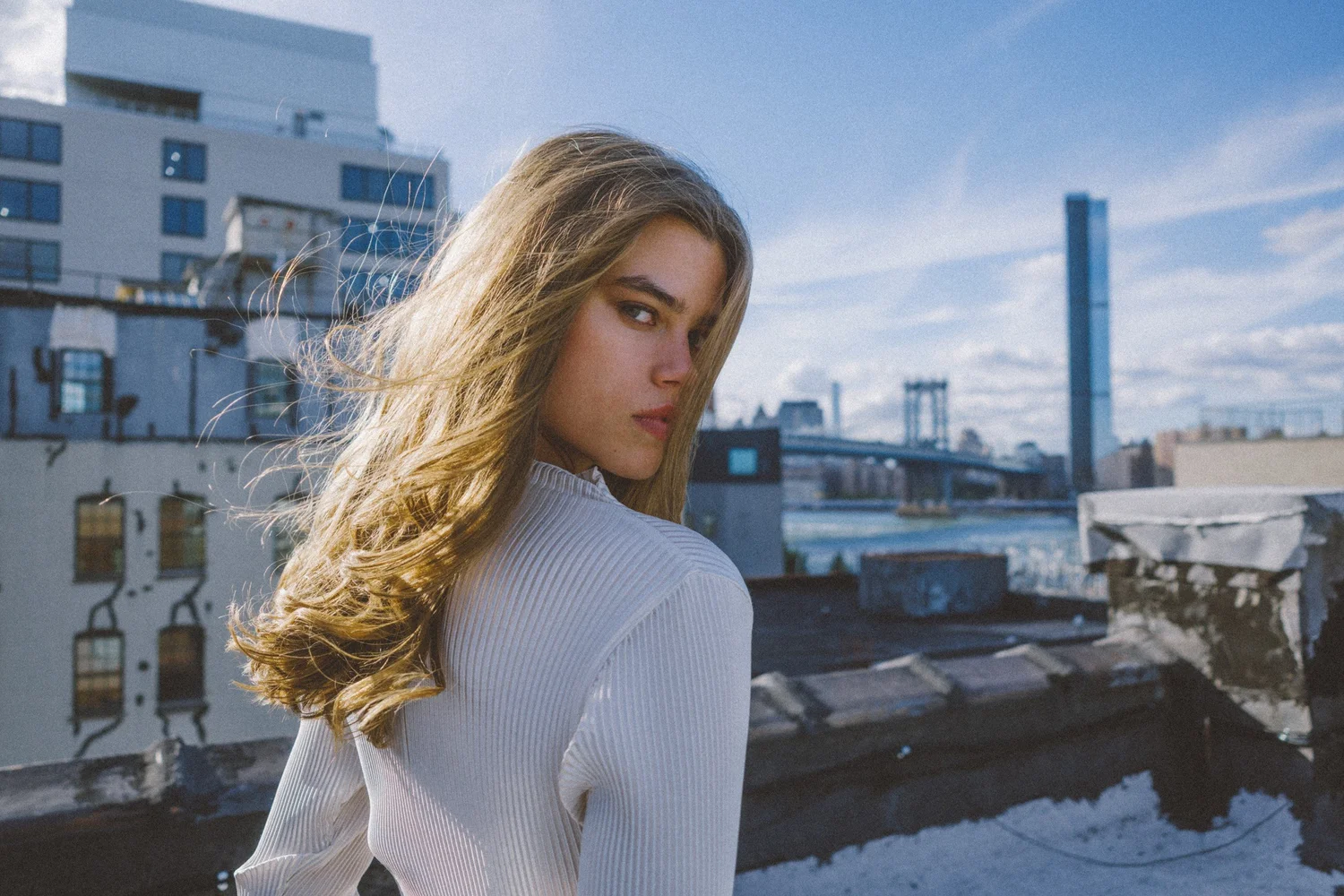
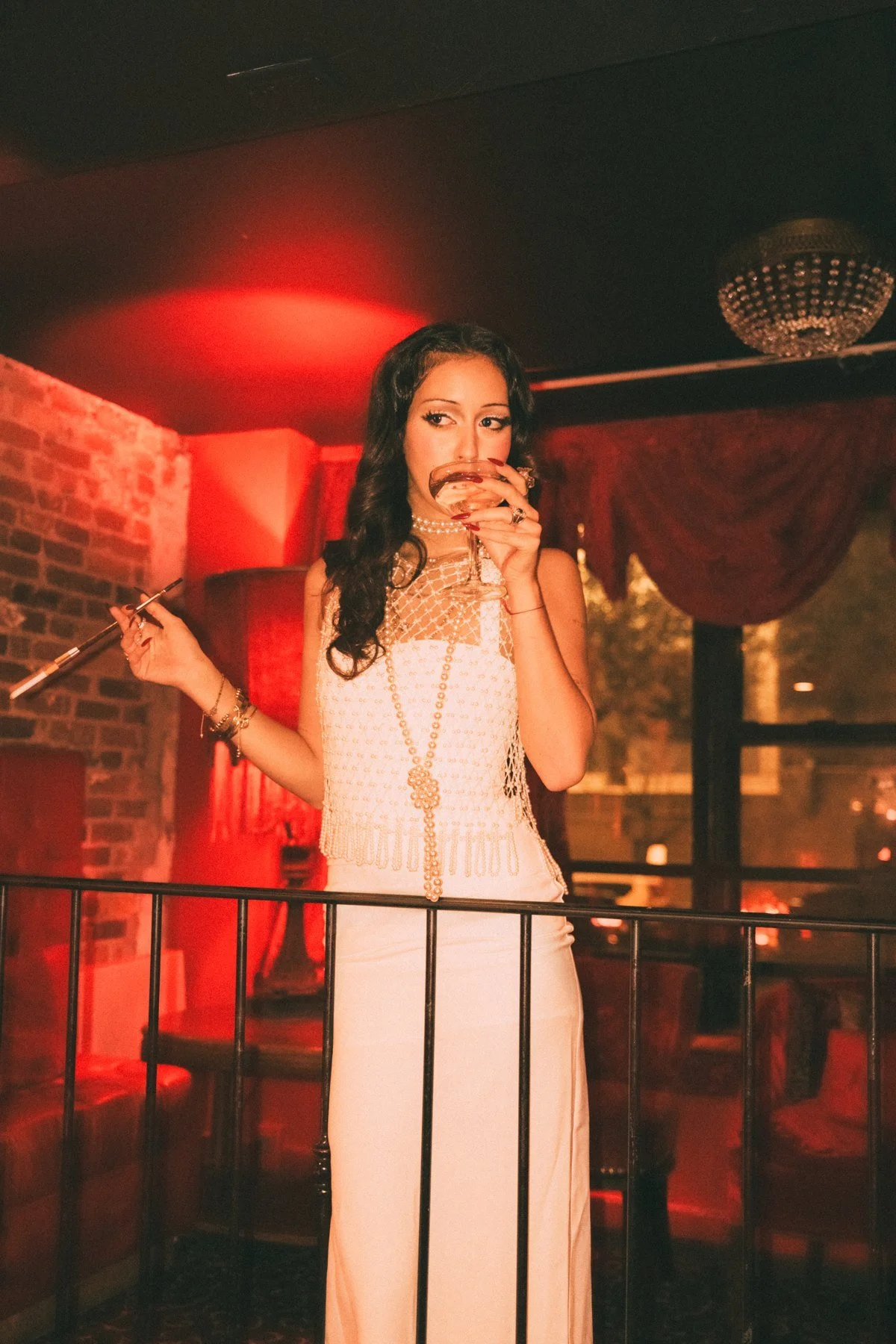
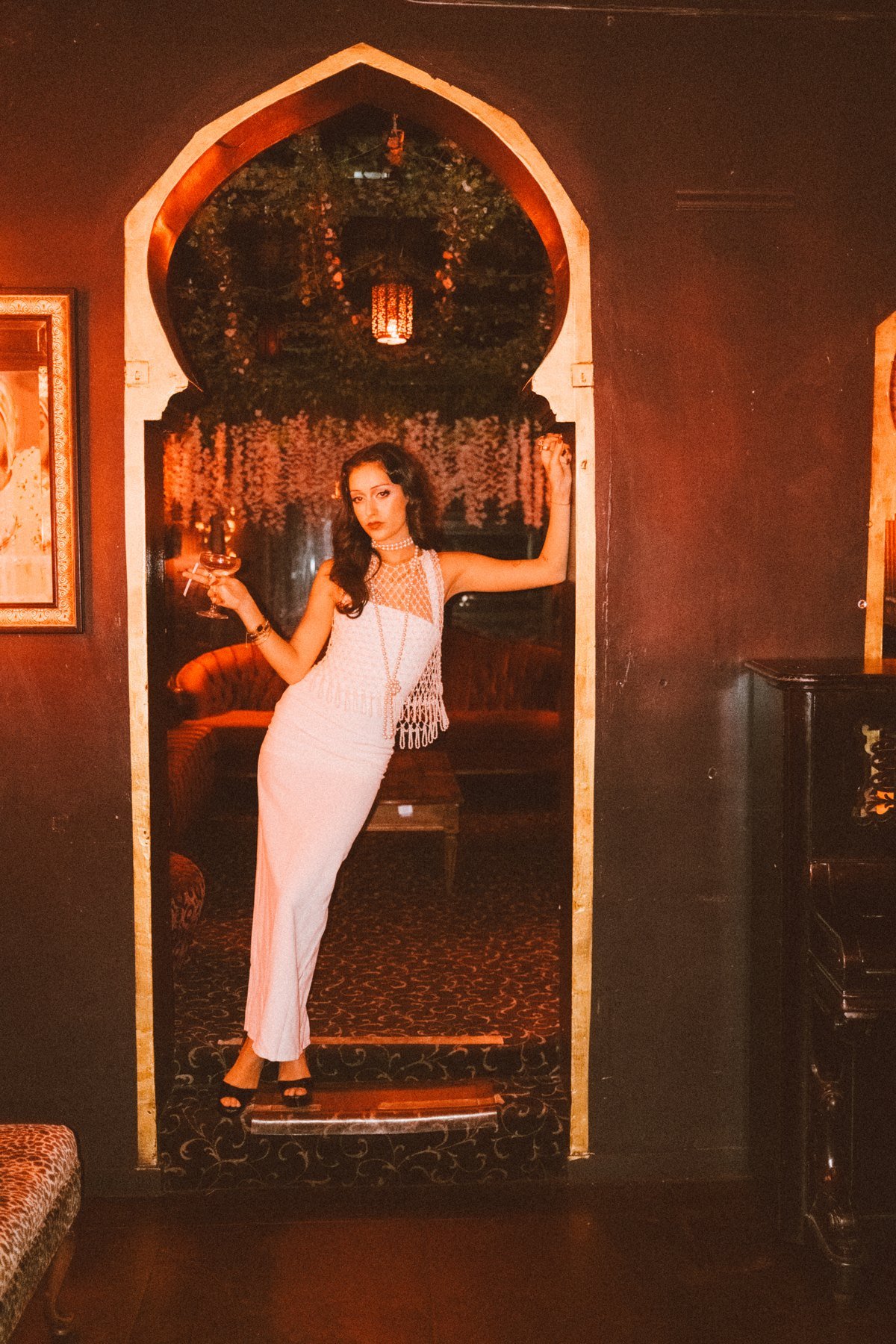
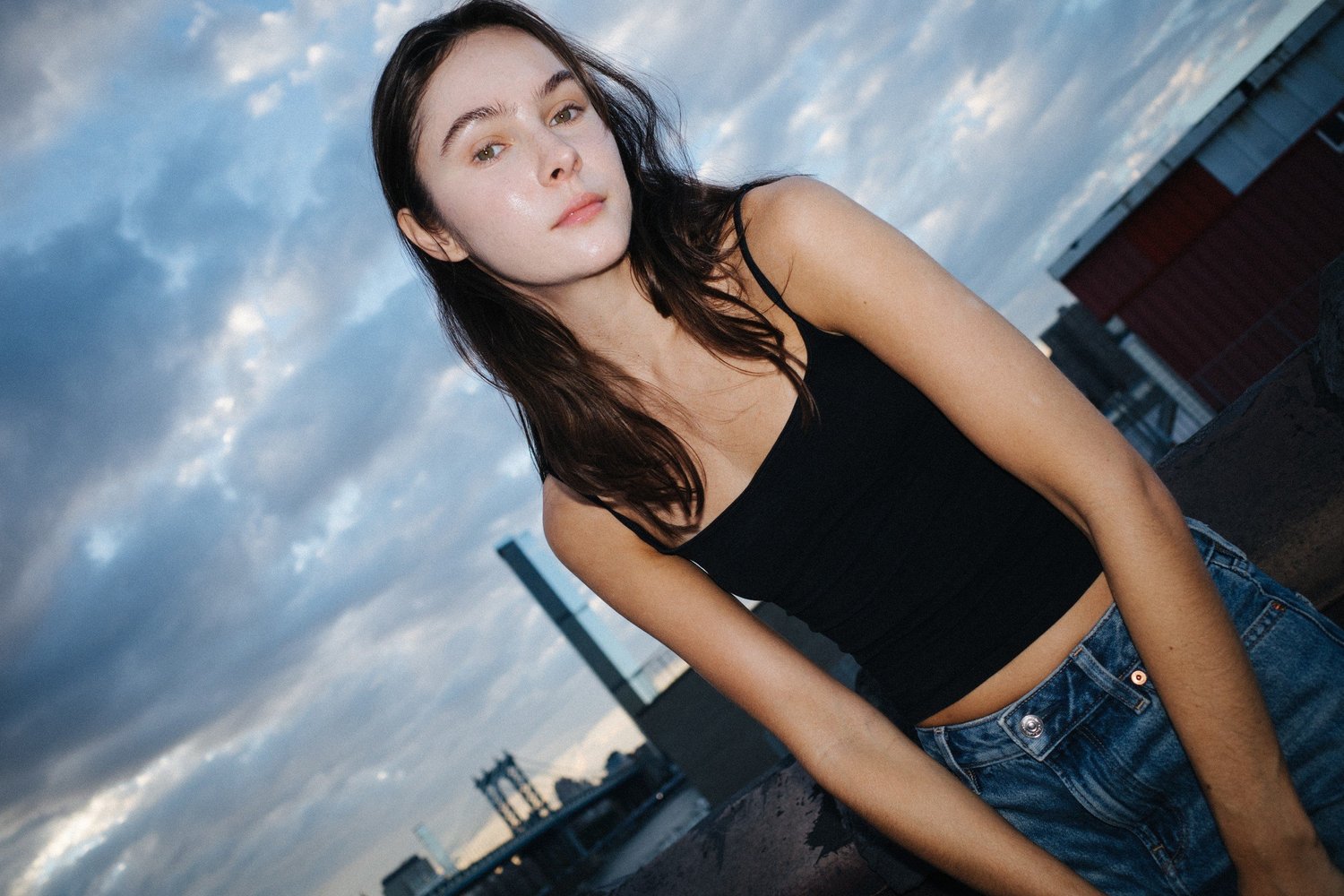
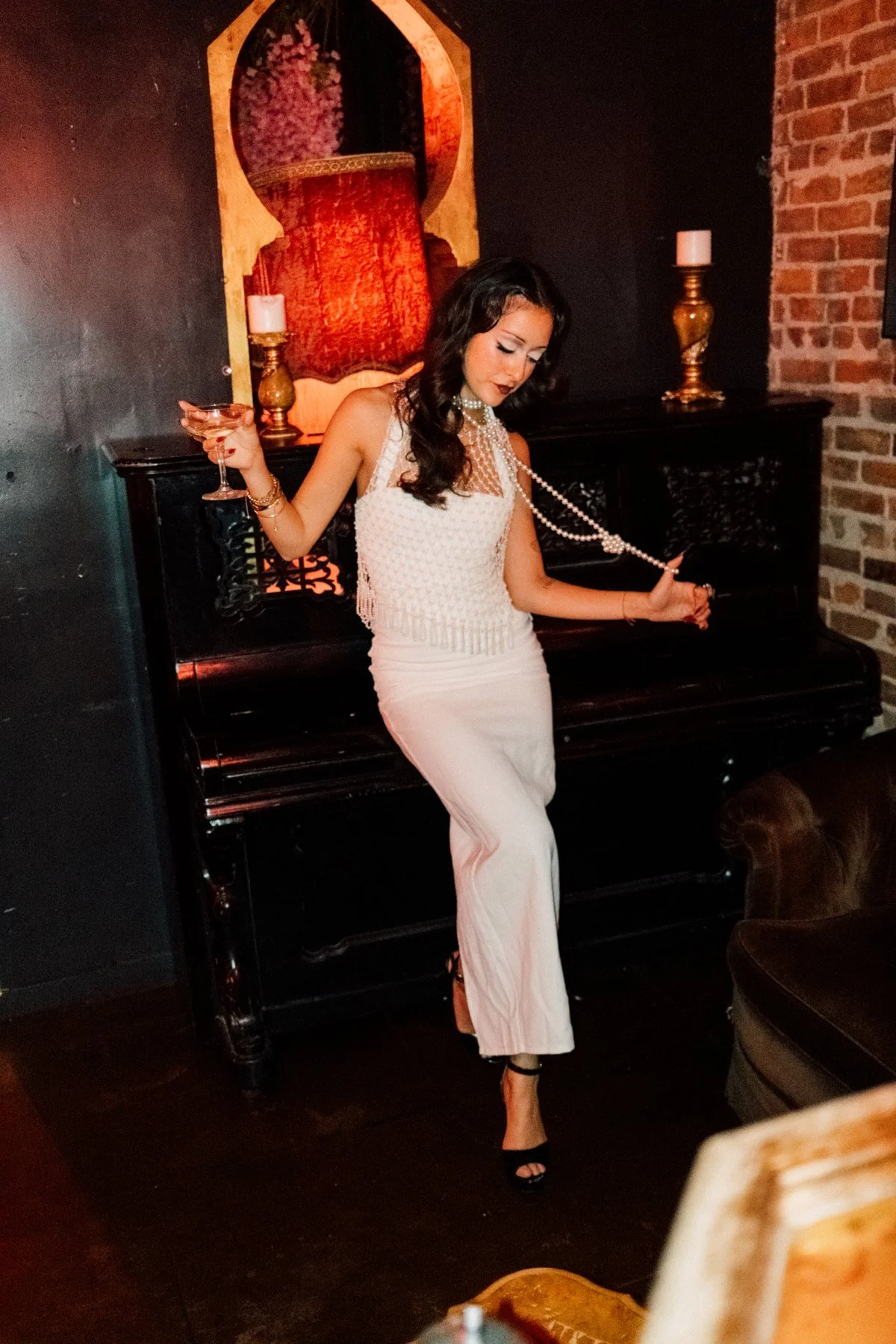
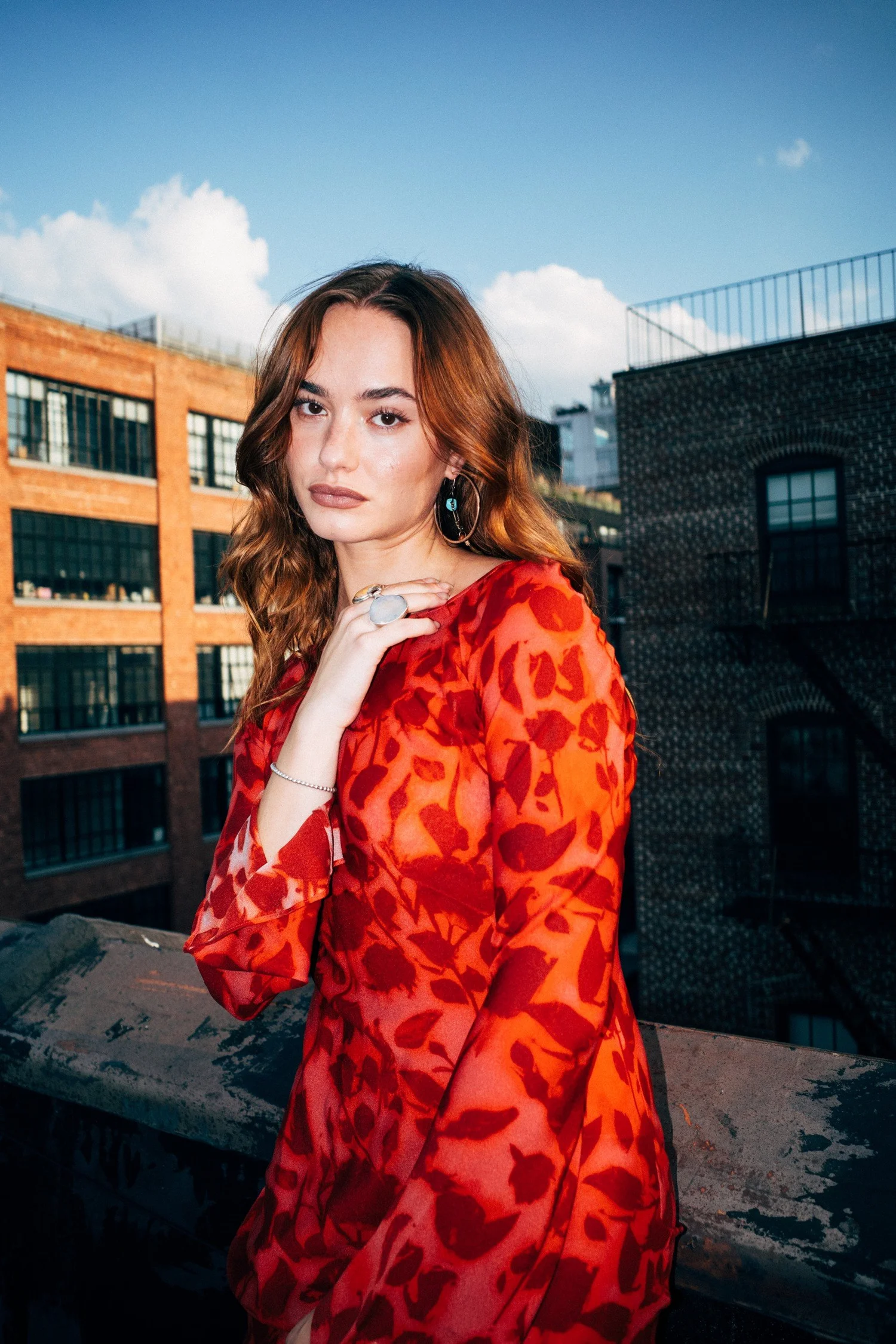
In Cydney's rooftop photograph, the skyline has a visible role. In Eden's framed portrait, the frame within the room shapes the composition. Each setting suggests different choices before any camera comparison begins.
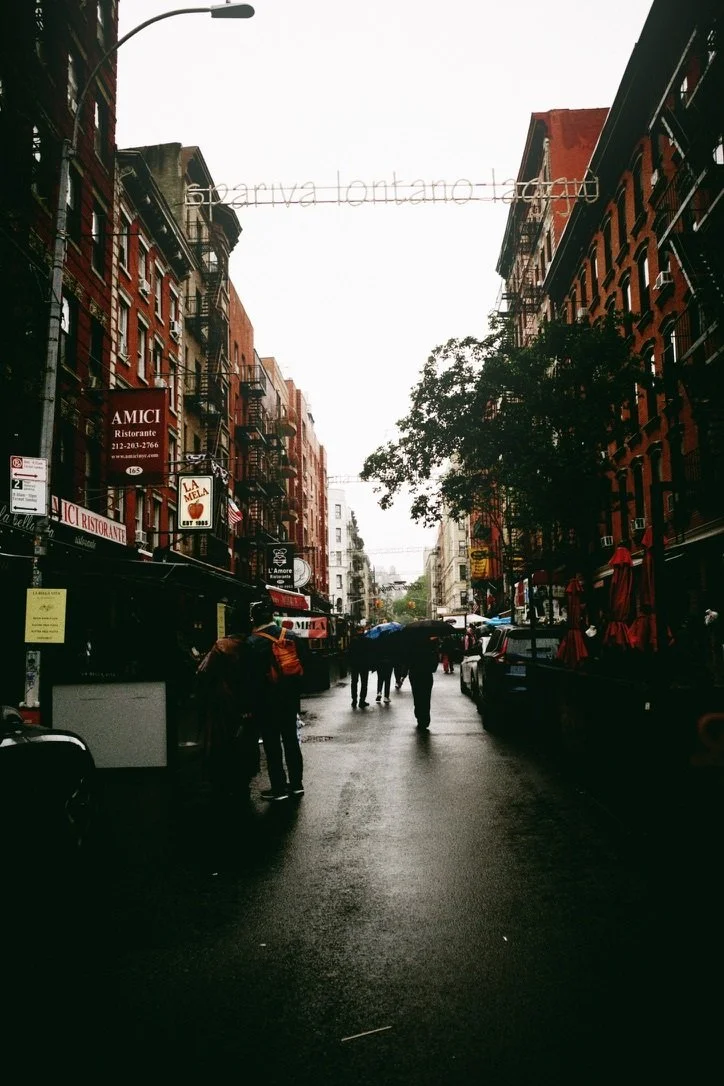
Four ways to include the surroundings
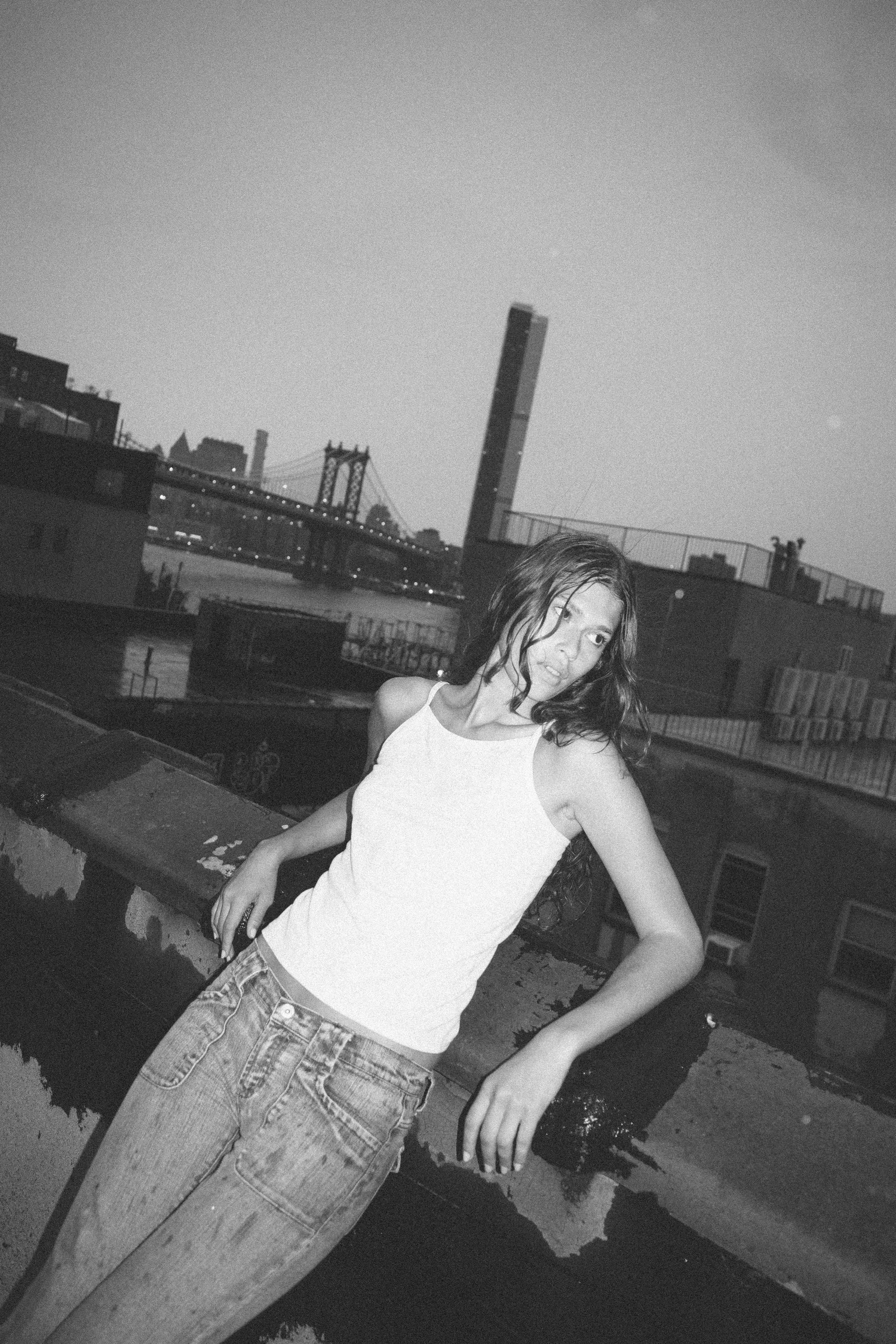
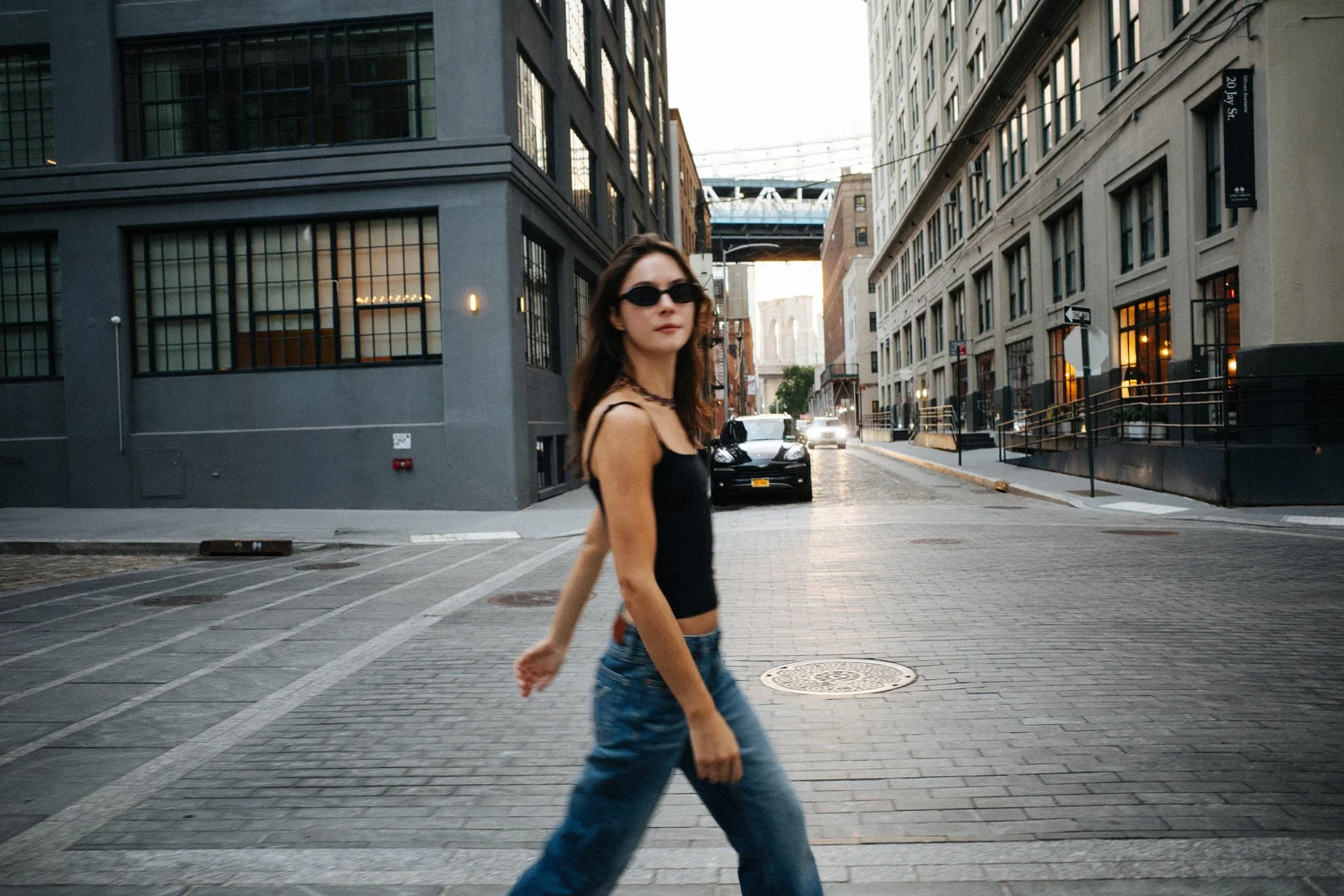
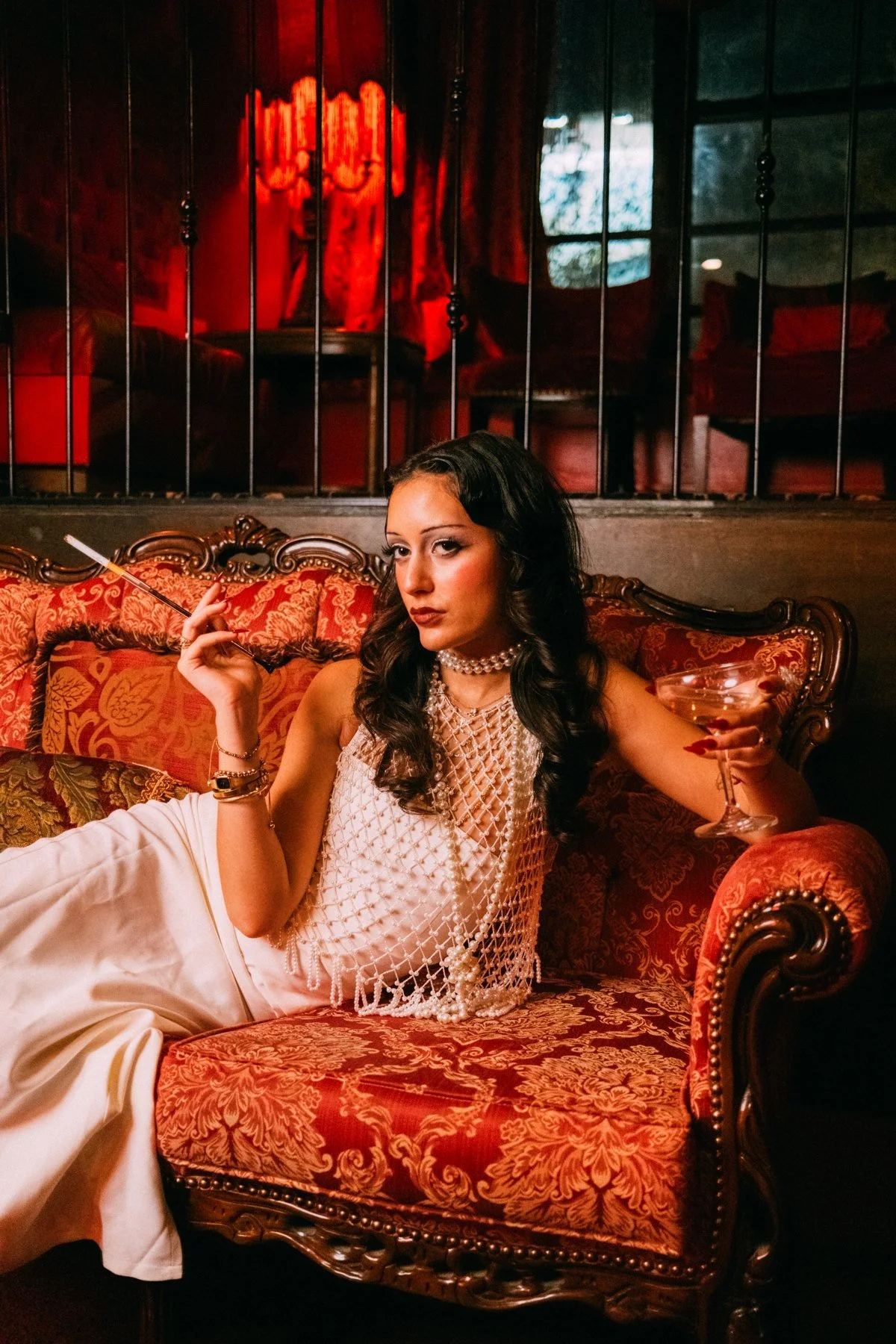
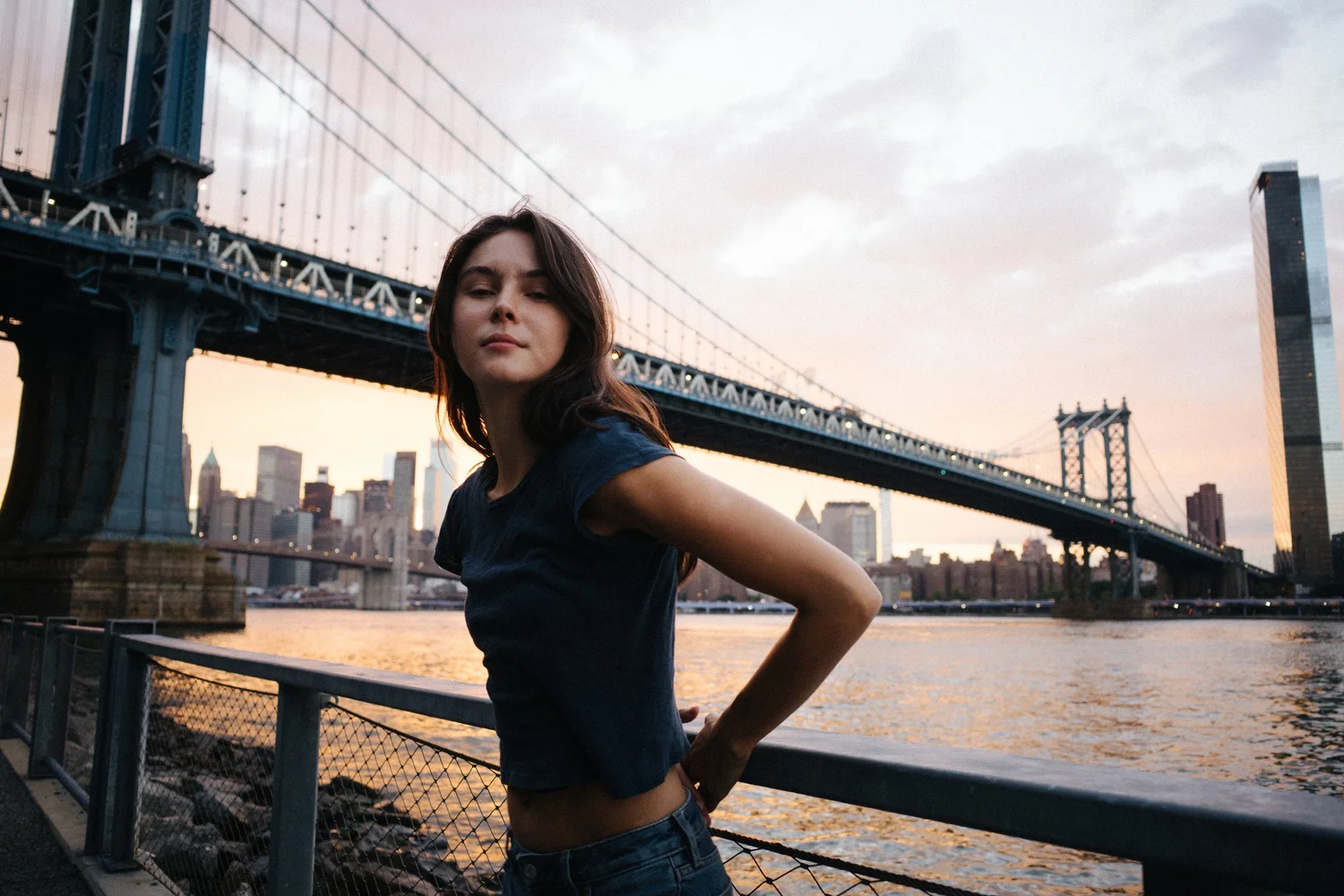
The X100VI couch frame gives the room a large share of the photograph, while the piano portrait uses a narrower arrangement within that interior. On the Ricoh, Amanda's walking frame follows the street into the background, and the rooftop portrait puts more emphasis on the sky. These are composition examples from different sessions, not matched images measuring lens performance.
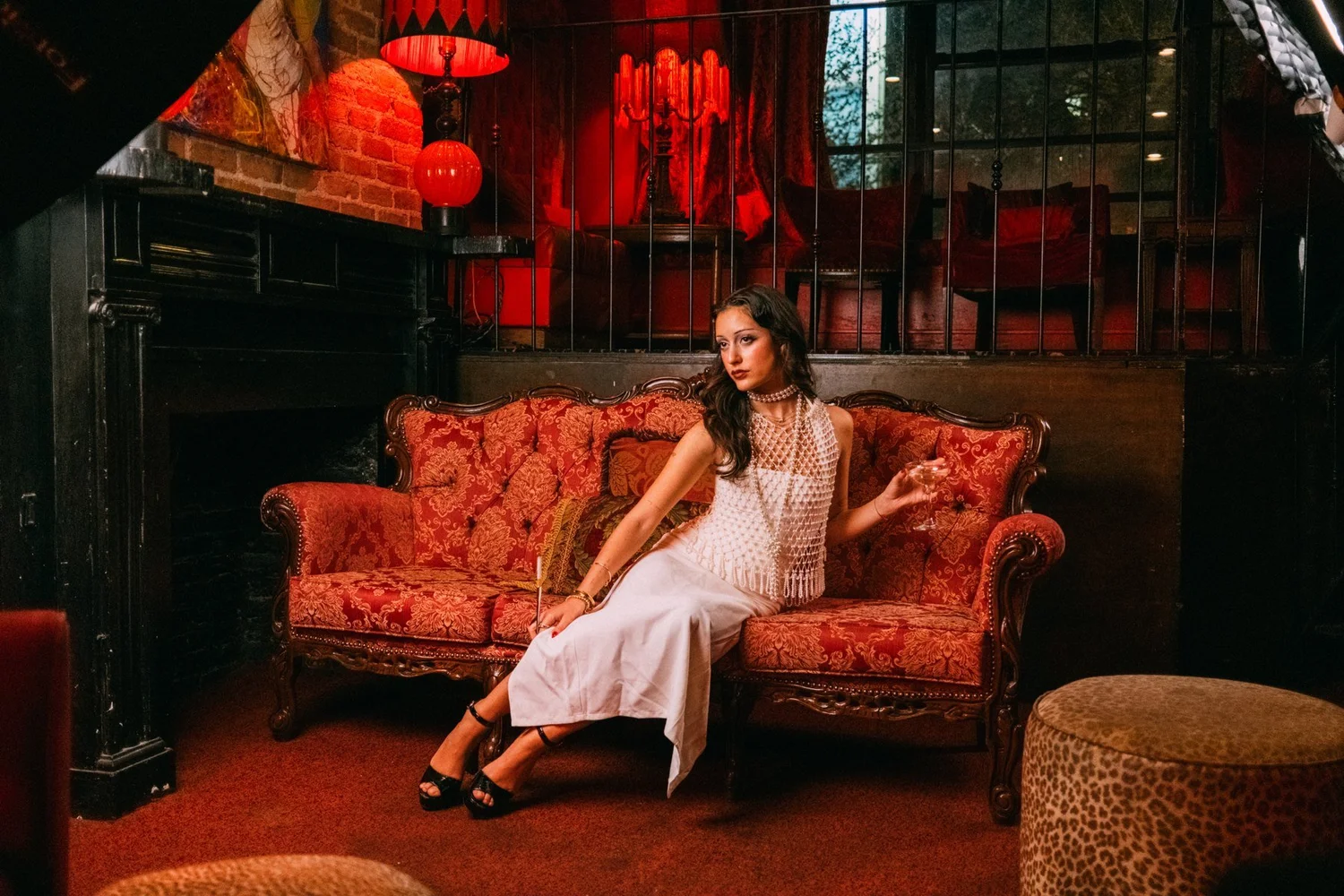
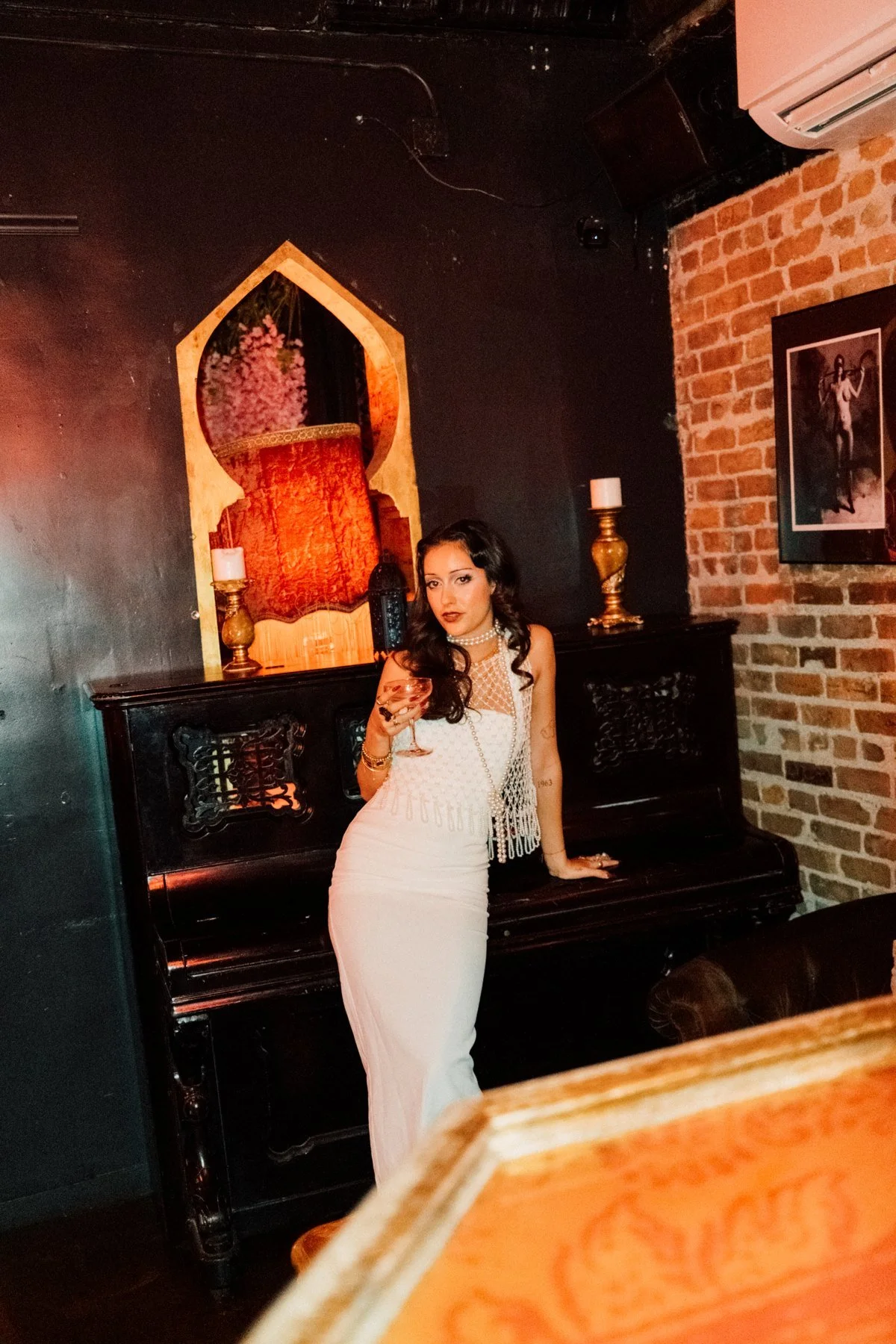
The Fuji still makes photographs I like
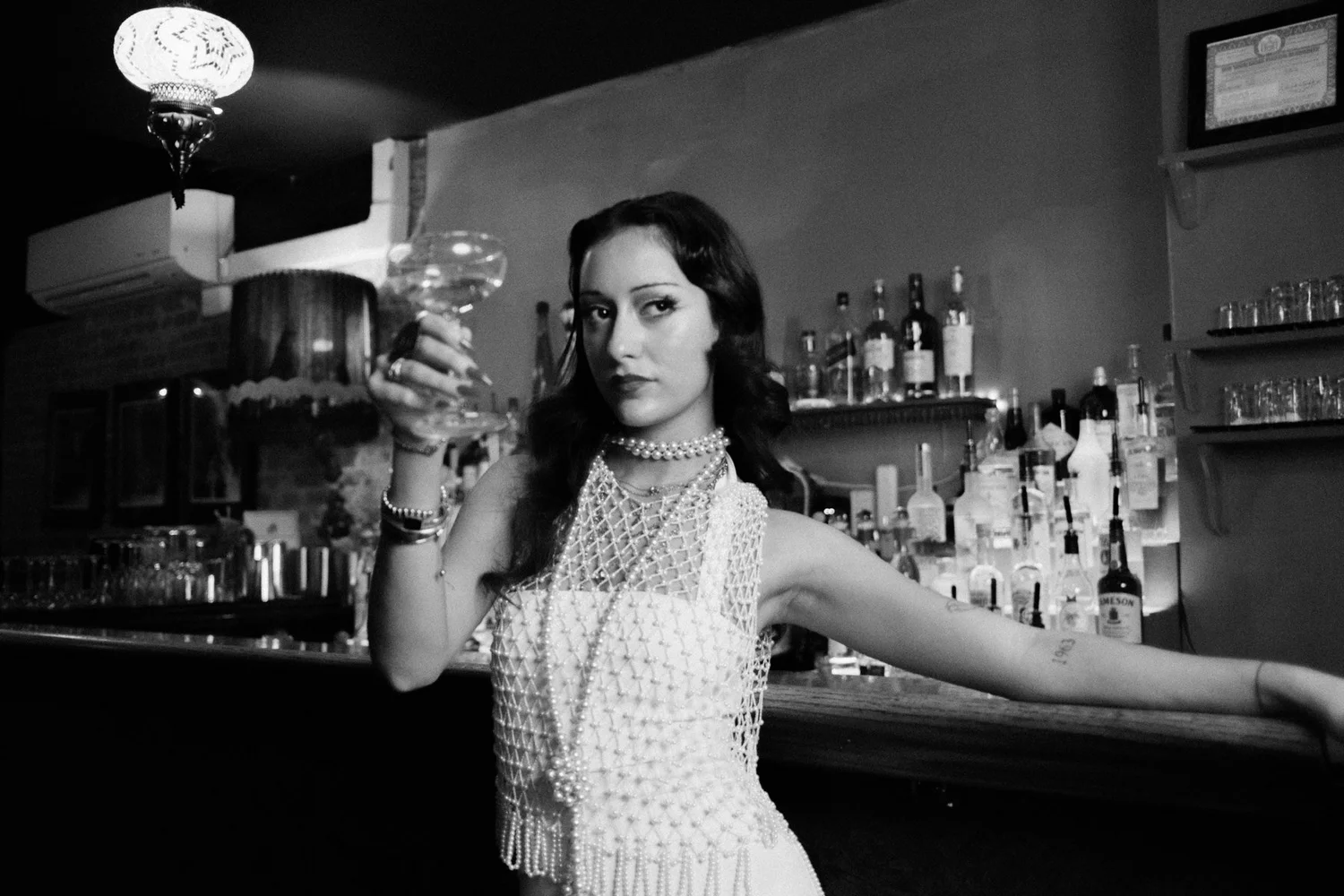
Eden's portraits give the X100VI a place in this discussion. The bar, mirror, colored light, and furniture are part of the photographs, not just incidental backgrounds.
The black-and-white bar portrait concentrates attention on her face, the glass, and her gesture. The chair photograph uses the room's warm light to create a different mood. Looking through these images, the useful questions are about expression, light, and how much of the space belongs in the picture.
That is why my preference for the Ricoh should not be read as a verdict against the X100VI's photographs. My hesitation is specifically about carrying it for the role I have in mind.
A place to sit changes the pose
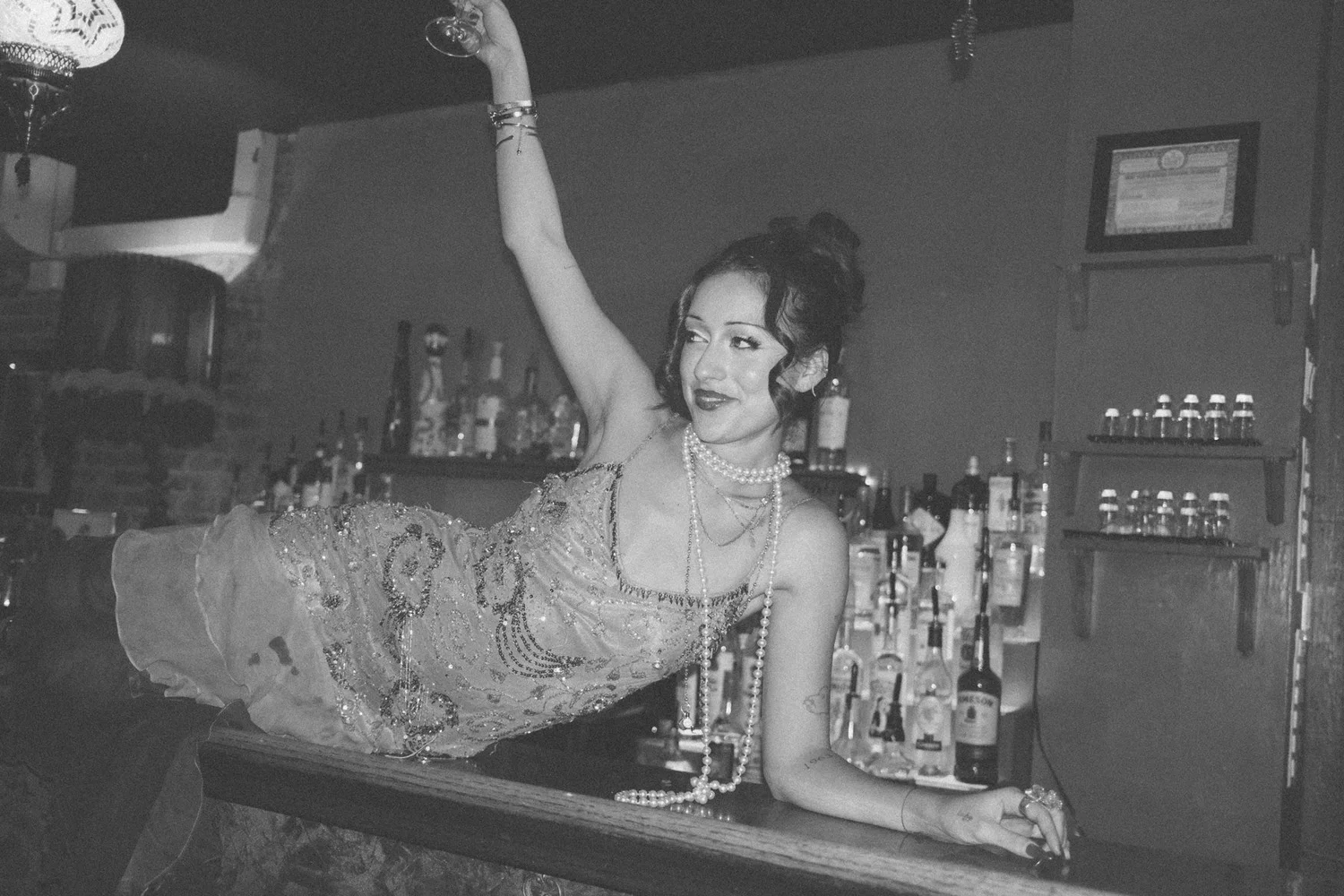
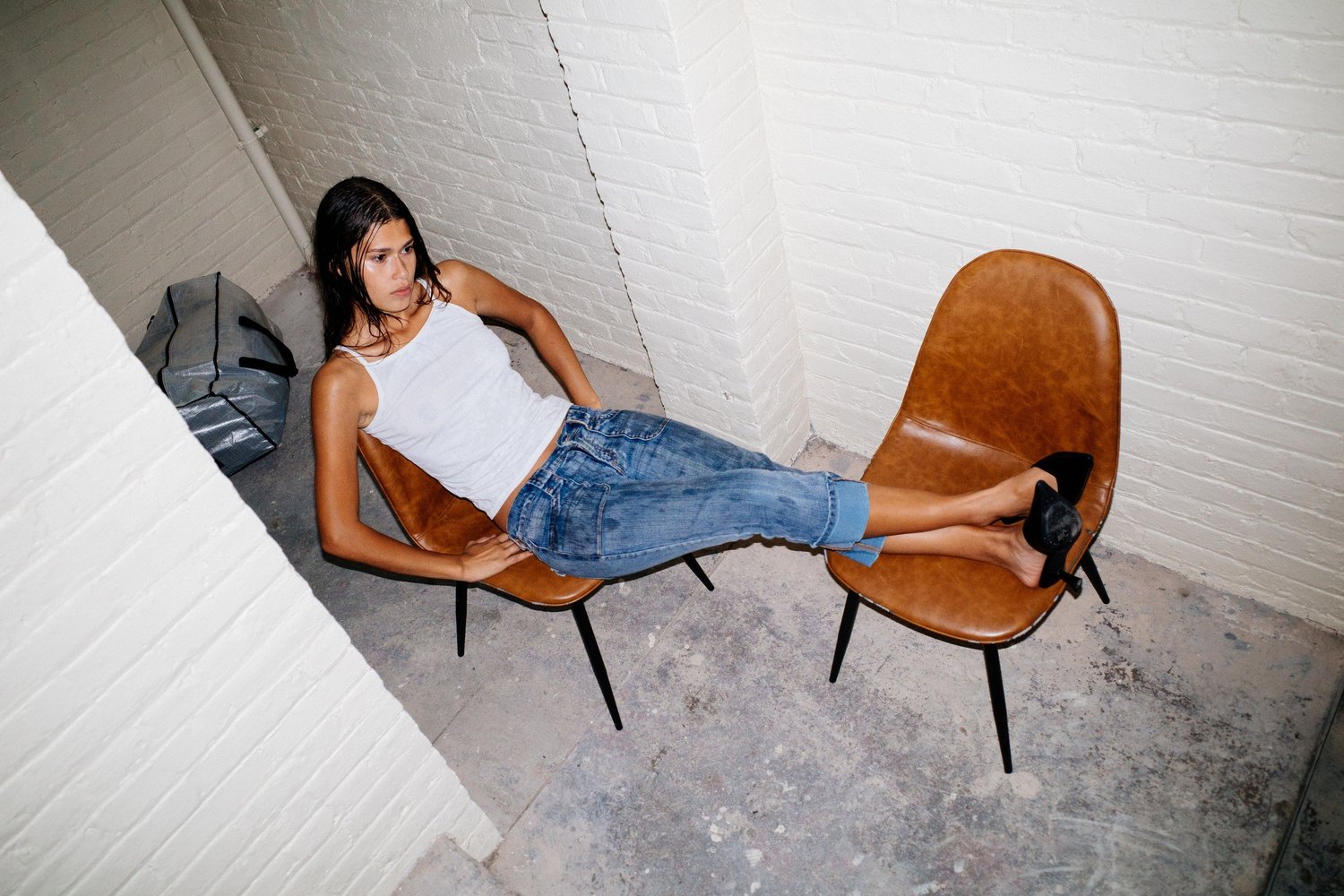
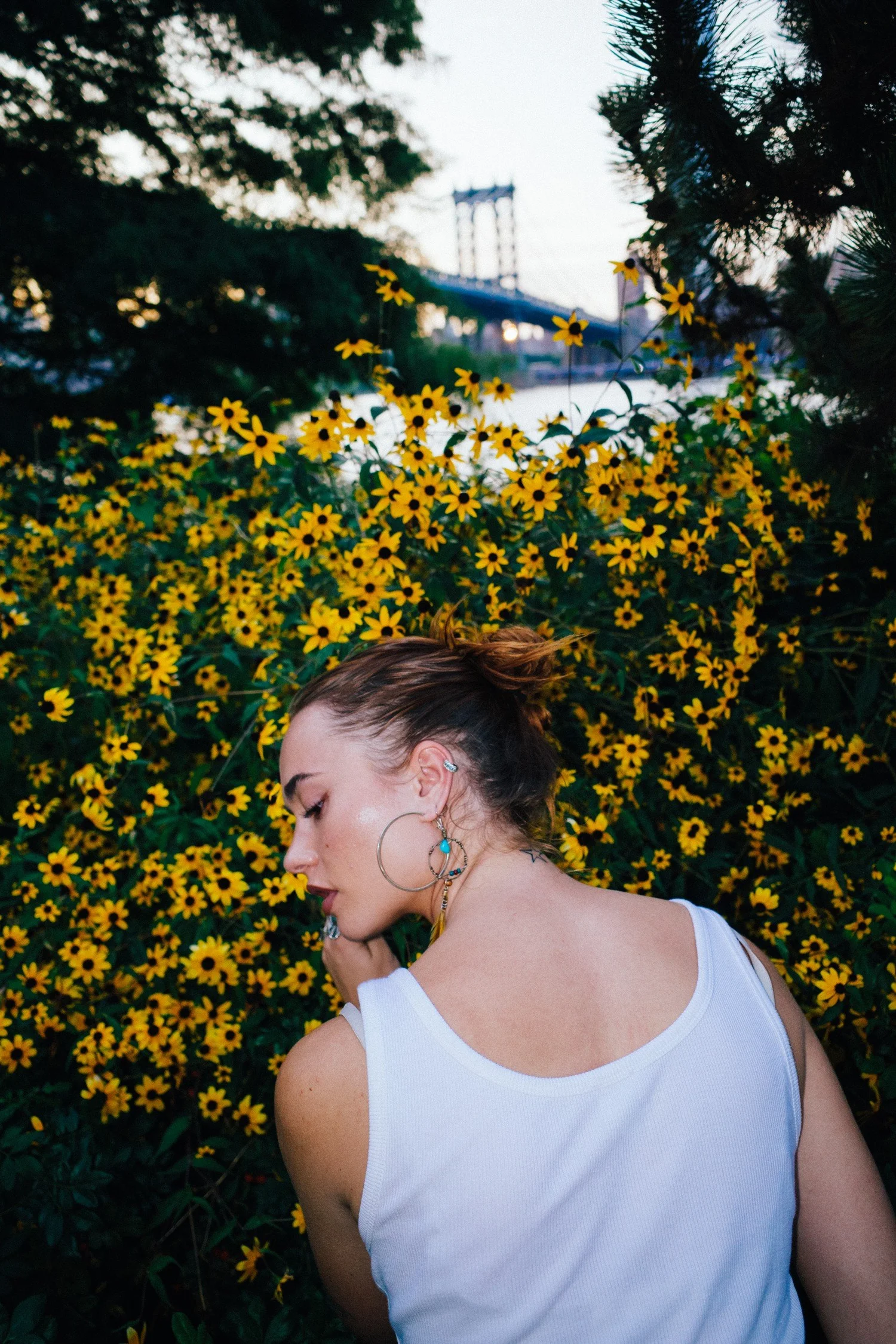
The closer couch portrait and the reclining bar photograph show two ways of using furniture with the Fuji. Tara's two-chair composition gives the Ricoh another kind of interior scene, while Amanda's waterfront frame keeps the setting open. Neither camera chooses the gesture or the amount of space around the person; those are decisions made within the session.
The everyday pictures matter too
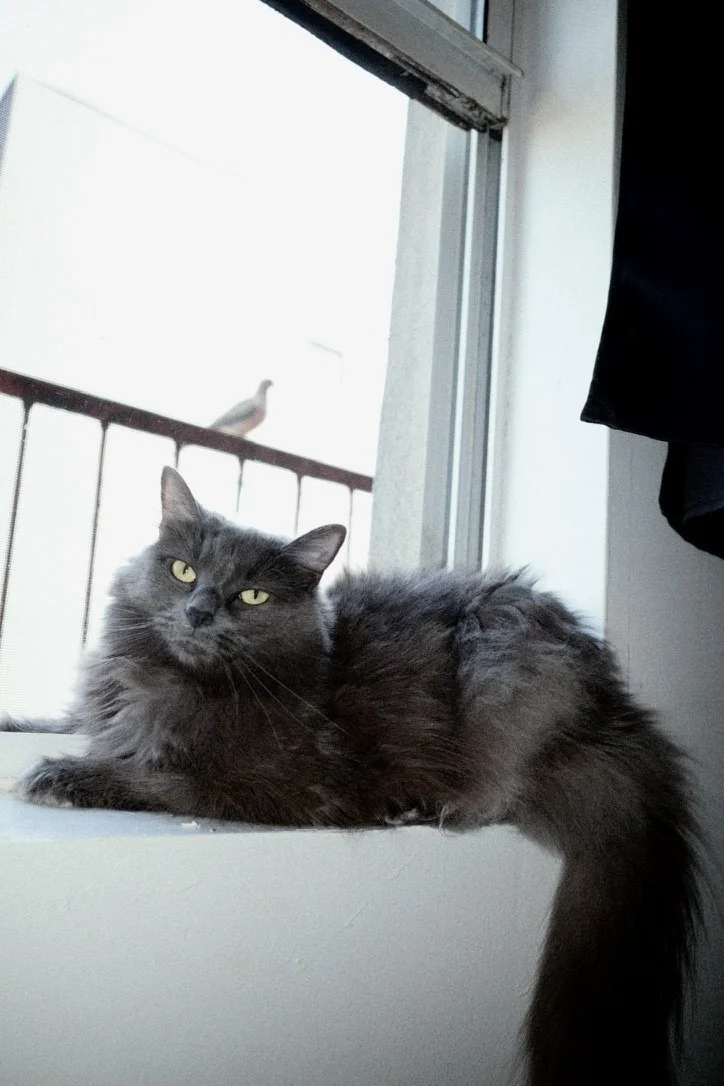
A camera decision can become very focused on planned portrait sessions. I also care about the photographs that do not require a session: wet streets, reflections, a cat by the window.
Those subjects help explain why portability matters to me. A camera that fits the way I want to move through a day has value beyond any single portrait. The GR III is the better match for that kind of carry in my life.
The rainy street and the cat photograph are everyday examples from the Ricoh. They are included for their subject and framing, not to claim a technical advantage over the Fuji.
Color and distance matter more than a winner
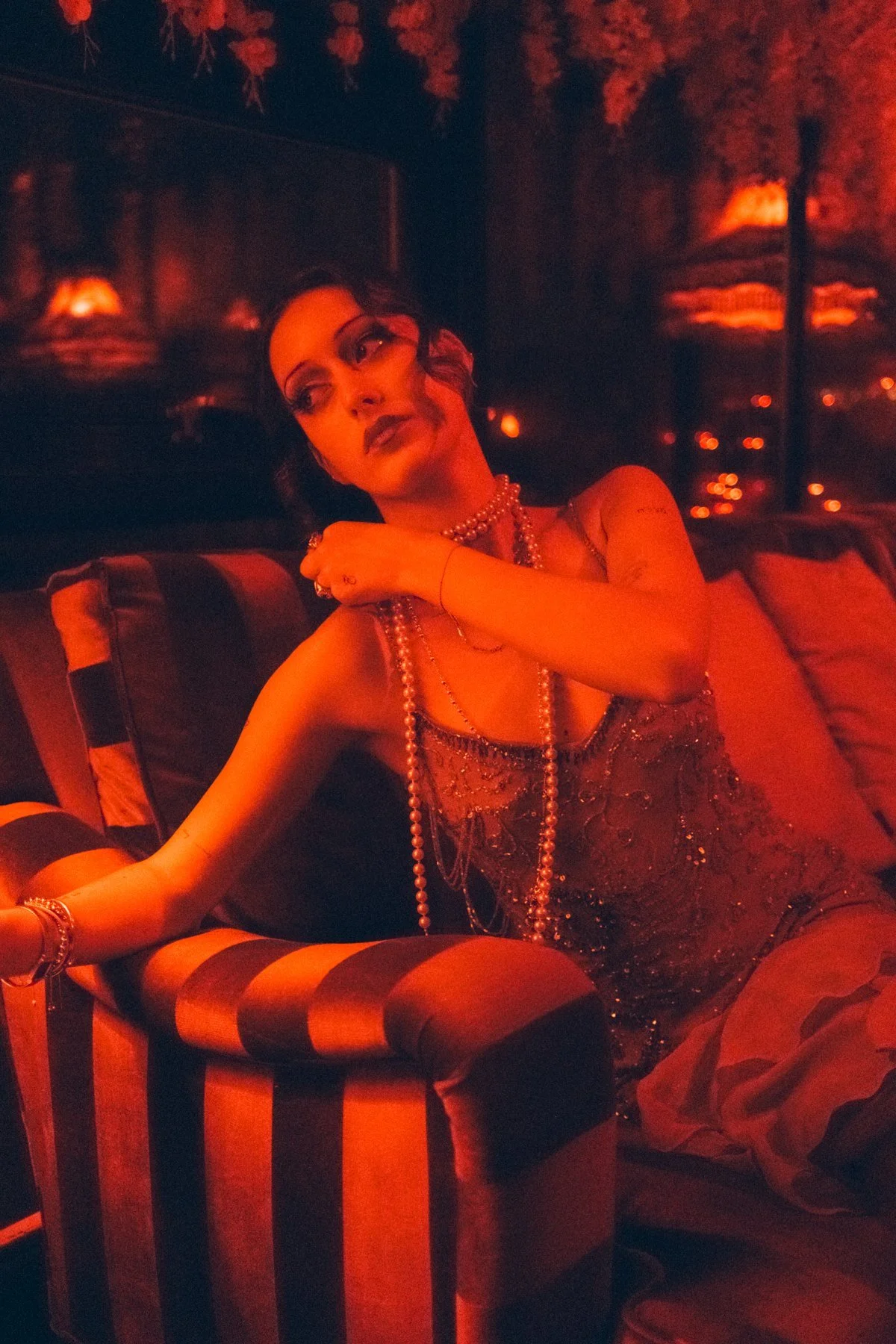
Eden's full-length piano portrait and closer reclining frame ask for different attention from the viewer. Johnny's dress and flower-framed portrait offer two strong color arrangements with the Ricoh. These photographs help explain what I enjoy making; they cannot isolate a camera's color rendering because the subjects, light, locations, and finished edits differ.
The exposure settings are included where the original files retain EXIF. The two supplied everyday images without that metadata are labeled accordingly, rather than being assigned settings by guesswork.

Which would I choose?
For the pocket-camera role, I choose the GR III. The X100VI is a great camera that does not quite fit that particular need for me.
If you are deciding between them, begin with how you will carry the camera and which field of view you prefer. Then consider the features and controls that matter to your own photography. A camera can be excellent and still be the wrong fit for a specific routine.
My year with the Ricoh GR III shows more of how I use the smaller camera day to day. For planning photographs of yourself, my NYC portrait photography page brings the focus back to the session: the person, the light, and what we want to make together.