
1 Year With My Ricoh GR III: A Review
A year of carrying the GR III: the photographs I like, the reasons it comes with me, and the autofocus and dust compromises I keep noticing.
After a year with my Ricoh GR III, I still love how much camera it puts in my pocket. The image quality is wonderful, the lens is excellent, and it starts up quickly enough that bringing it out feels effortless. Its autofocus and dust issues are the parts I have to work around.
I’ve owned a lot of other cameras, but the GR fits a very particular part of my life: I want something I can take anywhere without thinking too much about carrying it. This is my review of living with it, from portraits and ordinary days in New York to taking it to concerts sometimes.

The 2019 sensor still holds up
The GR III launched in 2019 with a 24.2-megapixel APS-C sensor. That is an older camera now, but I still think the sensor is really good for what this little camera can do. When I look at the photographs, the age of the sensor is not what I notice.
What impresses me is getting this quality from something so small. The GR gives me photographs I am happy to keep alongside work from my other cameras. I do not think of it as a camera I carry only when the final picture does not matter. I use it for portraits as well as the things I notice between shoots.
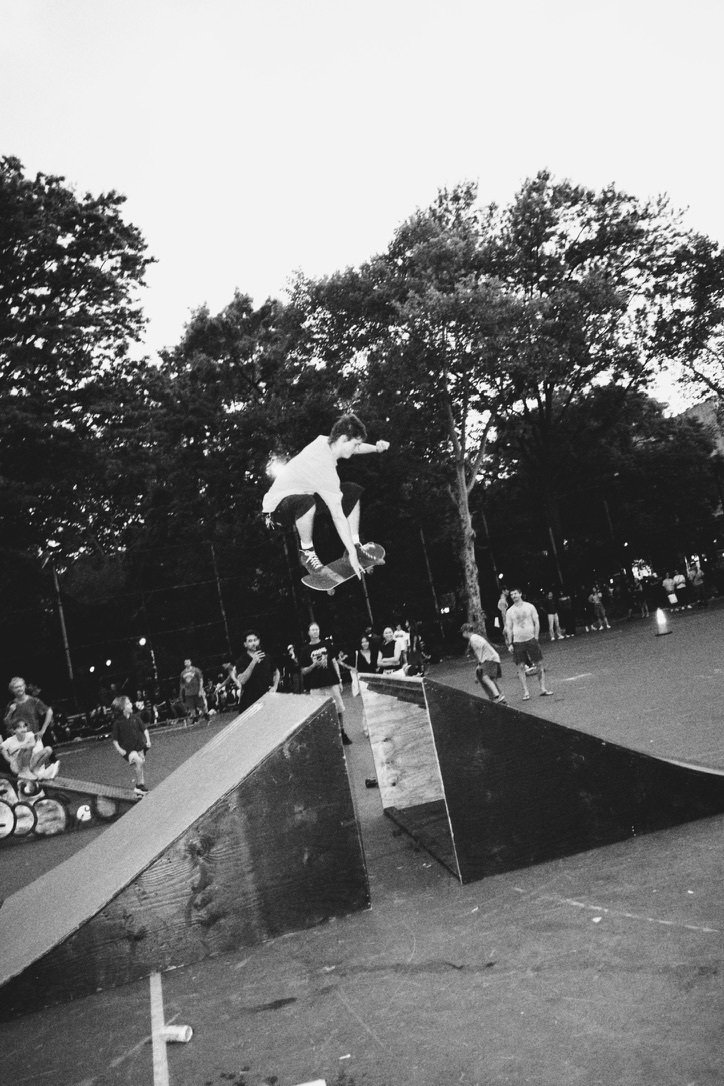
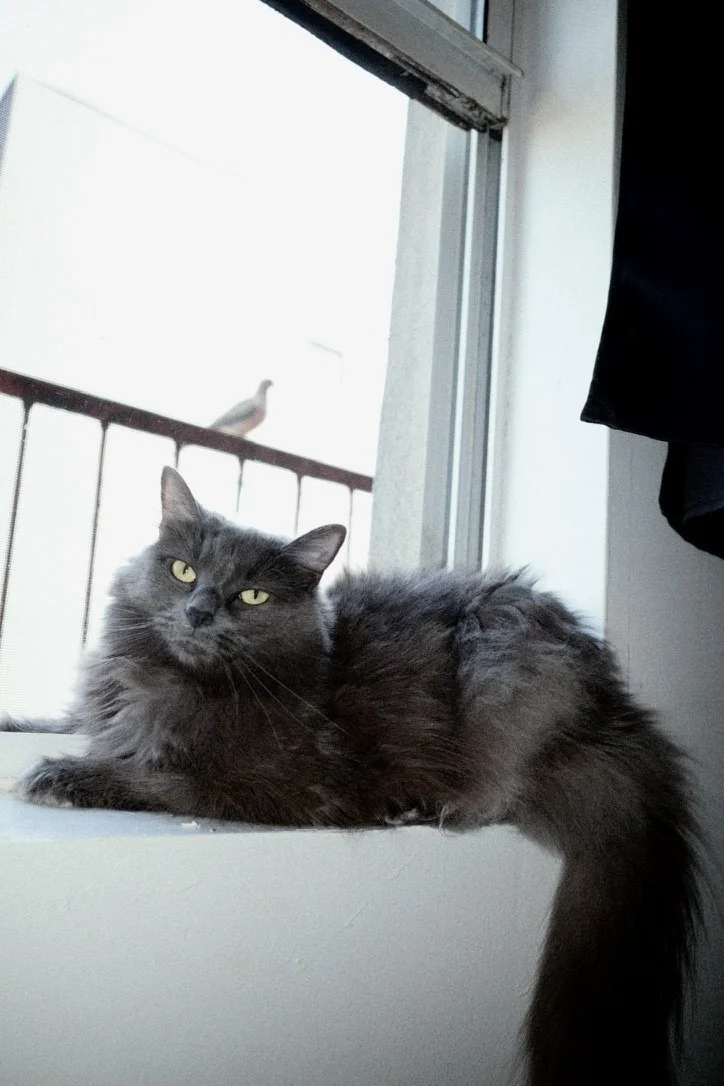
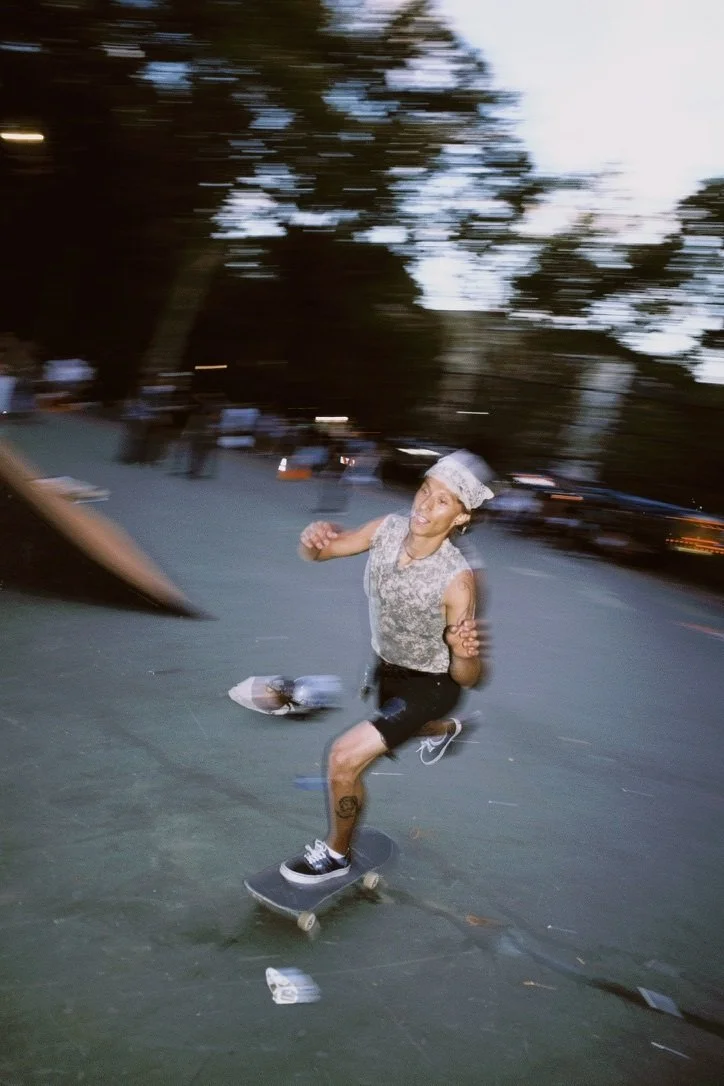
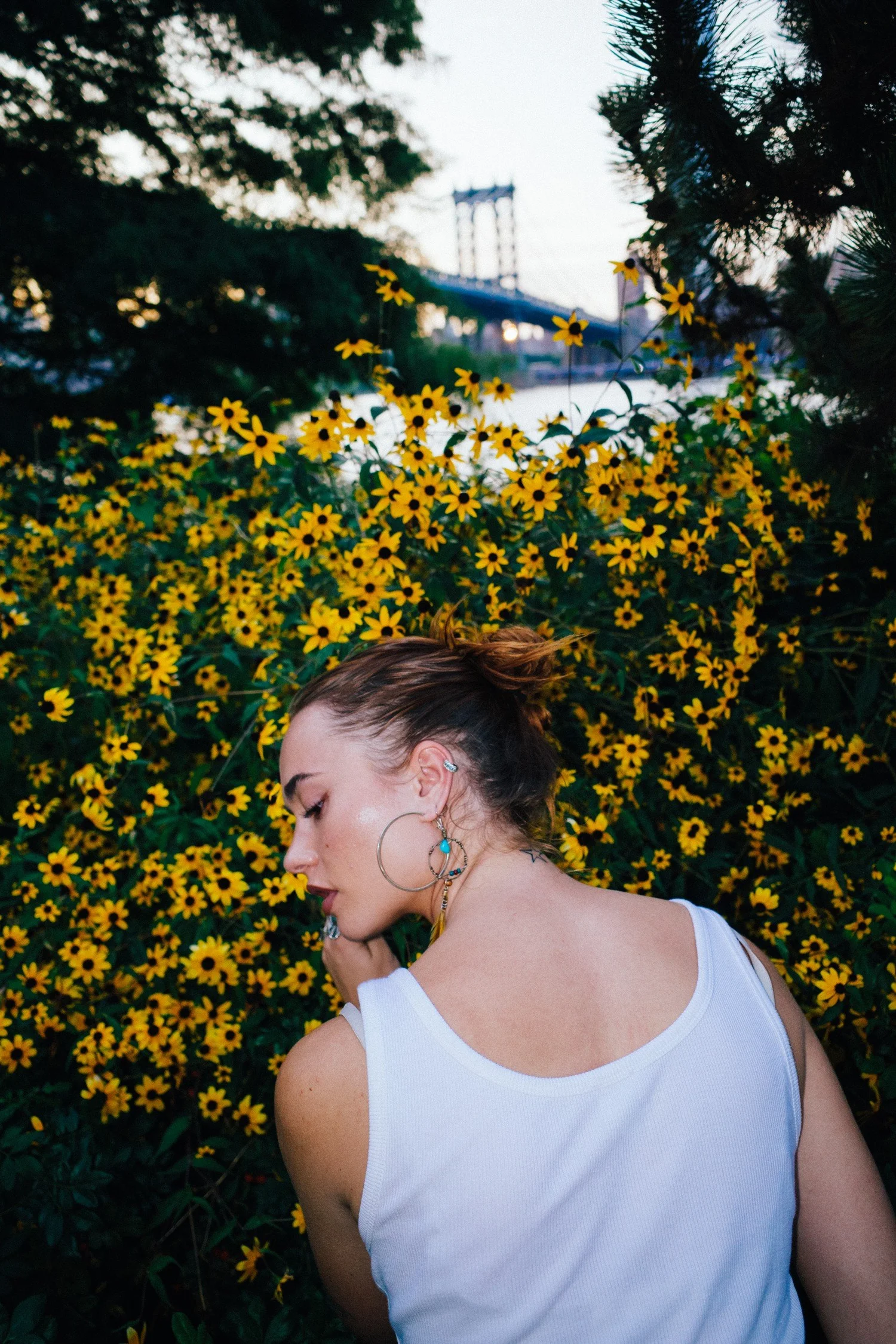
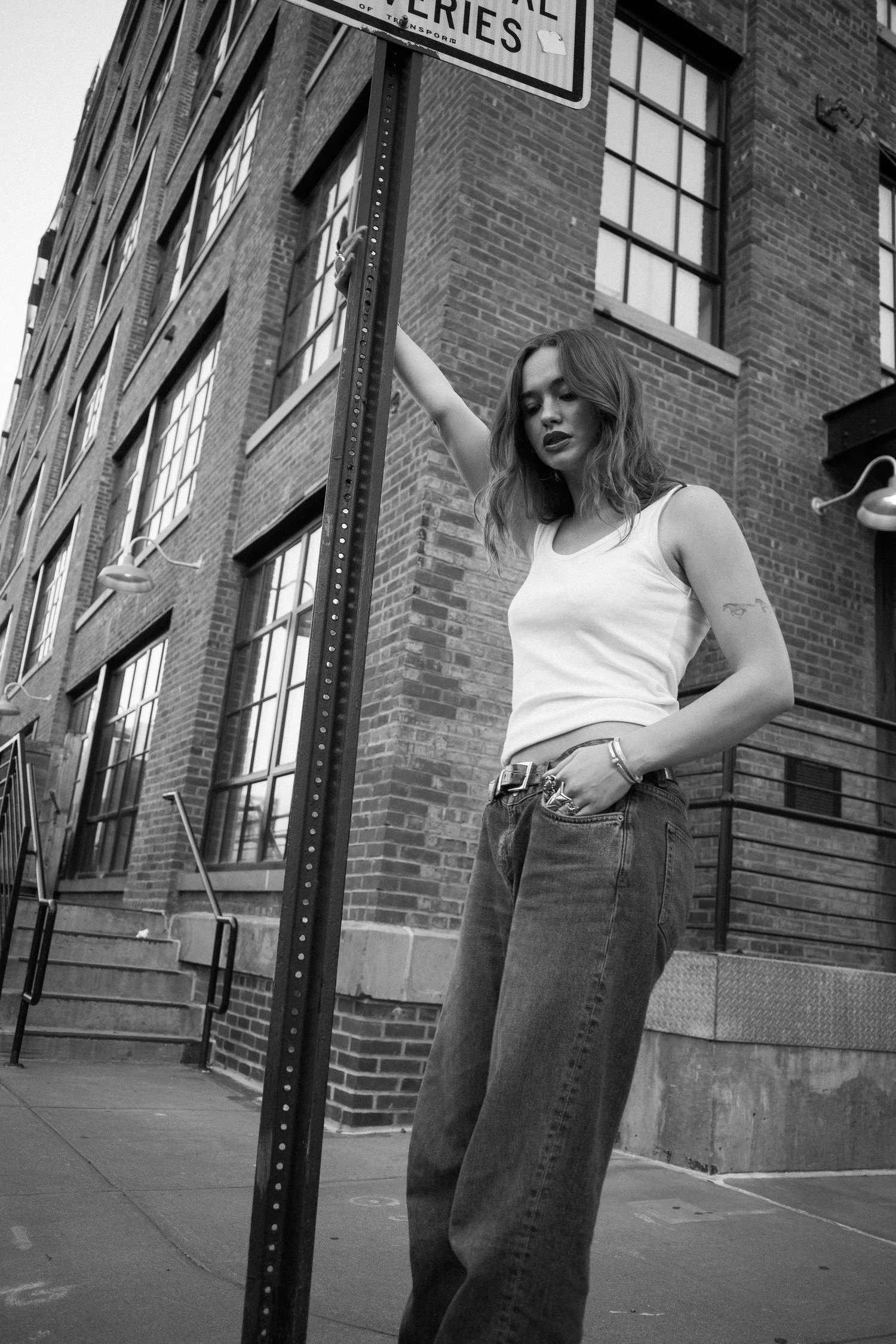
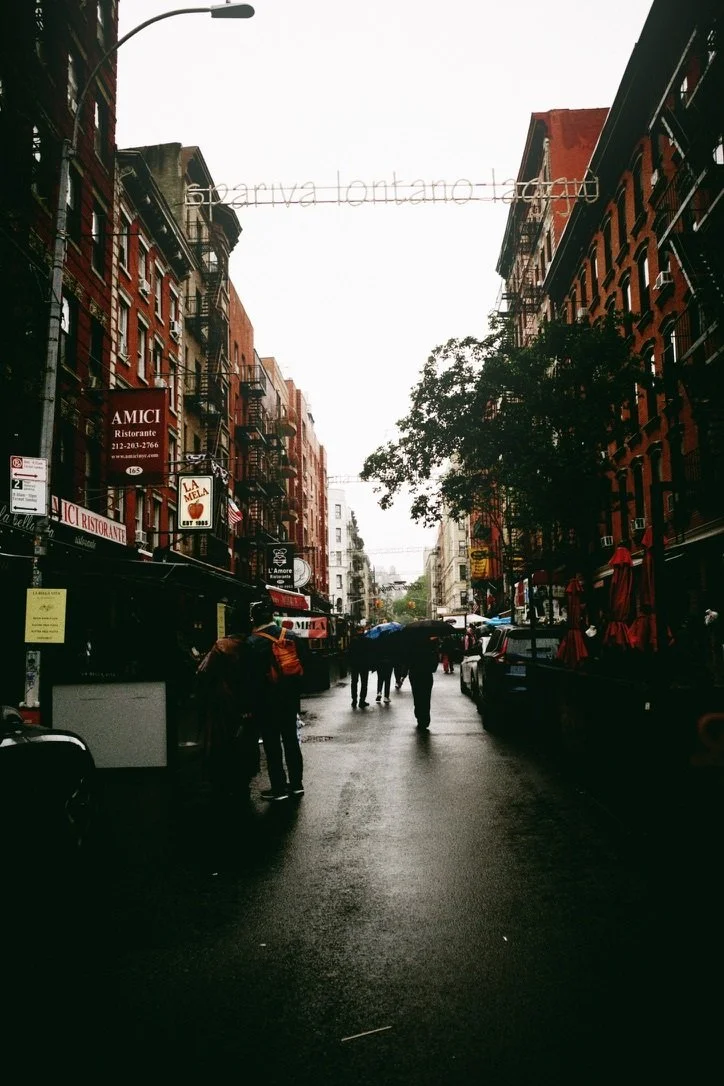
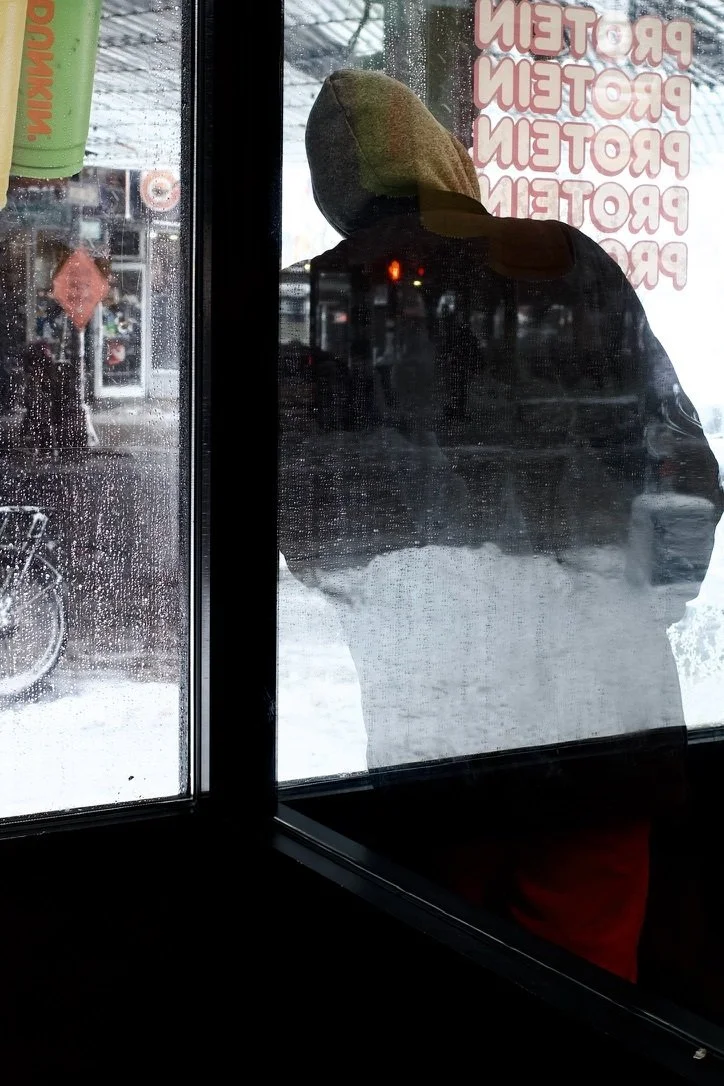
The photographs here include color, black and white, daylight, and dimmer interiors. They are finished photographs from my own use, rather than controlled sensor tests. To me, that is the useful question after a year: am I still happy with the pictures this camera gives me? Absolutely.
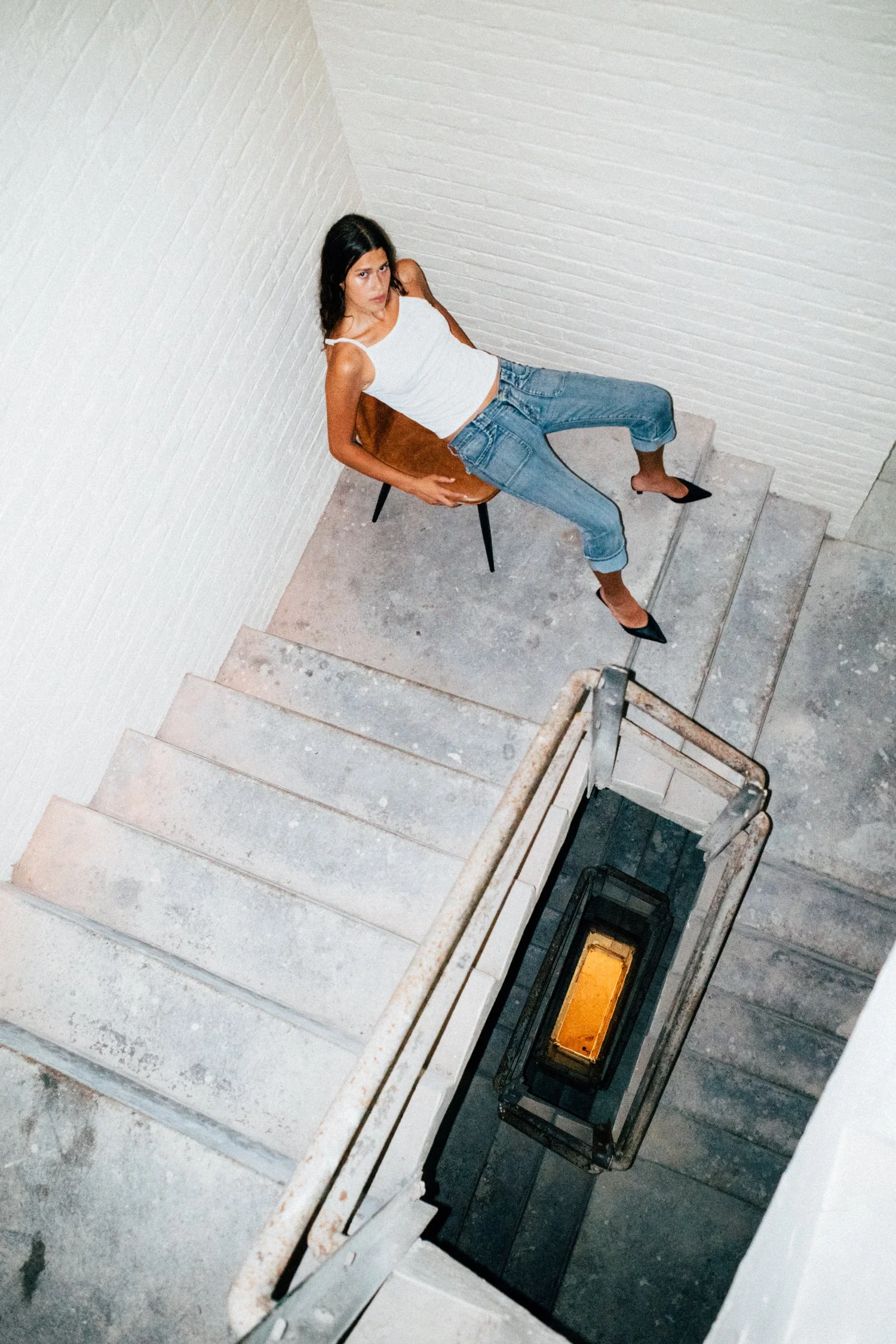

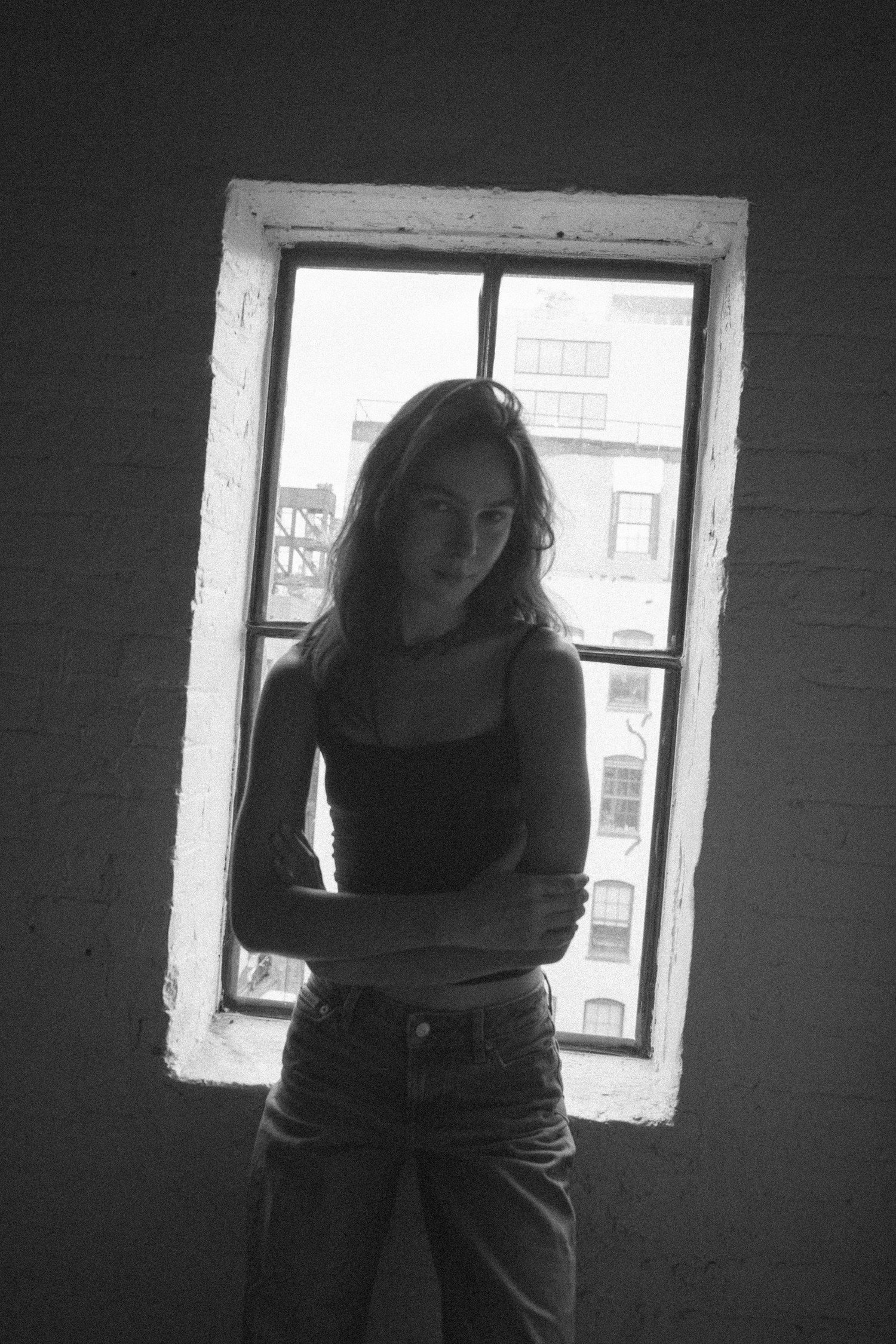
The lens is a big part of why I love it
The GR III’s fixed lens is an 18.3mm f/2.8, with a view equivalent to 28mm on a full-frame camera. I love the lens quality. It is one of the strongest parts of the whole package, and I do not feel that choosing a pocketable camera means settling for a lens I am less excited to use.
The 28mm view is wide enough to capture the scene around someone. I can include a face, the street, and a sense of where we are without needing to step a long way back. For the kind of photographs I enjoy, that makes the fixed lens feel useful rather than restrictive.
It does ask you to enjoy that wider view. There is no optical zoom to change the framing for you, so distance becomes part of using the camera. I like that relationship with it. The surroundings are often something I want in the photograph in the first place.



Autofocus: fine with light, less convincing without it
The autofocus is not my favorite thing about the GR III. In my experience, it is fine as long as there is enough light. In good light, I can get on with taking photographs without feeling that focus is the main thing I am dealing with.
When the light drops, I have less confidence in it. That is where the camera feels more limited to me. Loving the sensor and lens does not mean I think every part of the shooting experience is equally strong.
I do sometimes take the GR to concerts because its size works so well for me. That does not turn it into an ideal low-light autofocus camera. Its portability gets it through the door with me; the available light still affects how easy it is to make the photograph.
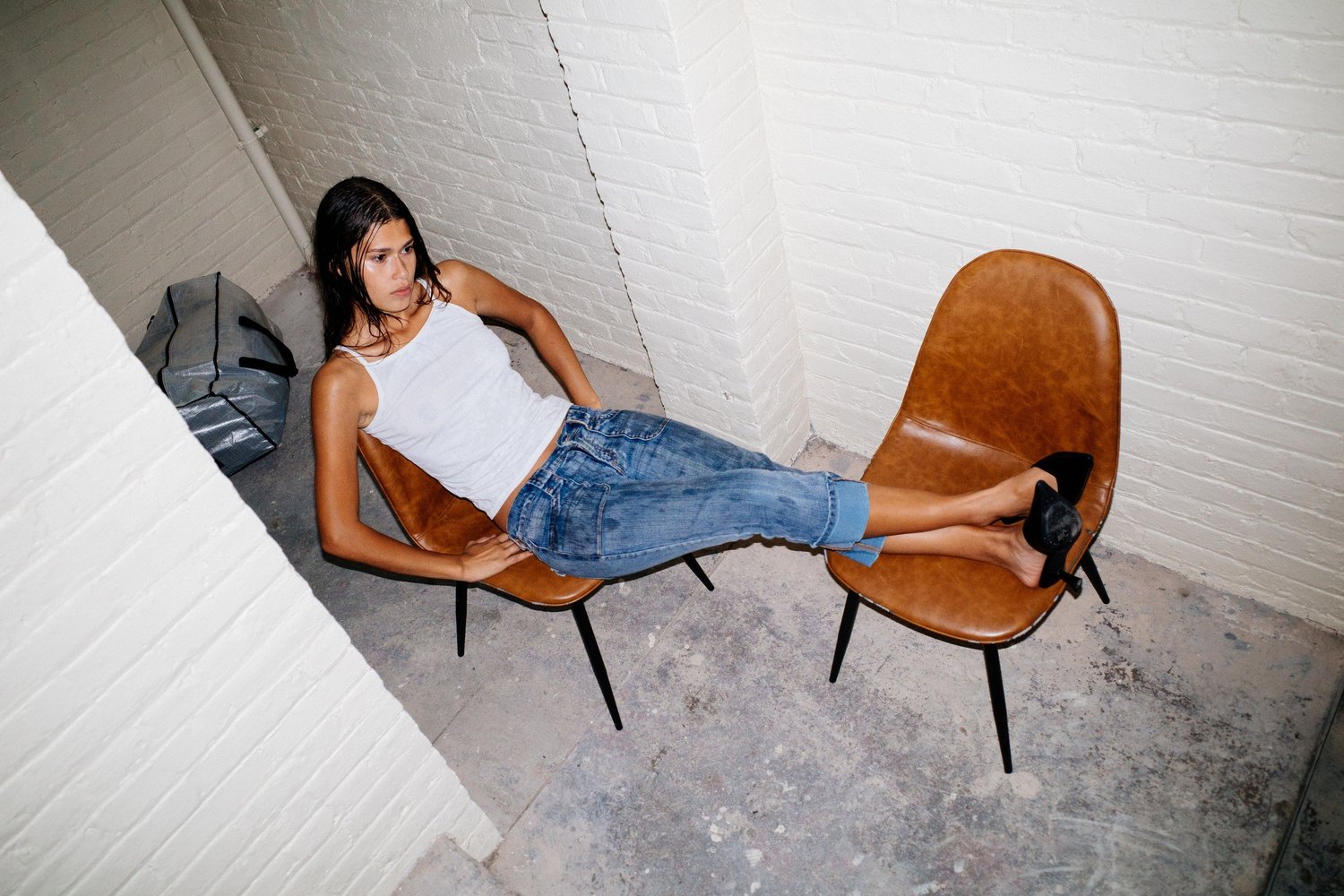
Quick startup makes it easy to use
Startup speed is great. I like being able to turn the GR on and start making pictures without feeling as though I have to wait for it to get ready. That matters on a camera I take out, use briefly, and put away again throughout the day.
For me, that quick startup and the small size work together. A camera can be compact and still feel inconvenient if using it interrupts what I am doing. The GR feels easy to bring into an ordinary moment.
My Godox iT30: useful, but exposure is not always consistent
I use a Godox iT30 on-camera flash with the GR III. Sometimes I want to supplement the existing light; sometimes I want a more obvious pop, especially when I want the colors to stand out. Having that option makes the little camera more flexible for the way I shoot.
The exposure is fairly accurate in my experience, but it is not accurate every time. I sometimes get flash exposure results that are not where I want them. That inconsistency is worth mentioning because it is part of using my actual setup, even though I still enjoy the results.
I would not describe the GR and iT30 combination as something I can trust blindly for every frame. The flash is useful, and I like having it, but the occasional exposure issue is a real frustration. These are my observations about the combination I use, rather than a claim that every missed exposure has the same cause.
Sensor dust is my biggest complaint
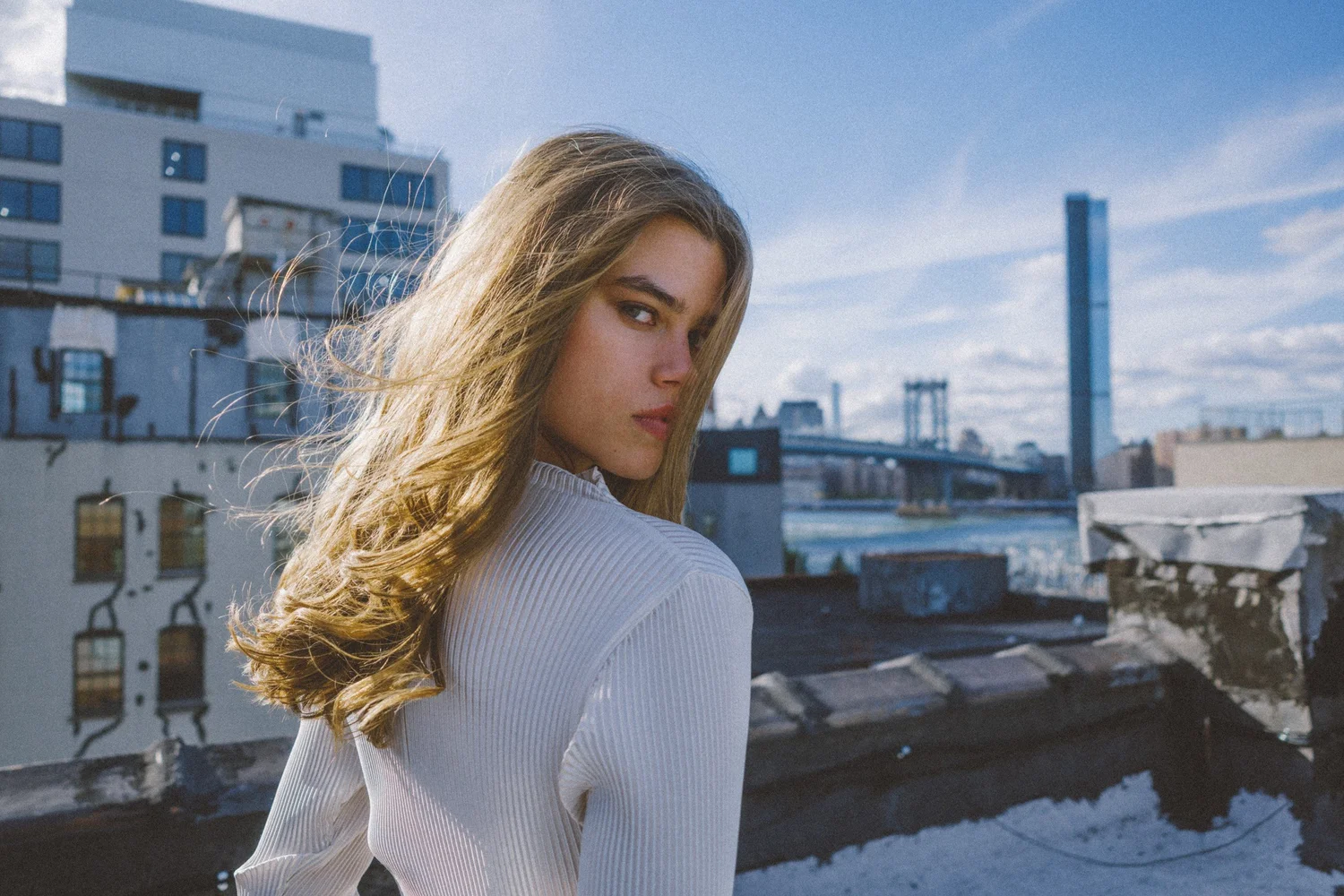
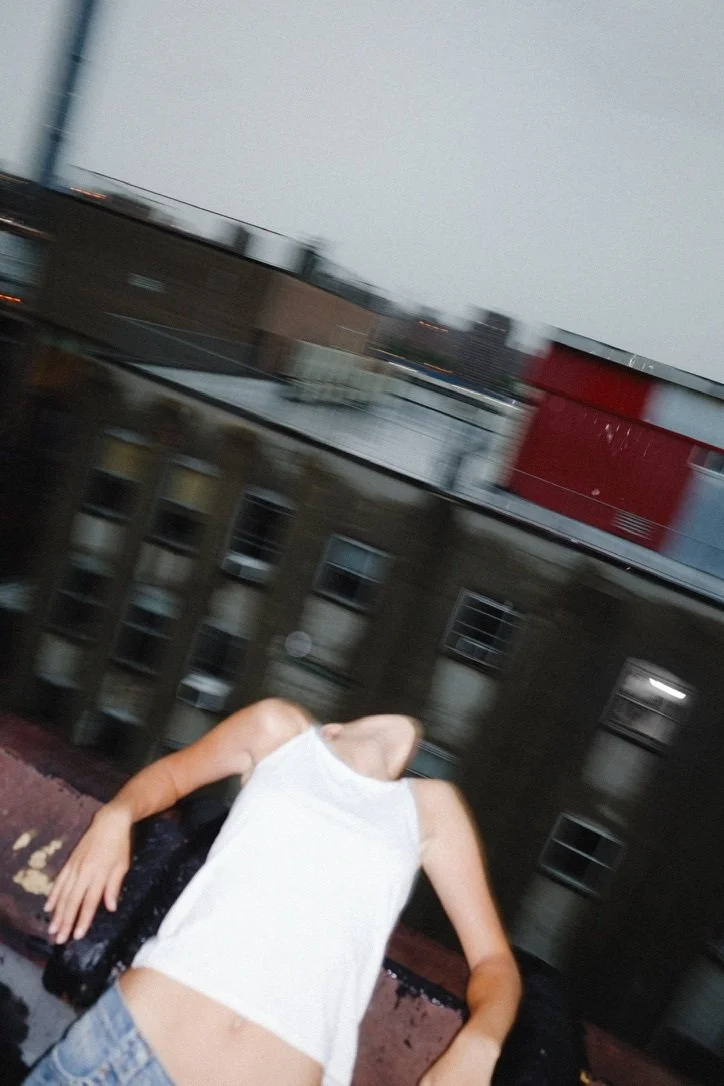
Unfortunately, dust has been a real issue with my GR III. For a camera I love taking everywhere, it is the drawback that bothers me most. On my rooftop shoot with Cydney, the photographs at f/16 showed a bunch of sensor-dust spots. Stopping the lens down that far made the problem much more obvious.

Dust spots tend to become more visible at small apertures, particularly against an even area such as the sky. Removing spots in an edit can fix that photograph, but it does not remove the dust inside the camera. That is the difference between cleaning up an image and solving the underlying problem.
Ricoh’s sensor-dust guidance explains that dust can enter as the lens extends and retracts. It recommends the built-in dust-removal function and a protective bag for storage and transport. Persistent sensor dust can require servicing; the sensor is not accessible in the same way as on an interchangeable-lens camera.
There are videos showing how people clean it, including sregister’s GR III sensor-cleaning disassembly and Matti Sulanto’s discussion of GR3 sensor dust. A video can help you understand the work, but opening the camera is a difficult job for most people. I would consider service before treating disassembly as an easy fix.

The size is still what makes the GR special to me
I want a camera I can put in my pocket and take along. The GR III is small enough to do that, and it feels less intimidating when I point it at someone. I can keep talking and making photographs without the camera becoming such a big presence.
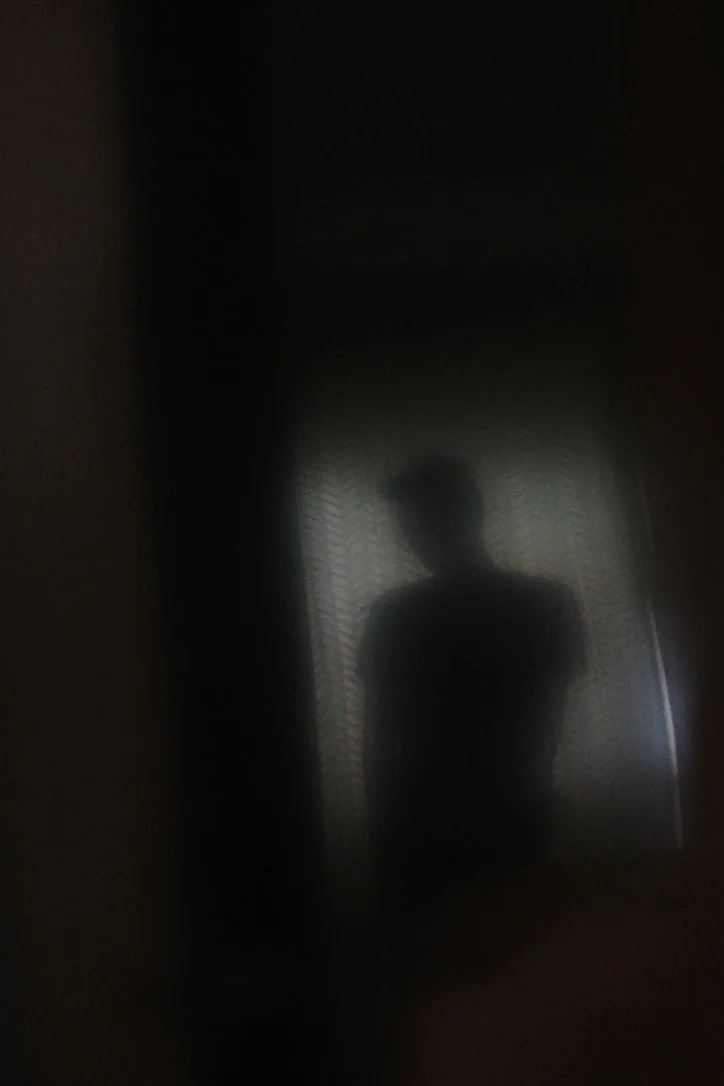
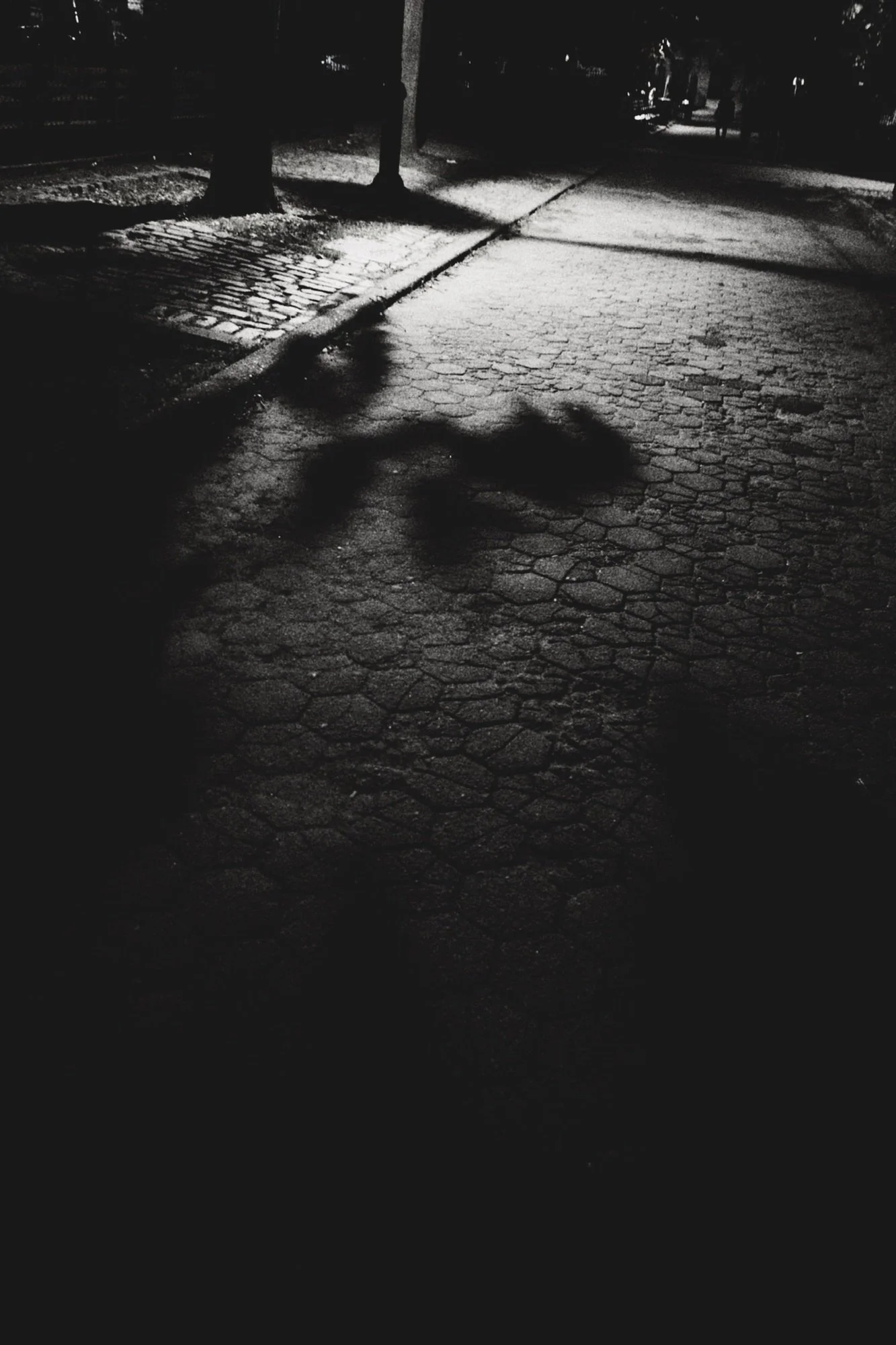
That matters just as much to me as the sensor. A camera that stays at home cannot give me the pictures I notice on the way somewhere. With the GR, a reflection, some light on the ground, or an ordinary moment can be enough reason to bring it out.
My verdict after one year
I still love the Ricoh GR III. The sensor holds up, the lens quality is wonderful, startup is quick, and the pocketable size suits the way I want to use a camera. It gives me more than enough reason to keep bringing it along.
The compromises are real: autofocus is happier with good light, my Godox iT30 setup sometimes gives me inconsistent exposure, and sensor dust is frustrating. Those issues belong in the review just as much as the photographs I like.
For me, the strengths still win. I want a small, approachable camera with a wide view and image quality I am excited about. A year later, that is still what the GR III gives me.
Camera specifications: Ricoh’s 2019 GR III announcement and GR III sensor and lens details.