
Sony a7 V Review: A Portrait Photographer's Perspective
I enjoy the a7 V, and I still have a wish list. Here are the photographs, the strengths I appreciate, and why price and resolution stay part of the conversation.
I love the Sony a7 V. The photographs look great, the video looks great, and I don't have any overall complaints about using it. My reservations are fairly simple: it is expensive, and I still wish it had the resolution of an a7CR or a7R V.

What matters to me in a camera
I approach the a7 V as a portrait photographer. The camera needs to support the pictures I want to make, and the finished photographs matter more to me than using every feature on the list.
There is a lot of capability here, including some I don't use to its limit. I enjoy what it gives me, even when I am not asking it to do everything it can.
This review is about that balance. I like the camera's output, I appreciate its flexibility, and I can still look at the price and resolution and wish for something slightly different.


The photographs are the reason I like it
My main reaction to the a7 V's photographs is straightforward: they look great. That matters more to me than finding a dramatic claim to make about the camera.
Sony gives the a7 V a roughly 33-megapixel full-frame sensor. It is useful context for understanding the files, but a number doesn't describe the photograph on its own. Light, lens choice, distance, expression, and the way an image is finished all affect what you see. Sony's product specifications cover the hardware in more detail.
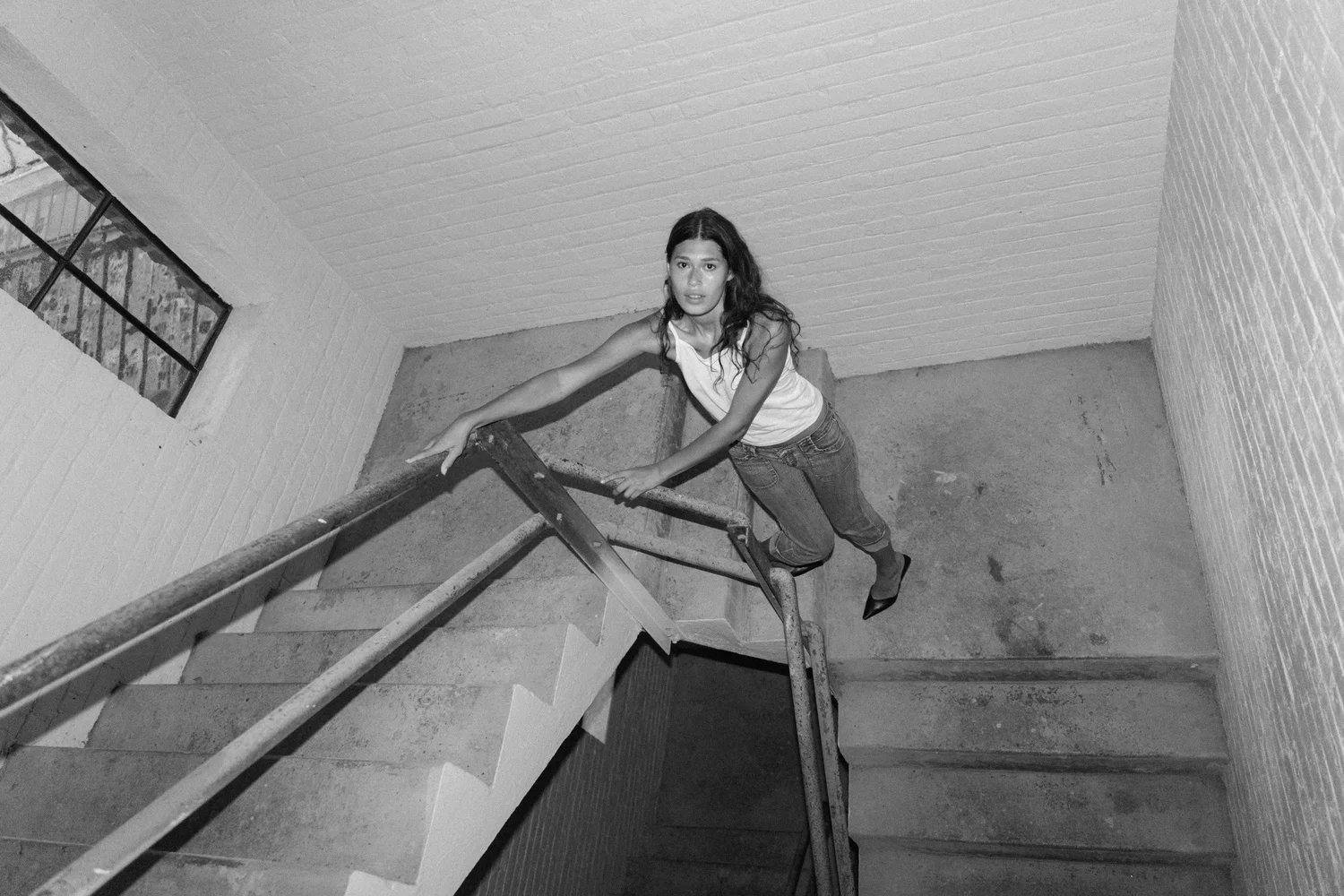
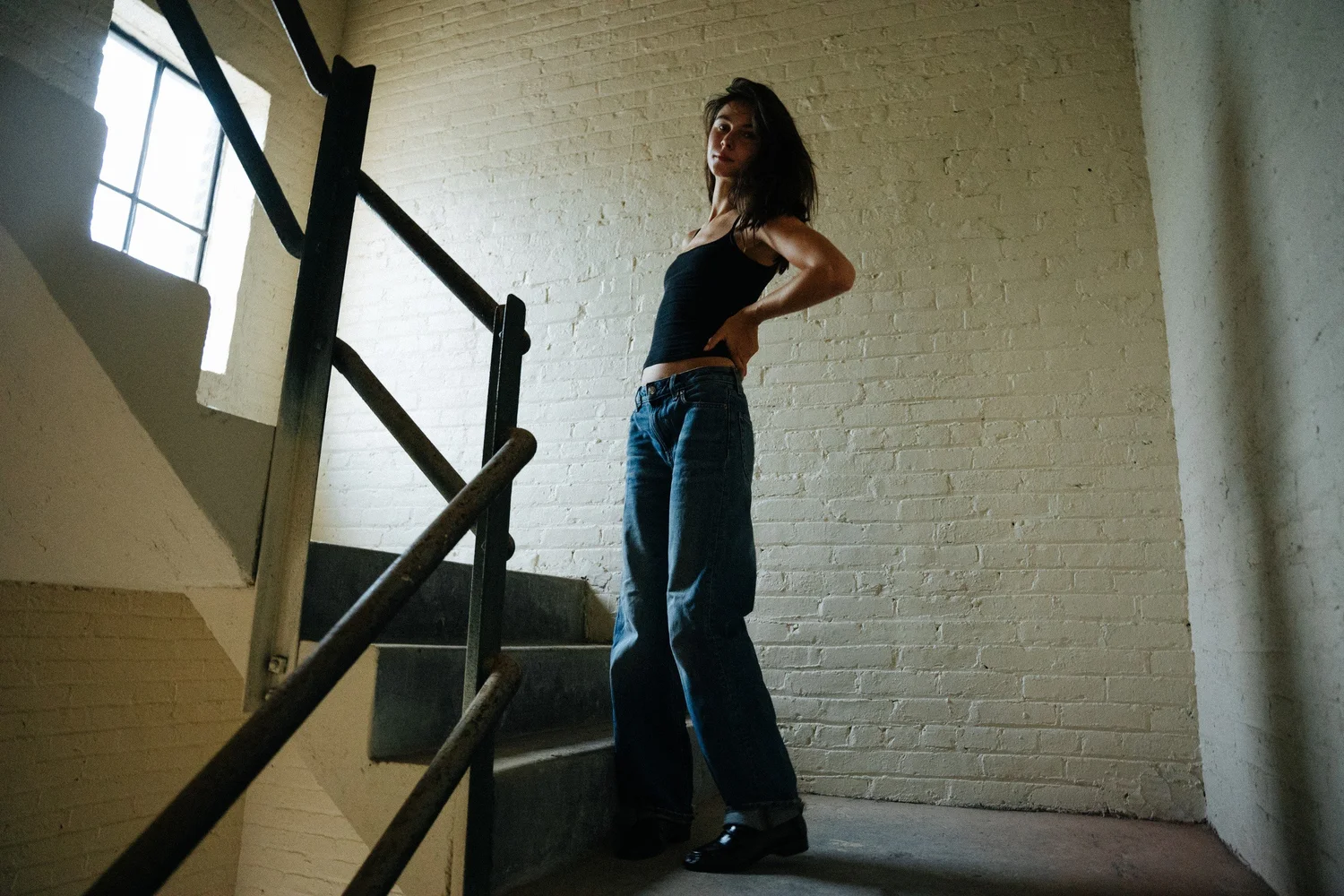
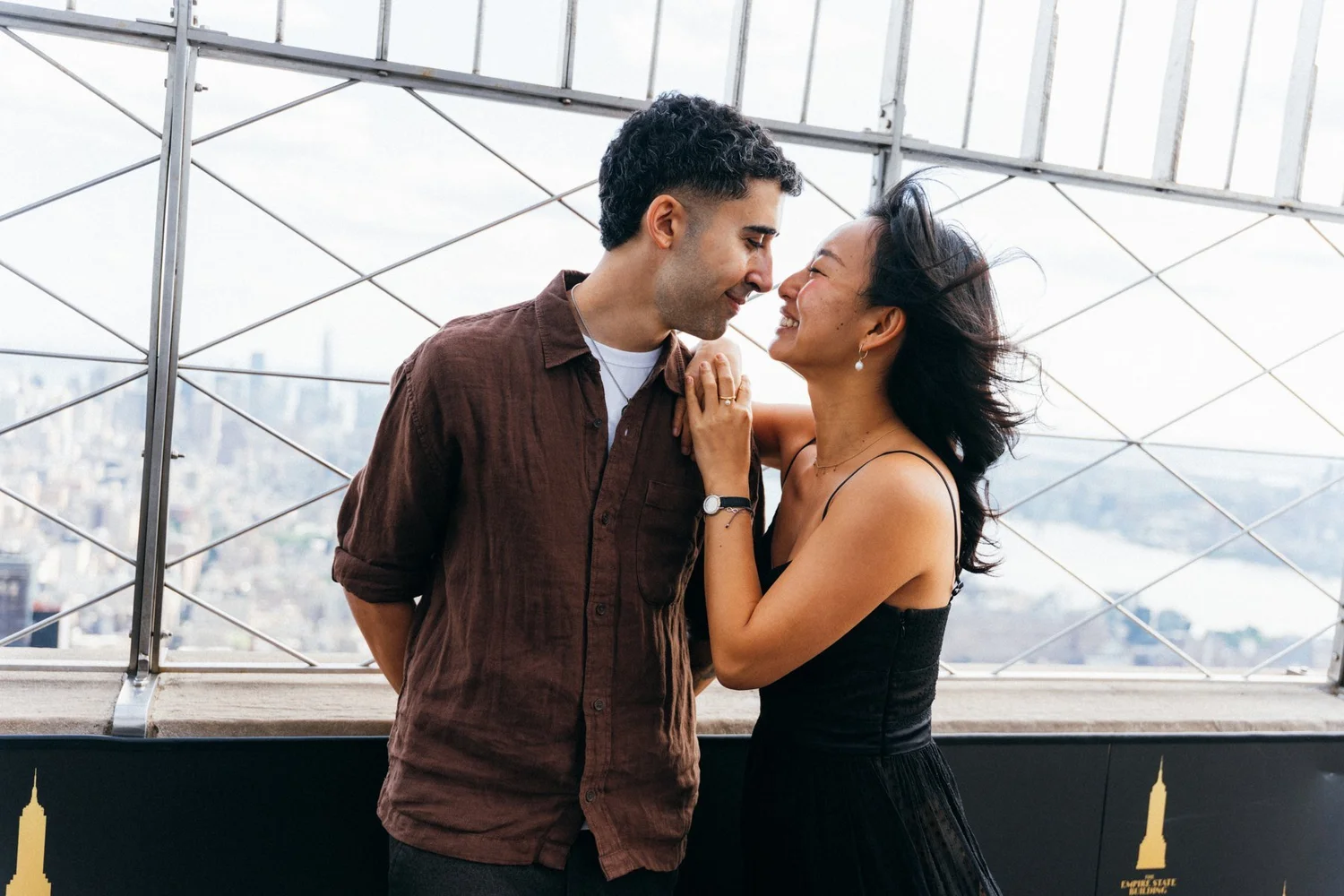
The photographs here were made with the Sigma 24–70mm F2.8 DG DN II Art. The captions include the recorded focal length and exposure settings; the finished images also reflect my editing. Hannahbeth's portraits show how much can change with the same person and setting: sunlight and a loose gesture in one, then a stronger arrangement of blue and green in the other.


Tara's window portrait and Amanda's tilted composition have a different feeling again. Shadow, the direction of the light, and what stays outside the photograph matter as much as what the camera records.






I don't use all the speed, but I like having it
The a7 V can shoot at up to 30 frames per second with autofocus and exposure tracking using its electronic shutter in Hi+ mode. That is Sony's stated capability, with conditions depending on the setup. It is more speed than I need for much of my work.
I don't see that as a problem. A feature can be useful to have without becoming the way you make every photograph. I am happy to have the option, but I don't judge a portrait by how many frames were taken around it.
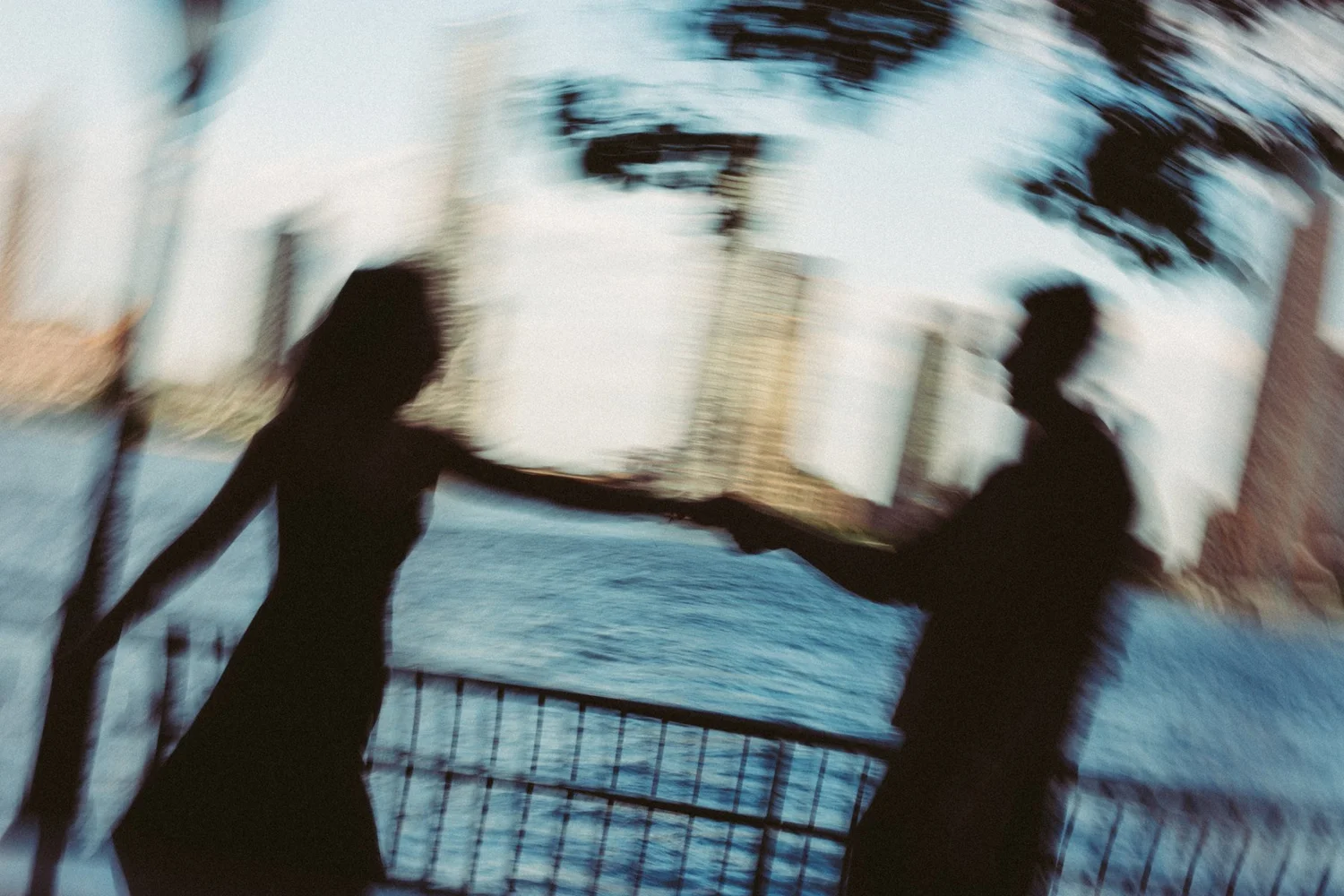
Movement in a portrait can be a small thing: a turn, a step, or an expression that briefly opens up. Johnny's smile is one kind of moment. The blurred couple photograph below is another way movement can appear in a finished image. Maximum sharpness and maximum speed aren't the point of every picture.



One practical detail is worth knowing: Sony's manual says flash is unavailable with the electronic shutter. The headline burst rate and a flash setup should not be treated as the same shooting mode. Sony's shutter guide explains the distinction.


I like the video, too
Video is another part of the a7 V that I am happy with. My impression is the same as with its photographs: the output looks great.
On the specification side, Sony lists full-frame 4K60p and 4K120p in APS-C/Super 35 mode. The latter gives a narrower view, so those modes aren't interchangeable simply because both say 4K. That is worth checking if you are planning how much of a scene needs to fit.
I don't think every personal review needs to become a test of every video format. For me, liking both the stills and video is an important part of the camera's appeal. The decision is about the mix of work you want to make, rather than choosing a body from one headline feature.

I still wish it had more megapixels
If I could change one thing, I would like more resolution. The a7CR and a7R V both offer approximately 61 megapixels, compared with the a7 V's approximately 33. Sony confirms those figures for the a7CR and a7R V.
I understand that the a7 V isn't primarily aimed at maximizing resolution. It balances photographs, video, and speed. I can appreciate that choice and still wish I had the extra pixels.
More resolution can give you more room to crop or make a larger output, depending on the quality of the original image and the intended use. It doesn't automatically make the light, expression, or composition stronger. Those are separate questions.
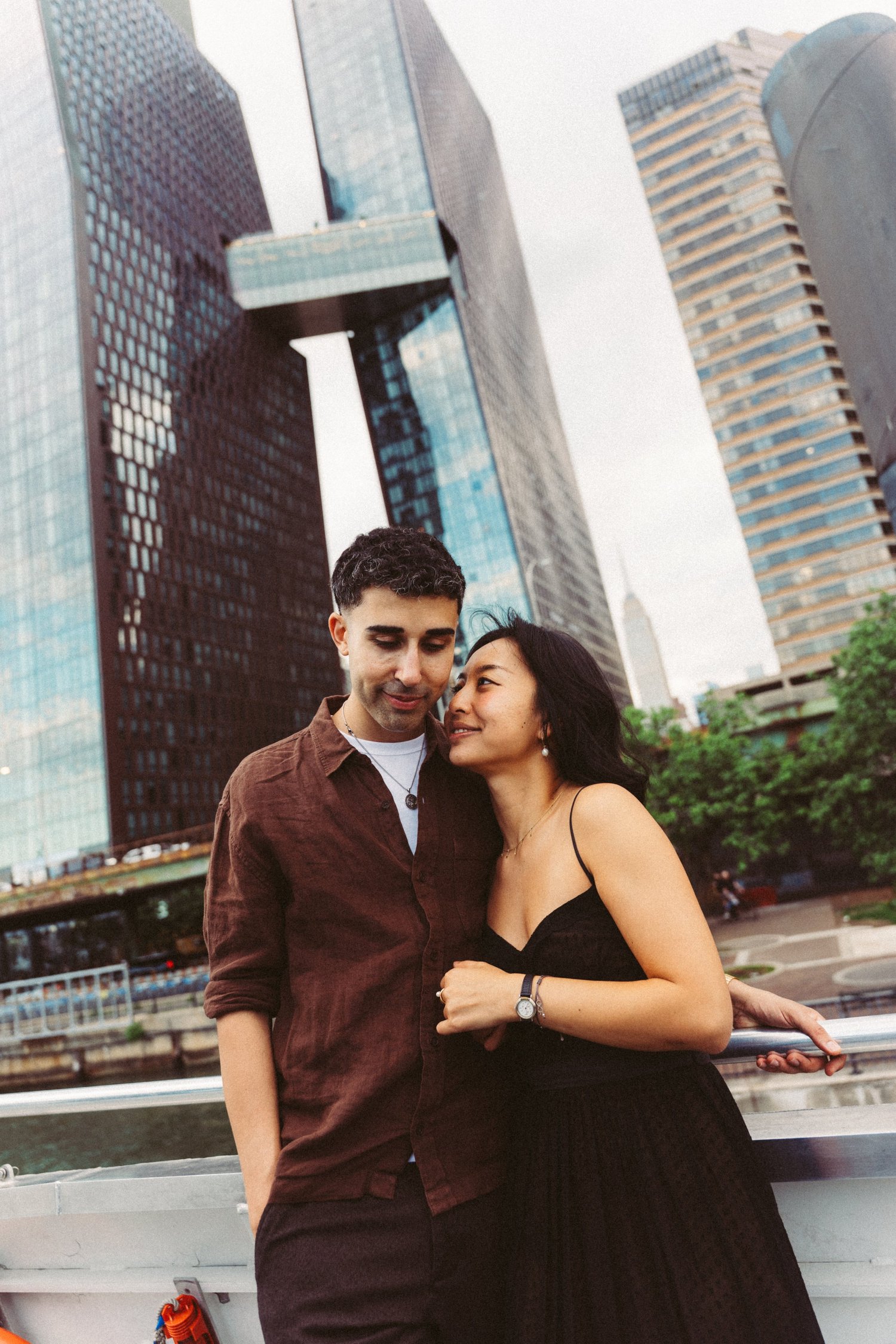
Johnny's portrait with the bridge keeps the setting visible instead of isolating her completely. Choosing how much of that setting to include is still the first decision; extra pixels would give me more flexibility afterward.

My wish for more megapixels is a preference within a camera I already enjoy, and something I would weigh honestly when choosing between different priorities.

The price is part of the decision
The a7 V is expensive. I don't want to gloss over that just because I like it.
For someone deciding what to buy, I would start with the work the camera needs to do. Do you need both stills and video? Is speed important, or would more resolution matter more? What lenses will you use, and how much of the total budget does the body leave for them?
Those questions are more useful than assuming the newest camera is the right answer. I can tell you that I like this one without pretending everyone needs to make the same choice.
My take on the Sony a7 V
I am happy with it. I like the photographs, I like the video, and I appreciate having speed available even when I don't use all of it. The cost is significant, and the resolution is the part I still find myself wishing were higher.
For me, those thoughts can sit together. I don't need to call the camera perfect to enjoy using it.
If you came here for the photographs as much as the camera, you can explore my NYC portrait work or the way I use surroundings in street portraits. The camera is one part of making those pictures; the person, light, and idea give us the starting point.