
Model Digitals vs. Test Shoots: What to Book in NYC
Model digitals and a creative test shoot are often discussed together, but they answer different questions. Digitals show your current appearance in a straightforward way. A test shoot explores what you can do in photographs, with choices about styling, light, movement, and expression. Before booking anything, identify who needs the pictures and what they have asked to see.
Read the actual submission requirements first
If you are applying to an agency, begin with its current official instructions. Do not assume a polished portfolio is required for an initial submission. For example, IMG's FAQ for applicants under 18 asks for natural daylight snapshots and says professional photographs are unnecessary for that application route.
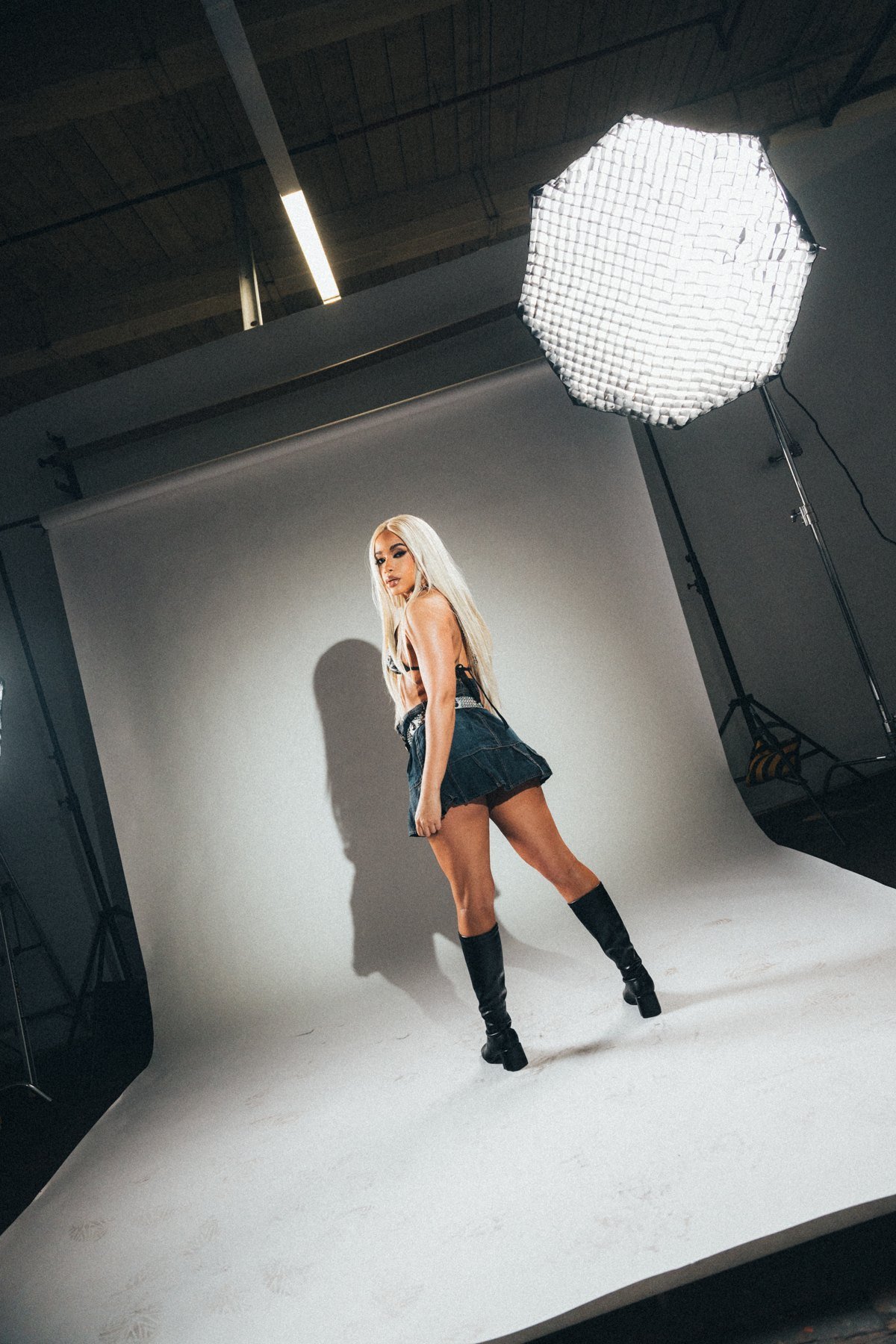
That is a specific agency's guidance for a specific group, not a universal rule for every casting. Check the requirements that apply to you. The photographs in this article illustrate creative portrait ideas, including the studio setup pictured here; use the receiving agency's instructions for your digitals.
Understand the purpose of digitals
The useful idea behind digitals is a clear, current record of how you look. The requested framing, clothing, background, and presentation should come from the agency or client receiving them. Save those instructions and follow them closely instead of adding styling simply because it feels more professional.
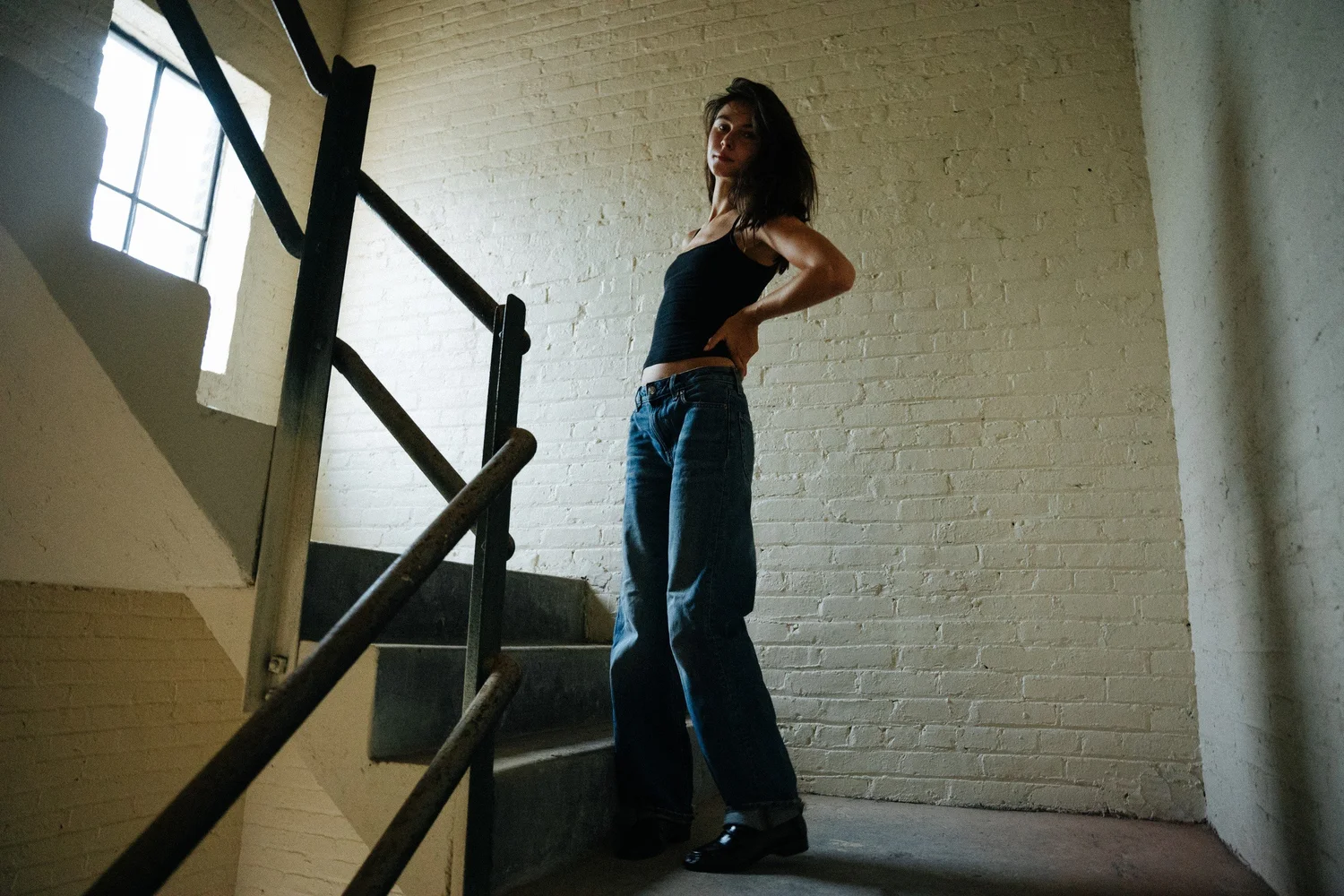
A dramatic angle or strong edit can be effective in a creative portrait while being unhelpful for a straightforward submission. Amanda's stairwell image demonstrates an expressive use of setting and light. It belongs to a different visual task from a neutral record requested by an agency.
Give a test shoot a clear portfolio purpose
For a creative test, decide what your existing photographs are missing. You might need more full-length work, a stronger close portrait, movement, or a different styling direction. A useful brief explains the gap instead of asking for a large number of unrelated looks.
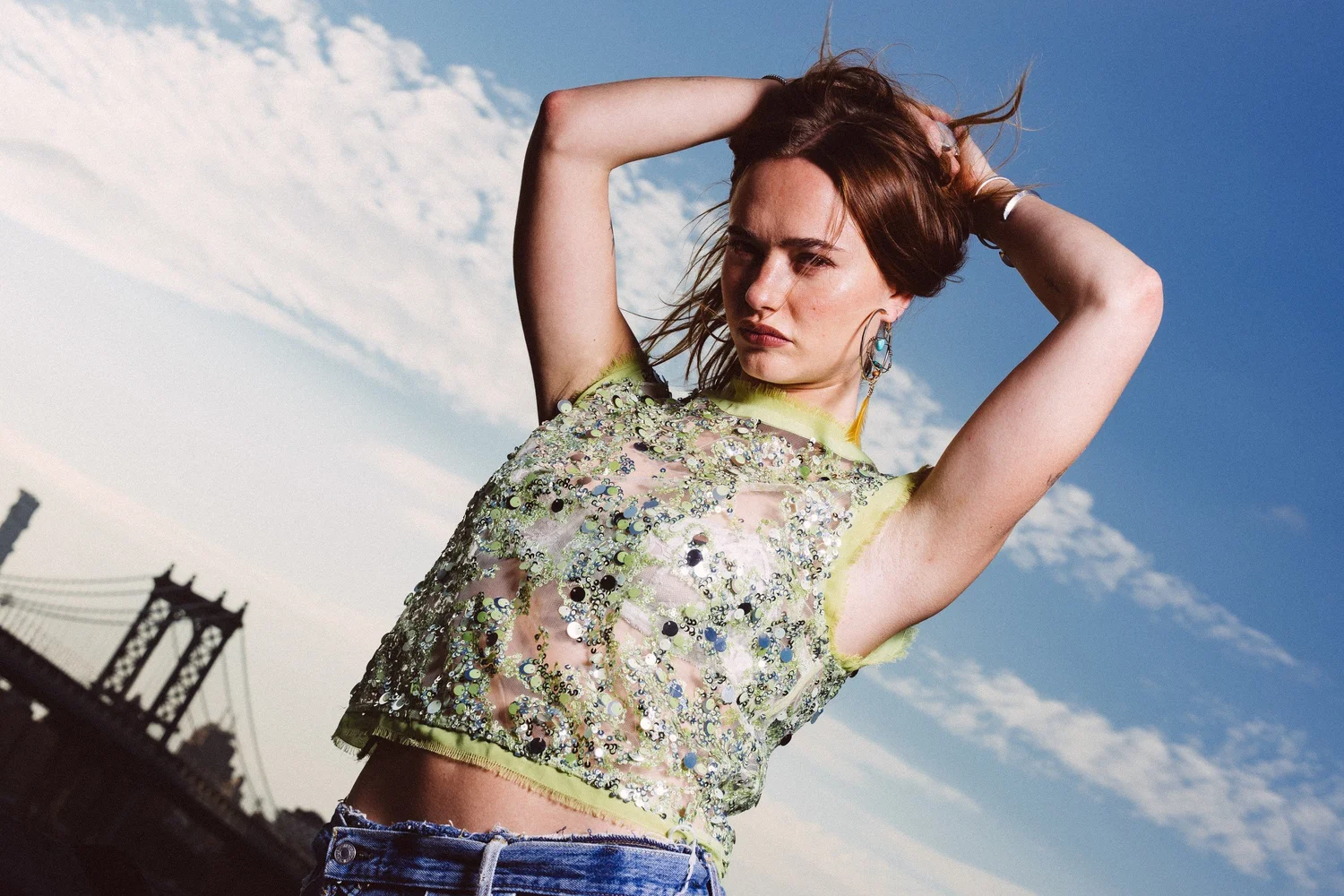
Johnny's raised-arm portrait shows how clothing and gesture can create a strong shape. That could be a reference for a test exploring movement or a more editorial feeling. Describe the photographic idea you want to explore, then decide how it would add something useful to your existing pictures.
Choose a small number of connected ideas
Bring references that work together. If every picture has different lighting, clothing, location, and mood, it becomes difficult to identify what you actually want to make. A tighter direction leaves more time to work on expression and movement within it.
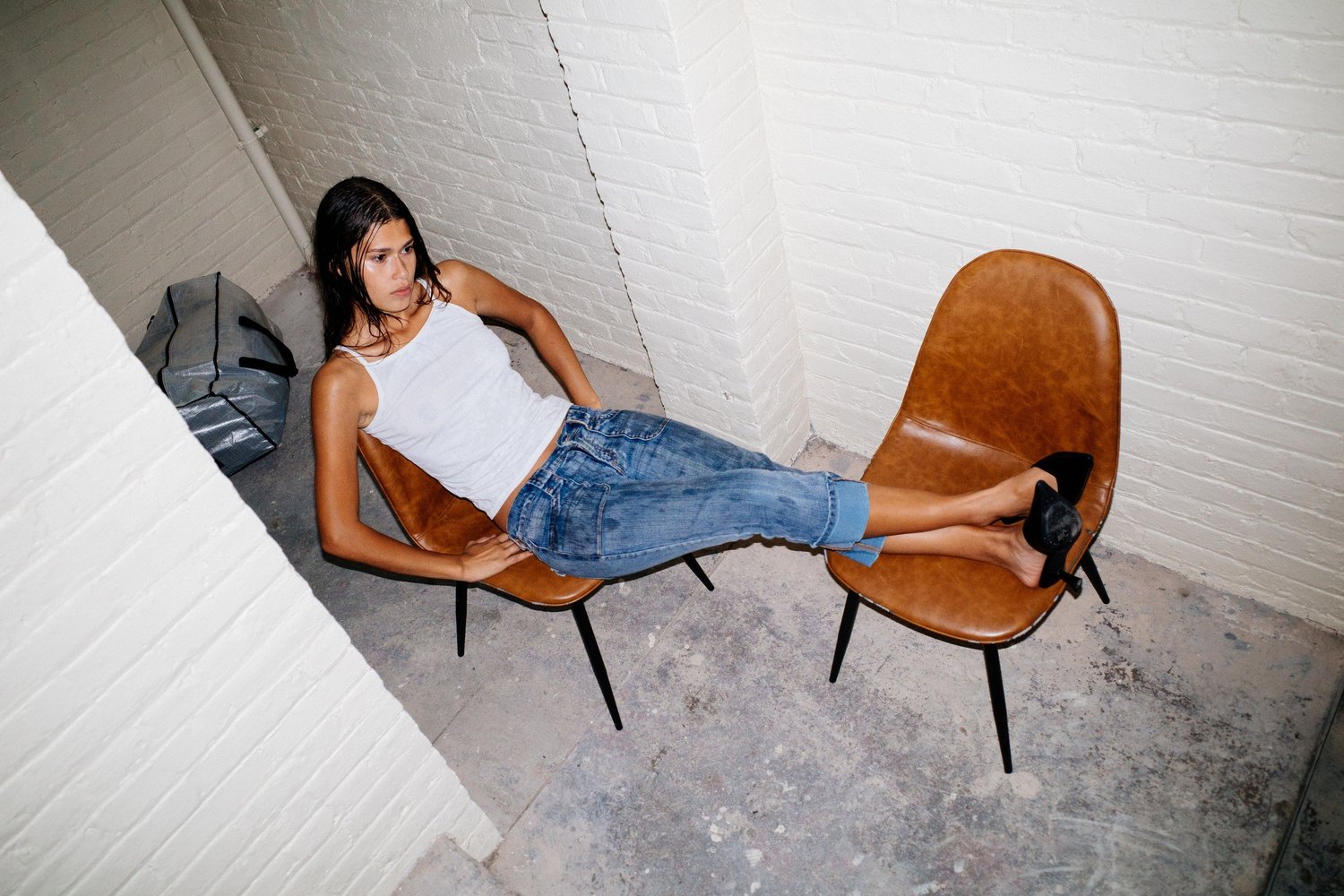
Tara's seated photograph shows how a pose can respond to the available furniture. We can use that as an example of working with shape without copying the exact arrangement. For a test session, decide which elements are essential and which can change when we see how the clothing and setting work together.
Prepare to show variation within a look
A useful sequence can include different distances, expressions, and body positions while keeping the same outfit. Think about how a standing portrait, a seated image, and a closer view could each add something. Changing clothes is only one way to create variety.
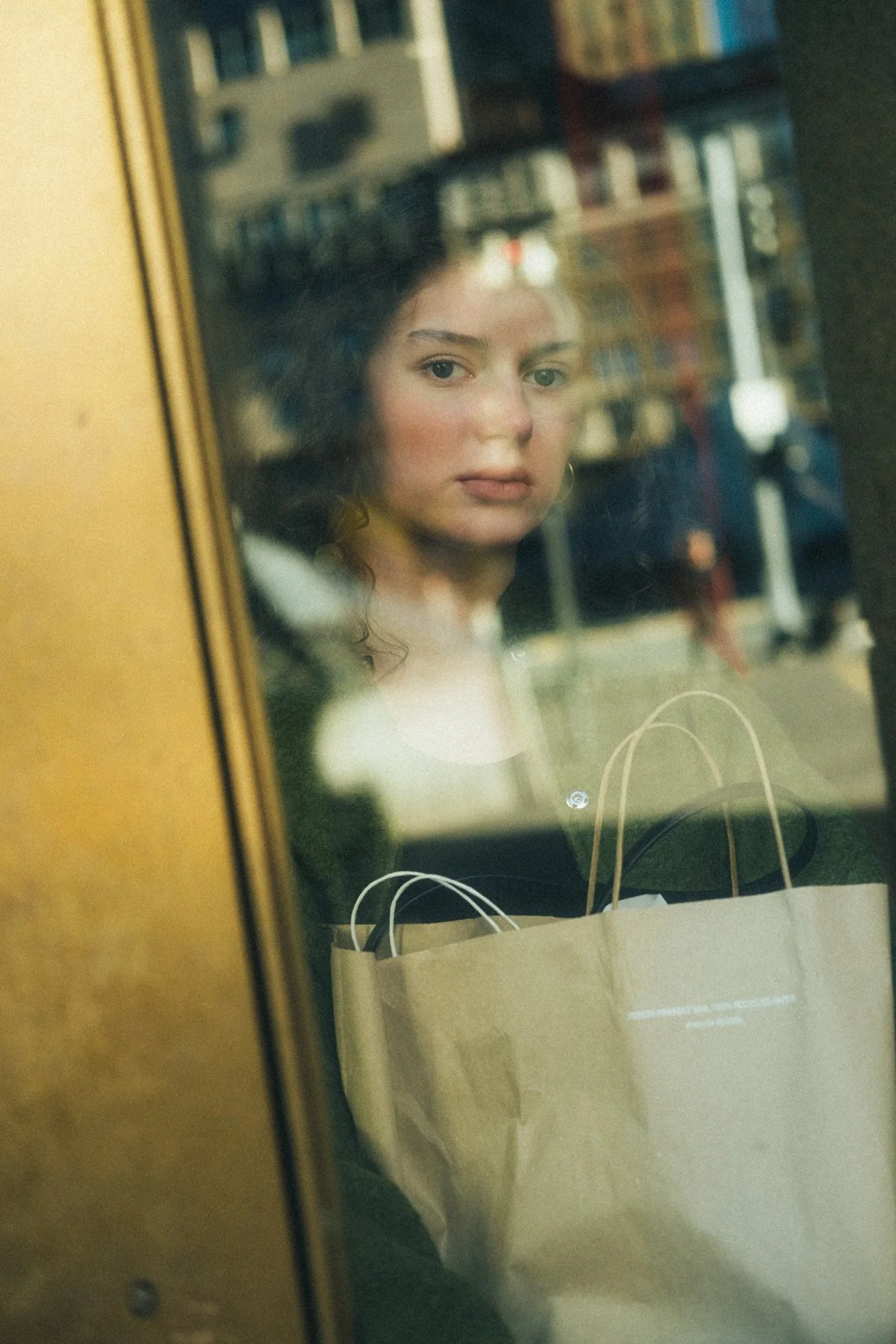
Olenka's portrait through reflective glass introduces another visual layer while keeping her face central. If that kind of experiment fits your purpose, it can sit alongside clearer images. We should still know which straightforward pictures you need before spending the session entirely on an effect or a single ambitious reference.
Discuss the finished images before the shoot
Clarify the intended use, selection process, editing approach, and delivery needs directly when arranging the session. If a portfolio reviewer or agency has supplied guidance, share it rather than assuming every creative choice will suit them. Keep submission digitals separate from edited portfolio images when their requirements differ.
For a test shoot, retouching should support the agreed purpose. Avoid treating a style-heavy reference as proof that you need the same treatment in every photograph. A consistent, useful set is easier to assess than many unrelated pictures with dramatically different presentation.
Book the work that answers your actual need
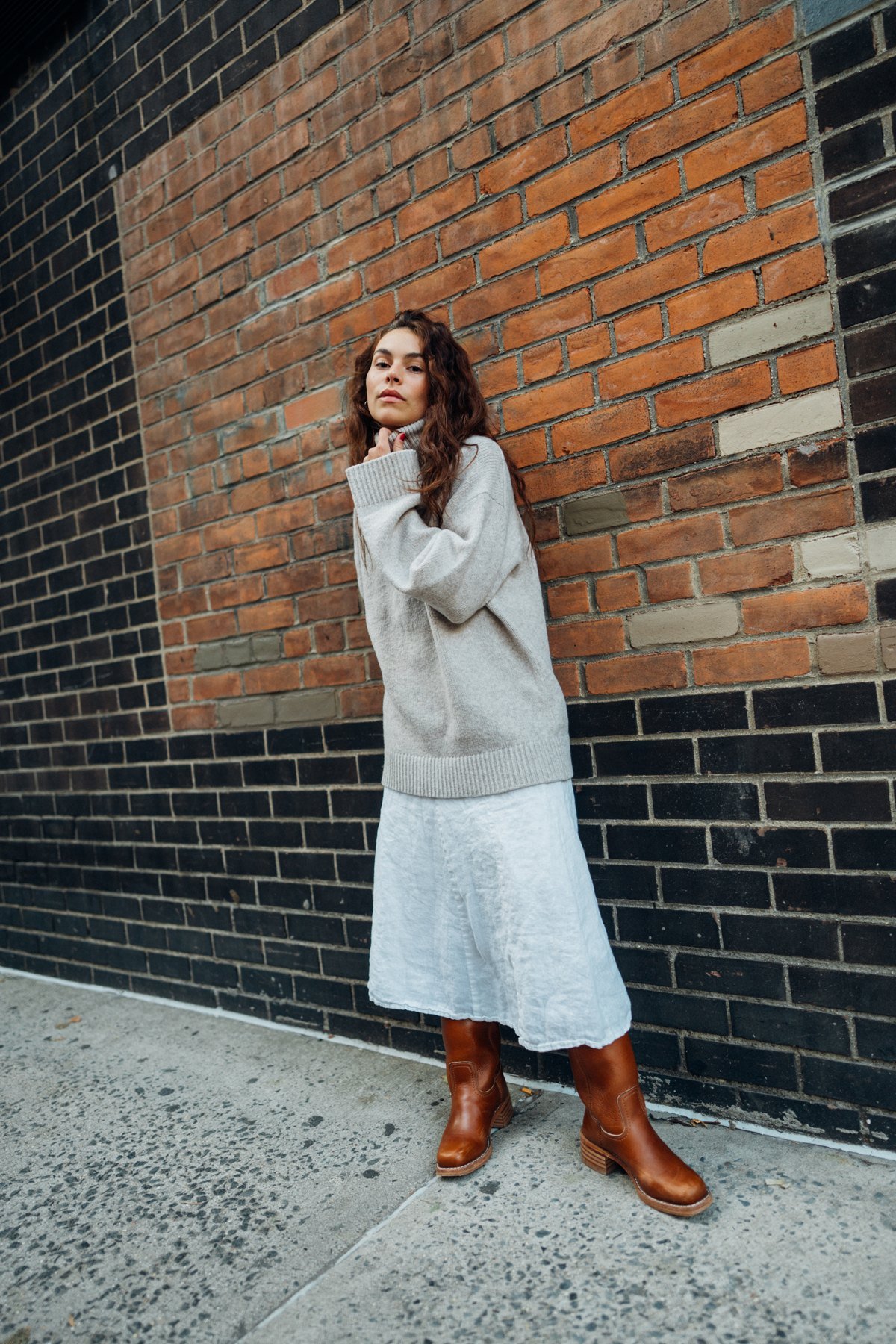
If you only need simple application photographs, follow the receiving agency's instructions before spending money on a larger creative shoot. If you want to develop a portfolio direction, a planned portrait or test session can focus on that goal. Neither kind of photograph guarantees representation or paid work.
My editorial portrait ideas show how styling, movement, and setting can work together. You can also review how to choose final portrait photos when building a tighter selection. Begin with the purpose, and let that determine what you make.