
NYC Author Portraits for Book Jackets, Press and Websites
Need an author portrait that belongs with your work? Explore my work and session options. Share your book or project, publisher requirements, and the date you need the photographs.
An author portrait has to introduce you beside words that already carry a strong voice. Plan the photograph around its actual placement, the tone of your work and the person readers will meet at an interview or event.
Ask where the portrait will appear
Before planning an author portrait session in NYC, collect the requirements you already have. A jacket photograph, publisher biography, author website, festival programme and press interview may use different sizes and crops. Ask your publisher or designer for the available space and file requirements rather than working from a general idea of a book photo.
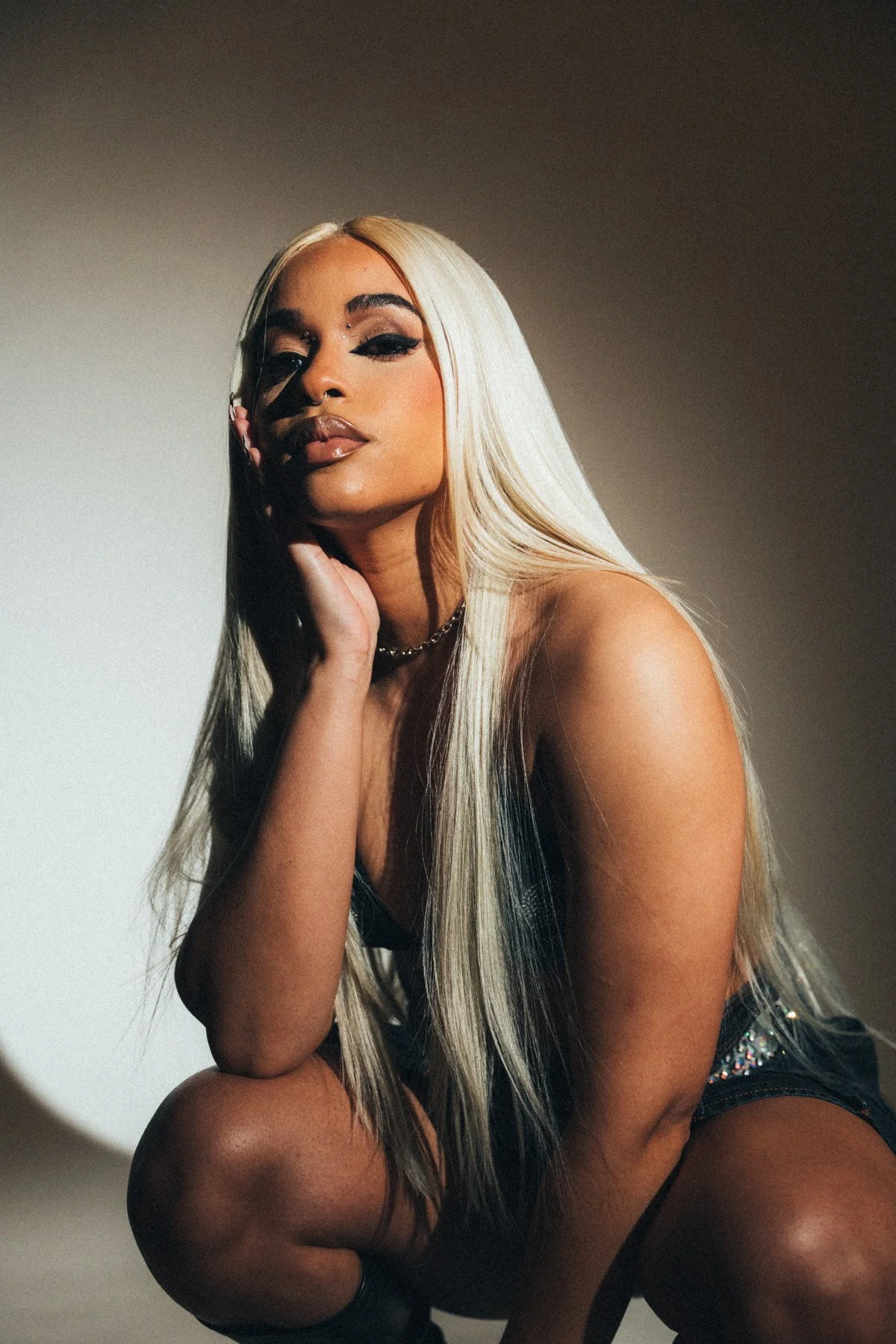
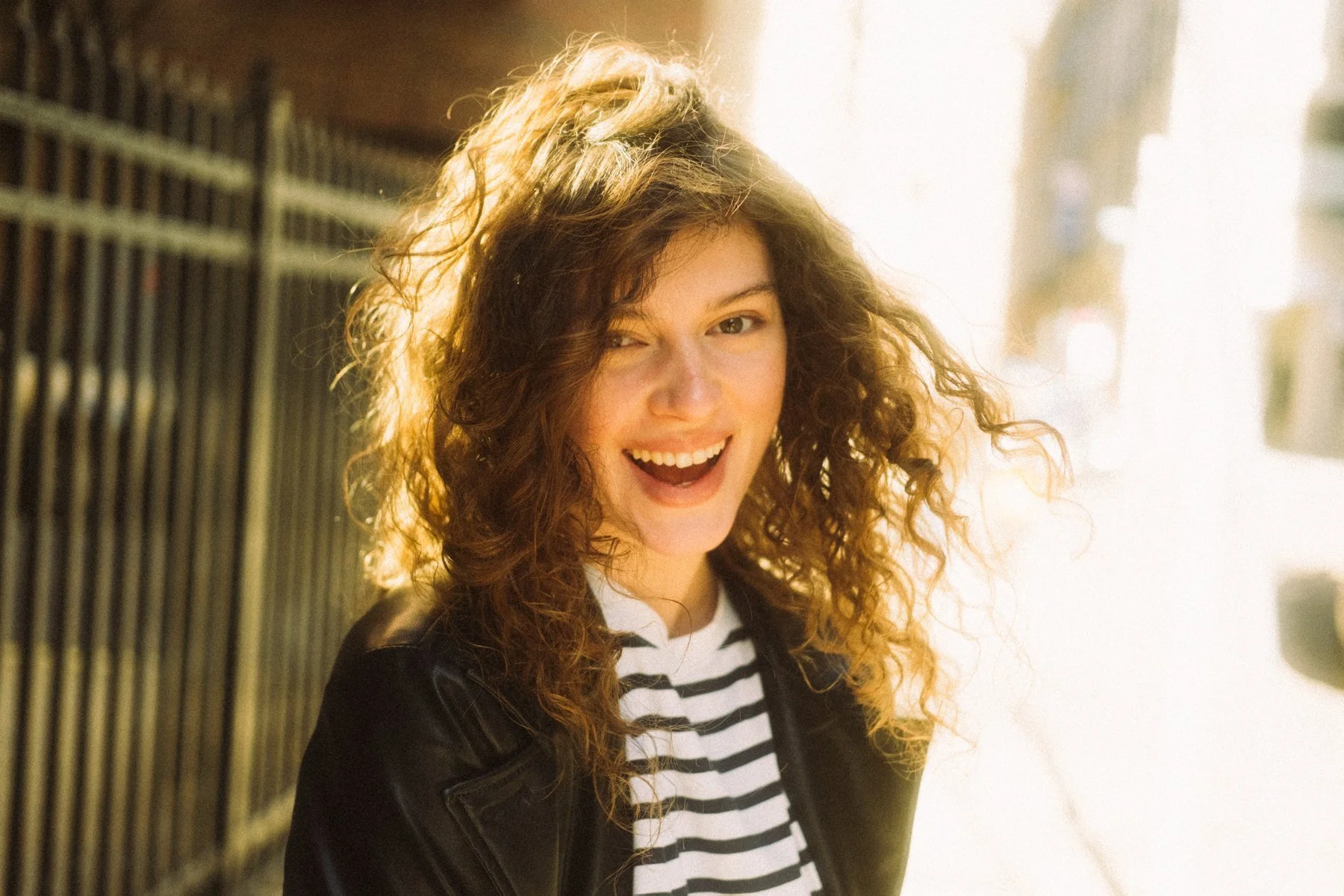
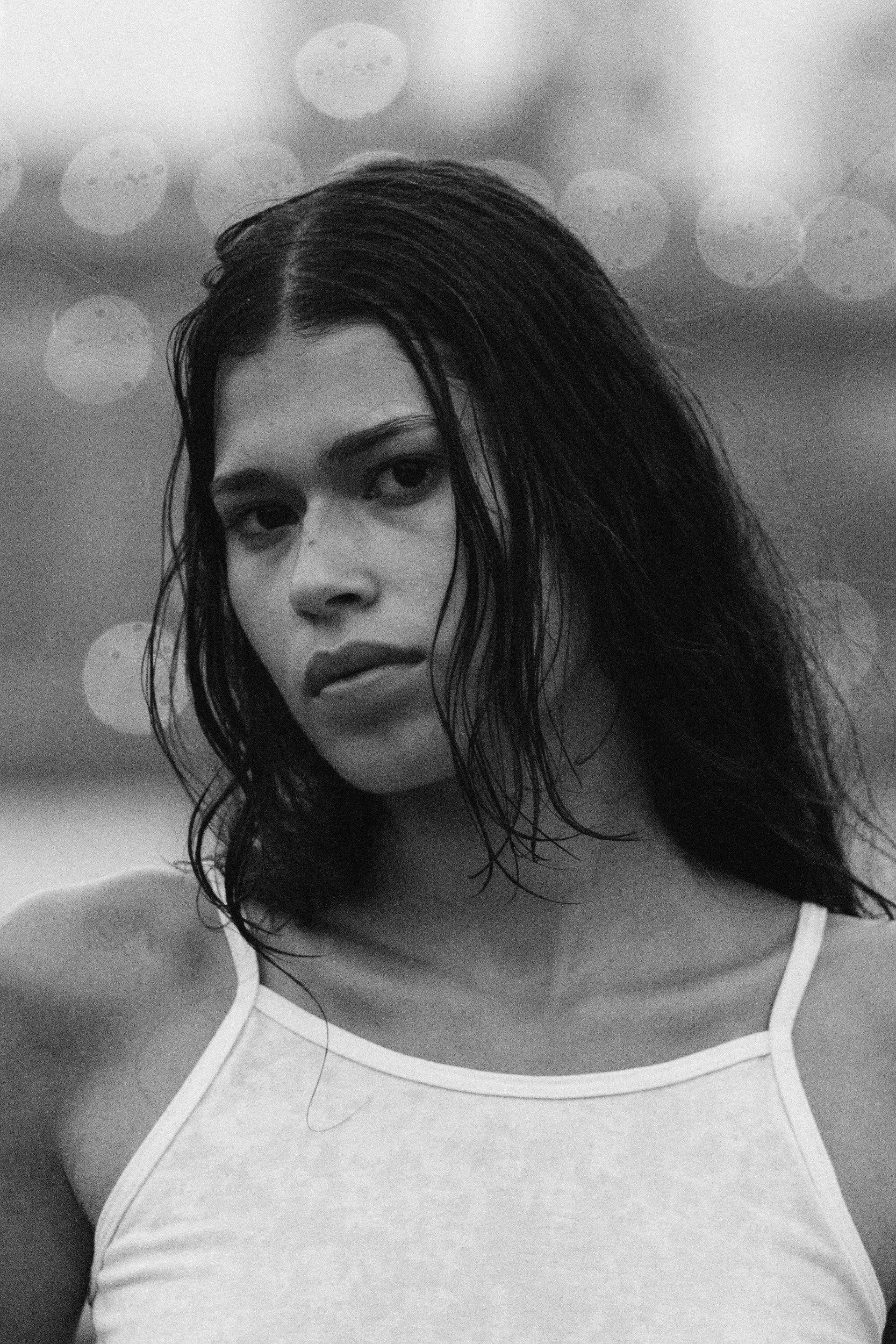
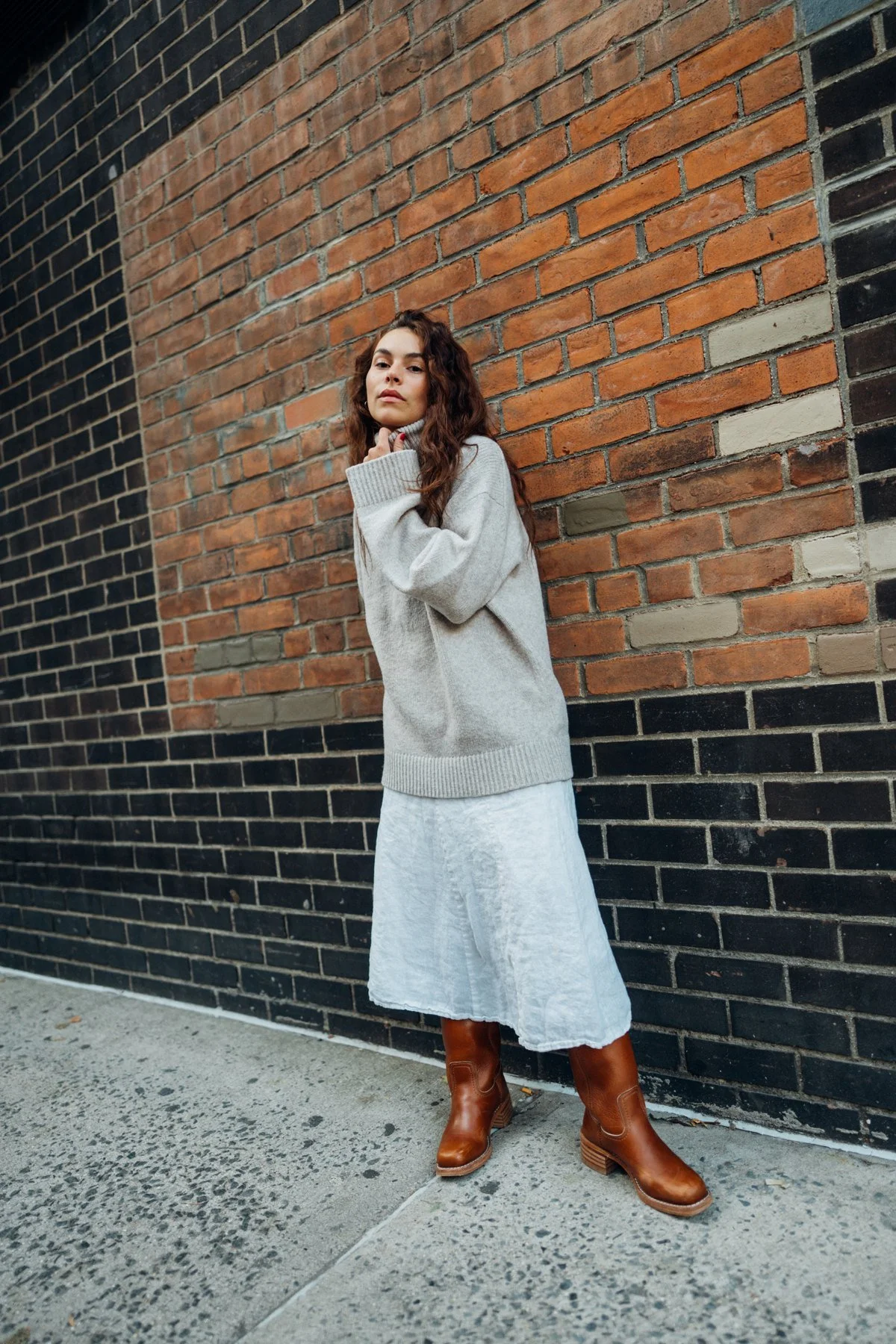
The images in this guide are examples from my portrait work, used to illustrate expression, framing and atmosphere. The people pictured are not being identified as authors. You can borrow a visual principle from a photograph while choosing a setting and tone that belong to your own writing.
Match the tone without dressing as a genre
The portrait does not need to summarize every theme in your book. Start with the relationship you want to have with a reader: open, thoughtful, direct, playful or reserved. Then consider which expressions and surroundings support that introduction. A serious subject does not obligate you to look severe, and an approachable expression does not make the work less substantial.
Olenka's smiling portrait and Tara's quieter close frame demonstrate different forms of connection. Compare the eyes, the amount of background and the pace of the photograph. This is a more useful preparation exercise than deciding that all author photographs should use the same pose or black-and-white treatment.
Decide whether the setting adds useful information
A study, home interior or familiar neighborhood can help the picture feel connected to you. It can also introduce distracting objects or an atmosphere that belongs more to the room than to the person. Consider whether the setting adds something you want a reader to know.
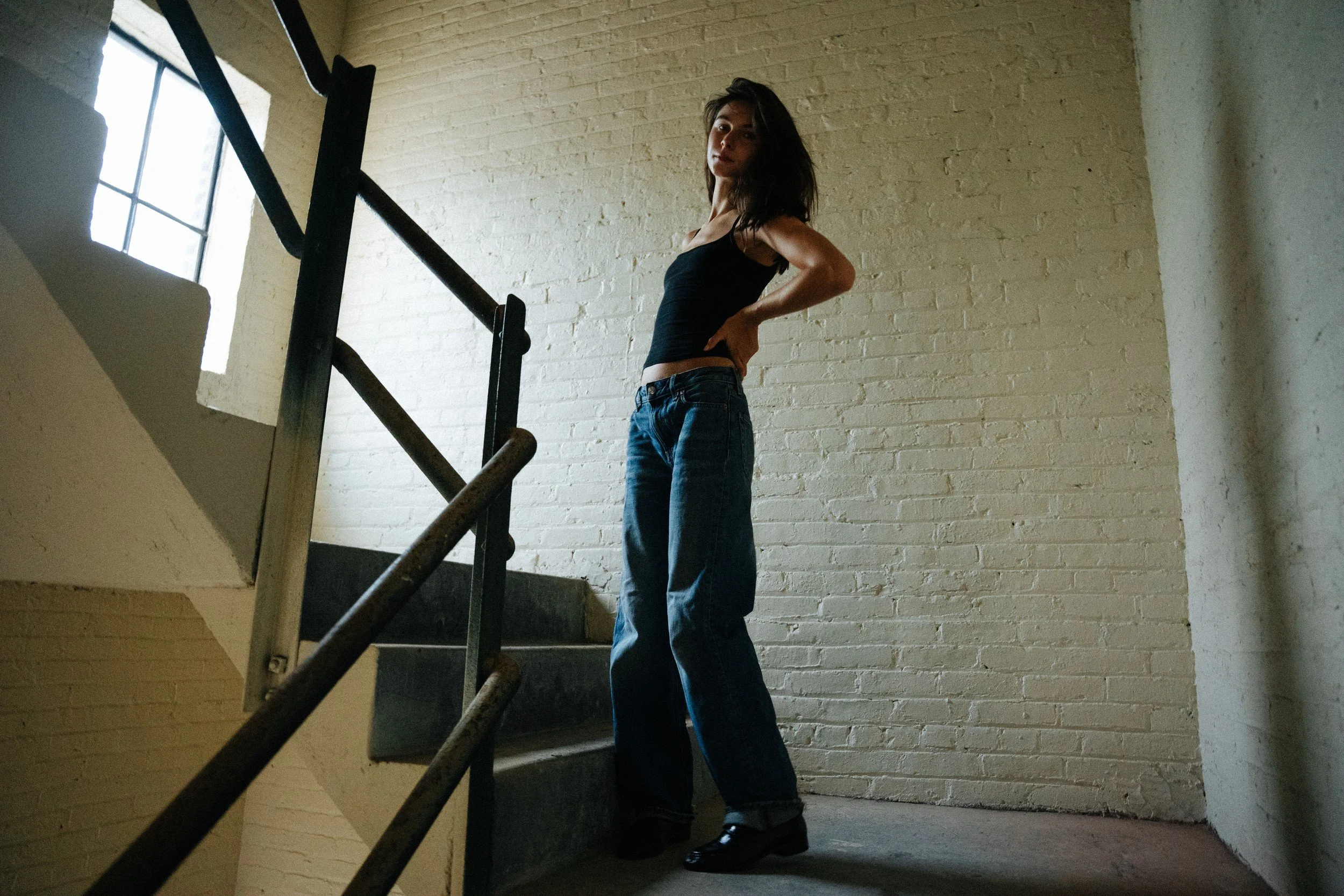
A simple outdoor background can provide texture without asking the viewer to decode a large scene. Marley's wider portrait shows how brick, clothing and posture work together. An interior offers different possibilities, such as the contained light and architectural structure in Amanda's photograph. My studio versus location portrait guide can help you compare those approaches before choosing a space.
Plan a crop that survives the design
Book-jacket space can be small, so the face needs to remain legible after the image is reduced. A large environmental portrait may work beautifully on your website and feel too distant beside a short printed biography. Consider making both a closer option and a wider companion instead of asking one crop to cover every use.
If the designer expects a particular shape, share it before the session. Leave enough flexibility around the head and shoulders for the intended layout, but do not assume unlimited cropping. Hands, hair and important background lines can be cut in awkward places. Review the portrait in the actual design when possible, not only full-screen in a gallery.
Choose clothes you can inhabit comfortably
Start with clothing you recognize as your own. Check how the neckline, layers and sleeves look while seated as well as standing. Texture can be useful in a portrait, but a prominent pattern or logo may become the first thing a reader notices. Try a second option that changes the tone without making you feel disguised.
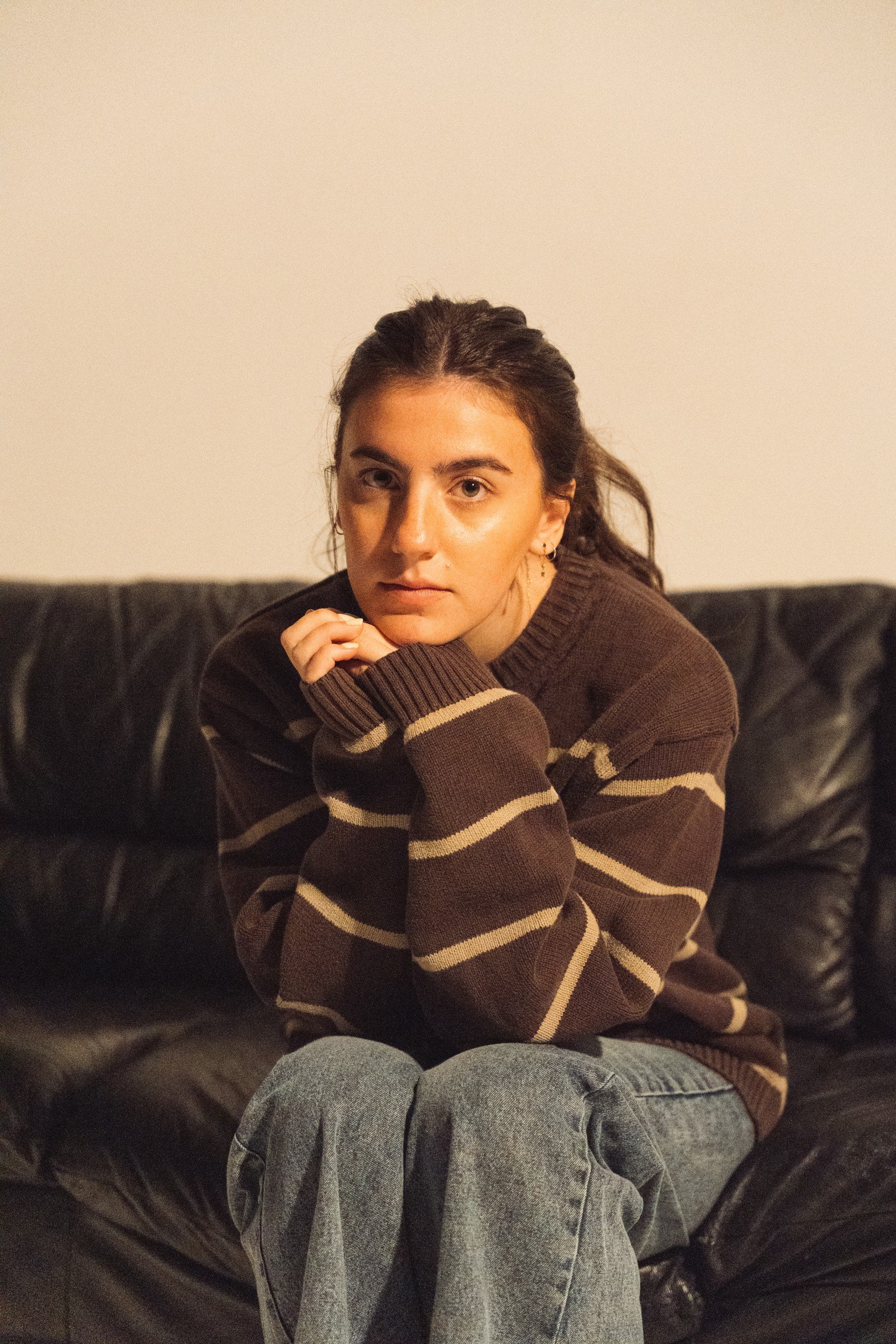
Small gestures can give the body somewhere to settle. Avery's seated portrait uses a hand near the chin and a relaxed position on the couch. As a composition example, it shows that a close introduction can have physical ease without looking accidental. There is no need to add a pen or open book unless it contributes something specific to the image.
Work backward from publication needs
Confirm the deadline for the photograph itself, which may be earlier than the book's publication date. Include any press, website or event requirements in the brief. If your publisher will select or approve the image, make that part of the process early and clarify who gathers the feedback.
Send these details with your inquiry:
- Your book or project and a short description of its tone.
- The intended placements and any publisher crop or file requirements.
- A sample layout, if available, and who approves the portrait.
- Your preferred session dates and the deadline for the finished photograph.
We can use that brief to discuss the portrait approach, usage, selection, and delivery. After the session, choose the image that works at the size a reader will see and still feels like you. My final portrait selection guide explains how to compare expressions and crops without losing that original purpose.