

Miami couples photos that feel romantic, not like a resort advertisement
Planning couples photographs in Miami? I am based in New York and open to travel; share your dates before building the session around a location. Explore couples and engagement stories or ask about miami dates and travel.
Miami couples photos can feel personal without becoming a beach advertisement. Build the session around how you interact, then choose the light, clothing, route, and setting that give those moments space. These photographs from my couples work show several ways to make that happen.
The short answer
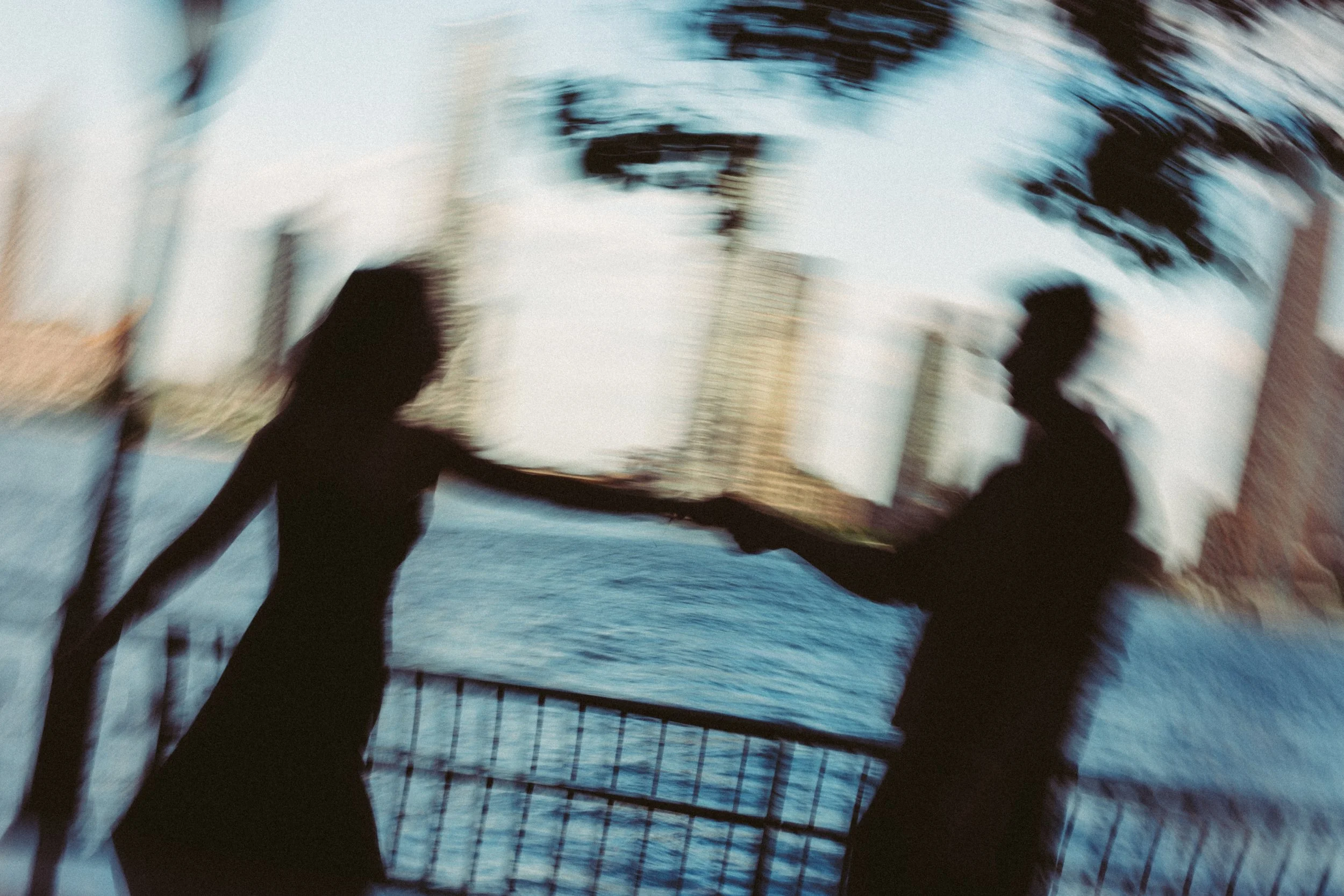
Start with something you enjoy doing together: a walk, a coffee stop, or a quiet moment by the water. Choose a compact route, clothes you can move in, and light that suits the mood. Confirm access and a nearby weather alternative, then give yourselves room to settle into the evening.
Let your connection lead the photograph
Look first at the interaction. Sophia and Mike's laughter makes this street photograph specific to them, even though the city remains visible. The aim is not to remove Miami from your photographs. It is to give the place a supporting role. Images from other sessions in this guide illustrate that approach without claiming to show a particular Miami location.
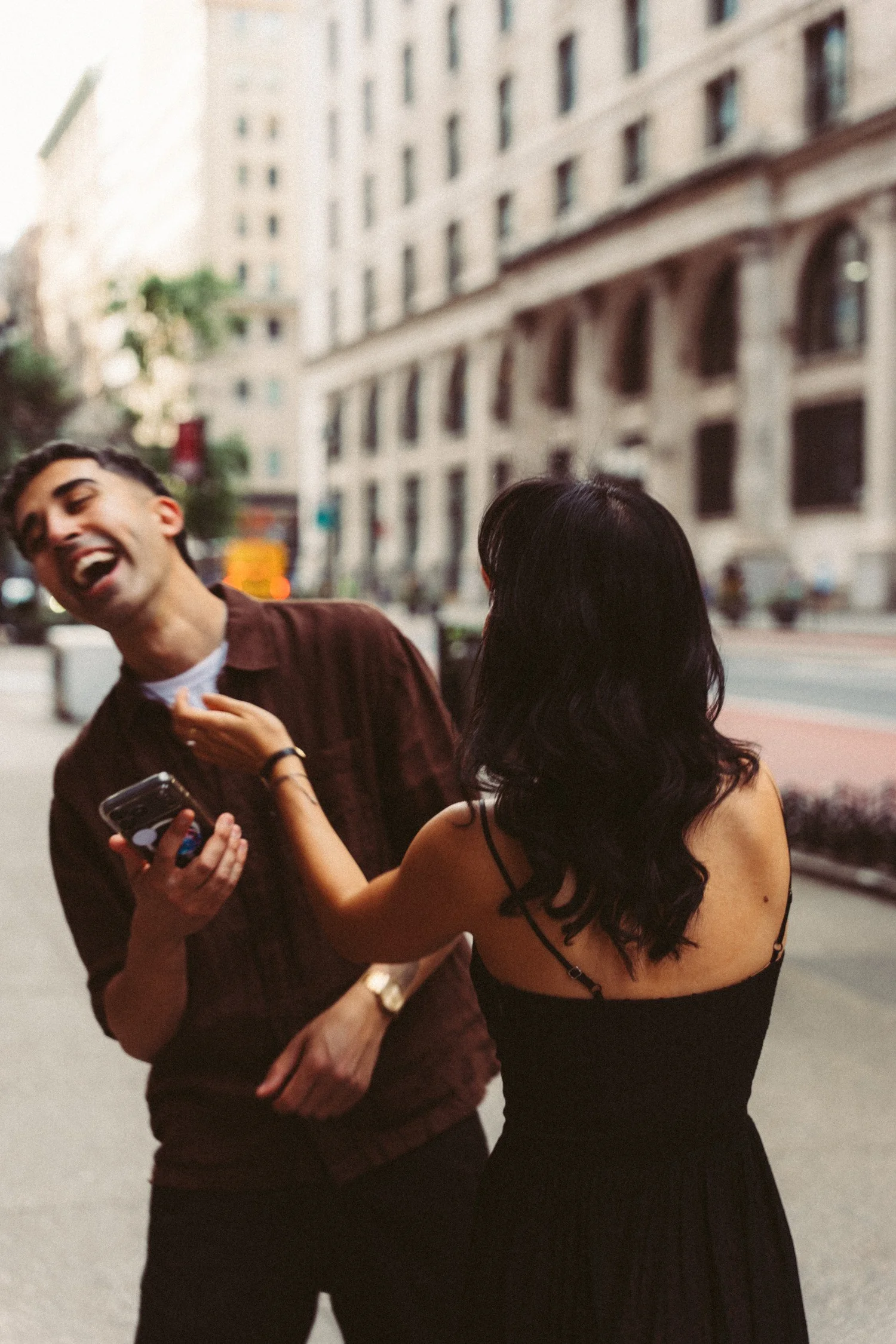
A Miami couples photographer should begin with behavior, not a destination checklist: shoreline, palms, hotel entrance, bright drink, posed embrace. Every element can announce “Miami,” yet another couple could be substituted without changing the idea. Relationship-specific photographs show who reaches first, how you walk together, or the expression that follows an inside joke.
Write down three ordinary things you enjoy together. Coffee, cycling, browsing books, cooking, sharing music, or walking all create usable actions. Add one or two meaningful details without turning the session into a prop display. The strongest detail is recognizable even if Miami disappears from the background.
Use Miami’s identity with restraint
Miami can enter through one pastel plane, an Art Deco curve, tropical foliage, sharp sun on concrete, a strip of ocean, or saturated neighborhood color. It does not need to enter through all of them. Choose one dominant visual language and let skin, expression, and touch carry the frame. A small palette and a clear composition help keep the focus on you.
Neighborhood context deserves care. A mural, storefront, café, or culturally specific street is not interchangeable décor. Get business permission, keep entrances clear, and understand what a place means before using it. One quieter block may say more than a famous, crowded wall.
Five settings beyond the automatic beach session
A compact neighborhood walk
A walking frame and a seated frame can feel very different without requiring a long transfer. Ash and AJ's photographs show how a change in activity affects the pace: first there is movement and space; then there is a more grounded pause. Pick a Miami route that permits both, with a comfortable place to stop and a practical nearby alternative.

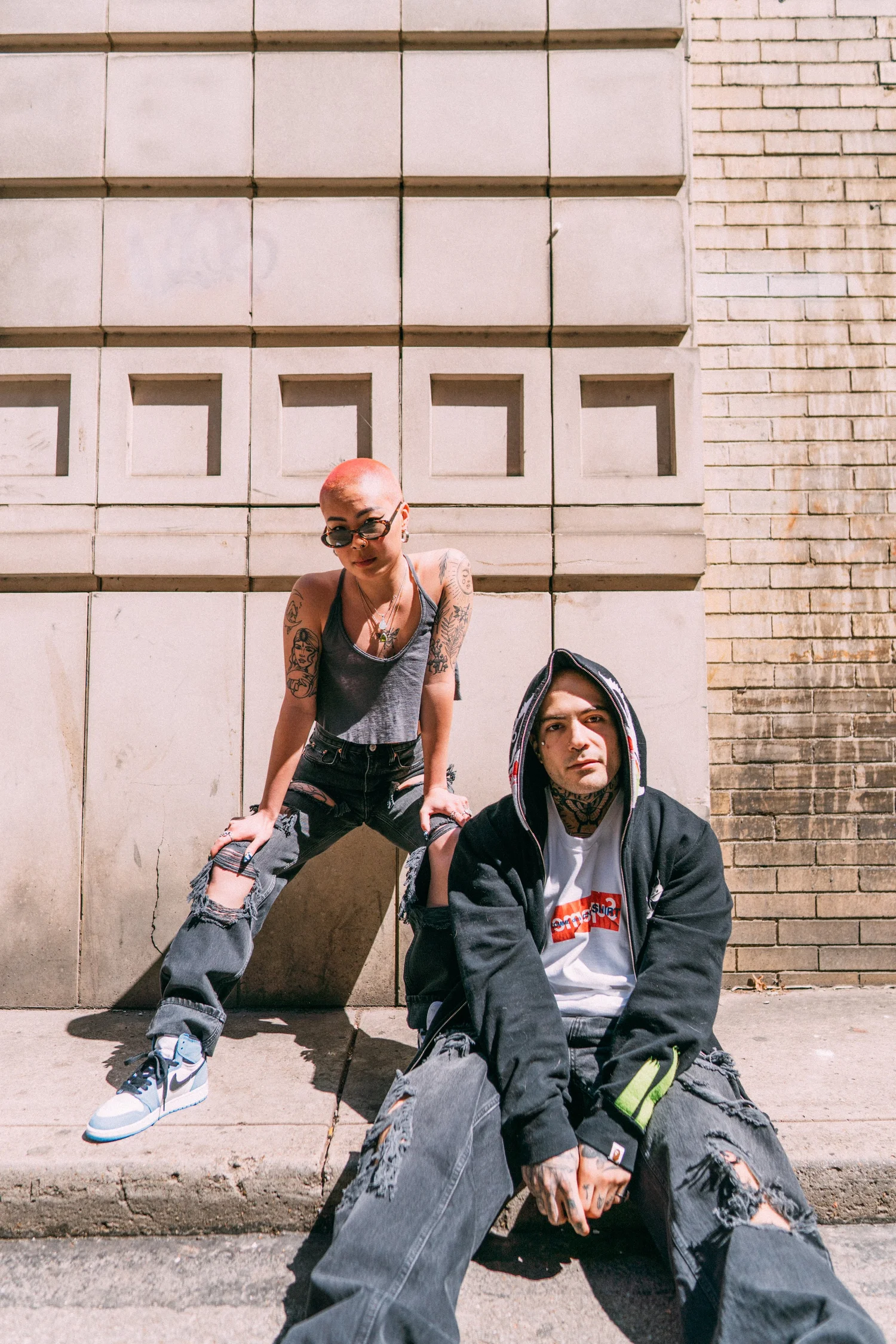
Choose a few connected blocks with shade, architecture, and places to pause. Walking creates conversation and repeatable movement while varied street textures provide range without a car transfer. Check public flow and ownership; visible courtyards, private steps, lobbies, and residential grounds still require permission.
A quiet natural environment
Foliage, a waterfront park, or a garden path can feel intimate without becoming a beach campaign. Check walking surfaces, shade, wind, public hours, and a nearby alternative. Managed gardens have their own policies. Vizcaya publishes portrait-photography permit information, so reserve and confirm it rather than treating it as a casual backdrop.
Home, studio, or a permission-based interior
An interior can become part of the visual plan from the beginning. These window-light photographs move between a close, luminous frame and a wider view of the room. The difference comes from distance and the shape of the light, not from asking the couple to become different people. Access and privacy need to be agreed with the owner before a private space becomes part of the session.
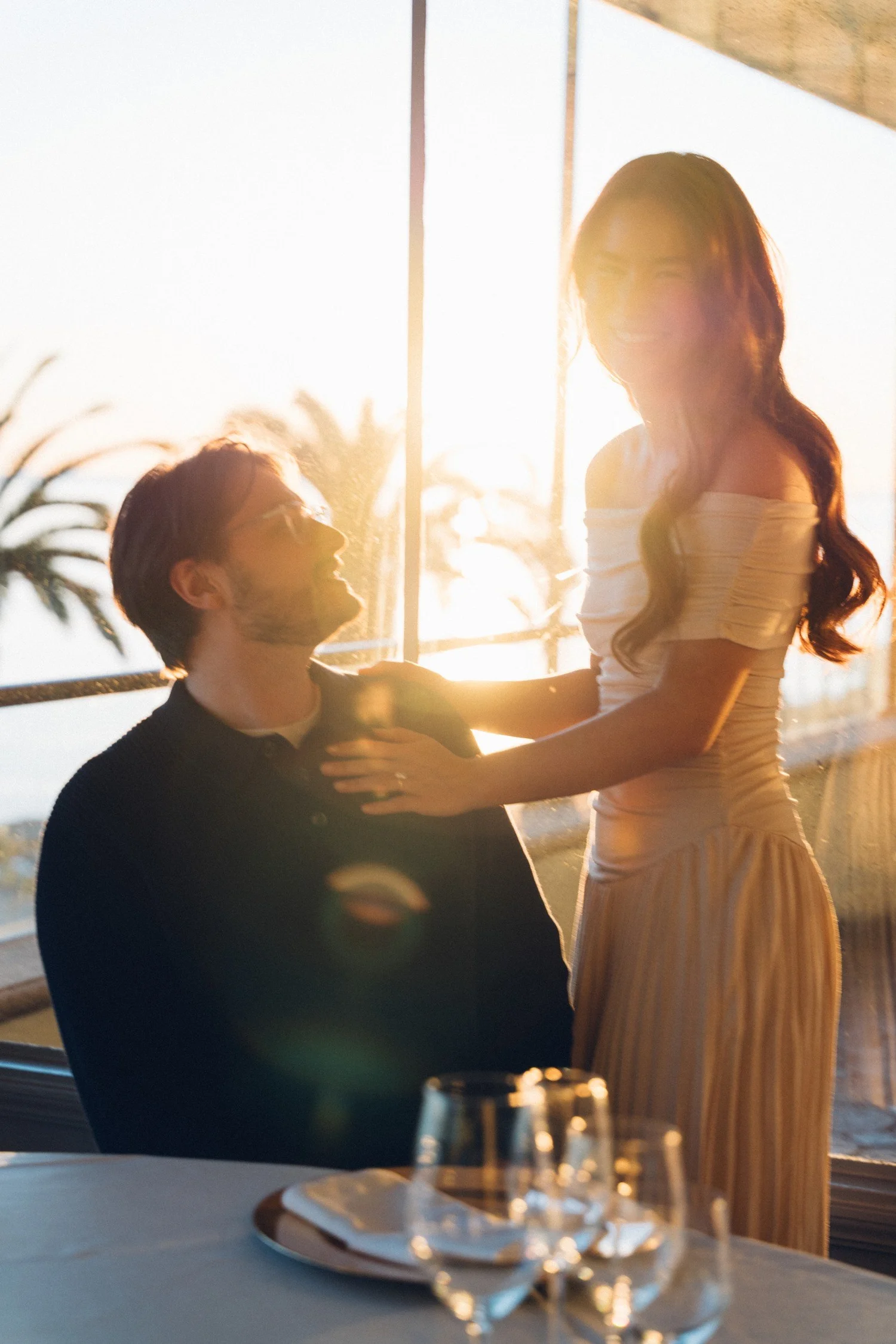
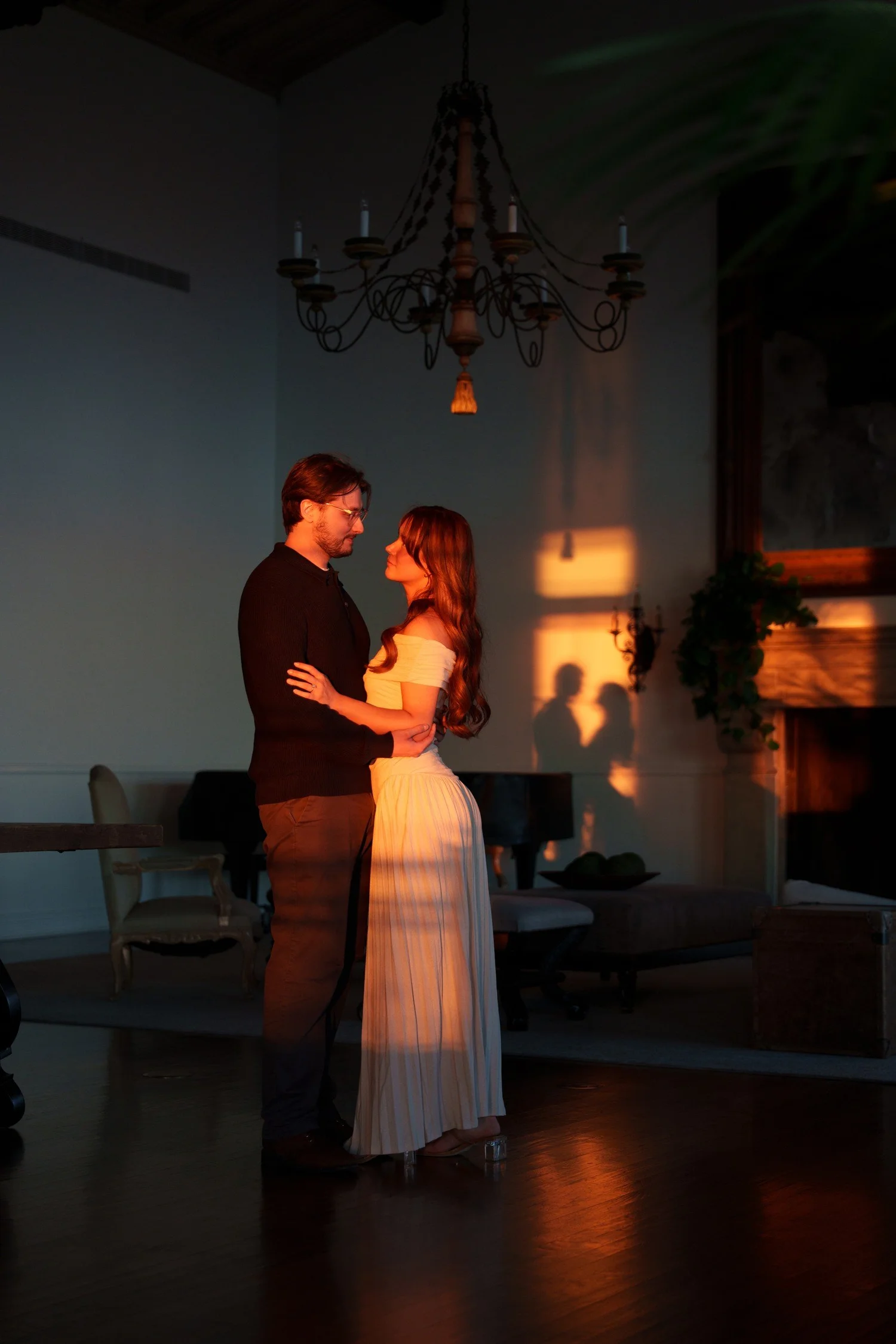
A home can hold specific rituals: making breakfast, choosing records, or sitting where the day usually ends. A studio offers privacy and reliable light; an approved hotel, rental, or restaurant may add atmosphere. Get written permission for interiors, common areas, equipment, and guests. Compare studio versus location portraits.
A small coastal chapter
If water matters, use it deliberately. A short shoreline walk or blue-hour sequence can be enough. Sand affects clothes, bright water reflects light, public beaches offer limited privacy, and conditions can change quickly. The beach can be one chapter rather than the session’s entire identity.
Your real meeting place
A favorite restaurant exterior, market, record shop, or coffee stop can locate the relationship in lived experience. Ask the business first, agree on timing and boundaries, buy rather than occupy, and keep the setup small. If interior access is declined, a nearby public walking route can preserve the ritual without implying permission that does not exist.
Sunrise and evening solve different problems
Sunrise can offer lower heat, a quieter public atmosphere, and light that develops as the city wakes. It also requires an early start, may conflict with property hours, and does not create automatic access. Evening usually fits dinner, nightlife, and a relaxed pre-session day; it can also bring heavier crowds, residual heat, and a narrow window before darkness. The right choice follows the exact setting and the couple’s energy, not a universal golden-hour rule. Use the outdoor portrait timing guide to compare light qualities.
Midday is not forbidden. Graphic shadow, covered walkways, deep building shade, and an interior can support it when hard contrast suits the concept. What matters is planning the angles rather than hoping the light becomes soft. A compact route should include shade and a place to pause so the session does not demand constant performance in heat.
Plan humidity, rain, wind, and comfort as part of the photographs
The National Weather Service describes South Florida’s wet season as warm and humid with frequent showers and thunderstorms. That is a planning tendency, not a forecast for a particular date. Check current official conditions, set a same-day decision time, and distinguish a light shower from lightning, flooding, or unsafe wind. A short dry window on an app is not a safety guarantee.
Humidity changes how fabric, hair, makeup, and energy behave. Choose a finish that can be refreshed, carry water and a small touch-up kit, and schedule pauses before anyone is depleted. Wind can make clothing and hair expressive, but only if the styling can move. Decide in advance whether to welcome texture or protect a precise look inside.
The backup must be named, approved, and close enough to use: a home, studio, rented daylight room, verified covered exterior, or a clear reschedule threshold. “We will find a hotel lobby” is not a plan. Neither is driving across Miami after rain begins. Keep addresses, approvals, contact numbers, parking or transit options, and the reduced route together.
Coordinate wardrobe without becoming a matching set
Coordination means shared visual logic, not identical clothes. Pick a palette of two or three compatible colors, then vary tone, texture, and silhouette. If the background is saturated, quieter clothing keeps attention on faces and gesture. If the setting is pale or architectural, one stronger color may create focus. Avoid two competing statement patterns unless visual tension is intentional.
Test whether both people can walk, sit, lean, and touch comfortably. Breathable fabrics, secure footwear, and layers that change the shape of an outfit work harder than multiple complete looks. Read the creative portrait wardrobe guide, then photograph the options together under similar light. Outfit changes need a home, studio, reserved room, or another explicitly permitted private place—not a public restroom or an assumed hotel space.
Direction should create interaction, not imitation
You do not have to spend every photograph looking at each other or at the camera. A detail can hold just as much connection. Here, hands and a ring become the subject. We can notice a gesture that already feels comfortable and change the camera distance, rather than introducing another performance.

Activity-based direction gives both people a shared task: walk toward a real point, trade places, choose music, prepare something simple, dance for one song, or tell the short version of a familiar story. The photographer can refine spacing, hands, and light while the couple keeps attention on each other. The guide to looking natural in photos explains why repeatable movement works better than freezing into a supposedly candid pose.
Pacing matters. Begin with an easy action, move into closer or quieter frames after trust develops, and leave room for resets. Public self-consciousness does not disappear because a location is beautiful. Choose a less exposed angle, keep equipment minimal, avoid blocking others, and agree on a signal for a pause. Privacy can be protected through a controlled interior, a quieter route, tighter framing, and fewer locations—not through promises of an empty public space.
Confirm access before the place becomes part of the dream
Check the requirements for the exact location before confirming the route. Miami Beach publishes Film & Print guidance; Miami-Dade Parks has its own permit process. Describe the actual session, including the people and equipment involved, to the relevant office or venue.
Identify whether the exact site belongs to Miami Beach, the City of Miami, Miami-Dade County, the state, or a private owner. Submit the real crew and equipment plan, confirm current hours and restrictions, and understand that permission usually manages the activity rather than reserving an empty background. Build a nearby alternative in case an event, closure, public crowd, or weather change makes the first angle unusable.
Miami couples-photography FAQ
Do Miami couples photos need a beach?
No. A neighborhood walk, quiet natural setting, home, studio, or approved interior can communicate Miami through light, color, materials, and atmosphere. Choose the beach only when water, openness, sand, or wind actually supports your relationship story.
What is the best time for Miami couples photos?
It depends on the setting and desired mood. Sunrise may reduce heat and public pressure; evening may fit social energy and warmer light. Confirm property hours, orientation, access, forecast, and the couple’s comfort before choosing either.
What happens if it rains?
Use the agreed decision time and named backup: an approved interior or covered setting, a shortened route, or rescheduling. Monitor official conditions and treat lightning, flooding, or severe wind as safety issues rather than aesthetic inconveniences.
How do we handle humidity?
Select hair, makeup, and breathable clothing that can be refreshed, carry water and a compact touch-up kit, and allow short pauses. If a precise finish is essential, begin or remain in a controlled interior instead of promising outdoor conditions will cooperate.
What if we do not know how to pose?
You do not need a pose list. Useful direction begins with movement, attention, conversation, and familiar activities, then makes small adjustments for light and composition. Tell the photographer what kinds of touch feel natural and when you need a reset.
Will we need a photography permit?
Possibly. Requirements depend on the exact jurisdiction, property owner, crew, equipment, and activity. Miami Beach, the City of Miami, Miami-Dade County, state property, and private venues have different processes. Confirm current rules directly before finalizing the route.
Where can we change outfits?
Use a home, studio, reserved room, or another private place where changing and photography access are explicitly allowed. Do not rely on a public restroom, car, café, or hotel lobby. One thoughtful layer change may provide enough variety.
Plan around interaction, then choose the Miami setting
Pick one activity that feels natural together and one quieter moment you want to remember. Sophia and Mike’s New York story is a useful reference for intimate gestures within a city session; use the approach as inspiration while choosing a setting that belongs to your own Miami plans.
Explore my couples, engagement, and wedding stories, and compare outdoor timing choices.
Share your Miami plans
I’m based in New York City and open to travel. Send your preferred dates or date range, where you will be staying, and the kind of evening you want to remember. We can discuss availability and travel arrangements before choosing the route.
If you are celebrating an engagement or planning a surprise proposal, mention that too so we can make room for the timing and details that matter.
Ask about a Miami couples session
Send your Miami dates, the neighborhood or venue you have in mind and the occasion. Include any confirmed access or fixed plans. We can discuss travel availability, the photography scope and a quote before you commit to a route.
Ask about Miami dates and travel · Explore couples and engagement stories
Continue planning with light, color and styling for Miami portraits.