

Miami portrait photos without the tourist look: a complete planning guide
Planning portraits in Miami? I am based in New York and open to travel; ask about your dates before committing to a location or production plan. Explore my portrait work or ask about miami dates and travel.
A Miami portrait should tell you something about the person as well as the place. Start with the color, light, clothing, and atmosphere you want, then choose a route that can support it comfortably. These photographs from my portfolio illustrate the decisions behind that process.
The short answer
Choose one setting, a small color palette, and a clear reason for making the portraits. Plan the light and a weather alternative, then leave time for close portraits as well as wider photographs of you in the surroundings.
Five choices separate a portrait from a souvenir
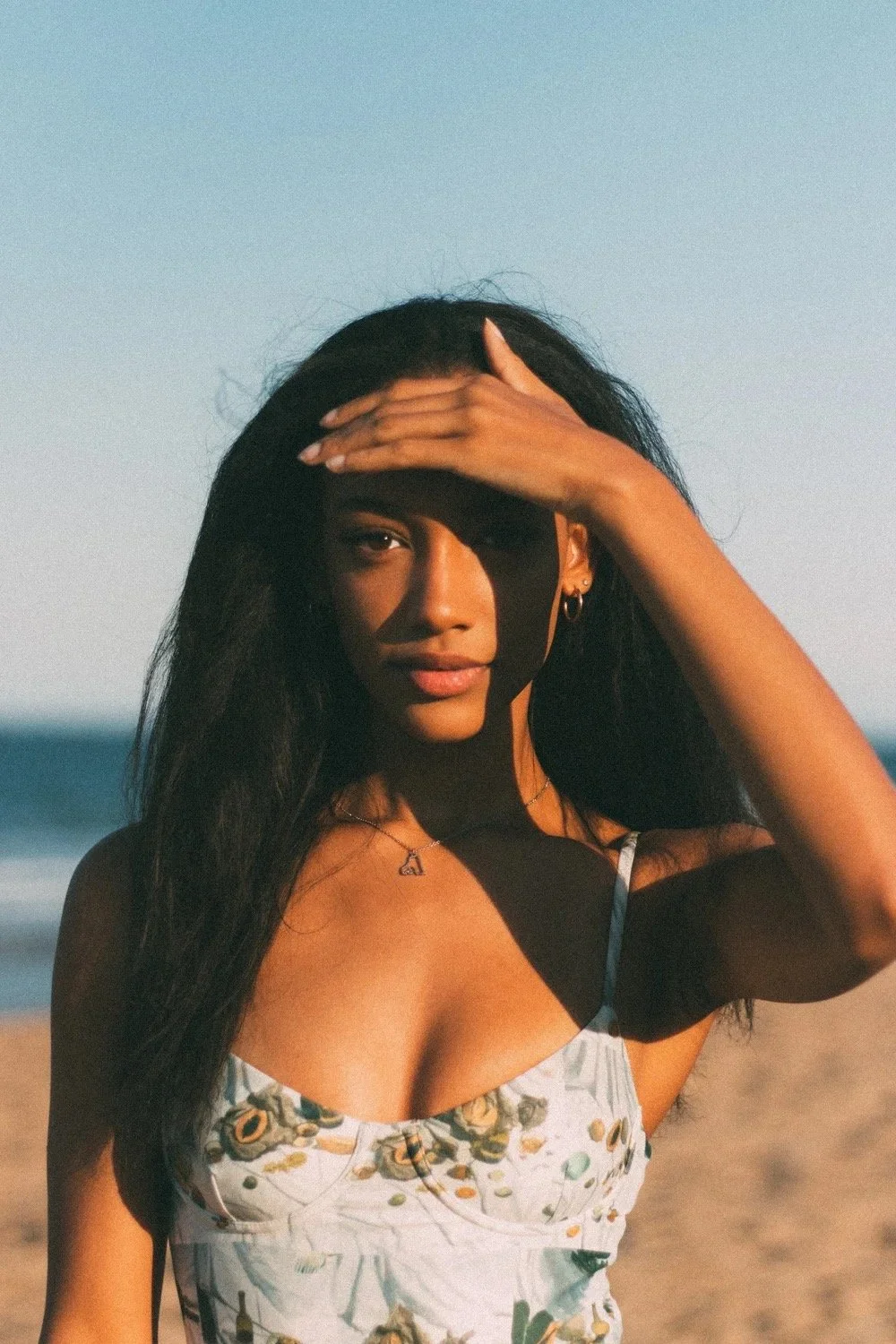
Decide what you want the viewer to notice first. Johnny's red dress leads one frame; Amanda's walking figure leads another. Both pictures include the city, but neither needs to explain everything about the location. The portfolio photographs throughout this guide are styling, light, and composition references from different locations. The Miami Beach stock photograph is credited separately.

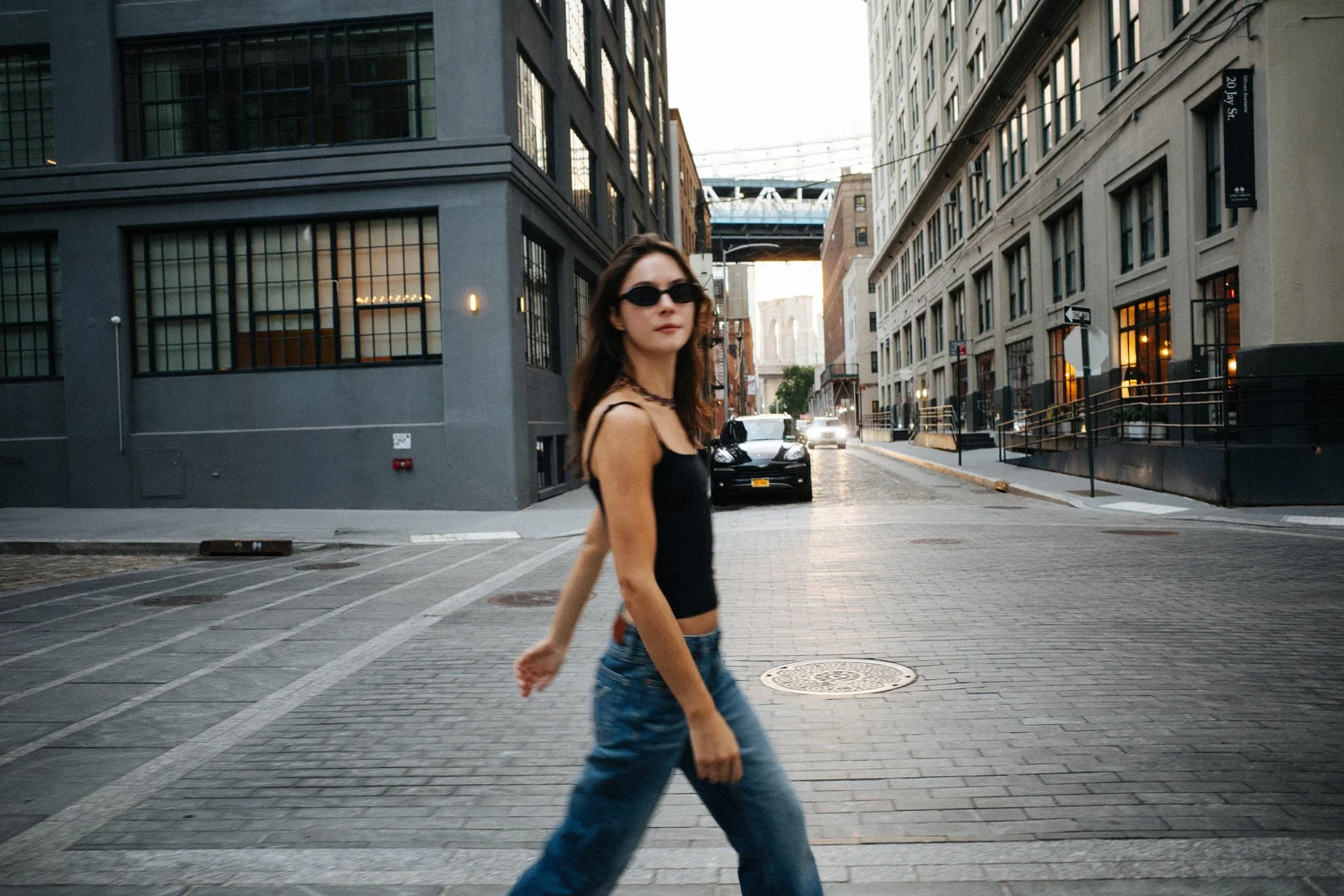
A Miami portrait photographer should make five choices before treating a location as a backdrop. Story decides what the person is doing and feeling. Color discipline keeps clothing, walls, foliage, sky, and skin from competing. Time controls light, heat, and crowd pressure. Framing determines whether Miami is context or the subject. Setting supplies the social and visual tone. Decide those in that order and the location stops being a checklist of attractions.
A useful brief might be “quiet confidence inside a vivid city,” “modern founder with warmth,” or “artist in a tactile neighborhood.” It should also say what to avoid: resort polish, spring-break energy, anonymous luxury, or postcard symmetry. The photographer can then choose when to show an establishing view and when to reduce the city to one line, reflection, or field of color.
Six Miami visual approaches
Art Deco and coastal
South Beach geometry, pastel facades, low-rise streets, and an open horizon can feel graphic rather than touristic when you commit to one or two colors. Use a tight architectural crop, shadow line, or quieter side street before a full facade. If the ocean matters, let it appear as texture or negative space instead of proof of arrival. City of Miami Beach public property has specific film and photography rules; a public view is not the same as reserved access.

Stock location reference: Miami Beach. Photo by Zoshua Colah on Unsplash, used under the Unsplash License.
This wide view includes beachgoers, buildings, rocks, and open water. For a portrait, decide which one of those elements supports the subject, then simplify the framing. The full skyline does not need to appear in every photograph.
Modern and architectural
Look for shapes that support the person rather than collecting impressive facades. A rail can lead the eye, and a window can frame a silhouette. In the portrait below, the angle and surrounding structure are active choices. Access to any comparable interior would need to be arranged for your own session.
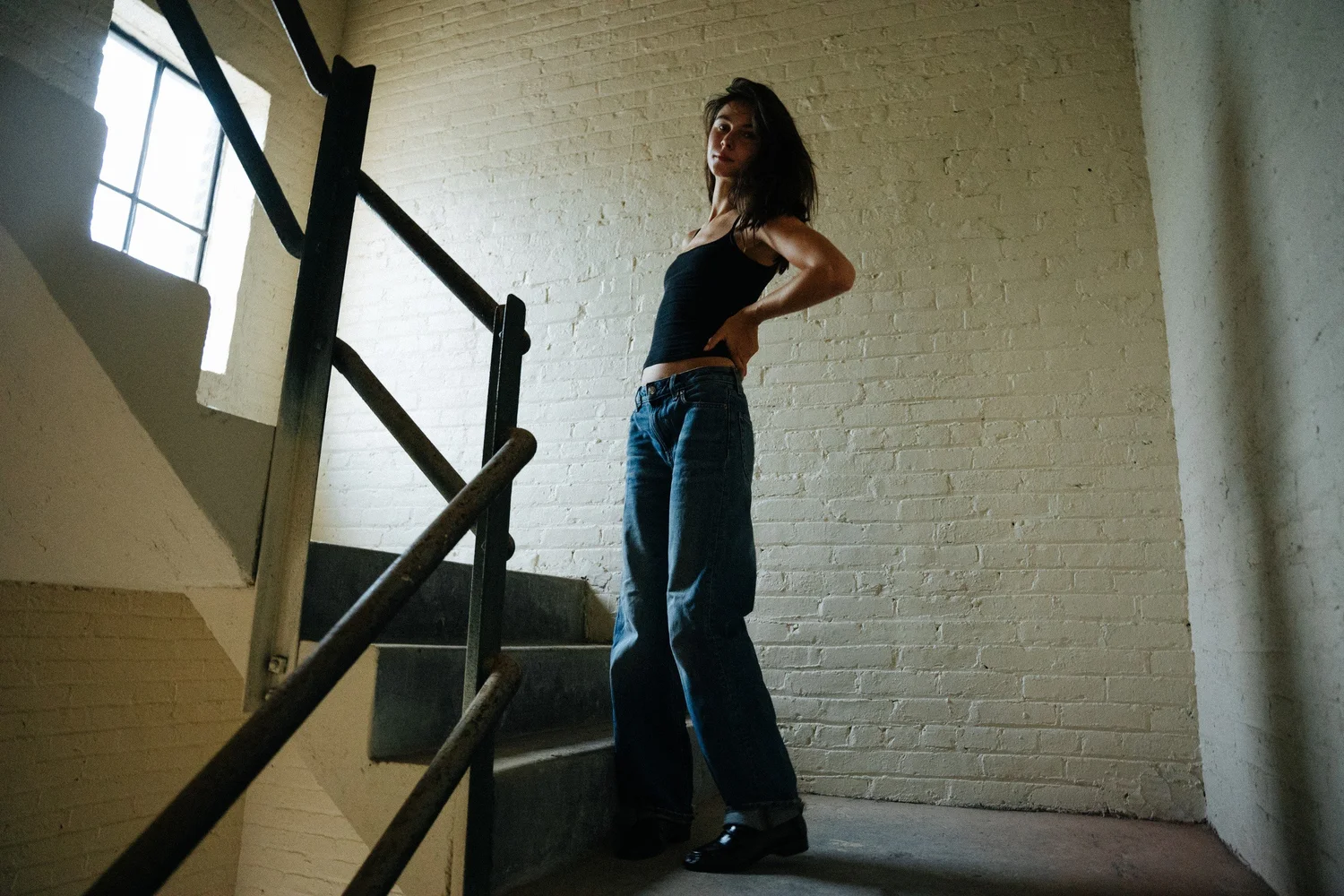
Downtown Miami and Brickell can support a precise, ambitious, or design-led portrait through glass, concrete, transit structures, and deep shade between buildings. Watch reflective surfaces: they can reveal crew, bags, traffic, or a bright patch of sky that dominates the face. A clear visual idea matters more than adding equipment. Lobbies, terraces, office entrances, garages, and rooftops are usually managed spaces, so secure permission or work from a verified public position without blocking circulation.
Colorful and street-based
Wynwood-area walls, Little Havana storefront color, and neighborhood signage can carry energy, craft, and cultural context. Avoid treating a community as a decorative theme. Choose a location because its scale, palette, and activity fit the portrait, then keep the person visually dominant. Businesses and artwork have owners; sidewalks can have permit rules; active storefronts need clear access. One saturated background plus a neutral look often reads more intentionally than several competing patterns.
Lush and natural
Greenery can become an abstract background rather than a recognizable destination. In Hannahbeth's photograph, movement turns the green surroundings into streaks of color. Use this as a mood reference if you like an image that feels loose and active; ask for a calmer frame as well if you want a varied final selection.
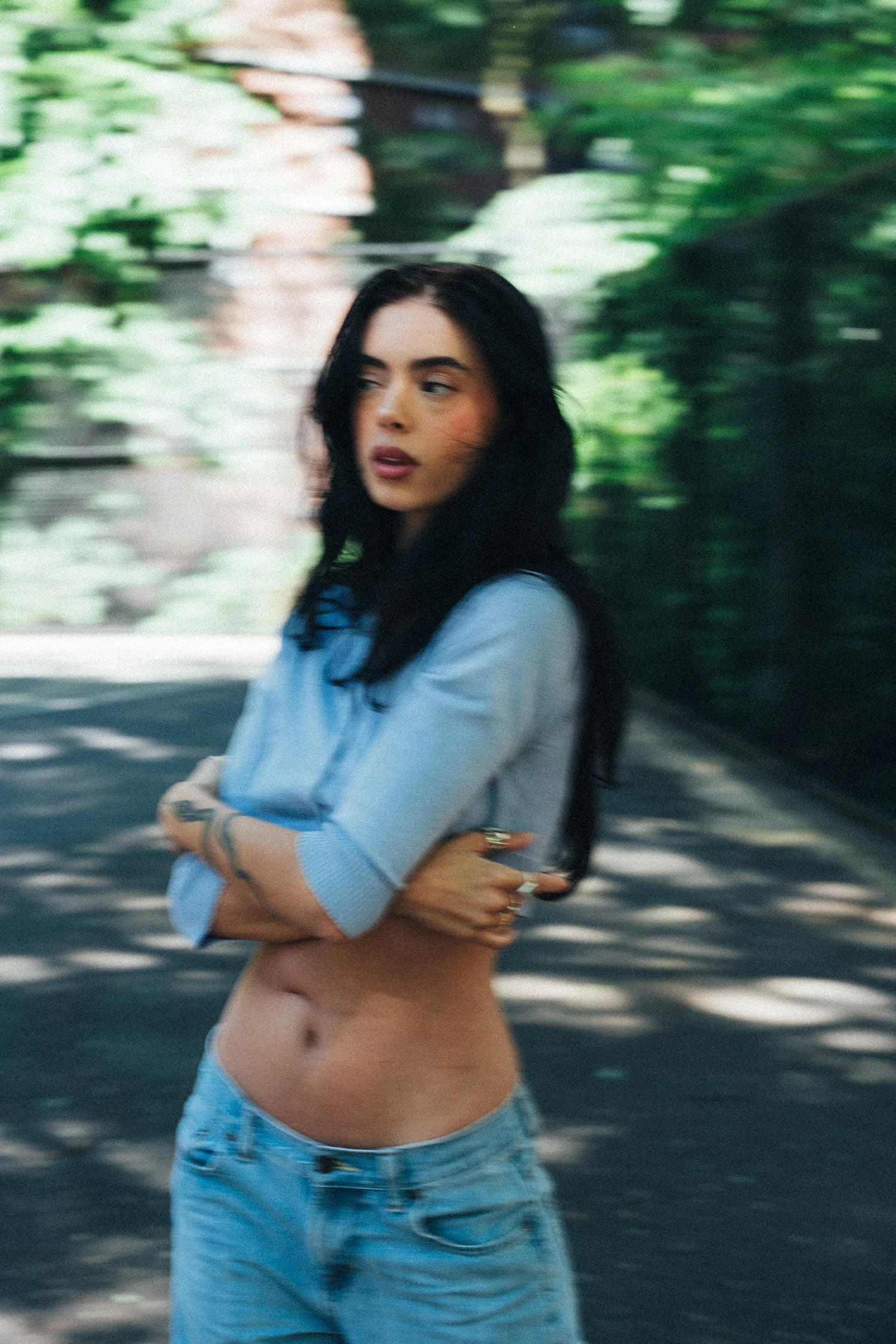
Foliage, spreading tree branches, garden texture, and waterfront parks can create intimacy without using a beach. Coconut Grove and managed garden settings offer different degrees of polish, but “green” does not mean unrestricted. Vizcaya, for example, publishes portrait photography permit information. For parks or beaches, identify whether the property belongs to a city, Miami-Dade County, the state, or a private venue before planning equipment or access.
Residential and intimate
A home, shaded porch, kitchen, courtyard, or quiet approved exterior can make the portrait about personality rather than destination. This is useful for writers, founders, performers, and anyone who needs space to settle. Use your property, a host’s explicit consent, or a rented location whose terms allow photography. Keep the frame personal with doorway light, seated conversation, hands, and objects that belong to the subject; do not manufacture an implausible Miami lifestyle.
Controlled and interior
A room can offer two very different directions. Tara's seated picture uses the chairs and angle to make an editorial composition; her window portrait is quieter and closer. The decision is about mood as much as weather. Choose an interior whose light, privacy, and permitted use fit the session.
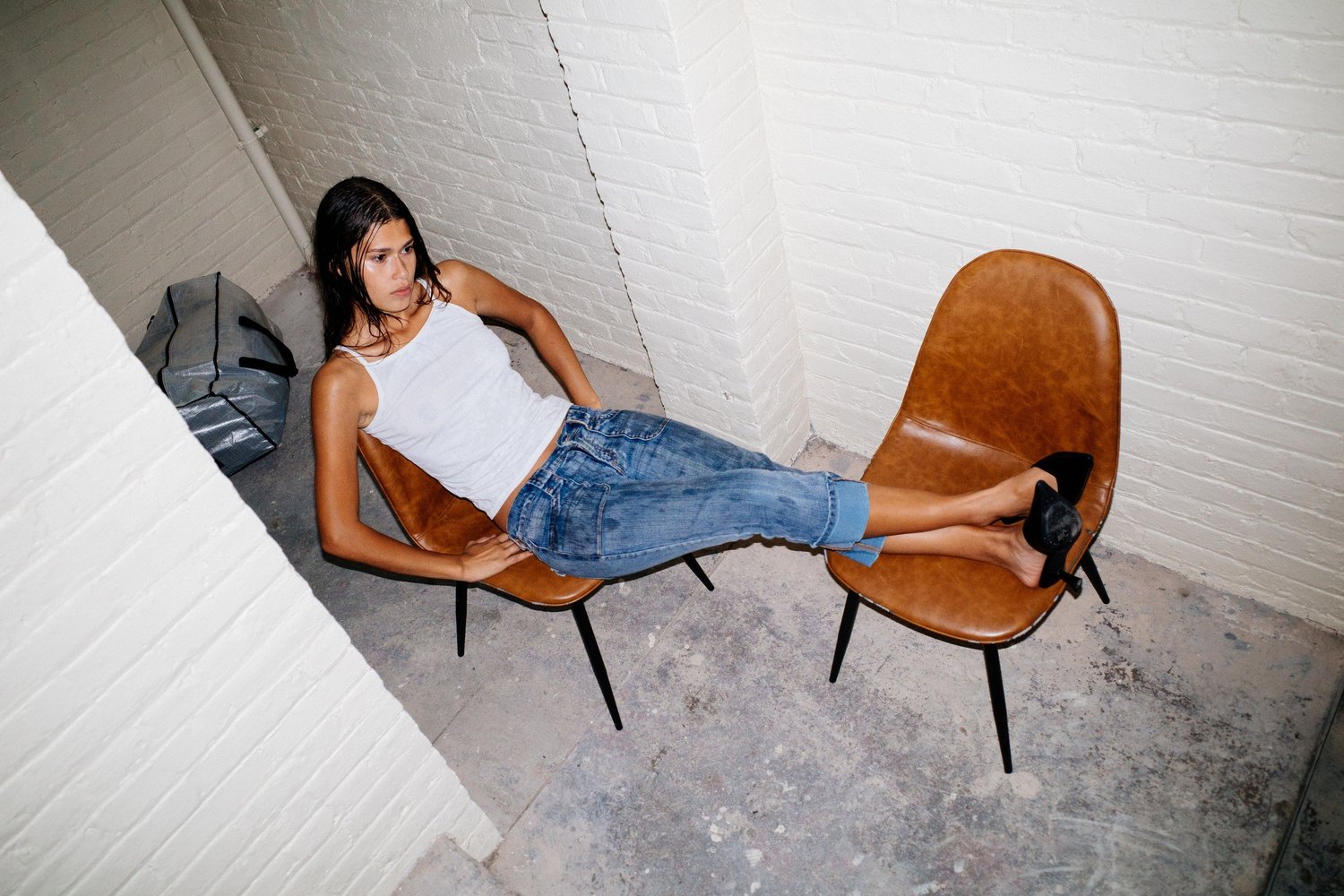
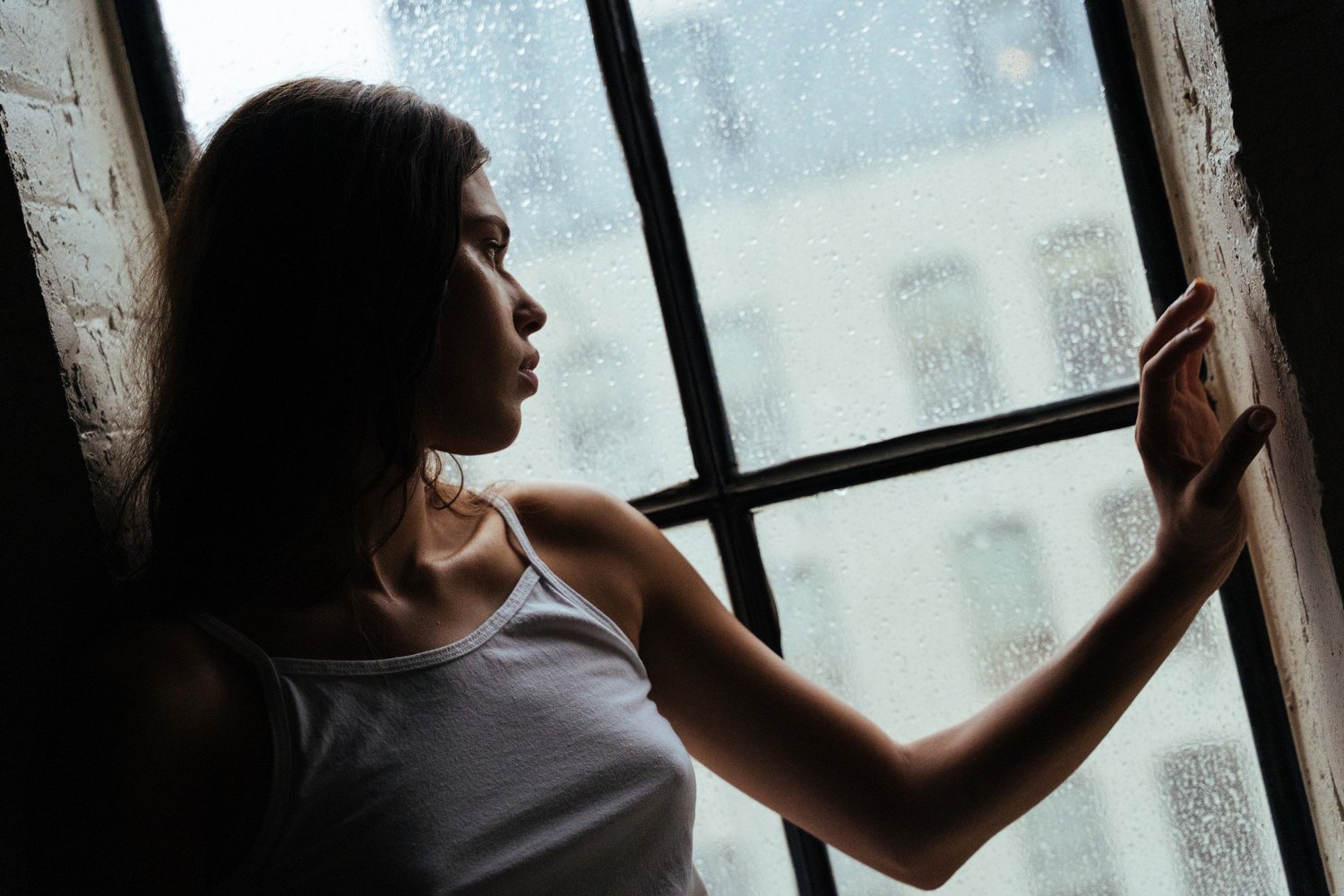
A studio, approved hotel interior, rental space, or daylight room protects a tight visual brief from wind, severe sun, and a passing storm. It also simplifies hair adjustments and clothing changes. The tradeoff is less immediate sense of place, although color, window light, materials, and one exterior transition can retain Miami context. Read the comparison of studio and location portraits before treating either as a default.
Tourist cliché versus intentional alternative
Every landmark versus one visual argument
Cliché: moving from mural to hotel to beach so each image proves a different Miami attraction. Alternative: choose one neighborhood, one palette, and two nearby textures. A sequence of close, medium, and environmental frames will feel richer than a route built around recognition.
Beach uniform versus wardrobe with purpose
Cliché: resort clothing because the location is warm. Alternative: dress for the role the portraits must communicate, using breathable, movement-friendly fabrics and a deliberate silhouette. Review what to wear for a creative portrait session, then test how the colors behave against the actual background.
Perfect posing versus directed attention
Cliché: repeating a fixed smile toward every landmark. Alternative: vary attention, pace, and gesture: walk with a destination, respond to a prompt, pause in shade, then make a direct portrait. These techniques for looking natural in photographs are more durable than a collection of poses.
Design the session around Miami conditions
Strong sun can create crisp color and hard shadow, but it narrows flattering angles and makes pale paving, glass, water, and white walls act as reflectors. Open shade or lower sun offers more flexibility. Use the guide to the best time of day for outdoor portraits to match light to the intended mood, not to assume that one hour works everywhere.
Humidity affects comfort, fabric, makeup, and hair, so build adjustment time and bring tools for the style you actually want. Wind near the water changes hair, clothing, and sound; decide whether movement belongs in the concept. Carry outfits in breathable garment bags or compact cubes, keep a small towel and water accessible, and choose a legitimate changing location rather than relying on a car or public restroom.
The National Weather Service describes South Florida’s warm, humid wet season as a period with frequent showers and thunderstorms. Historical tendencies are not a session forecast. Keep an approved indoor or covered backup, define when the weather call will happen, and be ready to shorten or reverse the route. A bright gap on an app is not a guarantee against lightning or sudden rain.
Crowds and transport deserve the same discipline. Do not build a minute-tight itinerary around a trolley, rideshare, or parking search. Keep the route compact, verify current service, and carry only what can move with you. For County public property, consult Miami-Dade Parks permit guidance; for private interiors, get written venue permission and clarify where equipment, wardrobe, and people may go.
A complete Miami session-day checklist
Story: one-sentence intention, reference palette, priority crops, and final image uses.
Access: exact property owner or jurisdiction, permit or venue approval, hours, fees, and restrictions confirmed.
Route: meeting point, legal parking or current transit plan, walking distance, crowd expectations, and travel buffer.
Weather: same-day forecast, heat and lightning awareness, wind check, rain decision time, and a named covered or interior backup.
Wardrobe: breathable coordinated looks, comfortable walking shoes, compact transport, wrinkle plan, and a verified changing place.
Grooming: water, towel, blotting option, hair tools, mirror, and touch-up time without promising humidity will disappear.
Frames: direct profile portrait, close detail, vertical and horizontal crops, negative space, full-length view, movement, and one environmental anchor.
Contingency: phone numbers, reservation details, approval records, reduced route, and a clear reschedule or stop rule.
Miami portrait-planning FAQ
Do Miami portraits need a beach?
No. Architecture, street color, foliage, a home, or a controlled interior can communicate Miami through light, materials, and atmosphere. Use the beach only when openness, water, wind, or coastal movement belongs to the subject’s story.
What is the best time for Miami portraits?
The best time depends on the location and desired light. Lower sun is often easier for flexible angles; midday can work for deliberate hard shadow or deep architectural shade. Check the specific orientation, crowd pattern, access hours, and current forecast before choosing.
What happens if it rains?
Agree in advance on a decision time and alternatives: an approved covered or indoor location, a shorter route, a rain-responsive concept, or rescheduling. Lightning and flooding risk are different from a light shower, so use current official weather information rather than a fixed seasonal assumption.
How should I plan for humidity and hair?
Choose a hairstyle and products that can be maintained, pack a small touch-up kit, and schedule adjustment time after outdoor movement. A controlled interior can protect a precise look. If texture and motion suit the concept, design around them instead of fighting every change.
Will a Miami portrait session need a permit?
It may. Rules differ among Miami Beach, the City of Miami, Miami-Dade County, state property, and private venues, and can depend on crew and equipment. Confirm the exact jurisdiction and property owner; never assume a public beach or visible lobby is freely available.
How many locations should we use?
One compact area with several compatible backgrounds is usually the strongest plan. It preserves energy, light, and visual consistency while reducing outfit transport and weather exposure. Add a second location only when it contributes a necessary story or controlled backup.
Bring a clear portrait brief
Name the main use for your portraits, two visual qualities you want, one location type, and an indoor or weather alternative. Add a comfortable outfit and the time you can realistically arrive. A useful brief is more specific than a list of landmarks: it explains what the background and light should contribute.
Explore the portrait portfolio for visual references, then read how to choose final portrait photographs.
Ask about travel and availability
I’m based in New York City and open to travel. Send your Miami dates, the purpose of the photographs, and the location you are considering. We can discuss availability, travel arrangements, and a session plan before you reserve a venue or commit to a route.
Ask about your Miami portrait plans
Send your Miami dates, intended image uses, location ideas and a few visual references. Include any venue access already confirmed. We can discuss travel availability, session scope and a quote before making a detailed plan.
Ask about Miami dates and travel · Explore my portrait work
Continue planning with Miami couples photographs and personal session ideas.