

Los Angeles couples photos: beach, downtown, hills, or home?
Barefoot at the beach, dressed up downtown, or close to home: choose one setting that feels like the two of you, then build a realistic LA route around it.
Found a Los Angeles setting that feels like the two of you? Share your dates and location ideas so we can discuss travel availability and a practical session. Explore Los Angeles couples photography or ask about la dates and travel.
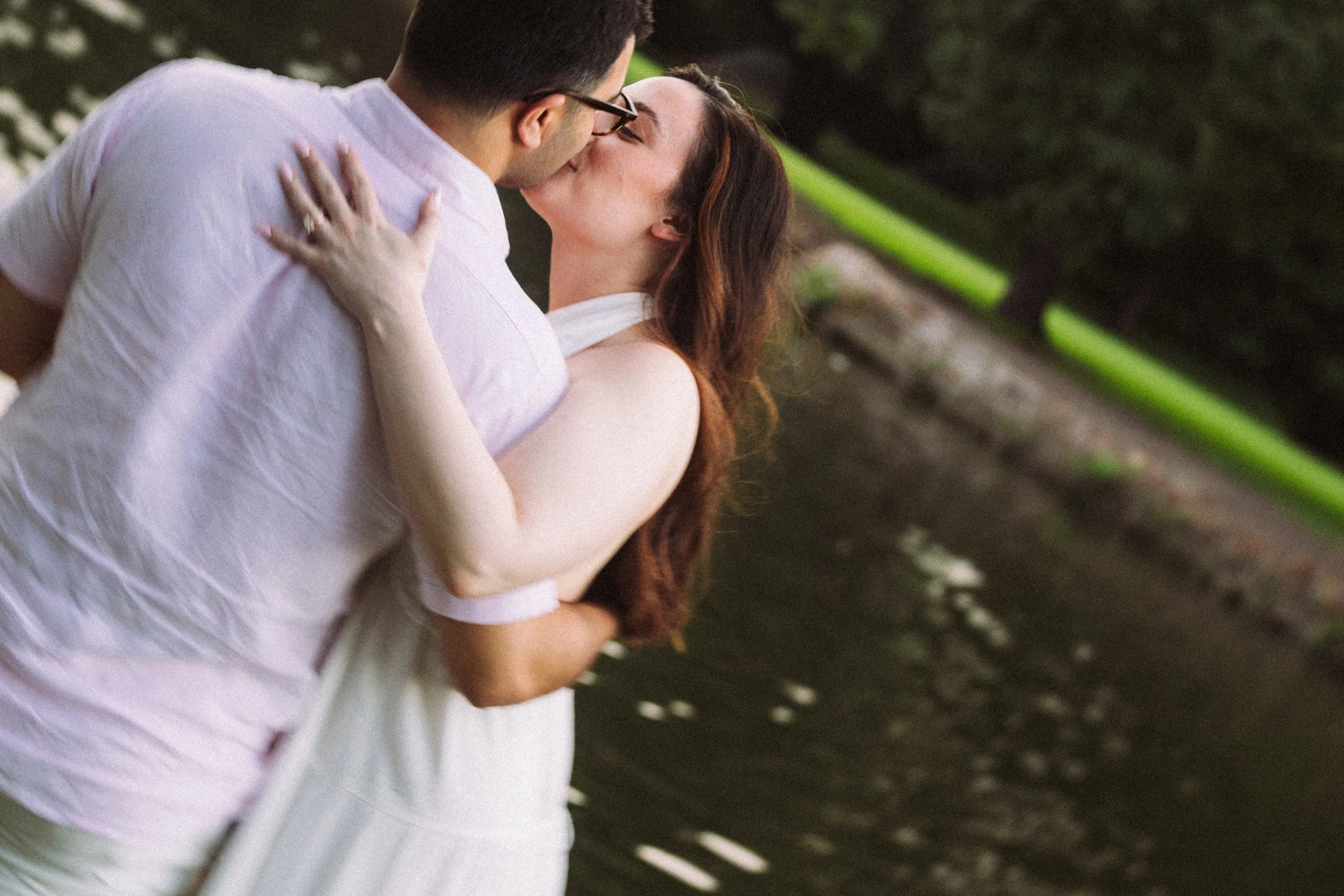
Choose your Los Angeles couples-photo setting around how you spend time together. Beach, city, hills, a neighborhood walk, or an approved interior each gives the session a different pace. The photographs below are examples from my couples work that help translate those choices into a visual plan.
The short answer
Choose one Los Angeles environment that matches how you actually spend time together and the visual feeling you want. Compare beach, architecture, hills, neighborhood streets, and home by privacy, light, permission, travel, parking, clothing, and weather. Add a second setting only when it changes the story without turning the session into a commute.
Begin with behavior, then choose the scenery
If your favorite shared moments happen while moving, start with a setting that gives you room to walk. If you prefer sitting and talking, choose a place where a pause feels natural. These photographs are session inspiration from my portfolio; they are not presented as photographs of the Los Angeles locations discussed below.

A Los Angeles couples photographer should start by naming two things with you: what you naturally do together and how the photographs should feel. If you walk and talk, a compact street route gives that behavior somewhere to happen. If your shared evenings are quiet, an approved home may hold more truth than an overlook. If you want graphic, energetic frames, architecture can help. “Romantic” is too broad to make a useful decision; “windswept and expansive” or “private and observant” is specific enough.
Also decide how visible you want to feel. A busy sidewalk can loosen one couple and make another monitor every passerby. Privacy is not just a crowd count; it changes expression. If the camera itself is the worry, practical direction for relaxed photographs matters more than finding a supposedly secret location.
Beach: open, kinetic, and exposed
An open setting makes small gestures more visible because there is less around them. You do not have to fill that space with bigger poses. A close photograph of hands can sit beside a wide coastal frame and bring the story back to the two of you. Think about wind, sand, clothing, and how far you want to walk before committing to the coast.

Beach photographs work when you want horizon, wind, walking, and a sense of physical space. They suit bare feet or footwear that tolerates sand, clothes that can move, and partners comfortable with hair and fabric behaving unpredictably. Privacy is limited on public sand, while wind, bright reflection, tides, marine cloud, and cold after sunset can reshape the mood. A boardwalk edge or sheltered coastal street can be a better backup than pretending every beach condition is usable.
“The beach” is not one permission zone. Santa Monica includes commercial still photography on beaches, parks, the pier, streets, and beach lots in its public-space permit guidance. State beaches follow the California Film Commission and park-coordinator process; other stretches may involve County or City rules. Identify the exact owner and current restrictions before treating sand or a parking lot as available. For light and cloud trade-offs, compare location-specific LA engagement timing.
Downtown and architecture: graphic, active, and public
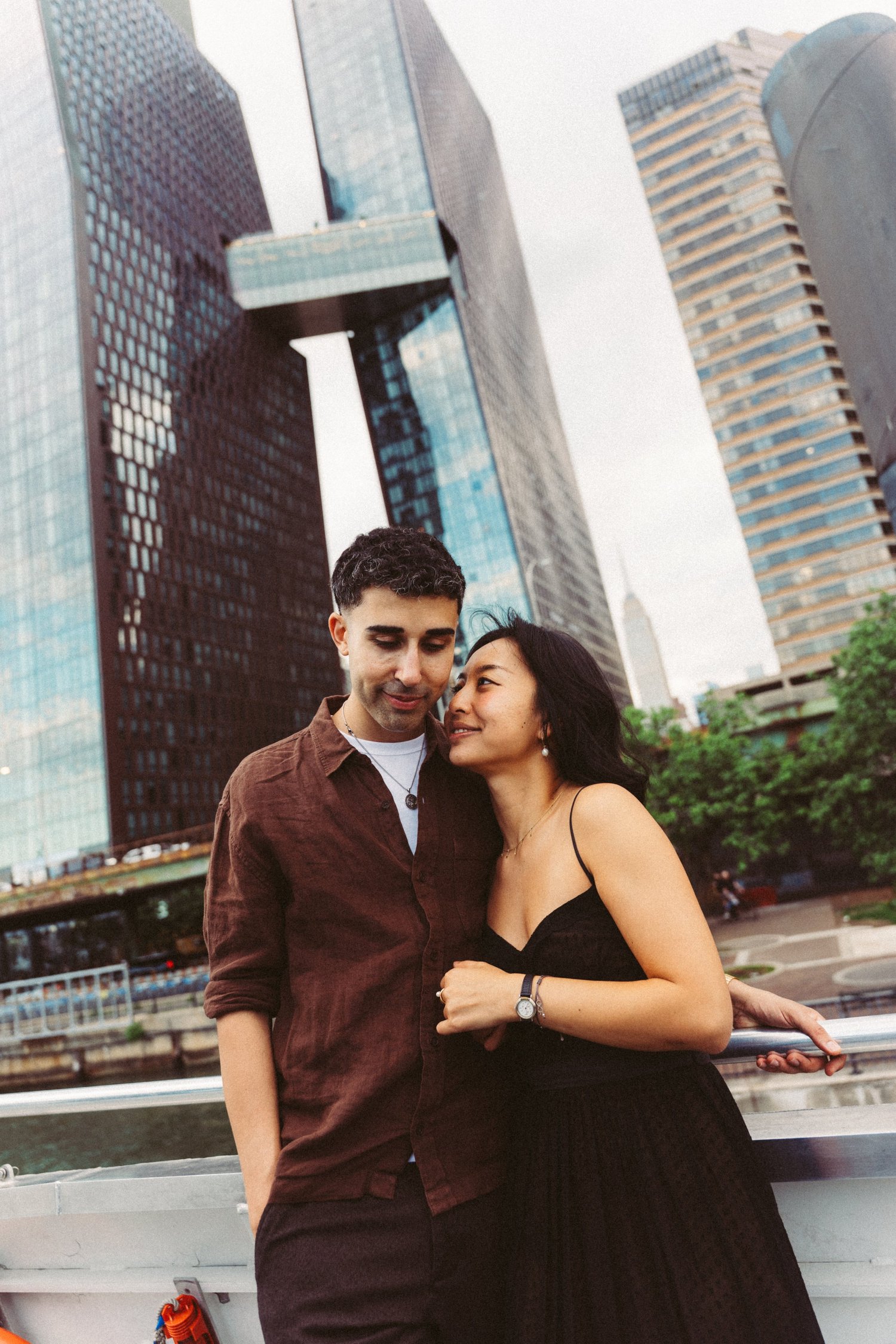
The architecture in Sophia and Mike's photograph supplies height and scale, while their bodies stay close. This New York example shows a compositional idea that also works when planning a Los Angeles city session: give the buildings a clear role, then keep the couple visually readable.
Downtown LA can give hard lines, reflective glass, concrete, civic scale, storefront light, and movement. It fits couples who want the city to feel present rather than softened away. Midday can be useful here when a facade creates clean shade or when direct sun is part of the graphic idea. The same environment brings pedestrians, deliveries, building security, events, and traffic. A compact two- or three-block loop is more resilient than a list of famous structures.
Publicly visible does not mean freely available for a commercial session. FilmLA’s City of Los Angeles guidance says commercial on-location work in City jurisdiction requires a temporary-use permit on public and private property. Private plazas, interiors, rooftops, and businesses also need owner approval. Plan legal parking rather than a quick curb stop: LADOT explains that red curbs prohibit stopping, parking, and standing, and posted signs can add restrictions regardless of curb color.
Hills and nature: quiet in tone, not automatically private
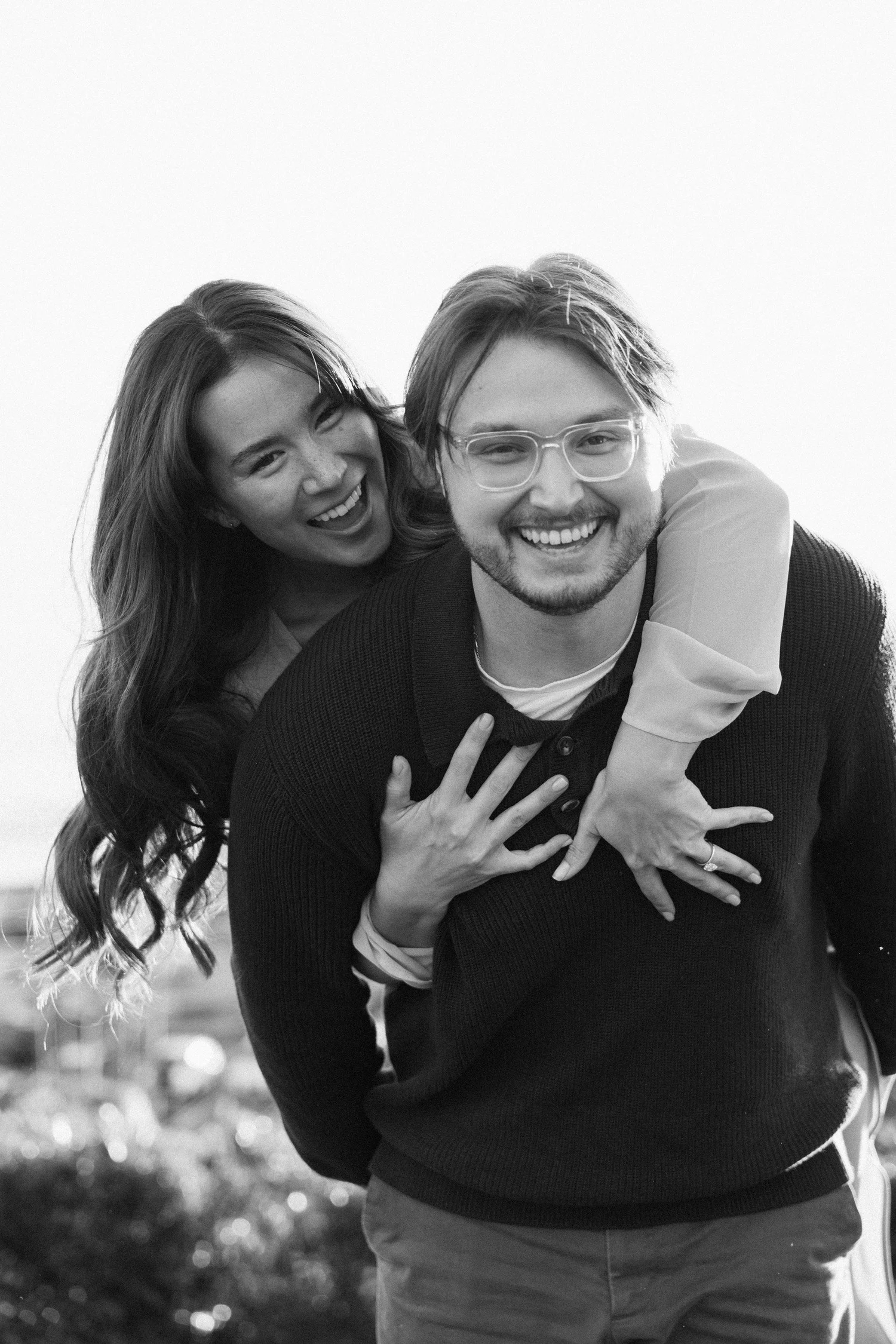
A soft background and a close crop are enough to make the two people the center of a photograph. The laughter in Hannah and Garrett's frame gives it energy without needing a landmark. When planning a nature route, make sure the walking and weather suit the interaction you want; a long climb is not a useful requirement for everyone.

Stock location reference: Griffith Observatory and the surrounding hillside. Photo by Ale (@goodguyale) on Unsplash, used under the Unsplash License.
The hillside and open sky show the scale a wider LA composition can include. Use this as a landscape reference when discussing your route, rather than a promise of private access or a particular portrait viewpoint.
Trails, dry grasses, broad views, and layered ridgelines can make a session reflective or cinematic. They reward walking and wider compositions, but the practical costs are real: uneven ground, limited shade, wind, heat, hikers, changing visibility, and sometimes a long approach from legal parking. Choose shoes that can safely reach the location, then change only if there is a legitimate private place. Carrying formal wardrobe up a trail can drain the ease the setting was meant to create.
Park ownership changes the process. LA County Parks says a professional photographer making wedding or special-occasion pictures needs a FilmLA permit and should confirm scheduling with the relevant reservations office. Its current permit guidance also limits filming activities to weekdays and requires additional coordination for natural areas. City parks, State property, and federal land use different rules. A nearby lower-elevation exterior or an agreed reschedule threshold is a more credible weather backup than another distant overlook.
Residential streets: familiar scale without borrowed intimacy
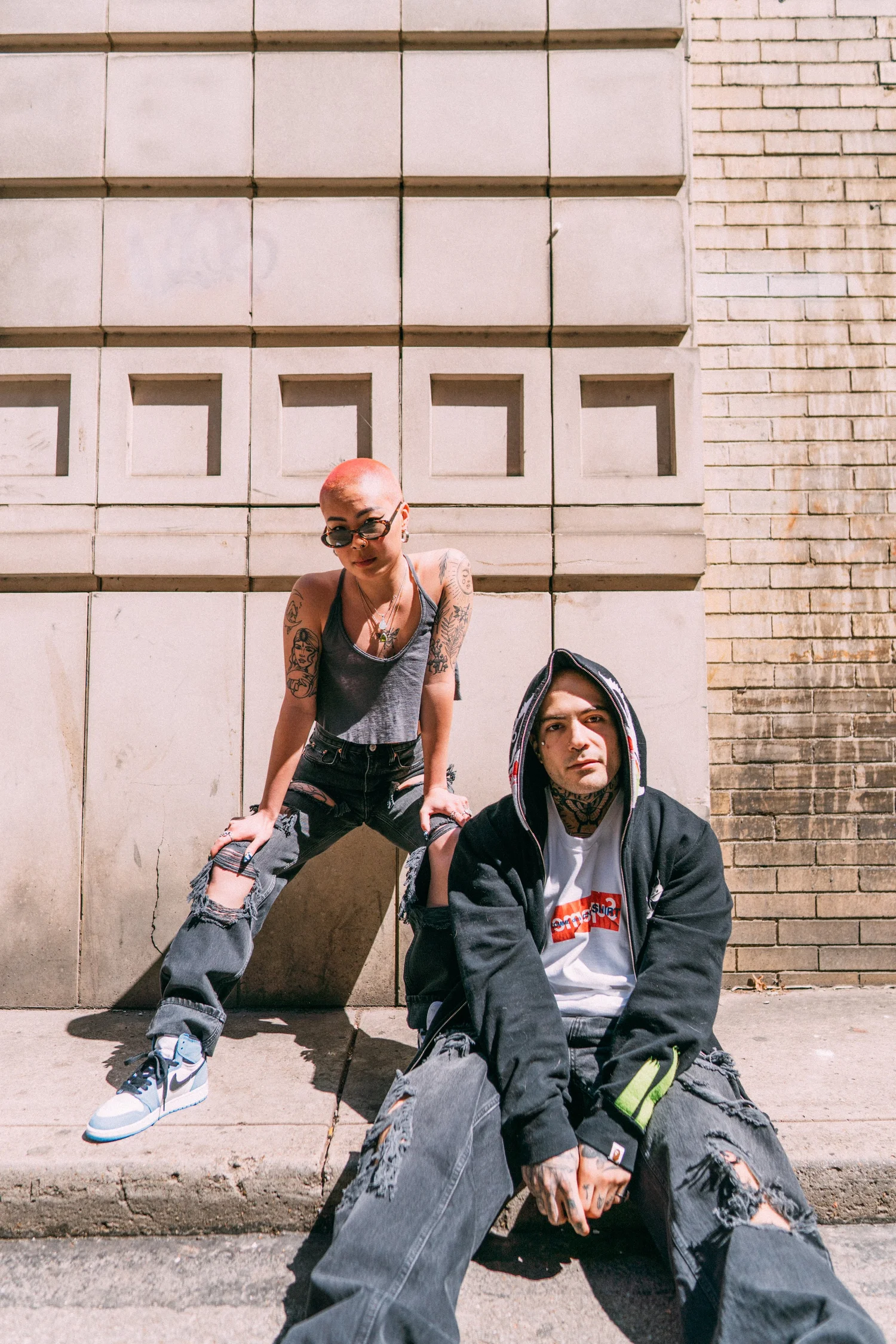
A seated picture has a different rhythm from a walking one. Ash and AJ's clothes, relaxed posture, and the wall behind them create a grounded frame. Use it to discuss the atmosphere you like; do not assume someone else's doorway, steps, or building is available for your session.
A residential-neighborhood route can feel conversational: sidewalks, low walls, planted edges, local storefronts, and the corner where you actually meet. The visual scale keeps attention on the couple instead of a skyline. It works best as a walking loop with a few public-facing textures. It does not create permission to use a stranger’s porch, driveway, gate, courtyard, or front steps. Keep doors and sidewalks clear, and ask before making a private facade the subject.
Parking is often less predictable than the pictures suggest. Read posted signs, account for resident restrictions and street cleaning, and build a buffer between arrival and camera time. One coordinated outfit with an easy layer change suits a neighborhood route better than several complete looks. If the forecast turns, an approved café or home nearby can work only when permission was arranged in advance—not as an improvised shelter.
At home: personal, controlled, and visually demanding
Look at how the window changes the room in these two photographs. Backlight makes one frame luminous, while a defined patch of sunlight gives the wider image a more dramatic shape. An interior is worth considering for its light and familiarity, not only as an emergency rain plan.
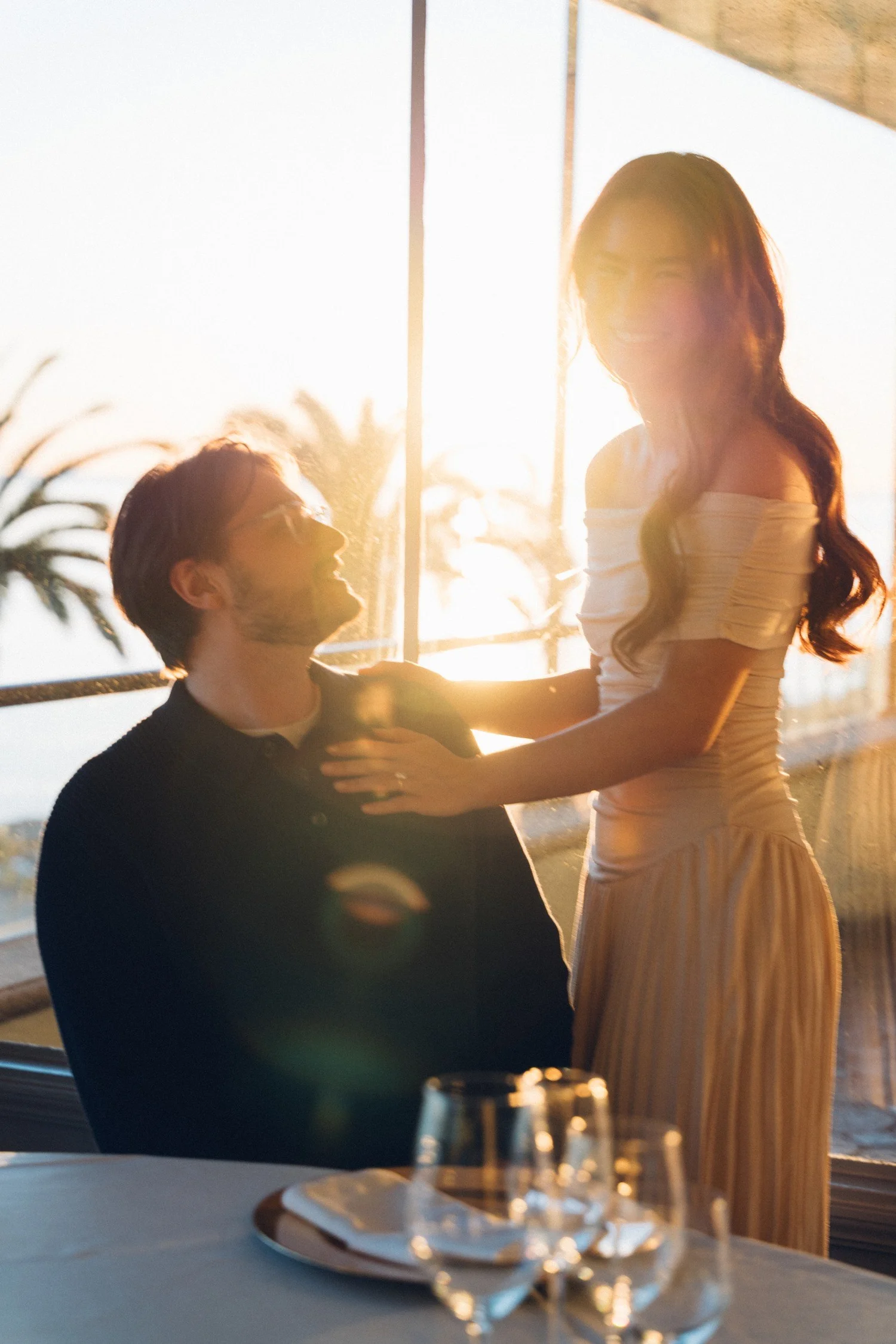
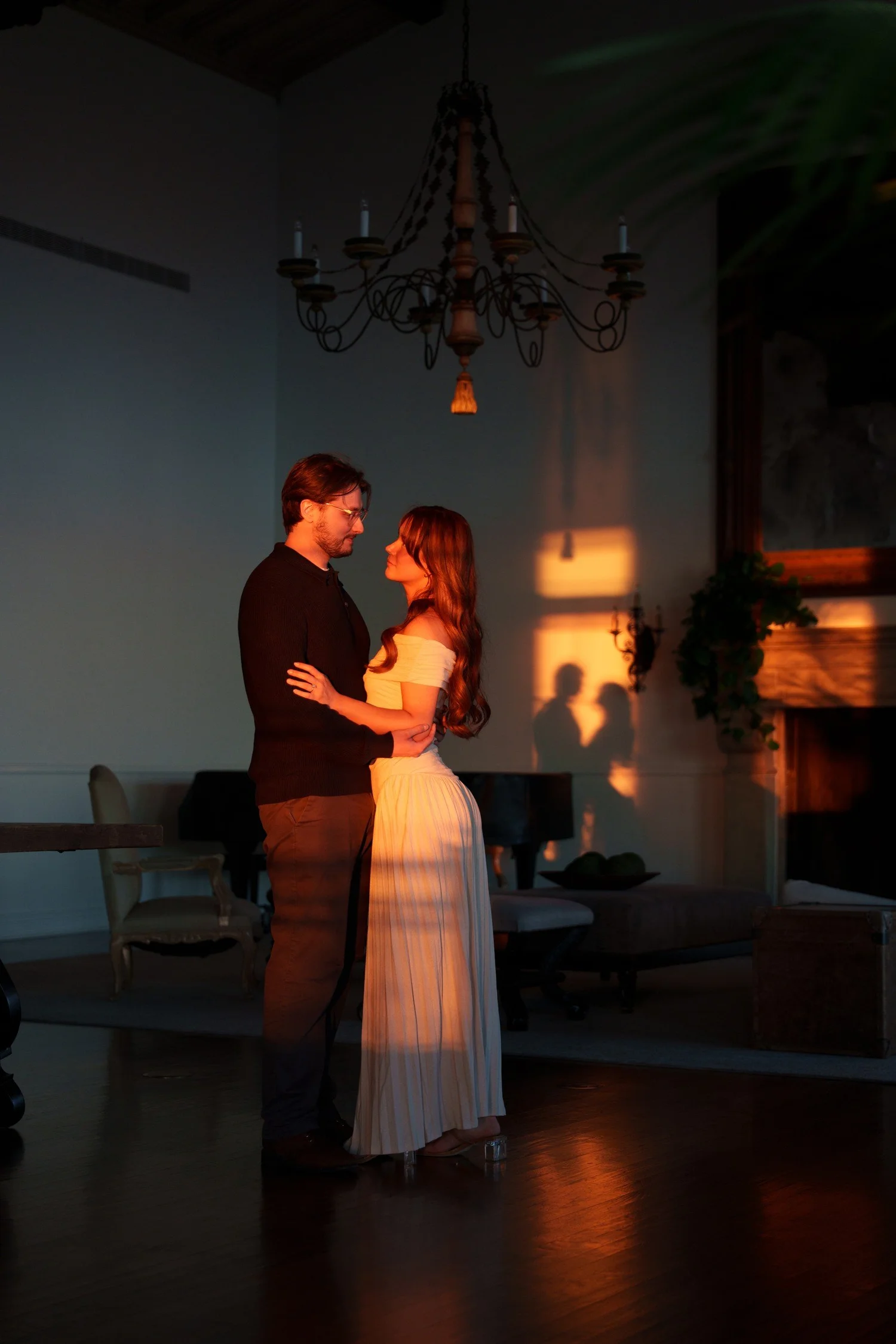
An at-home session can be the most specific choice when cooking, making coffee, listening to records, working at a table, or sitting with a pet is genuinely part of your life. Privacy gives expressions time to develop. Window direction, room size, wall color, and existing objects become the visual language; a small home is viable when the plan favors close frames, doorways, floor-level moments, and one or two uncluttered corners instead of pretending it is a studio.
Use your own home or obtain written owner permission. A rental, hotel, shared building, or borrowed apartment may have photography, guest, equipment, and common-area restrictions. Home gives better access to clothing changes and a dependable weather backup, but it is not automatically simple: clean sightlines, choose meaningful activities, tell housemates what is happening, and decide whether any exterior portion falls under a different property or municipal rule. The studio-and-location comparison explains the control and atmosphere trade-offs.
A decision framework that keeps the session coherent
Name the real activity. Choose walking, talking, cooking, dancing, exploring, or being still—not a pose collection.
Name the visual feeling. Pick two useful adjectives such as graphic, expansive, playful, quiet, polished, or lived-in.
Set the privacy threshold. Decide whether passersby add energy, remain tolerable, or make it hard to stay present.
Audit the exact place. Confirm owner, jurisdiction, permit path, legal parking, walking surface, shade, restrooms, changing access, and current restrictions.
Choose the weather version. Make sure the idea works in expected wind, cloud, heat, or direct sun, then name a realistic backup.
One environment is enough when it supports more than one action, direction, or scale. A beach can move from wide walking frames to close seated portraits; one downtown block can shift from hard sun to shade and reflections; a home can move from kitchen to window to floor. Variety comes from attention, movement, lens distance, and light—not only from mileage.
Crossing Los Angeles for multiple locations can weaken a session because travel breaks conversational momentum and spends usable light on traffic, parking, and regrouping. Add a second place only when it supplies a distinct, necessary chapter and the transfer is realistic. Otherwise, stay in one area and let the photographs deepen. Keep clothing similarly focused: the creative-session wardrobe guide favors intention over unrelated costume changes.
Los Angeles couples-photo location FAQ
Do beach couples photos need a permit?
Possibly, and the answer depends on the exact beach. Santa Monica public space, LA County beaches, and California State beaches do not share one process. Confirm the property owner, the commercial-photo rules, crew and equipment plan, current restrictions, and required lead time before treating a beach as booked.
Can a small apartment work for an at-home session?
Yes. A small space can support close portraits, window light, seated moments, and real activities. Choose two clear sightlines and remove distracting objects rather than trying to show every room. Use a home you control or secure owner permission, including any shared hall, roof, or courtyard.
How many locations should we choose?
Usually one environment with several nearby visual zones is enough. Add a second only if it contributes a different part of the relationship story and can be reached without sacrificing pace or useful light. A long transfer is not automatically more variety.
Which LA setting offers the most privacy?
An approved home or private studio usually offers more control than a public beach, park, or sidewalk, but actual privacy depends on the property and household. Public-space permits generally manage activity; they should not be assumed to exclude visitors or guarantee empty backgrounds.
Where can we change outfits?
Use a home, studio, rented changing room, or another place where access is explicitly permitted. Do not assume a café restroom, hotel lobby, parked car, or park facility will be suitable. A jacket or layer change often gives enough variation without disrupting the route.
What is a sensible weather backup?
Choose one while selecting the main location: an approved home or studio, a safe covered exterior with confirmed access, a nearby environment suited to different light, or a clear reschedule threshold. The backup should preserve the intended mood instead of sending the session across the city.
Choose a setting you can actually enjoy
Shortlist one main setting and a nearby alternative. For each, note the walk from parking, permission requirements, where you can pause, and what happens if the weather changes. Compare the varied interactions in Hannah and Garrett’s gallery: the place supports the photograph, while their connection gives it meaning.
See Los Angeles couples photography and the engagement-photo timing guide.
Plan your Los Angeles couples or engagement photographs
Send your preferred dates, one main location and a nearby alternative. Include confirmed access to any private setting and plans we should work around. I am based in New York and open to travel; we can confirm availability and scope before finalizing the route.
Ask about LA dates and travel · Explore Los Angeles couples photography
Continue planning with choosing the time and light for your LA session.