
At-Home Couples Photos in NYC: Making Your Space Personal
Your favorite seat, the afternoon light, the things you have collected together. An at-home session can make room for the everyday parts of your relationship.
You only need a few useful corners. Before we plan:
- Send phone photographs of two or three places you enjoy together, including nearby windows.
- Note when the rooms are brightest and which spaces should stay private.
- Choose one familiar activity, or simply a comfortable place to sit.
The portfolio examples below illustrate light, closeness, and framing. They are not presented as sessions in each couple’s own home.
Start with the places you actually use
Think about where you naturally spend time together. A sofa, kitchen table, window, or corner with favorite objects can be a useful starting point. The strongest choice may have a personal connection rather than looking impressive in a wide photograph.
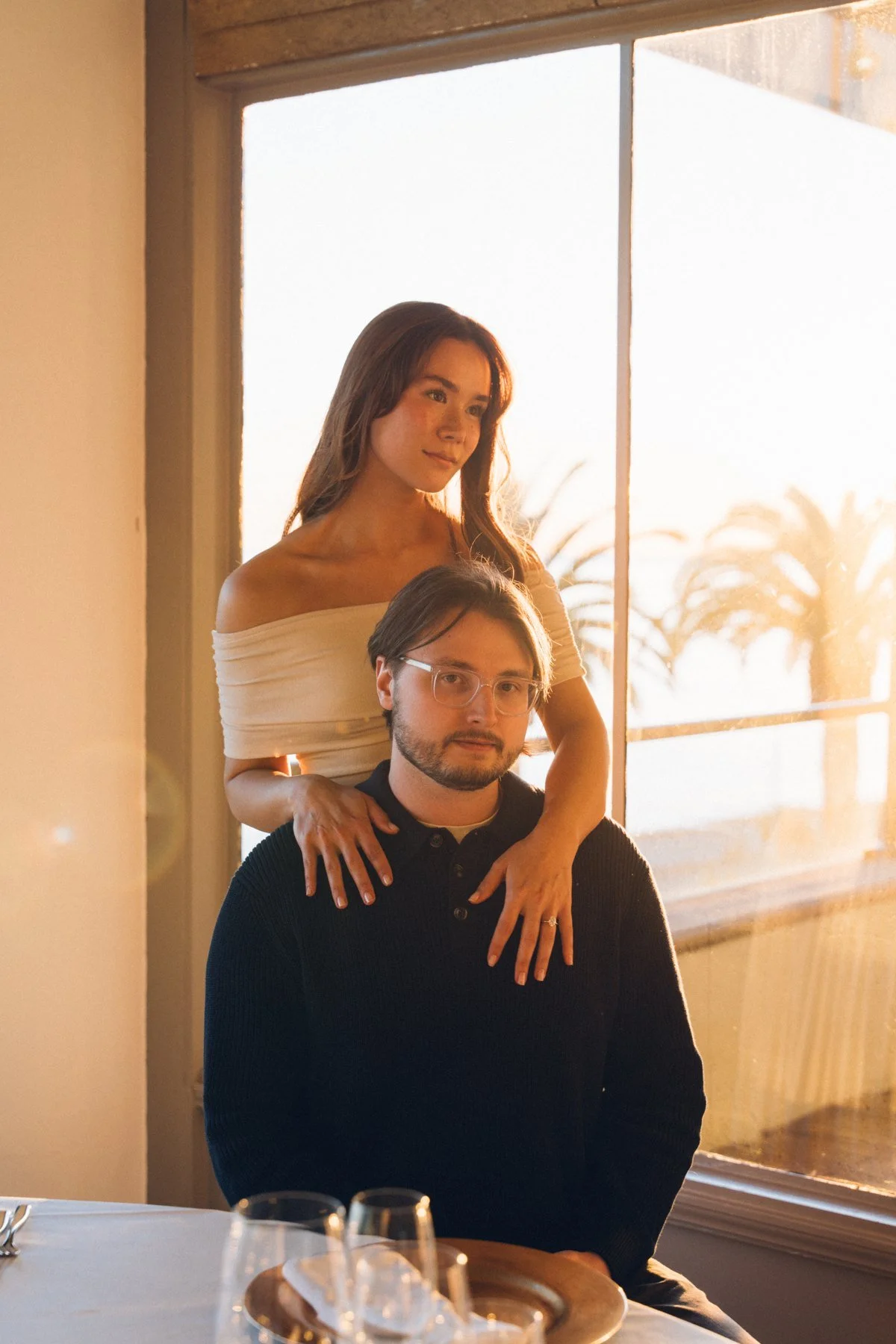
Hannah and Garrett's window portrait shows how light and a small interaction can shape a picture. For your session, start with the places you actually enjoy using, then consider which parts of the room add something to the photograph.
Look at the light before moving everything
Take a few phone pictures of possible areas and share them when we plan. Include the window and the space around it, not just a close view of the furniture. If you know when a room feels brightest or gets direct sunlight, that is useful context too.
We can use those photographs to discuss timing and what the space allows. There is no need to promise a particular patch of sun. The question is how the available light and layout can support comfortable places to stand, sit, and move.

Tidy selectively and keep what matters
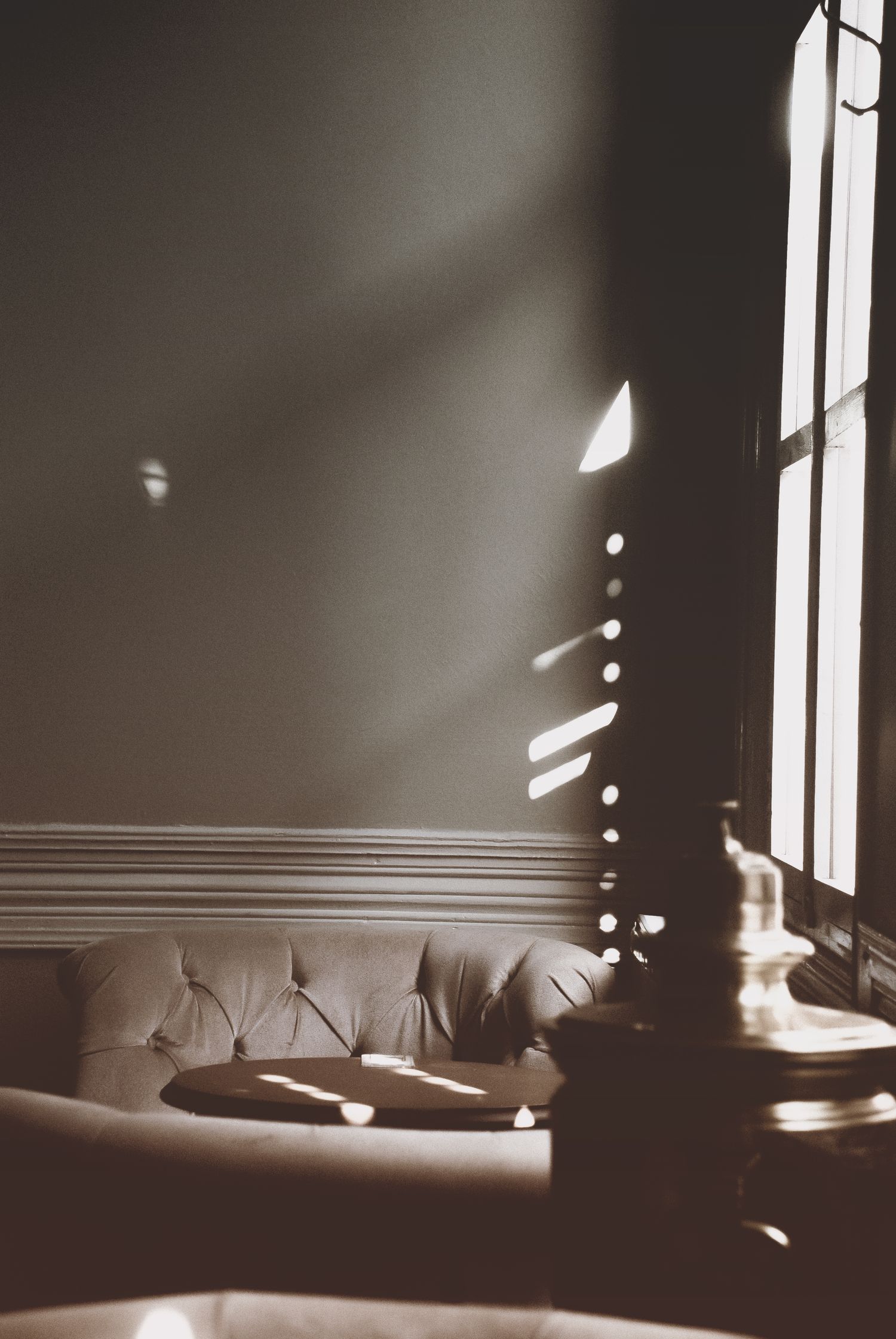
Clear things you would find distracting in a photograph, but keep objects that help the room feel like yours. A book, artwork, plant, or familiar blanket may be worth including. A home portrait doesn't need to erase the signs that people live there.
For a wider picture, think about the edges as well as the central seat or window. A temporary pile near a doorway can pull attention away from you. Preparing two or three useful areas is more manageable than reorganizing the entire apartment. A tighter detail, like joined hands, can leave most of the room outside the photograph.

Make room for both people in the plan
Discuss what you each feel comfortable showing and where you would enjoy being photographed. One person may love a relaxed sofa portrait while the other would prefer something more dressed. Agree on the overall feeling before arranging every detail.
Small interactions can carry the photographs: leaning together, sharing a conversation, or reaching for a hand. The close portrait here illustrates how little background a picture may need. We can make room for affectionate photographs without asking you to perform a version of home life that doesn't feel like yours.

Choose an activity only if it belongs to you
An activity can give your hands something natural to do, but it doesn't need to become a production. Listening to music, looking through a book, or sitting with a drink might make sense if you enjoy it. Choose one starting point and let the portraits develop around it.
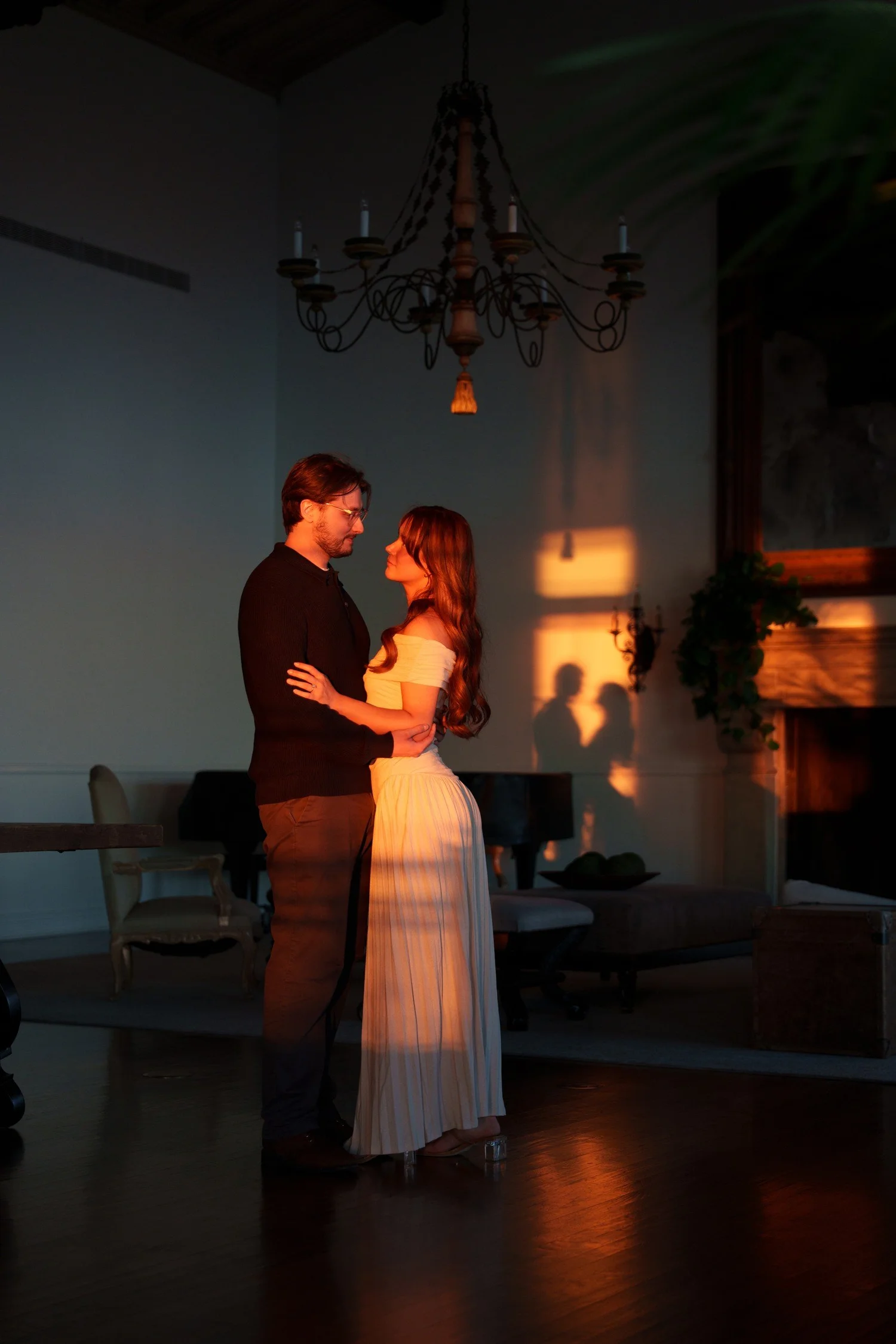
You don't need to be doing a task throughout. The standing portrait of Hannah and Garrett shows how a pause together can be enough, with the light and the room giving the picture its setting. Let an activity lead into photographs rather than feeling you have to keep acting it out.
Plan the practical boundaries beforehand
Confirm who will be present, how to enter the building, and which rooms are part of the session. Mention pets, limited space, stairs, or anything that affects how we move around. If a shared roof, courtyard, or building amenity is involved, establish permission and access before adding it.
Clothing changes may be easier at home, but keep the options focused. Pick a small number of outfits that suit the space. Let me know if there are rooms or personal items you want kept outside the photographs.

Give the final set different kinds of pictures
Plan for a wider photograph showing the room, a closer portrait together, and details or gestures. Different distances help the set describe both you and the environment without repeating the same pose in every corner.
The close gestures and seated portraits in these couples examples show how changing distance and posture can vary a set. Explore more in my couples portfolio. For help choosing pictures that work together, read how to choose your final portrait photos. Your selection can feel personal without showing every room.